

Whole-system duct and dryer vent check with before-and-after photos - you see exactly what came out of your vents
That "$99 whole-house special" is a bait ad - the real number appears once they are in your hallway, or the "clean" is a shop-vac at the register. We photograph the inside of your ducts before and after instead.
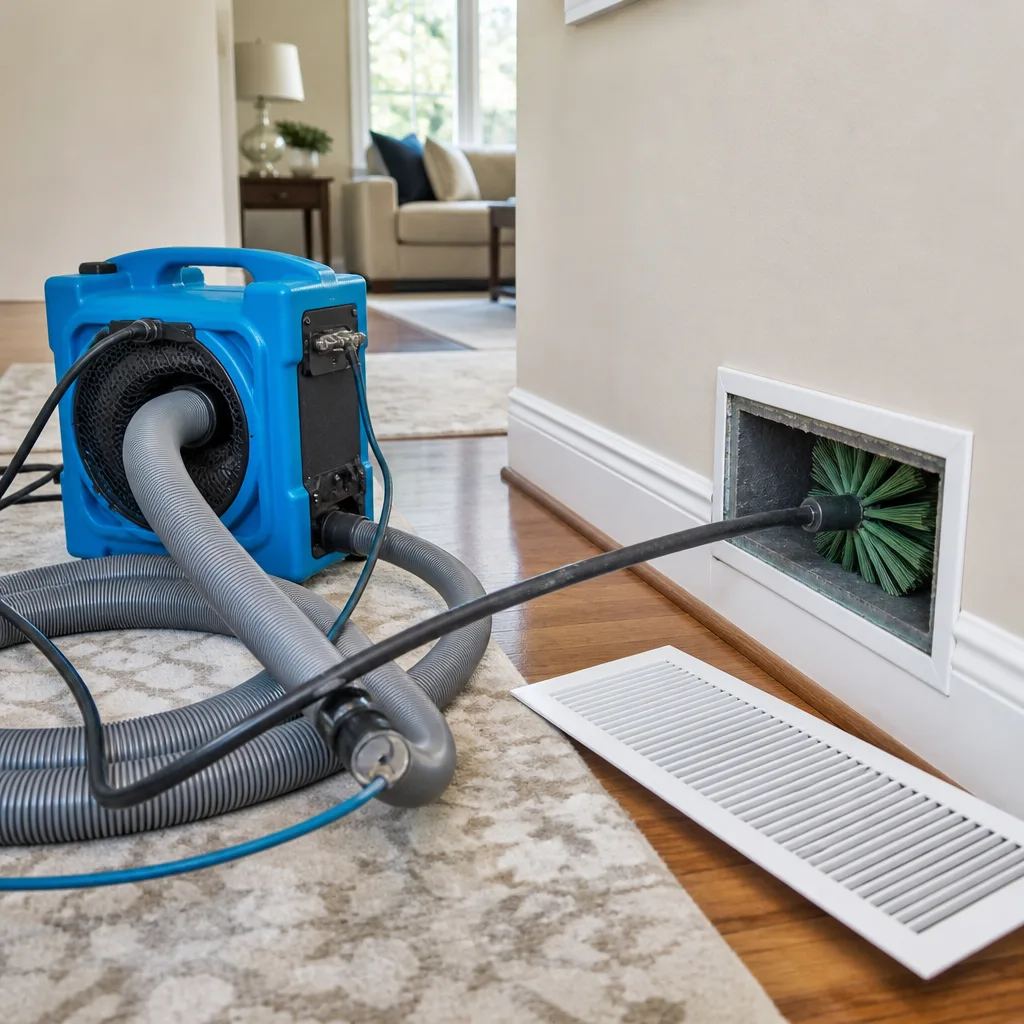
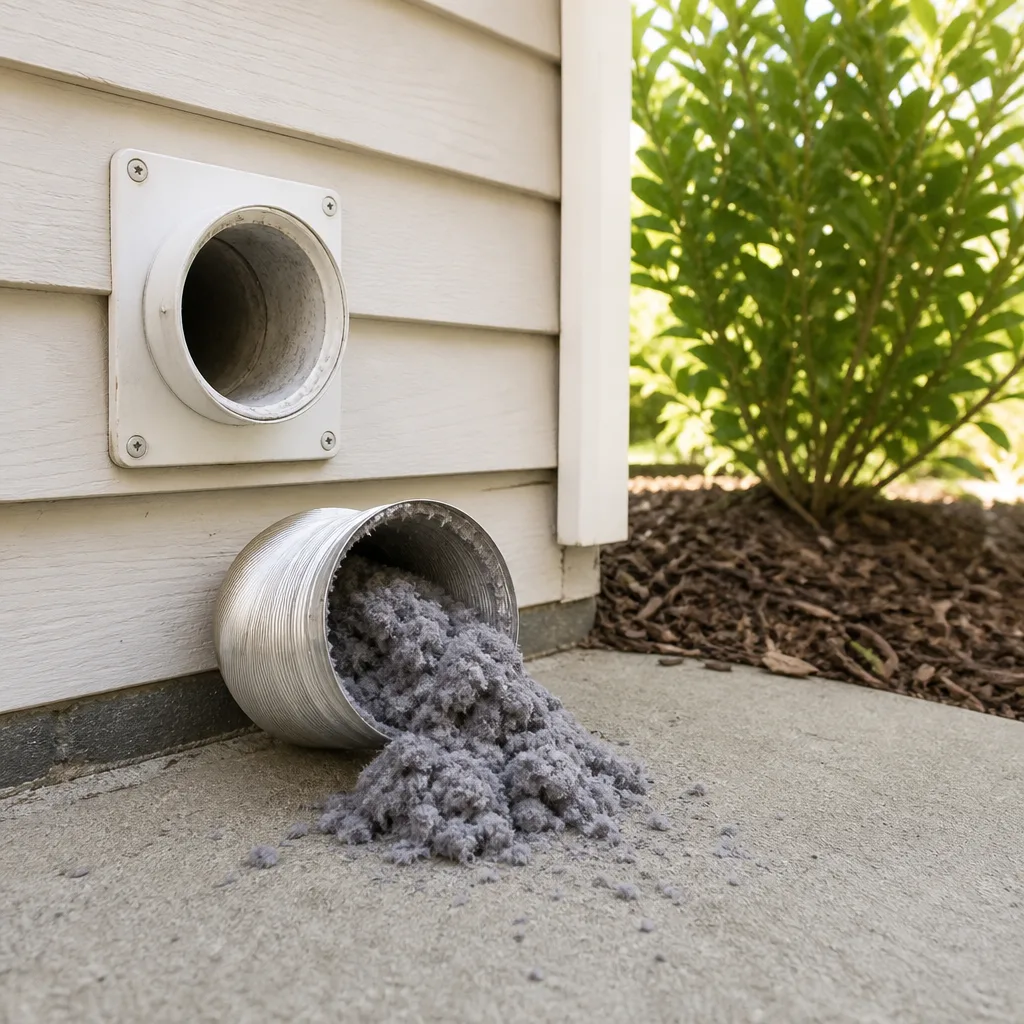
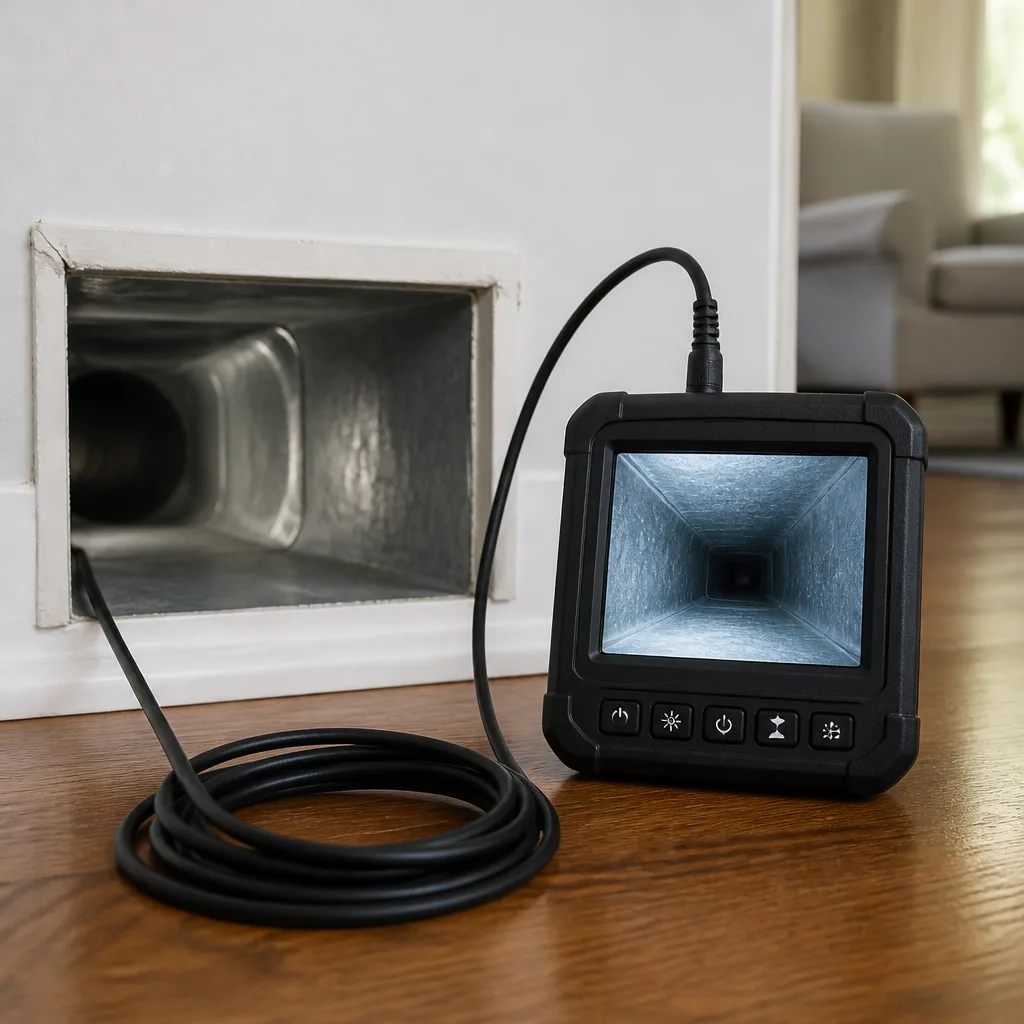
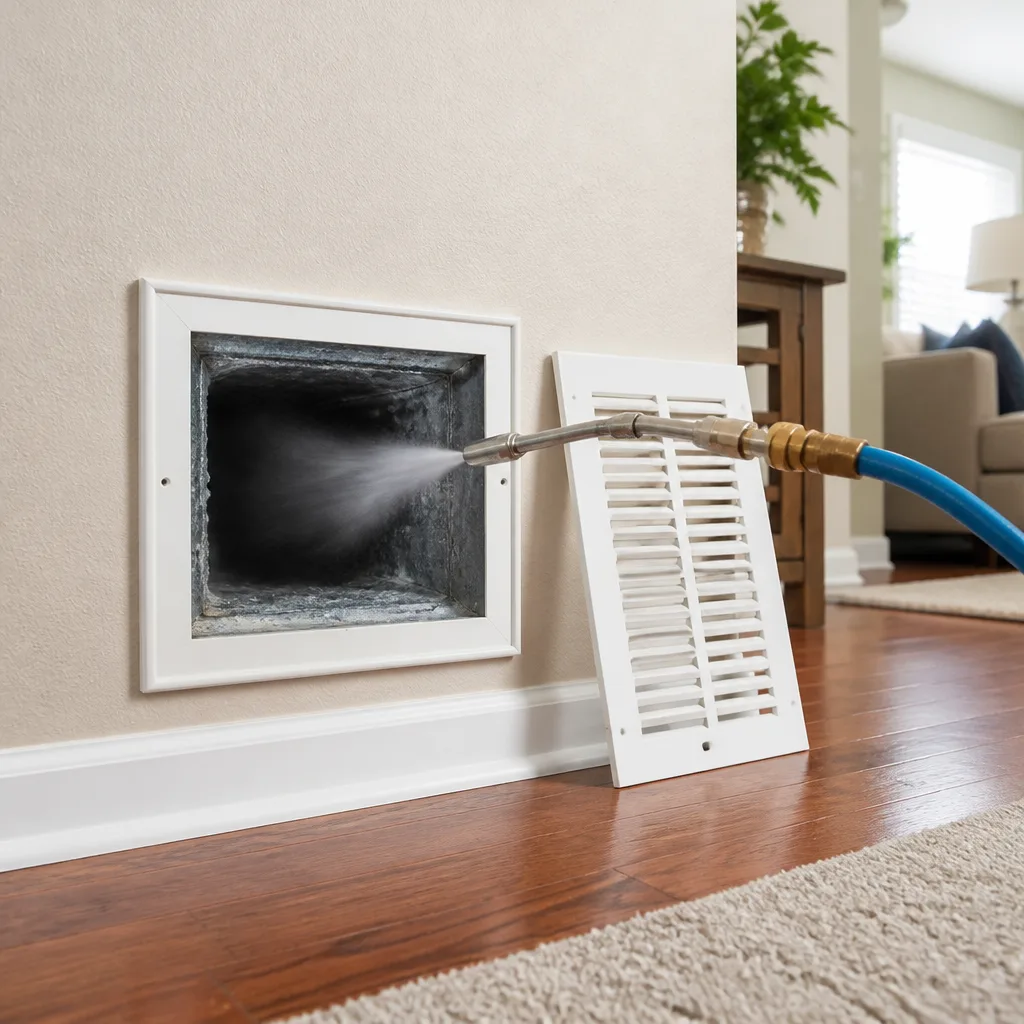
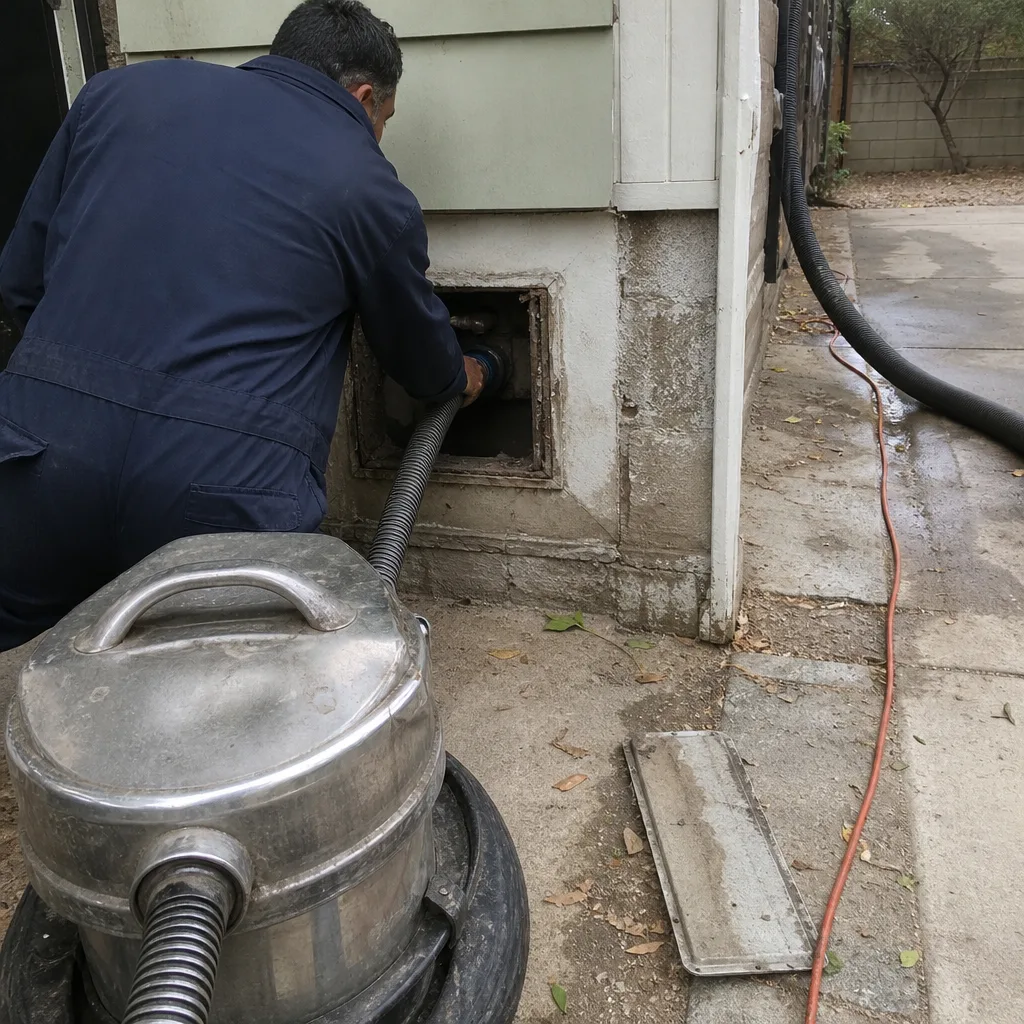 Before
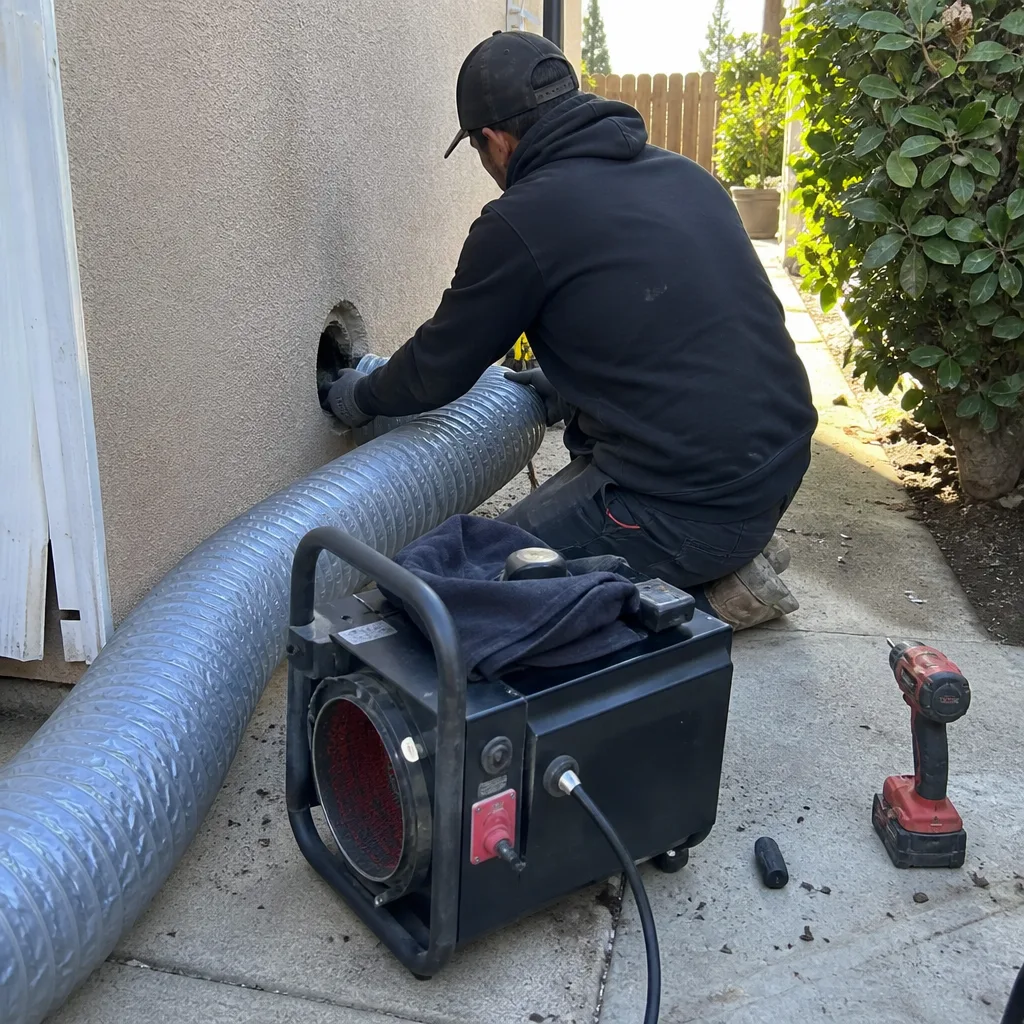 After
After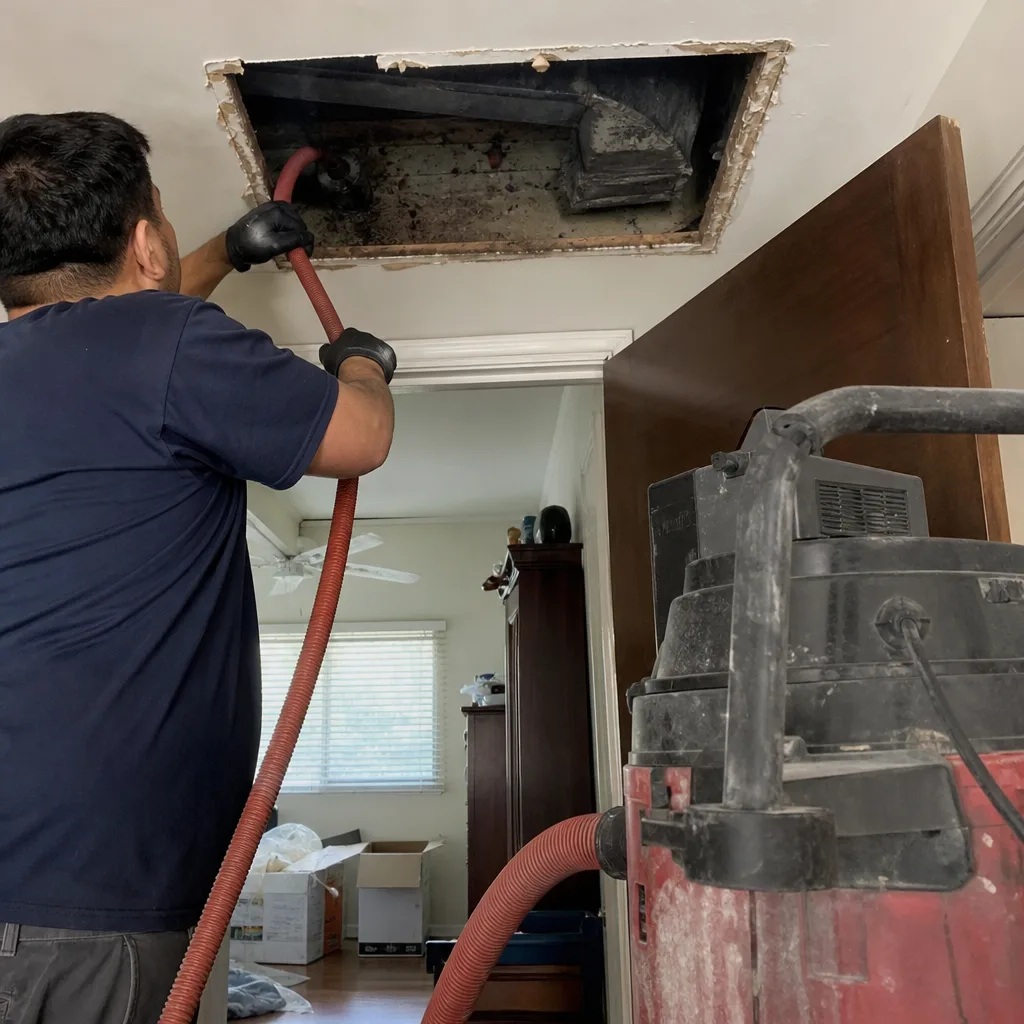 Before
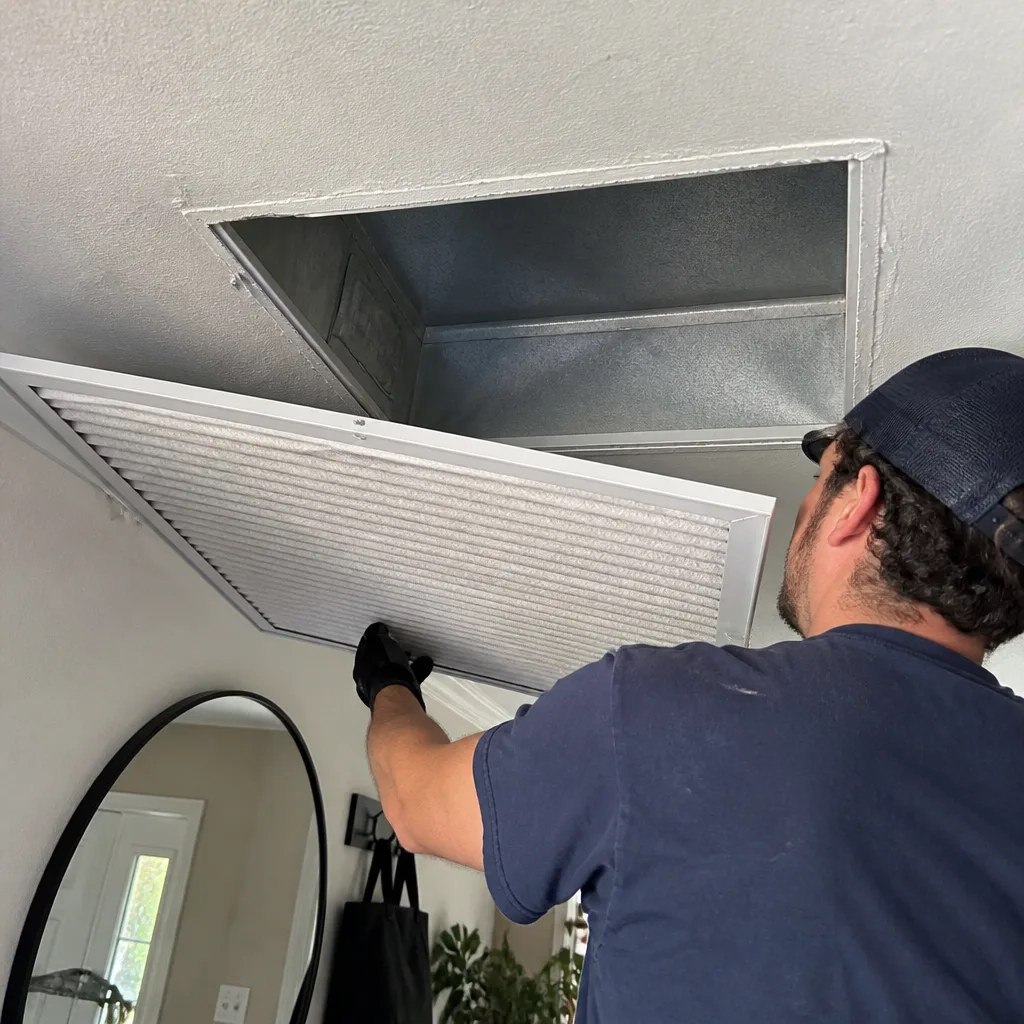 After
After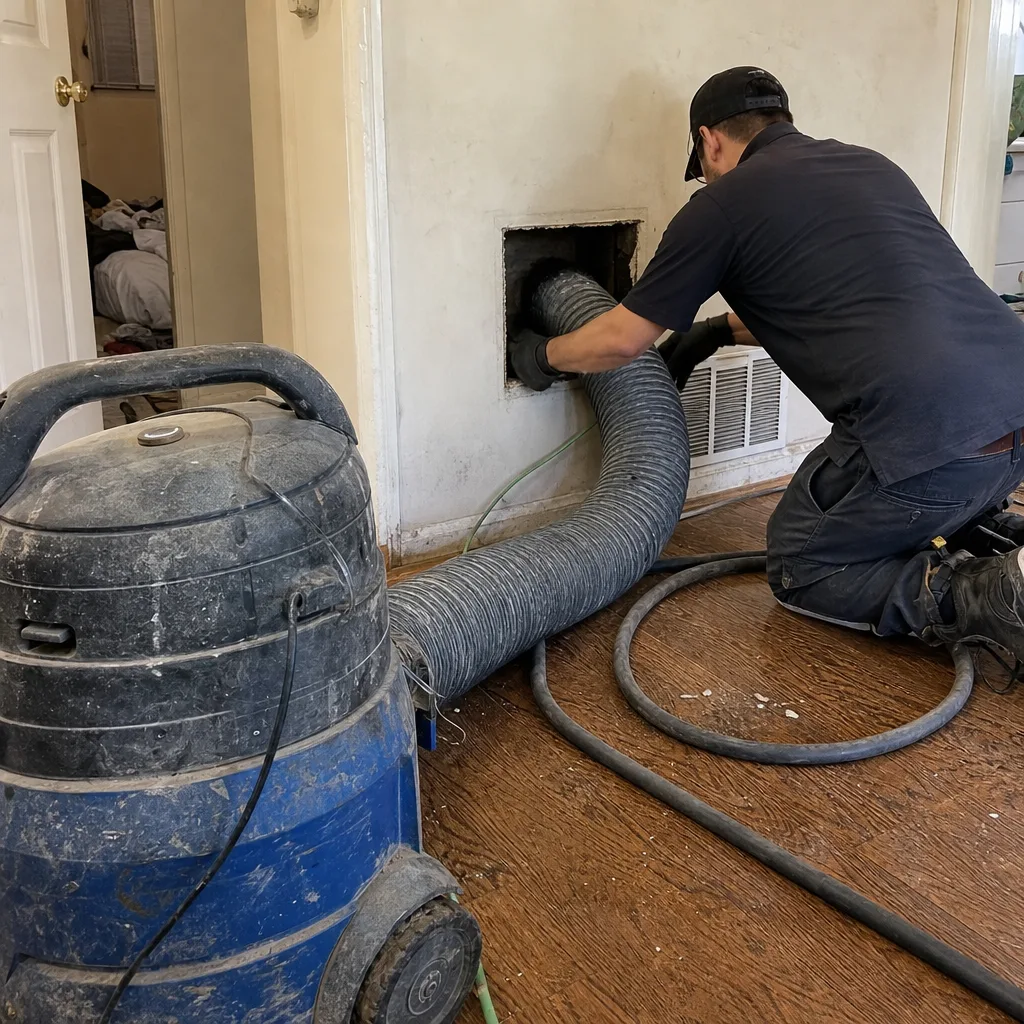 Before
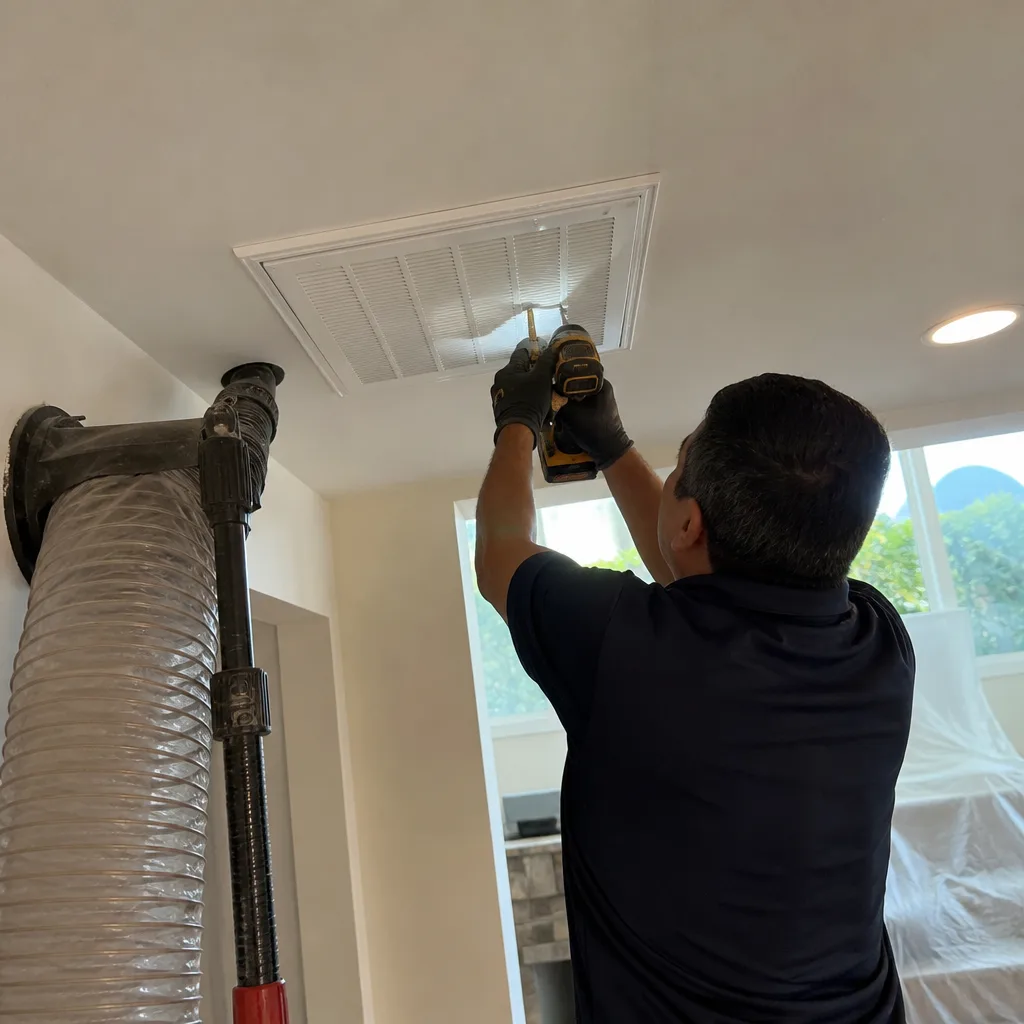 After
AfterAllergies Worse Indoors
If your allergy symptoms ease up when you step outside but flare back up the moment you’re home, your duct system is almost certainly the reason. Dust mites, mold spores, pet dander, and pollen all accumulate inside ductwork and get pushed into every room every time your system runs. A professional air duct cleaning removes that buildup at the source.
It doesn’t feel like a ventilation problem at first. It feels like a health problem – a scratchy throat in the morning, eyes that won’t stop itching, a cough that never quite goes away. Most people try a new air filter, or blame seasonal pollen, and cycle through those explanations for months before they think to look at the ducts. The ducts are rarely visible, rarely cleaned, and almost always full. Your HVAC system circulates the air in your home multiple times every day, and whatever is sitting inside those metal channels goes along for the ride.
Why It Happens
Dust and Debris Buildup in the Main Ductwork
Over several years, a normal layer of household dust settles into every horizontal duct run. That alone isn’t always a problem – until the system kicks on and that dust becomes airborne. A telltale sign is a faint puff of dust visible at the supply registers when the fan starts, or a persistent dusty smell in rooms closest to the air handler. If you pull a register cover and the visible duct interior looks grey or furry to the touch, the rest of the system probably matches.
Mold or Mildew Growth Inside the Ducts
Ductwork that runs through unconditioned spaces – attics, crawlspaces, or unfinished basements – can experience condensation on the interior walls, and moisture plus organic debris equals mold. You’ll usually notice a musty odor that appears specifically when the HVAC is running, not when the house is still. Mold spores are a potent allergen, and a system that’s actively distributing them will overwhelm most over-the-counter remedies within minutes of startup.
A Dirty or Improperly Sealed Return System
The return side of your duct system – the large grilles that pull air back to the air handler – is often overlooked. If a return grille is clogged with dust or pet hair, or if the duct connecting it to the system has a gap or separation, the system can draw air (and whatever’s in it) from wall cavities, attic spaces, or crawlspaces instead of your living area. Signs include a return grille that’s coated in thick grey fuzz, or one room that always seems dustier than the others for no obvious reason.
A Filter That’s Failing or Bypassed
A filter that’s overloaded can actually release particulates back into the airstream rather than catching them. More commonly, a filter that doesn’t fit the housing correctly allows unfiltered air to move around it entirely. Pull your filter out. If it’s dark grey and compressed, it’s past due. If you can see daylight around the edges when it’s seated, the fit is wrong and everything the filter is supposed to catch has been going straight through to your ducts.
What to Do Right Now
- Check and replace your air filter. Pull it out, hold it up to a light source, and look for gaps around the frame. If it’s visibly loaded with debris or doesn’t fit snugly, swap it for a new one with the same dimensions before anything else.
- Pull a few supply registers and take a photo. You don’t need to reach inside – just shine a phone flashlight into the opening and photograph what you see. That image is genuinely useful when a technician comes out because it shows the condition before any cleaning starts.
- Check your return grilles. If the cover is plastered with dust and pet hair, vacuum it off carefully. A clogged return restricts airflow and pulls more particulates into the system.
- Reduce circulation until the system is serviced. If symptoms are severe, consider running the fan as little as possible in the short term – it limits how much of the accumulated debris gets pushed into your living space.
- Do not attempt to clean ductwork yourself with a vacuum or brush. Disturbing settled debris without a proper containment and negative-pressure setup can push allergens through the entire house at once. Leave the interior cleaning to equipment built for it.
How We Fix It
When your local Linden Air Duct Cleaning team arrives, the first thing they do is a visual inspection of the system: supply runs, returns, the air handler cabinet, and the visible duct connections. Before any equipment is set up, you’ll get a written price for the work – specific to your system and your home, agreed to by both of us before anything starts. That’s not a formality; it’s how every Linden job works.
The cleaning itself uses professional-grade equipment from Rotobrush and Nikro – truck-mounted or portable negative-pressure systems that put the ductwork under vacuum while agitation tools loosen what’s stuck to the walls. Debris is captured, not circulated. For most homes the full cleaning takes a few hours. If the inspection turns up a disconnected duct section, a gap letting in unconditioned-space air, or a damaged flex run, that’s an air duct repair conversation – also priced in writing, also covered by a written guarantee and our 365-Day Done Right Promise.
Frequently Asked Questions
Dirty ducts genuinely cause or worsen allergy symptoms when the buildup includes allergens – dust mite particles, mold spores, pet dander, or pollen that tracked in from outside. If your symptoms are noticeably worse at home than elsewhere, and especially if they’re worse when the HVAC is running, the duct system is a logical place to look. A technician can tell you within the first visit whether the level of buildup warrants cleaning or whether something else is likely the culprit.
For most people, the risk is discomfort rather than immediate danger – but if anyone in your home has asthma, a compromised immune system, or a diagnosed mold sensitivity, putting it off extends their exposure to a known irritant. Mold in ductwork, specifically, doesn’t get better on its own; it tends to spread as long as moisture and organic material are present. If you suspect mold rather than just dust, sooner is genuinely better. Call (980) 447-2498 and we’ll help you figure out the right next step.
This is a fair question and a real problem in this industry. Before work starts, your Linden technician takes photos of the duct interior; after cleaning, those same areas are photographed again. You see both. That’s the before-and-after record of your own system – not a stock photo from a company website. If something doesn’t look right, the 365-Day Done Right Promise means we come back and make it right, in writing.
Air duct cleaning is a scheduled job, not an emergency call, so we can’t guarantee same-day availability in every market. What we can guarantee is that when you call (980) 447-2498, a real person picks up – no voicemail loop, no automated system – and can tell you exactly what your local Linden team has available. Getting on the schedule sooner rather than later is worth the call.
Get It Fixed
Call (980) 447-2498 – a live person answers any time you call – or book online. Your local Linden Air Duct Cleaning team will inspect the system, give you a written price before any work starts, and get the air in your home moving clean again.
Written by Marcus Veale, Owner at Linden Air Duct Cleaning, part of the Threshold Group family serving homeowners since 2004.
What Our Customers Say
"Tech arrived with a badge and a printed sheet of what he'd be doing. Ran a camera through the main trunk before and after so I could see the dust difference. Vents smell cleaner already."
- Gina R."Priced by the system, not by the vent, and he told me up front. No pressure to add the sanitizer and I said no without any fuss."
- Faith N."We had construction dust packed into every register after a remodel. They sealed off the returns, used negative pressure, and left the floors cleaner than they found them."
- Paul E.