

Whole-system duct and dryer vent check with before-and-after photos - you see exactly what came out of your vents
That "$99 whole-house special" is a bait ad - the real number appears once they are in your hallway, or the "clean" is a shop-vac at the register. We photograph the inside of your ducts before and after instead.
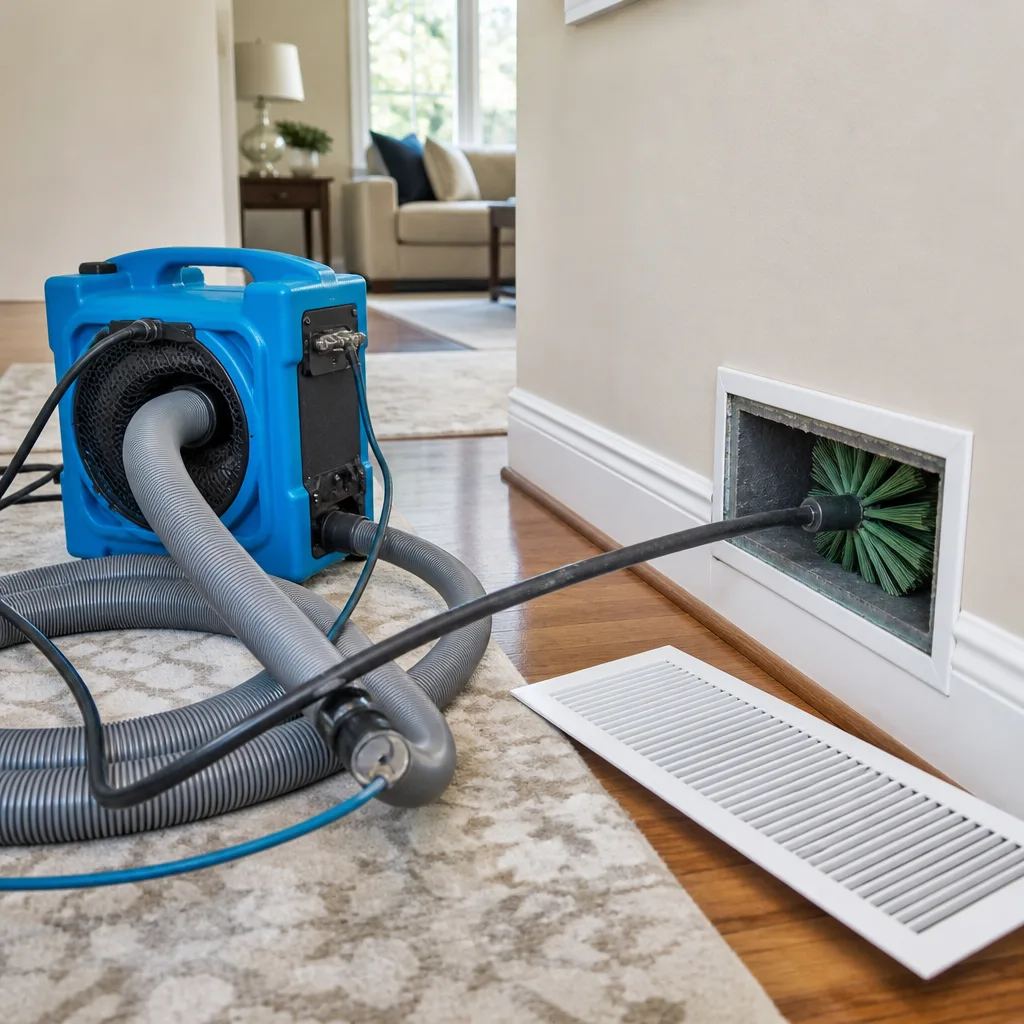
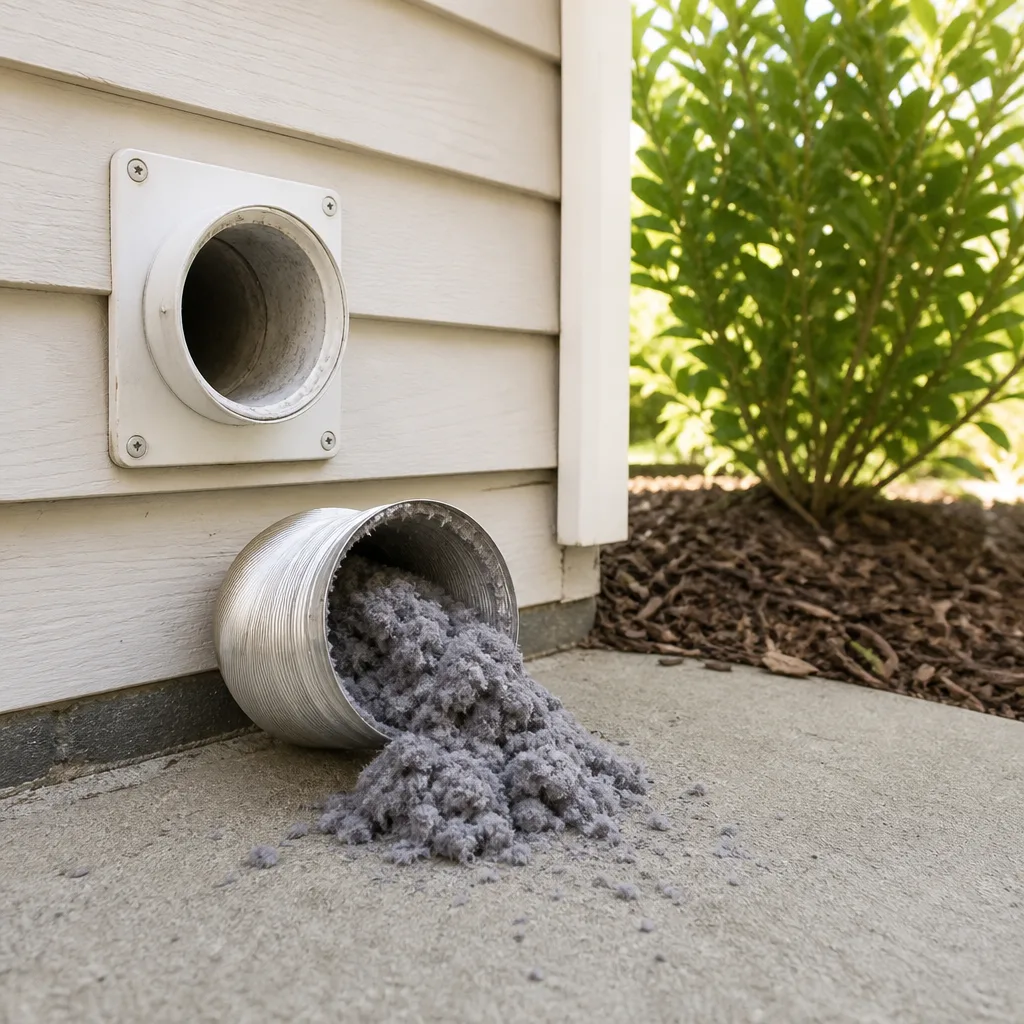
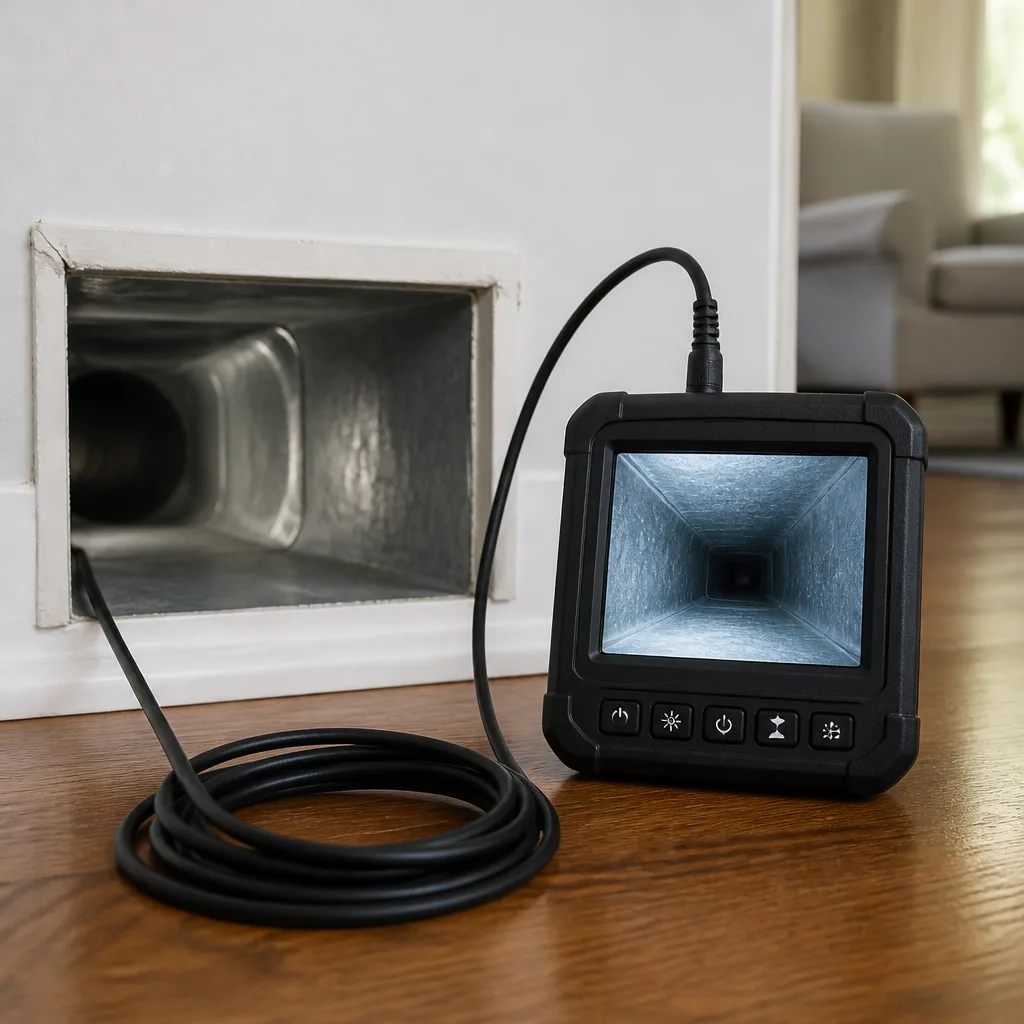
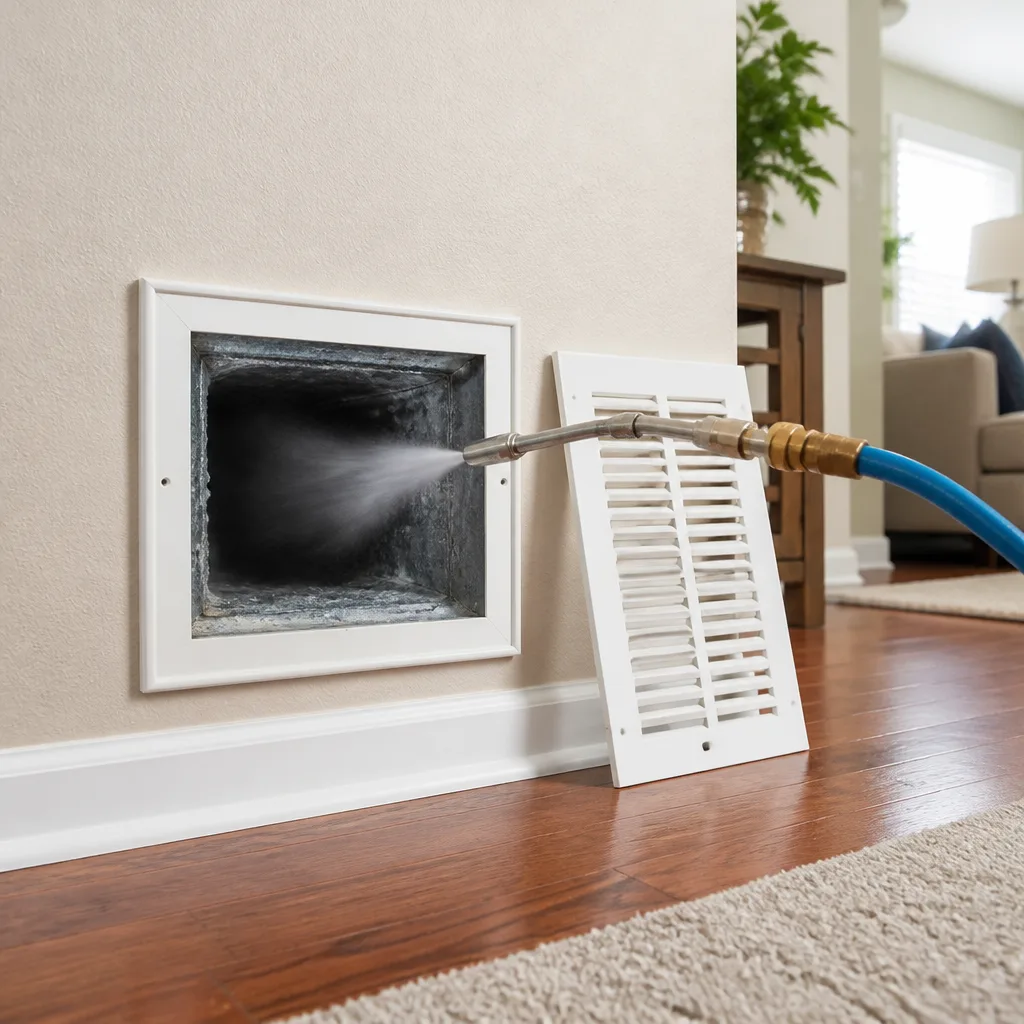
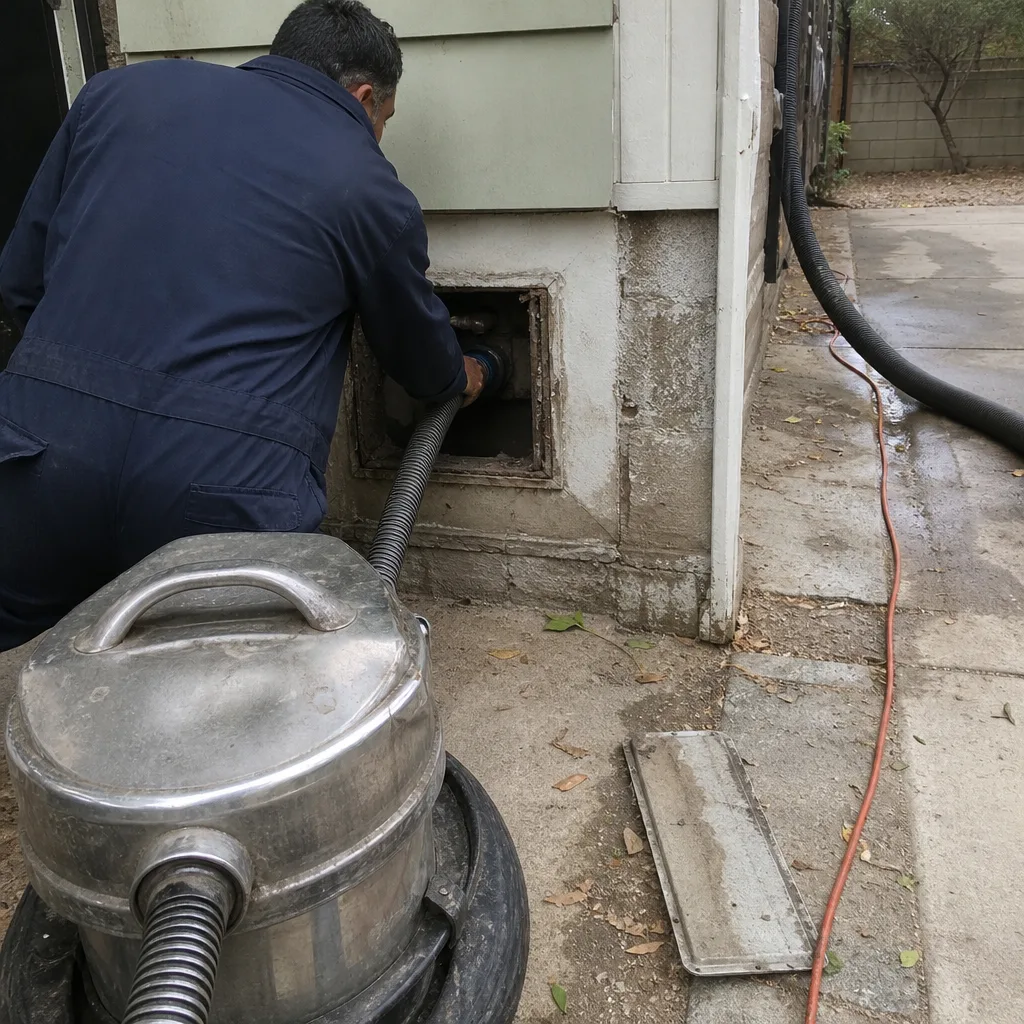 Before
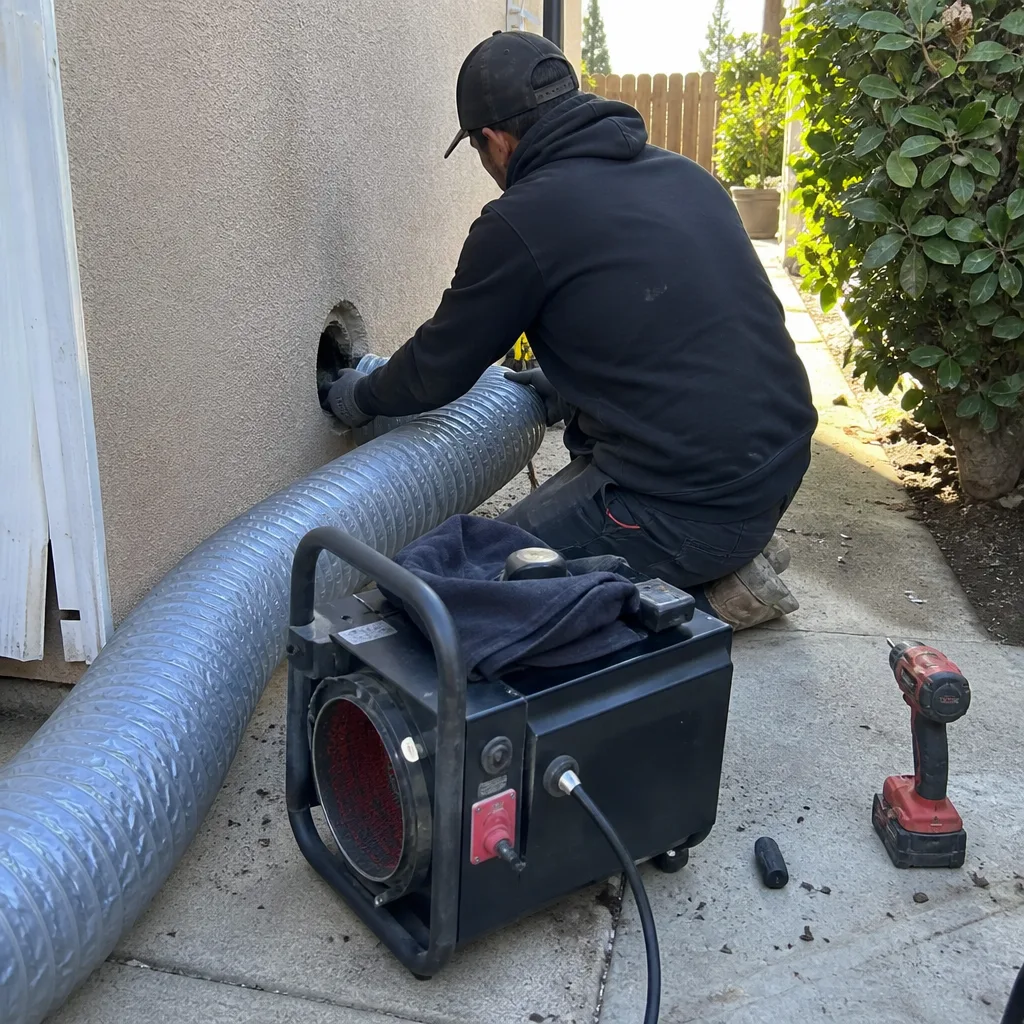 After
After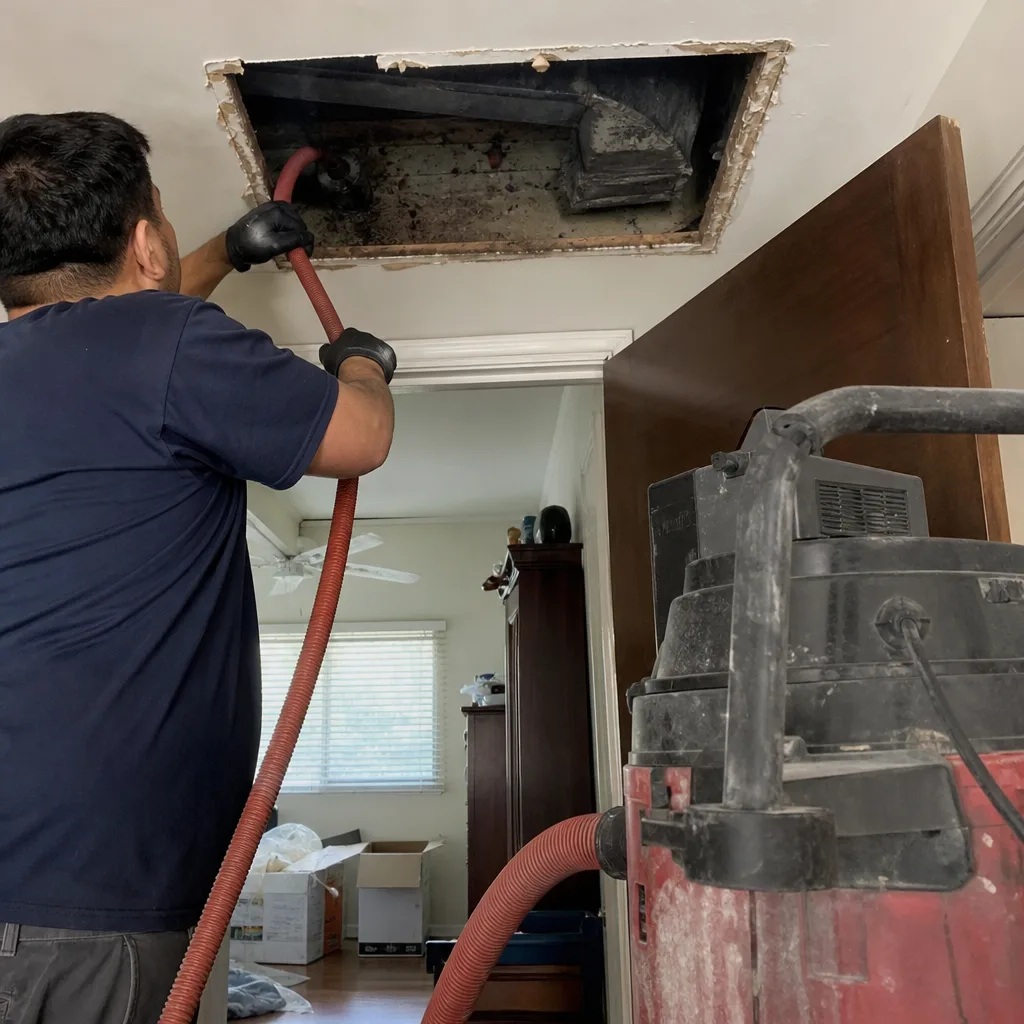 Before
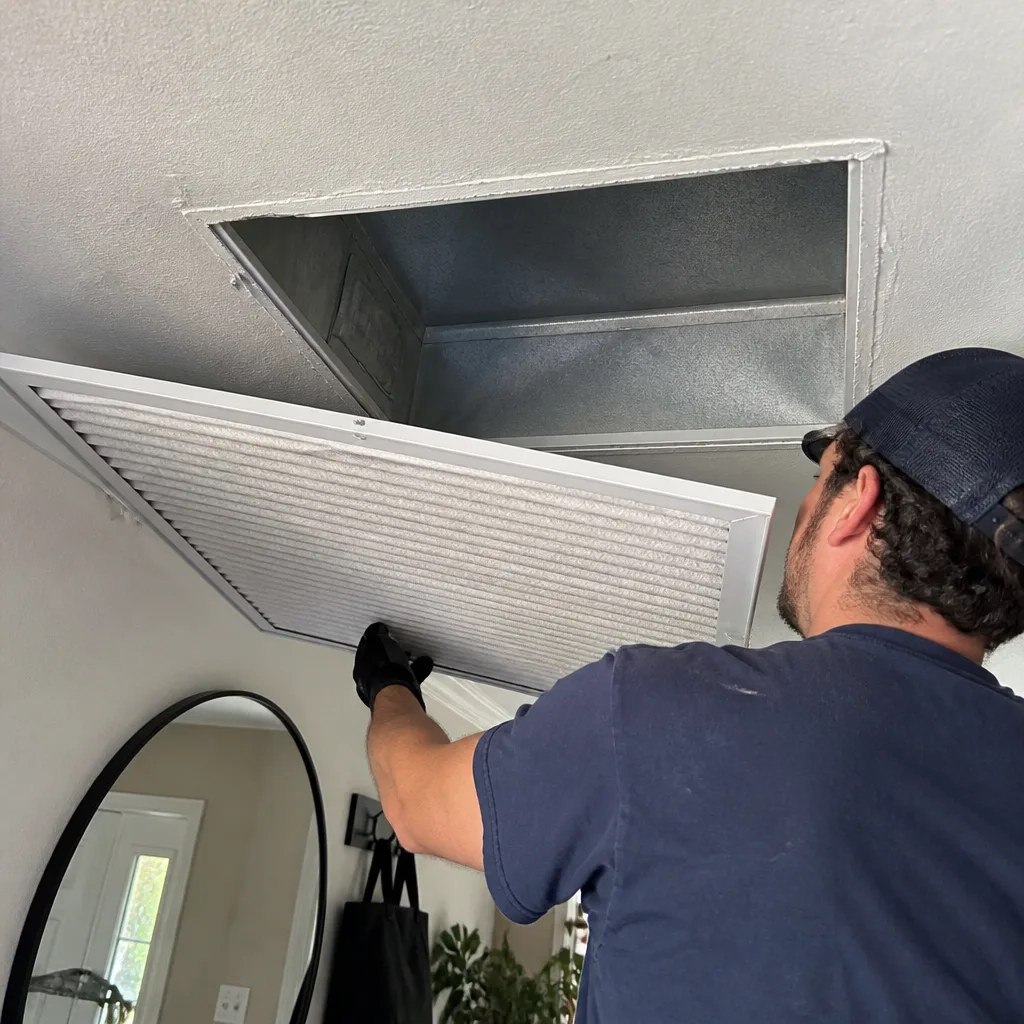 After
After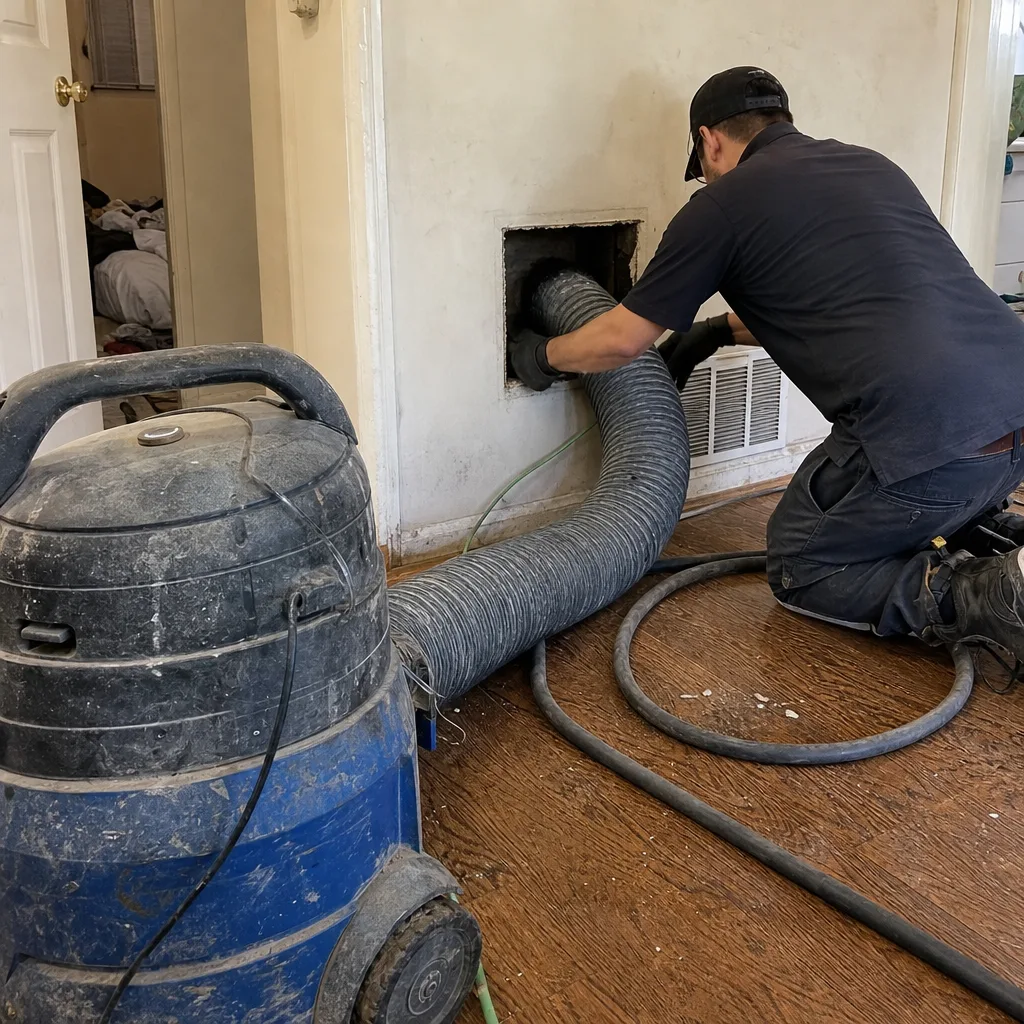 Before
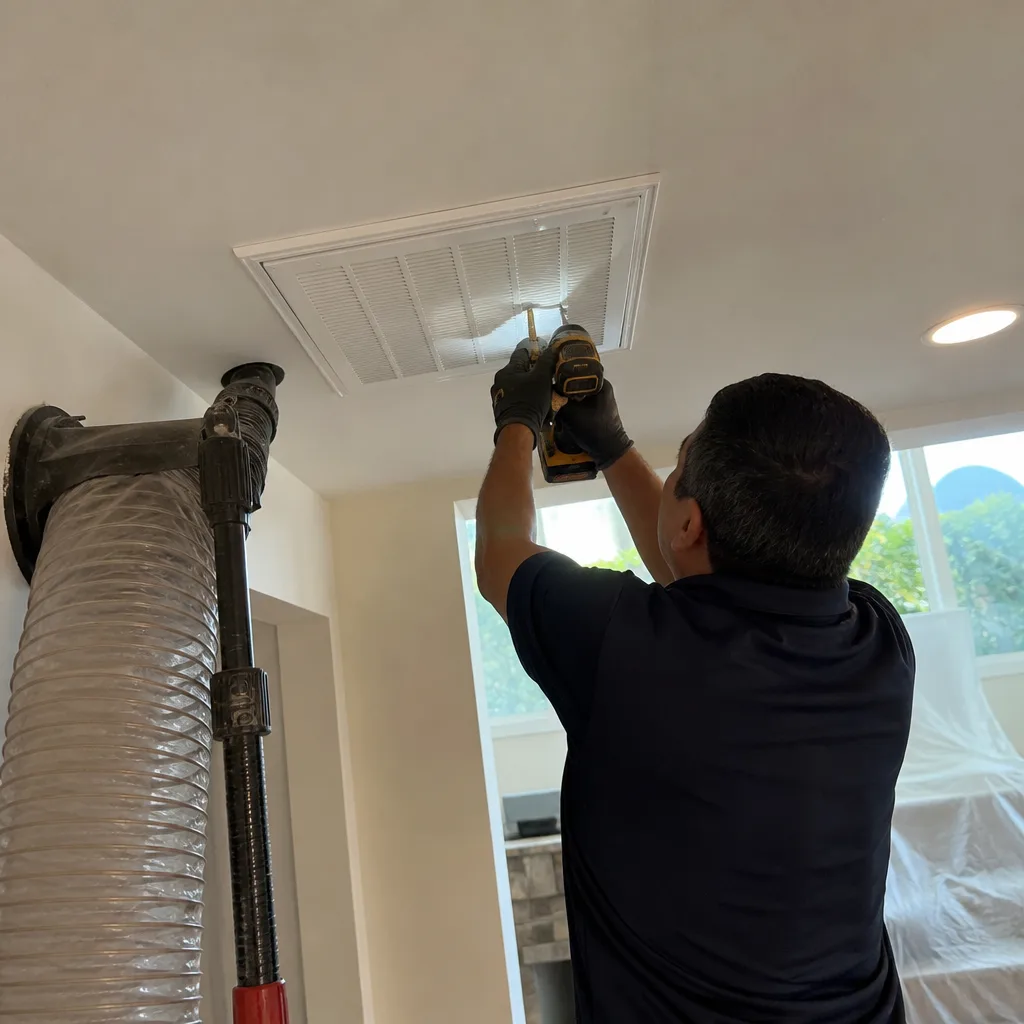 After
AfterRooms That Never Get Enough Air
When one or more rooms in your home consistently get less airflow than the rest, the most common cause is a blockage, restriction, or imbalance somewhere in your duct system. This is almost always a fixable problem once a technician can trace where the airflow is being lost. Air duct cleaning or a targeted duct repair resolves the majority of cases.
Your forced-air system is built around balance. Every room on the plan gets a calculated share of the air your furnace or air handler moves. When something disrupts that balance, whether it’s a crushed flex duct, a vent caked with years of debris, or a disconnected run hidden inside a wall, one room pays the price. The rest of the house feels fine and you live with one room that’s always too warm in summer, always too cold in winter, and never quite right. That’s the problem worth tracking down.
Why It Happens
1. Duct Buildup Cutting Airflow at the Source
Over years of normal use, dust, pet dander, and debris accumulate inside the duct walls and, more critically, pack into the grilles, registers, and the narrow sections near the air handler. A register that hasn’t been pulled and cleaned in a decade can be half-blocked without looking it from the outside. If the weak room is one of the farther runs from your air handler, buildup is almost always a contributing factor. You’ll notice the supply vent blows noticeably softer than other vents on the same system.
2. Crushed, Kinked, or Disconnected Flex Duct
Flexible ductwork is installed in attics, crawl spaces, and between floors. It can be stepped on during attic work, pinched when insulation is added, or simply sag over time until it kinks like a garden hose. A single kink in a six-inch flex run will drop airflow to that room dramatically. If you can access your attic or crawl space safely, look for flex duct that appears bent at a sharp angle, collapsed flat, or lying in a way that seems wrong. Don’t try to reattach or re-secure it yourself – a disconnected run may be sitting on insulation and not visible until a technician uses a camera or follows the run by hand.
3. Leaky Ducts Losing Air Before It Reaches the Room
Duct joints are sealed with mastic compound or metal tape during installation. Both can fail. When a joint separates, conditioned air bleeds into the attic or crawl space instead of the room it was meant to reach. You might notice your energy bills climbing at the same time a room gets weaker – that’s a classic sign that air is being wasted somewhere in the run. A technician can pressure-test the system to find where the leak is.
4. Blocked or Closed Dampers
Many duct systems include manual dampers – small levers or handles on branch ducts, usually near the air handler or in the attic. They’re designed to let you balance airflow between zones. If a damper on that room’s branch was accidentally closed during maintenance or a past inspection, the room simply gets cut off. Check the accessible ductwork near your air handler for any lever that is turned perpendicular to the duct – perpendicular usually means closed. If you can reach it safely and the duct isn’t under any tension or pressure, turning the lever parallel to the duct opens it. If you’re not sure, leave it and let a technician confirm before touching it.
What to Do Right Now
- Check every supply register in the weak room. Remove the grille cover and look inside with a flashlight. Heavy visible buildup that blocks the opening is a clear sign cleaning will help. Photograph what you see – it’s useful for the technician.
- Feel the airflow at other vents on the same system. Hold your hand in front of registers in other rooms and compare. If all the other rooms feel strong and this one doesn’t, the problem is specific to that run, not the system overall. Note this when you call.
- Check your air filter. A clogged filter reduces airflow across the whole system. Pull it out and hold it up to a light. If no light passes through, replace it before anything else – this is a free five-minute fix that occasionally solves the whole problem.
- Do not attempt to access flex ductwork in the attic or crawl space yourself. Both spaces carry risks – attic decking may not support your weight in every section, and crawl spaces can have moisture, sharp fasteners, or pest concerns. If you suspect a crushed or disconnected duct run, leave it for a technician with the right equipment.
- Photograph what you can see and write down when the problem started. Did it get worse after a renovation, an HVAC service, or a particularly dusty season? That timeline helps a technician diagnose faster and gives you a record before work begins.
How We Fix It
When your local Linden Air Duct Cleaning team arrives, the first thing we do is walk the system with you. We want to hear where the problem shows up and for how long. From there, a technician traces the affected run, checks airflow at the supply and return, and uses a camera or inspection light to identify where the restriction or breach is.
If the cause is buildup, we clean the ducts using professional-grade Rotobrush and Nikro equipment, which agitates debris from the duct walls and captures it before it recirculates. If the cause is a damaged, separated, or disconnected section, that’s an air duct repair job – we seal or replace the affected run and back the work with a written guarantee. If a repair fails, we come back at no charge.
Before any work starts, you’ll have the price in writing. That’s not a policy we apply sometimes; it’s how every single job works. Most visits take two to four hours depending on system size and what we find. We’ll tell you what we found before we fix it and show you after.
Frequently Asked Questions
In most cases it won’t become a safety emergency overnight, but it does put real strain on your HVAC system over time – a system working harder to compensate for an imbalanced run runs hotter and wears faster. If the weak room is a bedroom used regularly, or if you’re heading into extreme heat or cold, it’s worth getting it looked at sooner rather than later. Call us at (980) 447-2498 and we can help you decide how urgent your specific situation is.
If only one room is affected and all other rooms feel normal, the unit itself is almost certainly fine – a failing blower motor or refrigerant issue would affect the whole house, not one run. One weak room points to a problem between the air handler and that room specifically, which is the ductwork. A technician can confirm this quickly at the start of the visit.
The honest answer is: it depends on what we find. A cleaning job is priced differently from a duct repair, and a repair involving one disconnected joint is priced differently from a longer run replacement. What we can promise is this: you’ll have the exact price in writing before we touch anything. Call (980) 447-2498 to schedule a visit and get your written estimate – there’s no charge for the estimate and no obligation to proceed.
Our phones are answered by a live person every hour of every day, including weekends, so you can always reach someone to talk through what’s happening and get on the schedule. Your local Linden Air Duct Cleaning team sets appointment windows based on current availability in your area. Call (980) 447-2498 and we’ll tell you exactly when we can get to you.
Get It Fixed
If a room in your home has never gotten enough air, your local Linden Air Duct Cleaning team can find out why. Call (980) 447-2498 any time – a real person will answer. We’ll put the price in writing before work starts and back every repair with our 365-Day Done Right Promise.
Written by Marcus Veale, Owner at Linden Air Duct Cleaning, part of the Threshold Group family serving homeowners since 2004.
What Our Customers Say
"I liked that I knew who was coming in. Name and photo texted ahead, badge at the door. He was quiet, careful with the furniture, and thorough."
- Cheryl A."Thorough job on all eleven vents and the main trunk. Took longer than the three hours they quoted, but he told me early and kept working. Air feels fresher."
- Meredith L."Tech arrived with a badge and a printed sheet of what he'd be doing. Ran a camera through the main trunk before and after so I could see the dust difference. Vents smell cleaner already."
- Gina R.