
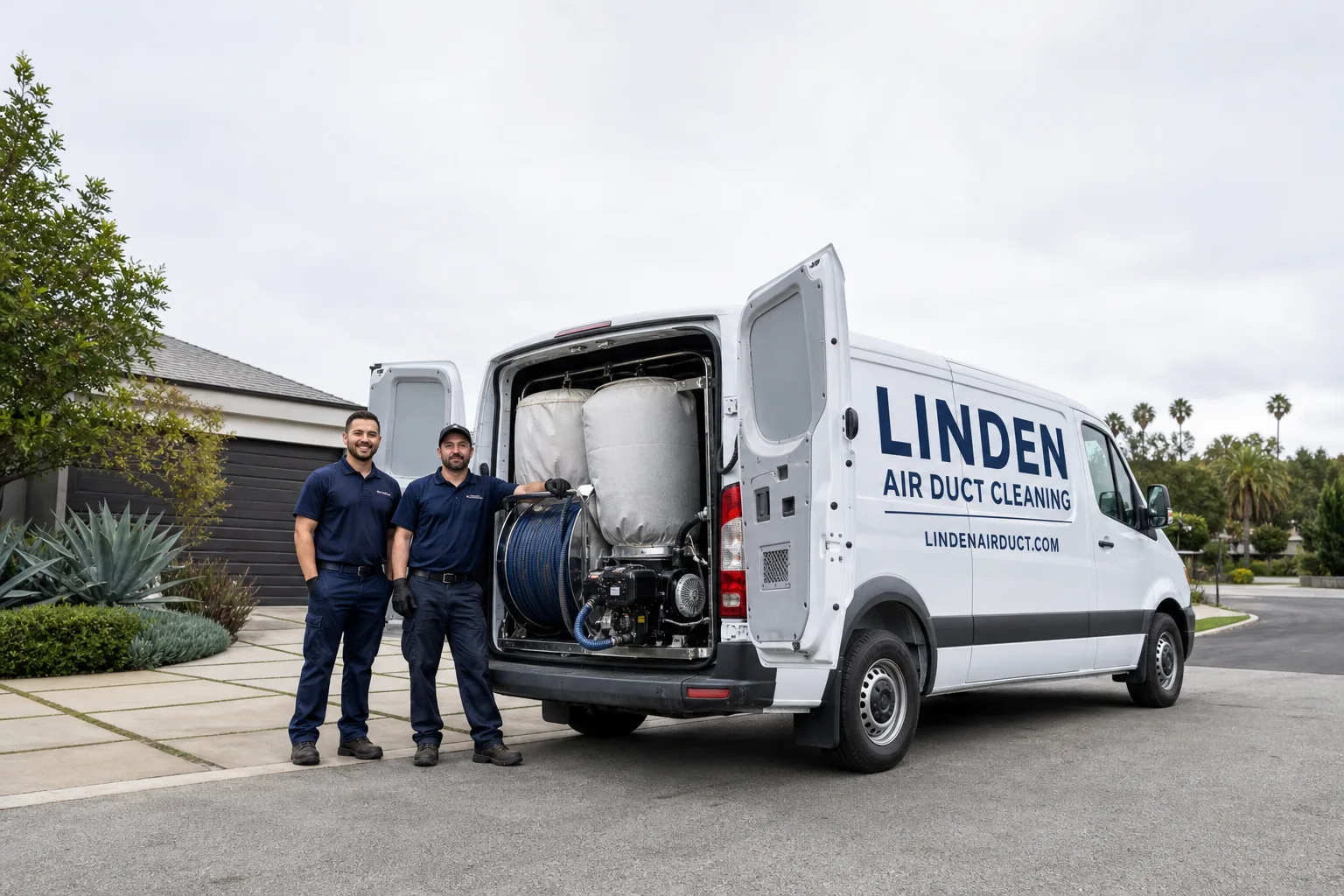
Whole-system duct and dryer vent check with before-and-after photos - you see exactly what came out of your vents
That "$99 whole-house special" is a bait ad - the real number appears once they are in your hallway, or the "clean" is a shop-vac at the register. We photograph the inside of your ducts before and after instead.
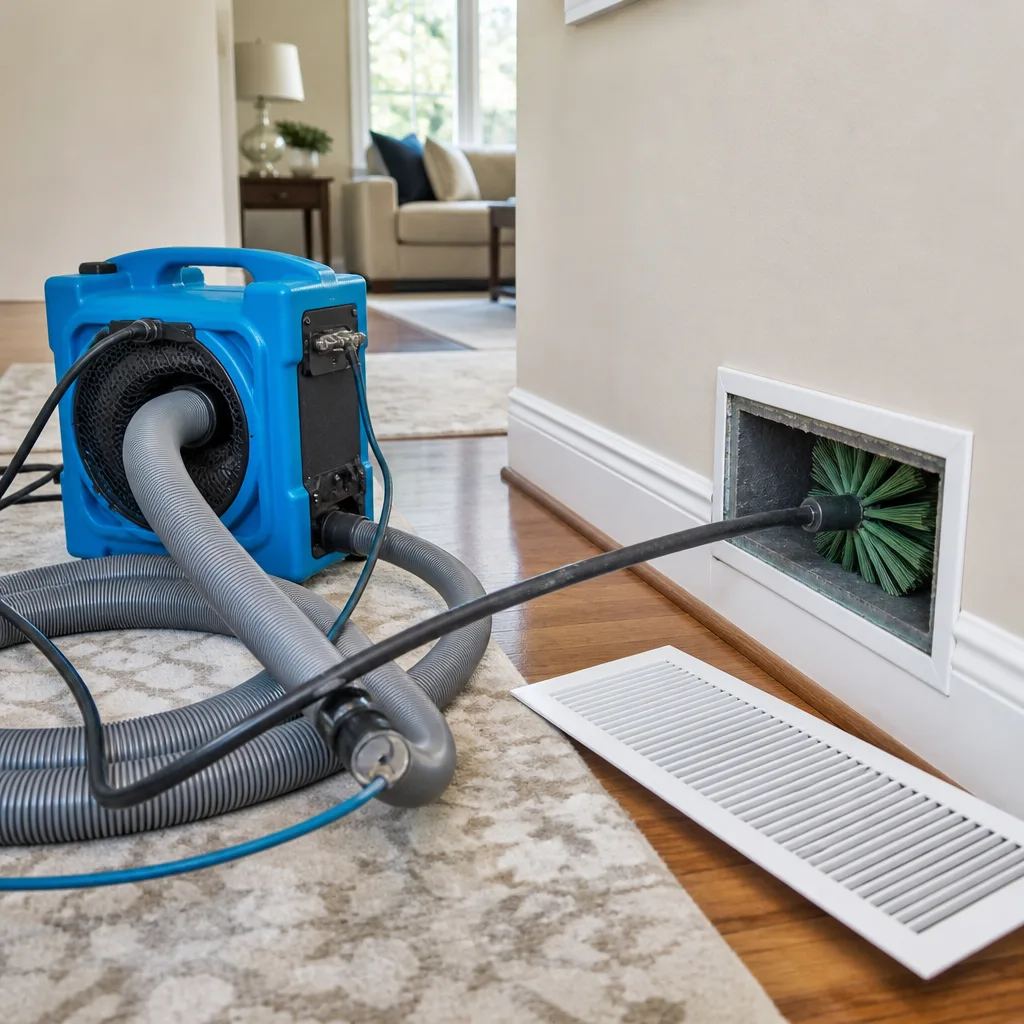
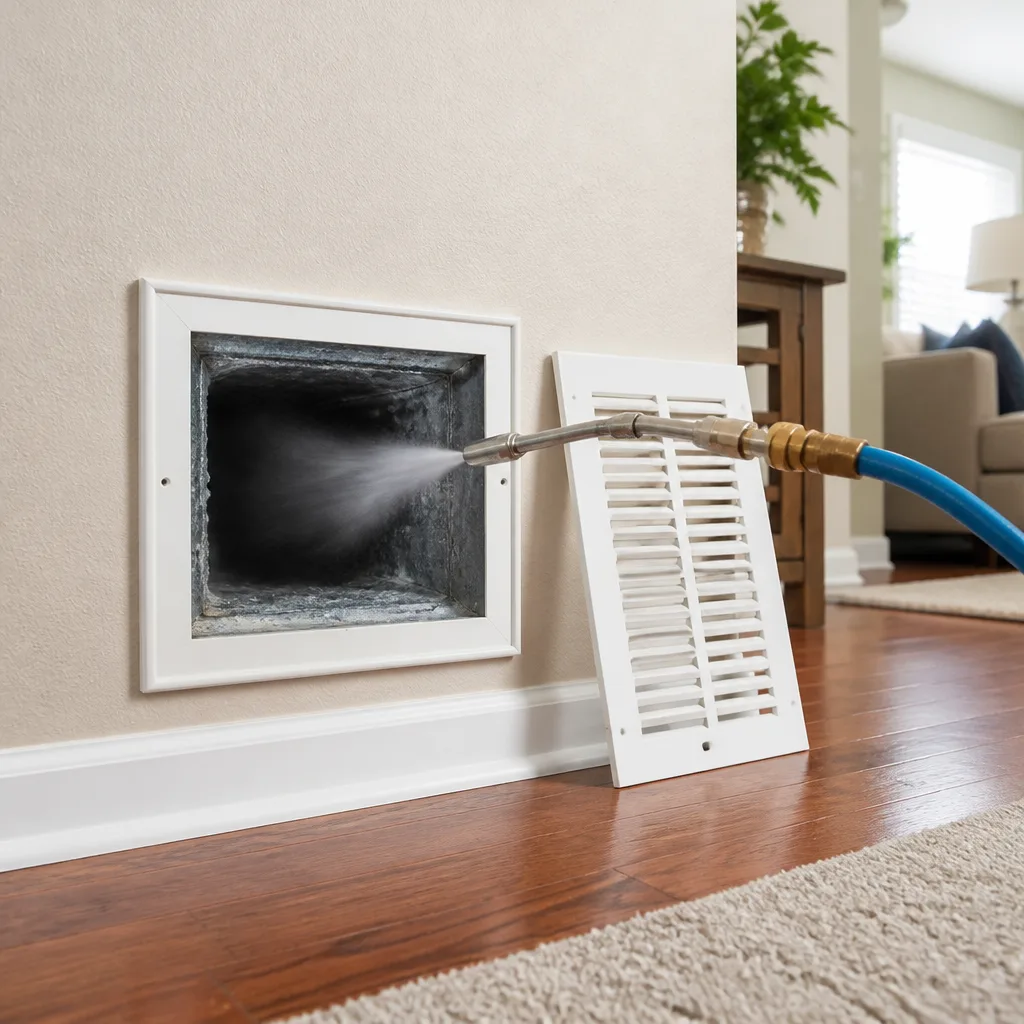
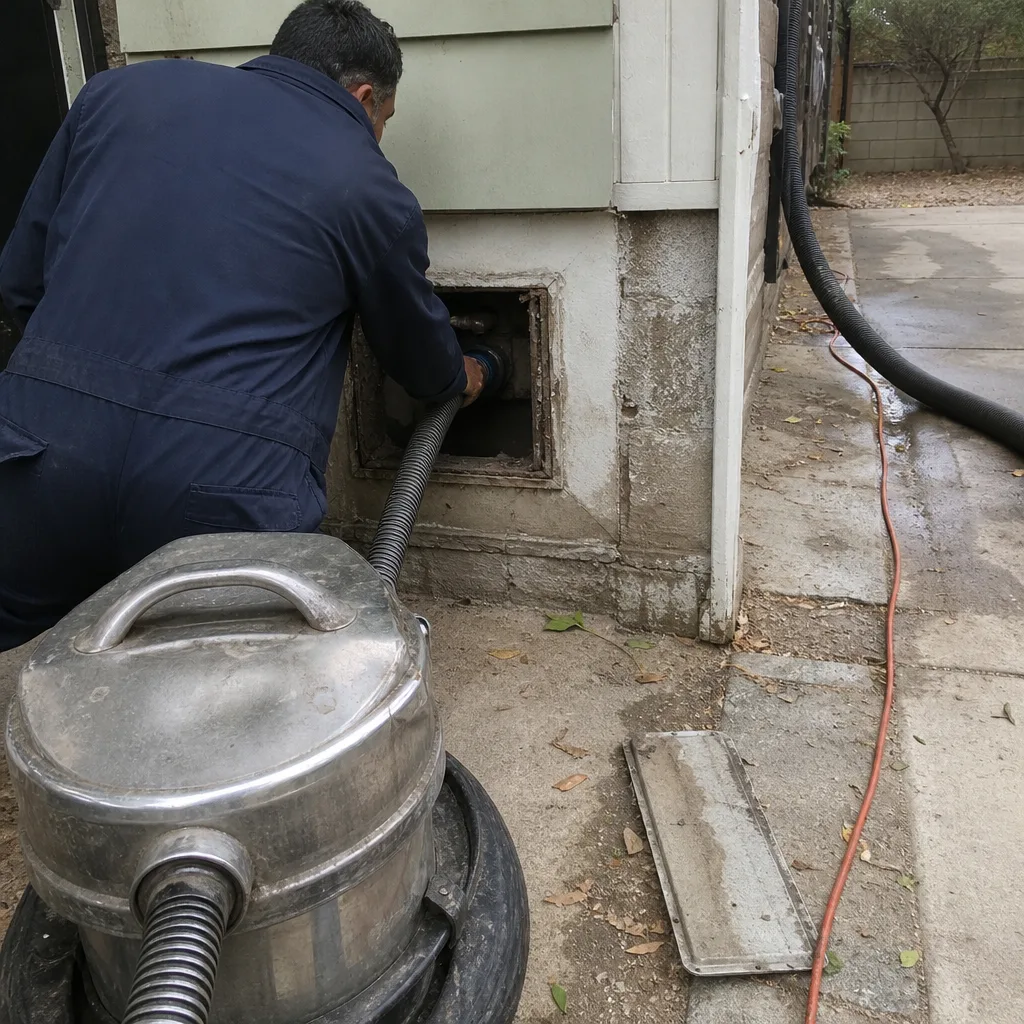 Before
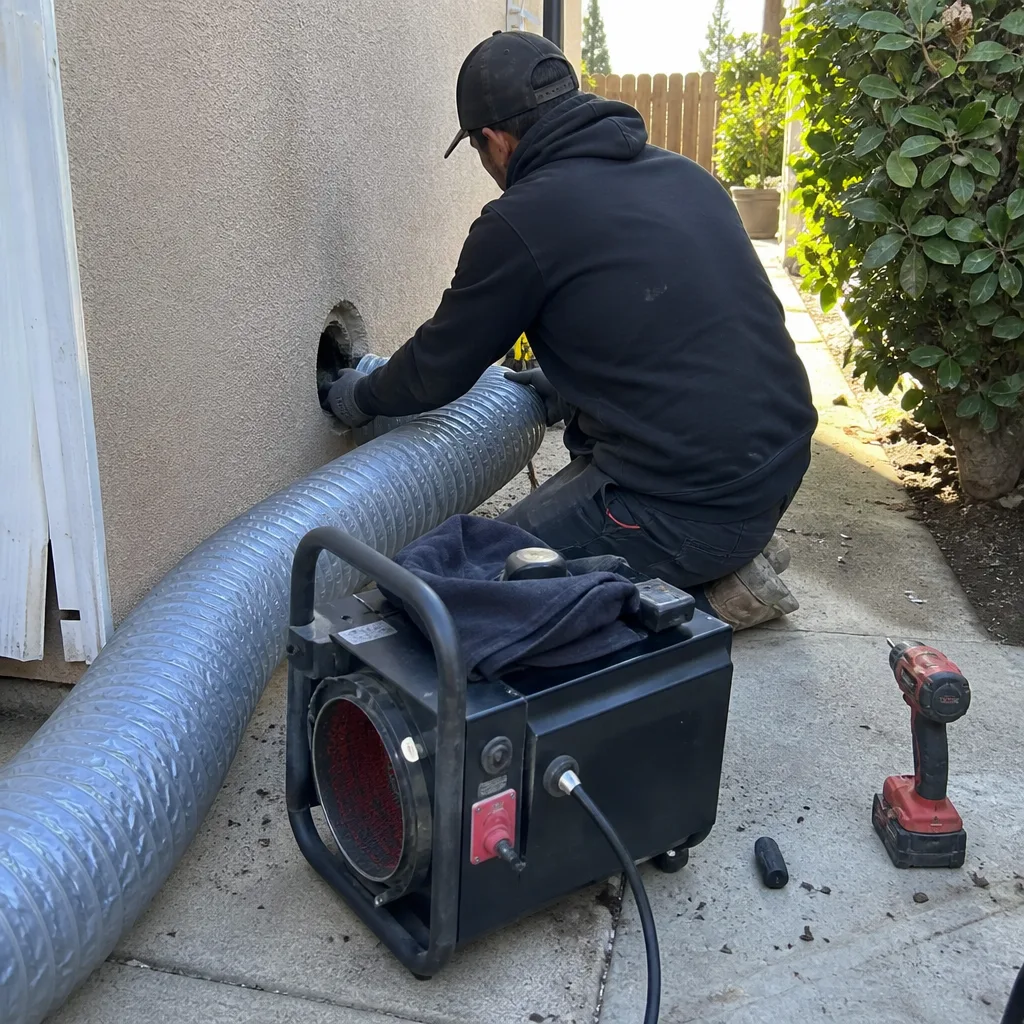 After
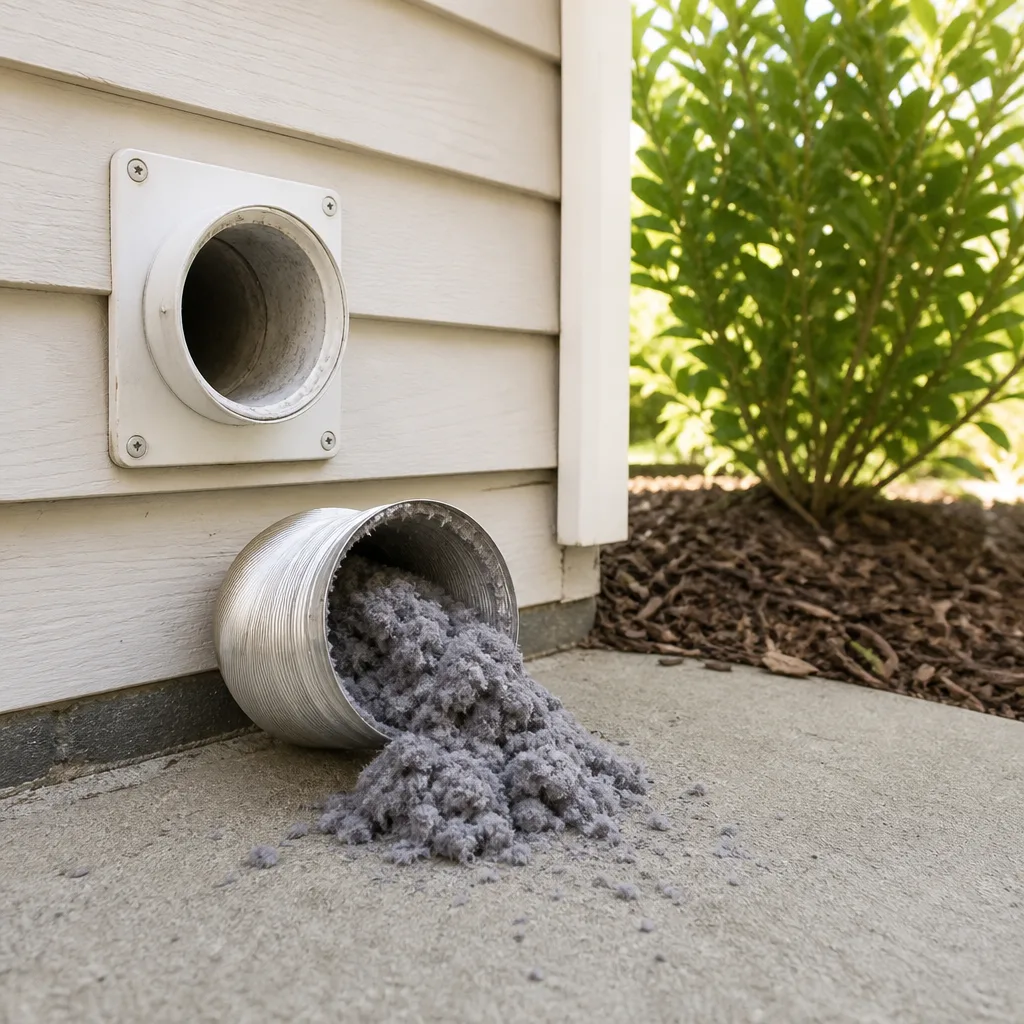
After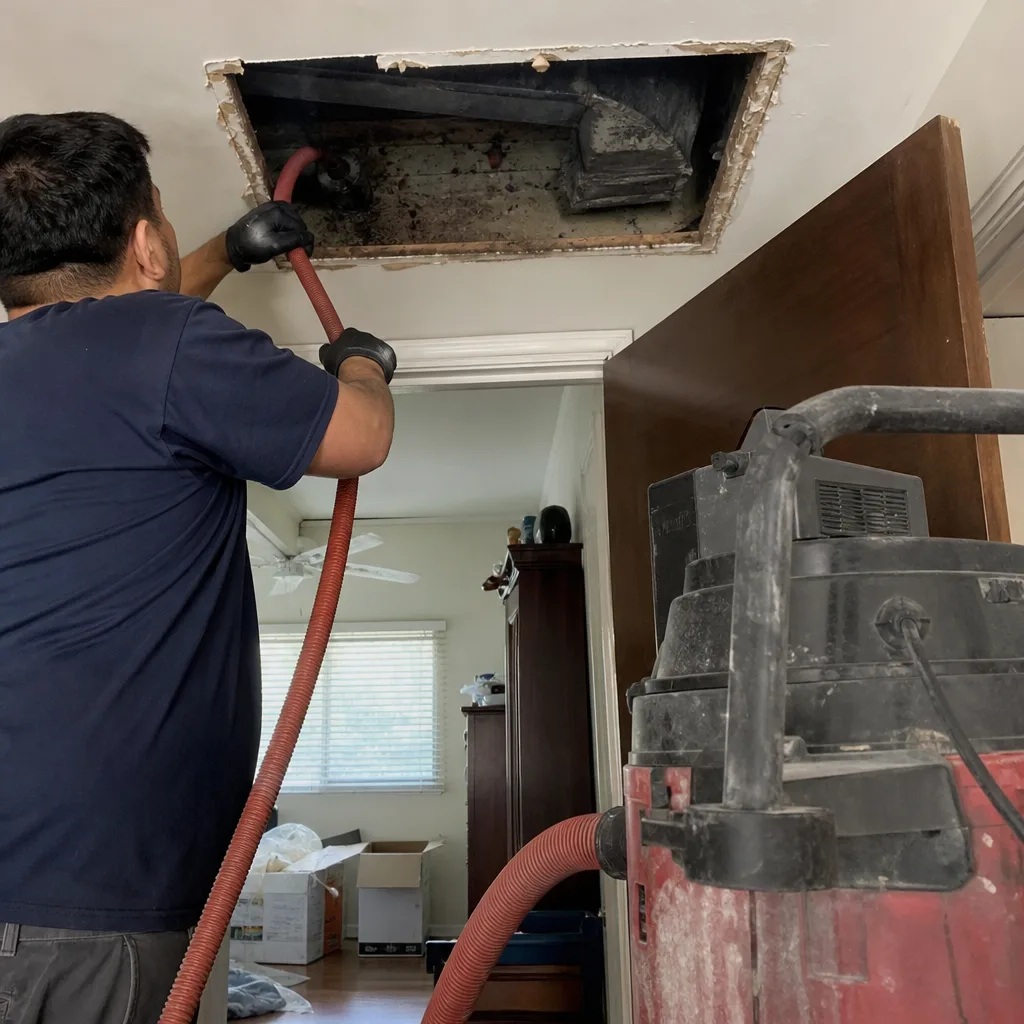 Before
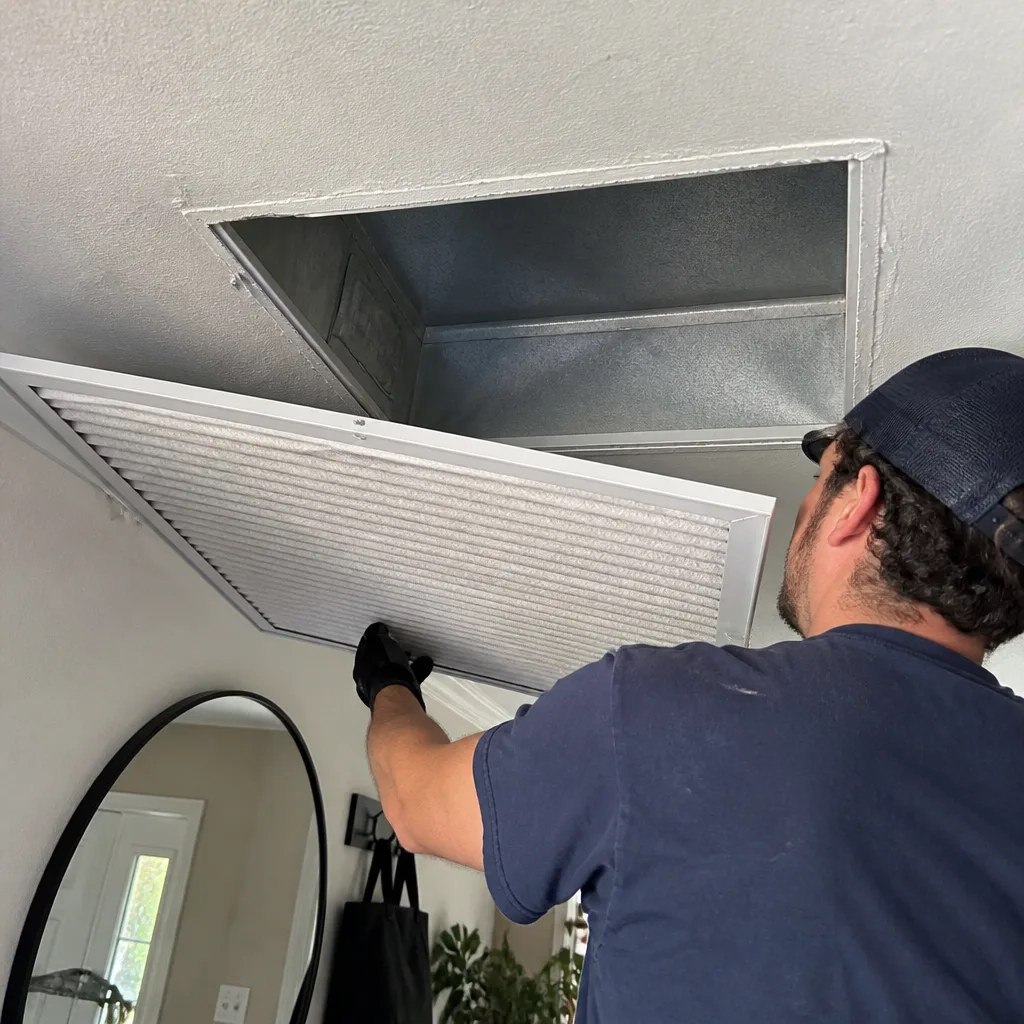 After
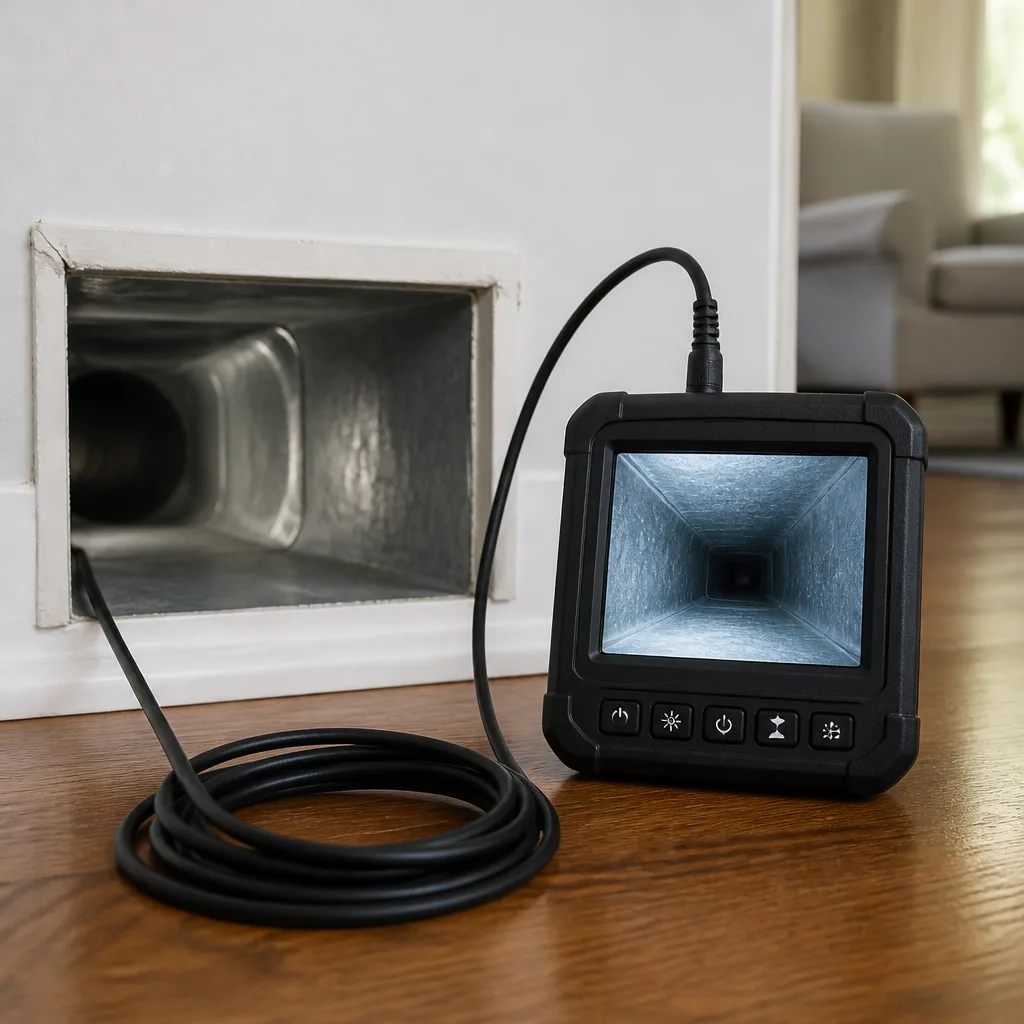
After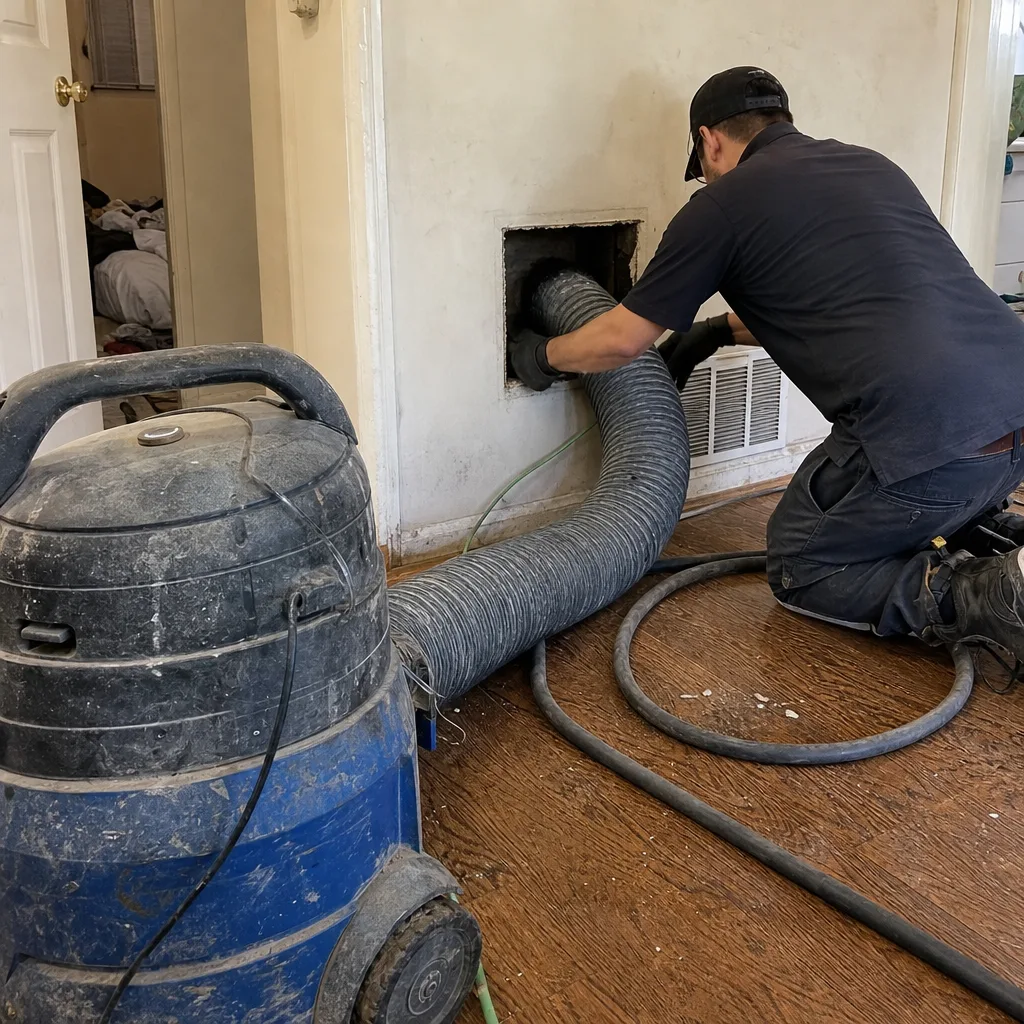 Before
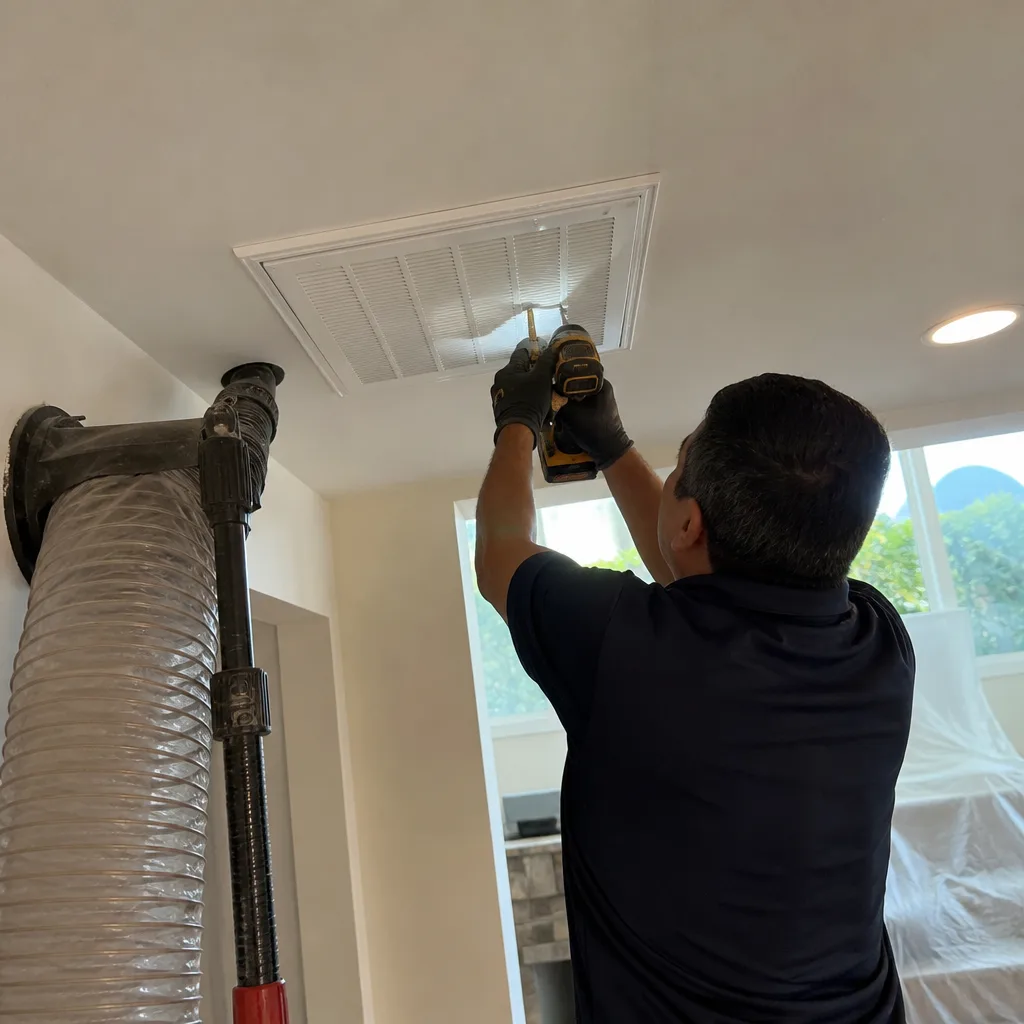 After
AfterFast, Reliable Air Duct Repair Across Chicago
Air duct repair in Chicago typically runs $350 – $1,400 depending on whether we’re sealing leaking joints on an original gravity trunk, replacing a crushed takeoff, or re-engineering an entire basement run. Most jobs are completed in a single visit, and every repair is covered in writing with a free second visit if it fails within 365 days. If you’re seeing soot-colored dust at your registers in Portage Park or Jefferson Park, or a blower motor that runs hot no matter what, the problem is rarely the furnace. It’s what the furnace is pushing air through. Call us at (980) 447-2498 and we’ll tell you exactly what we find before any work begins.
Marcus Veale opened Air Duct Repair in Chicago because the city’s housing stock demands a different kind of duct work. A 1920s brick bungalow on the northwest side shares almost nothing with a 1990s house in Naperville, and treating them the same way leaves the real problem untouched. We’ve spent years pulling camera systems through Chicago’s oversized gravity trunks, finding crushed takeoffs, coal soot from the 1940s, and joints that haven’t held air in decades. That’s the job.
Key Takeaways
- Most Chicago duct repair jobs cost $350 – $1,400, with whole-trunk sealing or replacement running higher.
- Pre-war bungalows need different repair scopes than newer construction because their duct runs were retrofitted, not designed, for forced air.
- The Threshold Standard means the technician’s name and photo arrive before the visit, and a photo ID is shown at the door.
- Every repair carries a written 365-Day Done Right Promise, including a free second visit if the repair fails.
Why Linden Air Duct Cleaning Is Chicago’s Preferred Air Duct Repair Company
Chicago homeowners don’t let strangers into their homes on a coupon. They want to know who’s coming through the door, and that’s exactly what we provide, every time. The Threshold Standard means every technician is background-checked, identity-verified, and arrives in a clean, marked uniform. Before the visit, you get the tech’s name and photo. At the door, they show a photo ID badge. In a city of two-flats and greystones where people are often home alone with young kids, that’s not a nice-to-have. It’s the baseline.
We’ve built our reputation in Chicago’s bungalow belt the hard way: by finding what other companies miss. In Jefferson Park and Dunning, our techs routinely open cleanouts and find original 1940s sheet-metal trunks still blackened with coal soot. In Portage Park, we’ve found crushed takeoffs that no standard cleaning or Dryer Vent Cleaning in Chicago would ever reveal. The city’s housing stock is old enough that the duct system itself is usually the problem, and we’ve spent since 2004 learning how to see that.
Our crews serve Chicago from our local office, which means scheduling doesn’t route through a call center in another state. A live person answers the phone 24 hours a day, 7 days a week. No voicemail loops, no callback queues. You call, a human picks up, and by the end of the conversation you know what the job will cost.
Ductwork Repair in Chicago
Ductwork Repair in Chicago is almost never a standard patch-and-go job, because so much of the city’s housing stock was built before forced-air furnaces existed. On a 1920s bungalow, the original gravity warm-air system used 12-to-20-inch sheet-metal trunk lines to move heat by convection. When someone retrofitted a forced-air blower decades later, those trunks stayed. They’re physically massive, crimped at every joint, and frequently uninsulated. Repairing them properly means sealing those joints so the blower can actually build static pressure, not just pumping more air into a leaky skeleton.
Sealing Leaks on Original Trunks
Most Chicago systems leak at the crimped joints where one section of galvanized pipe slides into the next. When those joints fail, air dumps into the basement or wall chase instead of reaching the supply registers. The result is rooms that never get comfortable, a blower motor running at full tilt all winter and summer, and dust that bypasses the filter entirely. We seal those joints with mastic rated for the thermal swing Chicago puts ducts through.
Repairing Crushed or Disconnected Takeoffs
In older Chicago basements, branch ducts often run tight against joists and plumbing. We’ve opened systems where a takeoff was flattened by a toilet drain replacement, completely disconnected, or blocked with material pushed in from a previous renovation. Camera inspection tells us which one without ripping open drywall or guessing. The repair cost depends on access, but a typical crushed-takeoff fix in a Chicago two-flat runs $400 – $900.
Duct Replacement in Chicago
Duct Replacement in Chicago is the honest answer when a trunk line has outlived its function. A 1920s gravity trunk retrofitted for forced air is sometimes too large, too leaky, or too contaminated to salvage. When we find coal soot packed into the corrugations, rodent nesting material compressed into horizontal basement runs, or sections that have sagged and lost structural integrity, sealing won’t fix the problem. Replacing the affected run is the only repair that holds.
Replacing Soiled or Crushed Trunk Sections
We don’t replace ductwork that can be cleaned and sealed. But some Chicago basements hold trunks that haven’t moved air correctly since Eisenhower was in office. In those cases, we remove the affected section and install insulated, properly sized duct that matches the air handler’s actual CFM. A typical partial trunk replacement in a Chicago bungalow runs $1,000 – $2,500 depending on length and access.
Upgrading Uninsulated Runs
Chicago’s winter-to-summer thermal swing is brutal on uninsulated sheet metal. A basement duct at 65°F carrying 120°F supply air in January sweats. That condensation collects dust, feeds mold, and eventually rots the seam. When we replace or reline those runs, insulation isn’t optional. It’s the repair, not an add-on.
Trusted Brands We Service in Chicago
We work on all makes and models, but we see a lot of Aprilaire filtration systems and Honeywell zoning controls in Chicago’s older homes, often bolted onto furnace systems that predate both. When a contractor installed new equipment onto original ductwork, the junctions are frequently where leaks develop. Our techs carry the common parts and sealants for those brands, plus professional-grade equipment from Nikro and Abatement Technologies for source removal and air-quality work. If you’re in Chicago and your Aprilaire-mounted filter housing is pulling unfiltered air through a loose seam, we can usually fix the duct and the mounting plate in one visit, without telling you to call someone else.
Common Air Duct Repair Problems We See in Chicago Homes
- Coal soot inside gravity trunks. Homes built before 1950 often burned coal. If the trunk was reused during a forced-air retrofit, that soot is still lining the sheet metal and will puff out through registers forever unless it’s removed and the joints sealed.
- Mold from condensation points. Uninsulated duct runs against basement walls or exterior chases sweat at Chicago’s winter-to-summer temperature gradient. The wet surface collects dust, then mold colonizes. A cleaning alone won’t fix it; the duct needs sealing first.
- Crushed takeoffs and sagging runs. A century of renovations, plumbing replacements, and basement storage takes a toll. Ducts get flattened by toolboxes and squashed by new drain lines. When airflow drops, the blower works harder and runs hotter.
- Oversized trunk starving the blower. A retrofitted forced-air system on a 16-inch gravity trunk often can’t build enough static pressure. The equipment reads as broken, but the real issue is an unbalanced, unsealed trunk demanding more air than it can move.
Pricing for Air Duct Repair in Chicago, IL
Most Chicago air duct repair jobs land between $350 and $1,400. Sealing individual joints on an exposed trunk runs toward the lower end. Replacing a crushed takeoff with access through a cleanout is mid-range. Full trunk replacement with insulation can reach $2,500 on a large bungalow basement. No per-vent pricing, no bait-and-switch. We write the exact price before any work begins, and that’s the price. Every repair includes a written guarantee, and if a covered repair fails within 365 days we return at no charge to make it right. That’s the 365-Day Done Right Promise, and it’s not promotional language. It’s on every job.
We Also Serve Cities Near Chicago
Our crews work throughout the metro area, including Evanston, Oak Park, Cicero, Berwyn, and Skokie. If your home sits in one of the close-in suburbs and you’re dealing with the same older duct issues we see every day in Air Duct Repair in Chicago, call us at (980) 447-2498 and we’ll schedule a visit.
Serving Chicago, IL - Our Local Coverage Area
We’re based in the Chicago area and know this community well. Use the map below to see our service coverage - if you’re nearby, we can almost certainly help.
FAQs About Air Duct Repair in Chicago
Because your bungalow’s ductwork was never designed for forced air. It was built for a gravity octopus furnace that moved heat by convection through 12-to-20-inch trunks. When someone added a blower decades later, those oversized, uninsulated trunks stayed. Repairing that system means sealing joints and balancing airflow for equipment that the original ducts were never meant to support, which is a completely different scope than a 1990s suburban house with properly sized, insulated runs. Call (980) 447-2498 and we’ll tell you exactly what your system needs.
Usually, yes. In Jefferson Park, Portage Park, and Dunning, homes built before roughly 1950 frequently burned coal, and the original sheet-metal trunks carry that soot until someone removes it. If your registers are discharging fine black grit when the blower kicks on, the trunk lining is the likely source. We can camera-inspect the run and confirm it before any work starts. A standard cleaning won’t fully resolve it; the soot is bonded to the metal and needs source removal under negative pressure.
Because Chicago’s climate forces condensation inside uninsulated ducts. When a subzero exterior meets a heated interior, the thermal gradient creates dew points inside basement runs and wall chases. The sheet metal sweats, dust sticks to the moisture, and mold follows. If we find mold during a repair inspection, the duct has to be sealed before any cleaning makes sense. Otherwise the growth returns in the next heating season.
We run a camera through the duct before we recommend anything. If the trunk is structurally sound and the joints are sealing properly with mastic, repair is the right call. If it’s crushed, sagging, or so contaminated that cleaning can’t remove the bonded buildup, replacement is the honest answer. We’ll show you the footage so you can see exactly what we’re seeing, and the price is written before any work begins.
Yes, measurably worse. Chicago’s forced-air systems run at near-maximum load in both heating and cooling seasons, which accelerates dust and lint buildup inside ducts. The Lake Michigan humidity compounds it, creating condensation points that drier markets like Indianapolis don’t experience. That means a leaking duct in Chicago is more likely to become a mold problem, and more likely to leak enough conditioned air to matter. If you suspect your ductwork is underperforming, call us at (980) 447-2498 for a camera inspection and a written quote.
Written by Marcus Veale, Owner at Linden Air Duct Cleaning, serving Chicago and the surrounding metro area since 2004.