
Last updated October 8, 2026
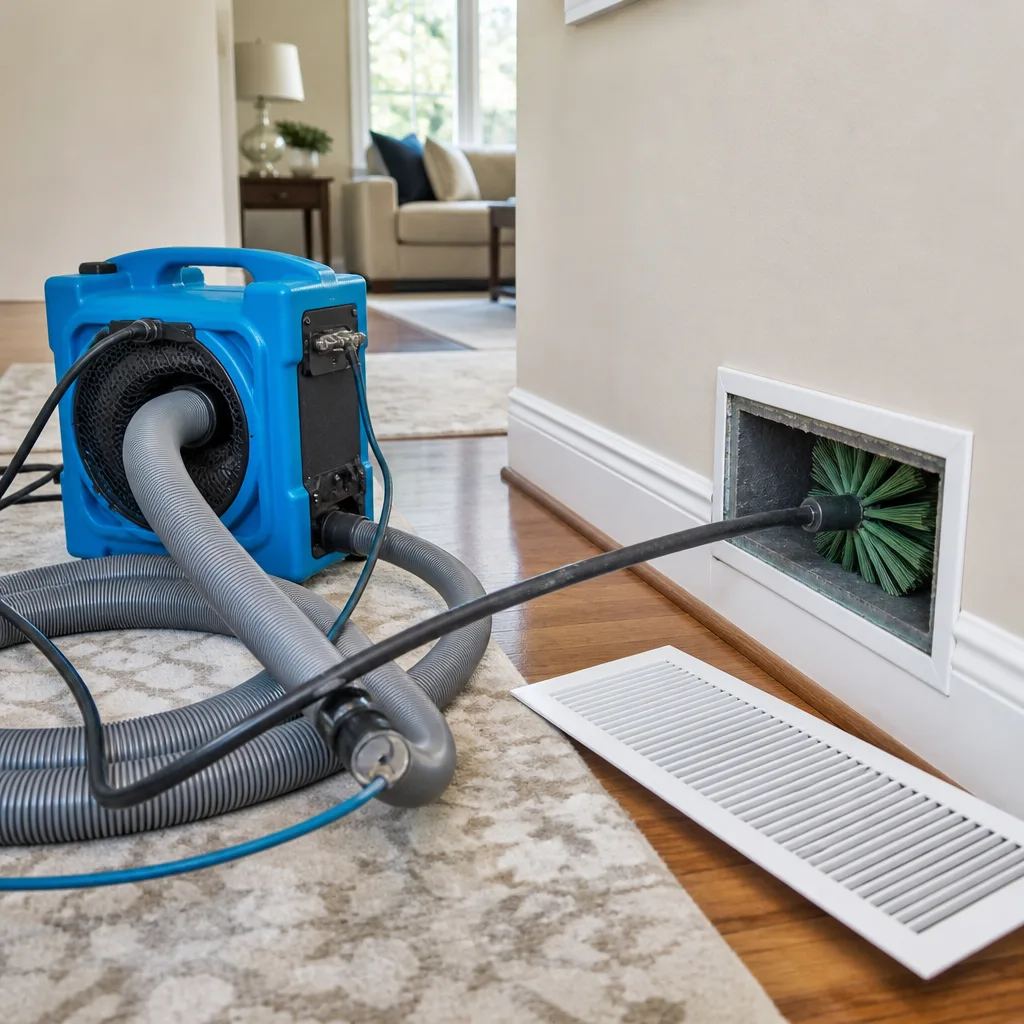
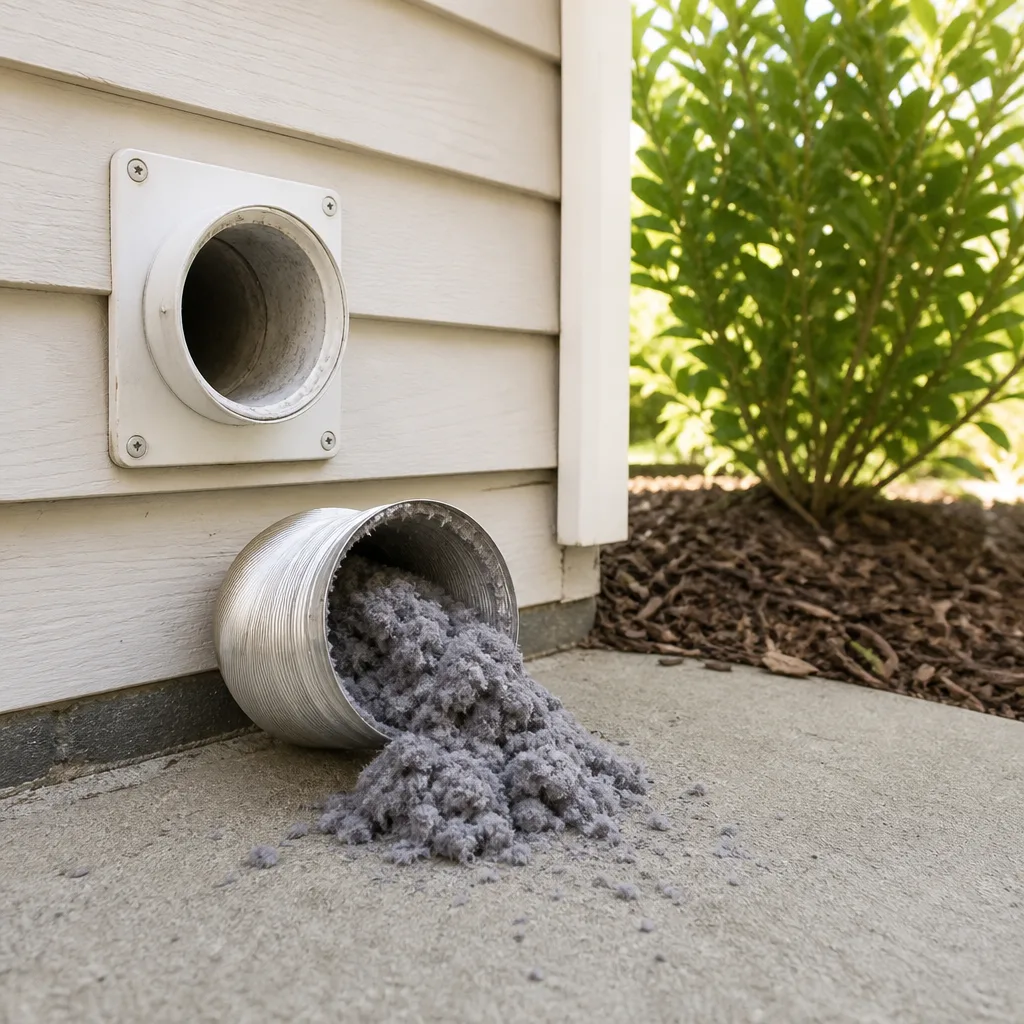
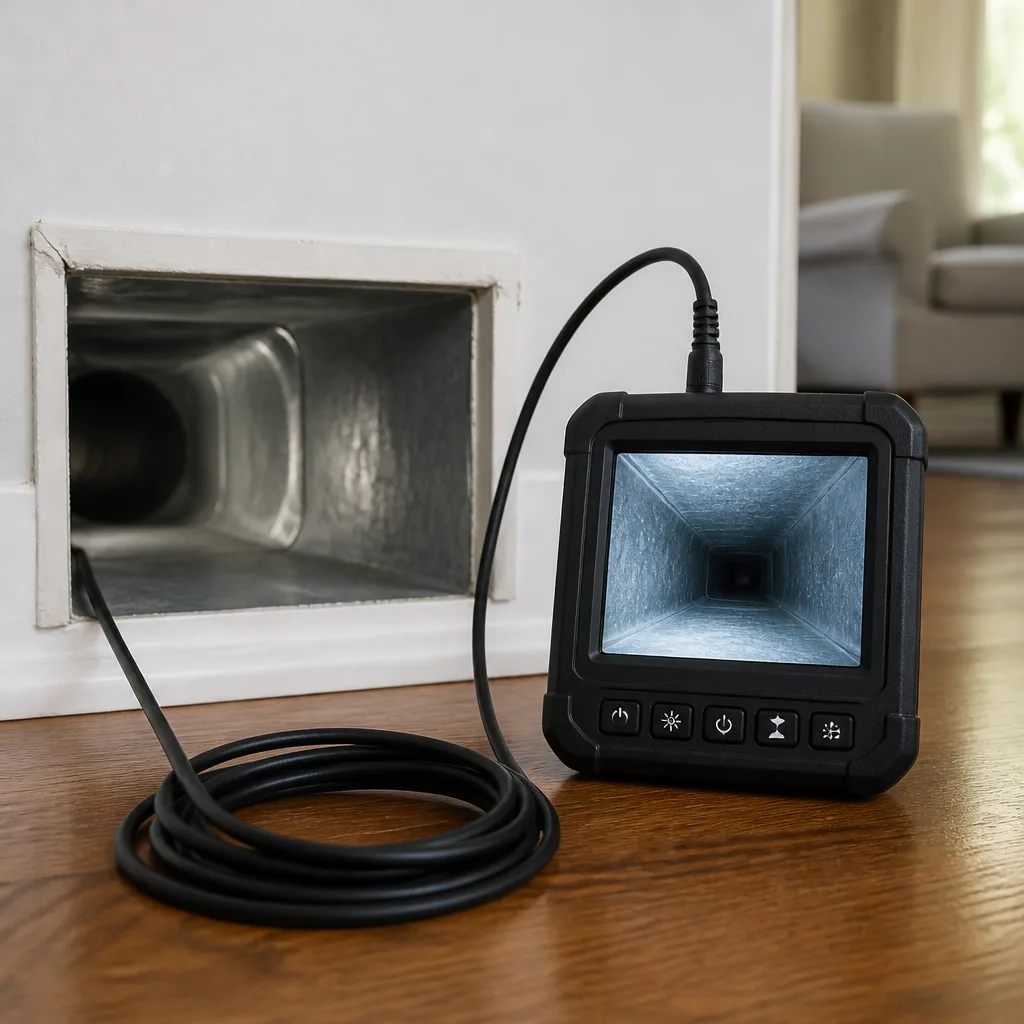
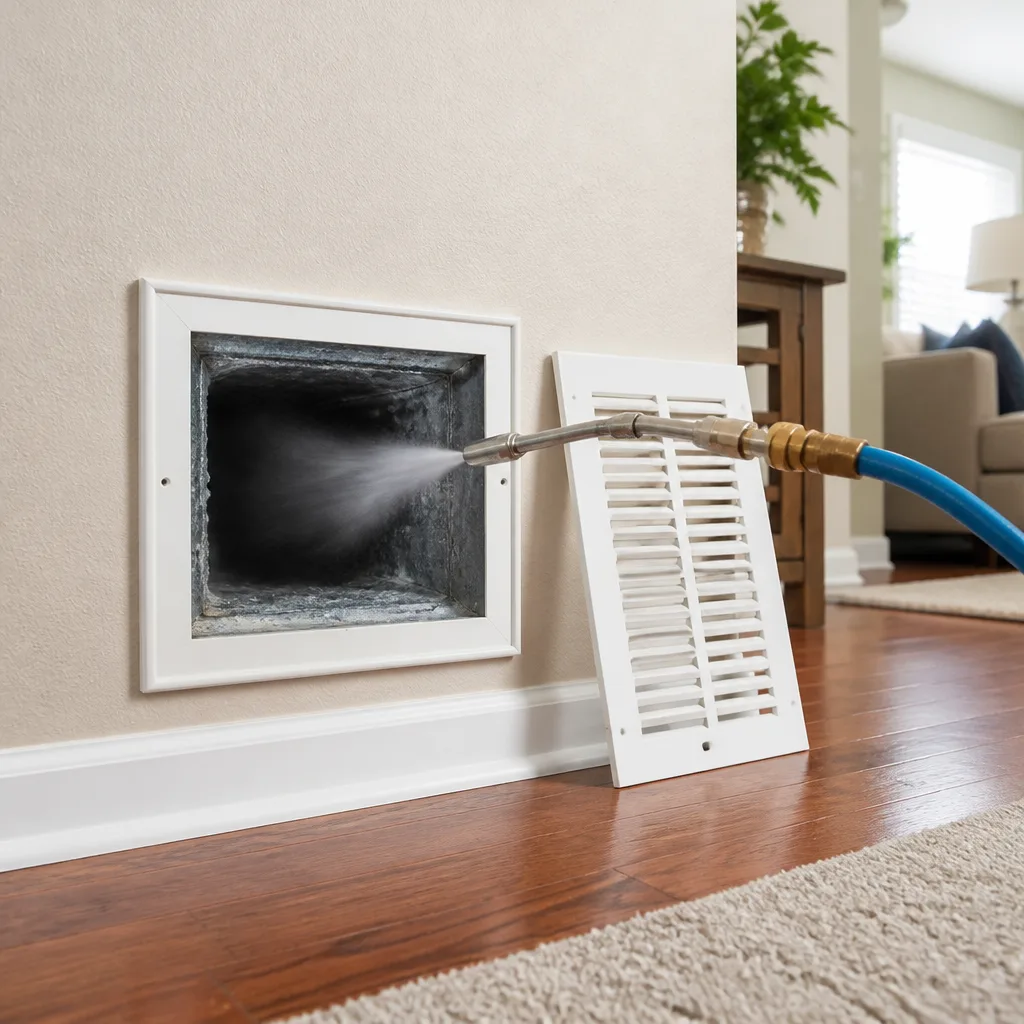
Whole-system duct and dryer vent check with before-and-after photos - you see exactly what came out of your vents
That "$99 whole-house special" is a bait ad - the real number appears once they are in your hallway, or the "clean" is a shop-vac at the register. We photograph the inside of your ducts before and after instead.
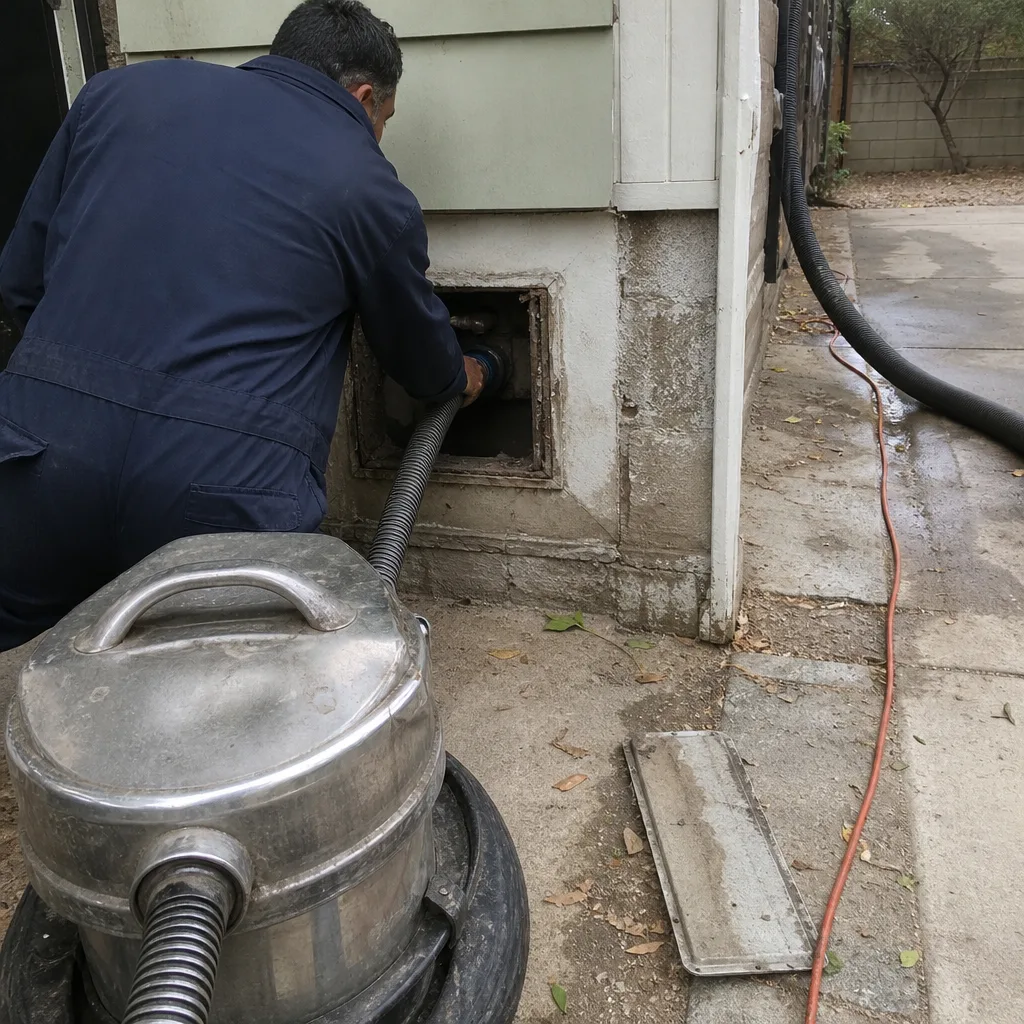 Before
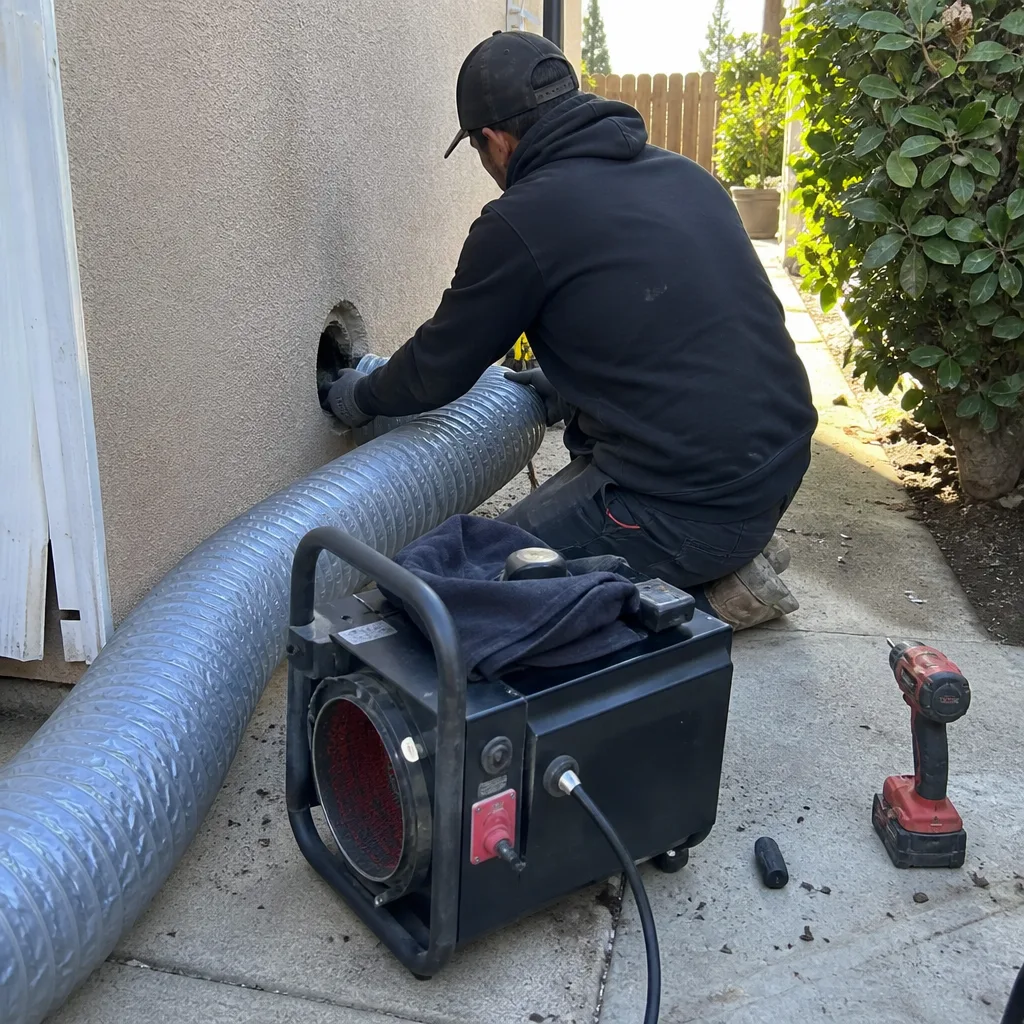 After
After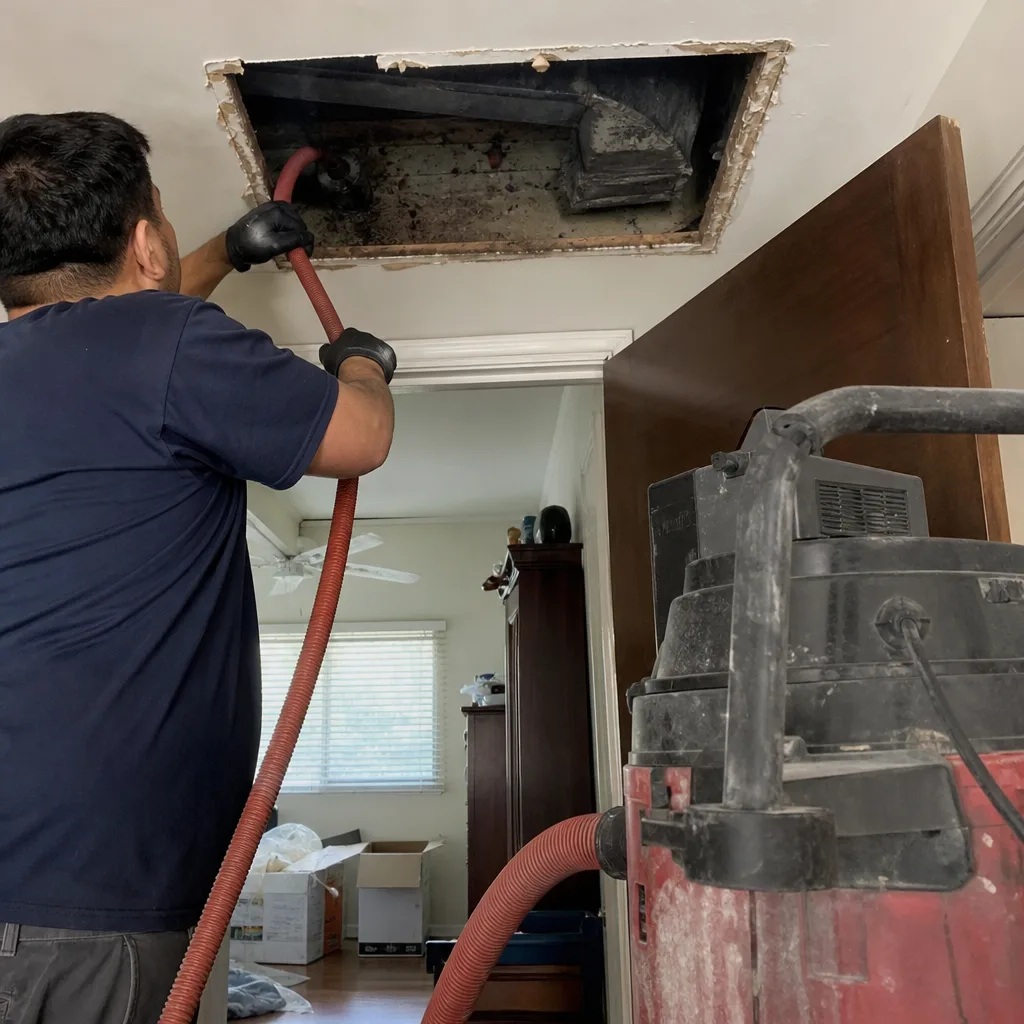 Before
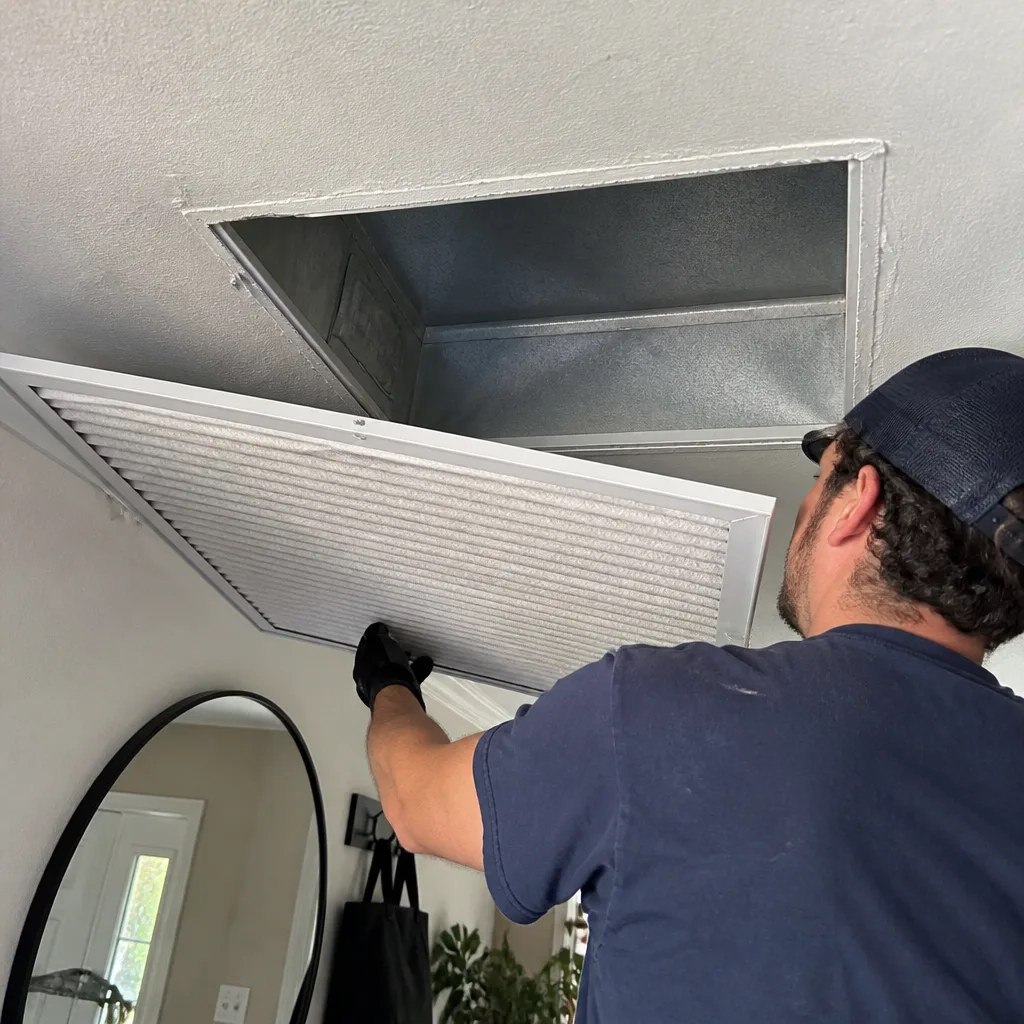 After
After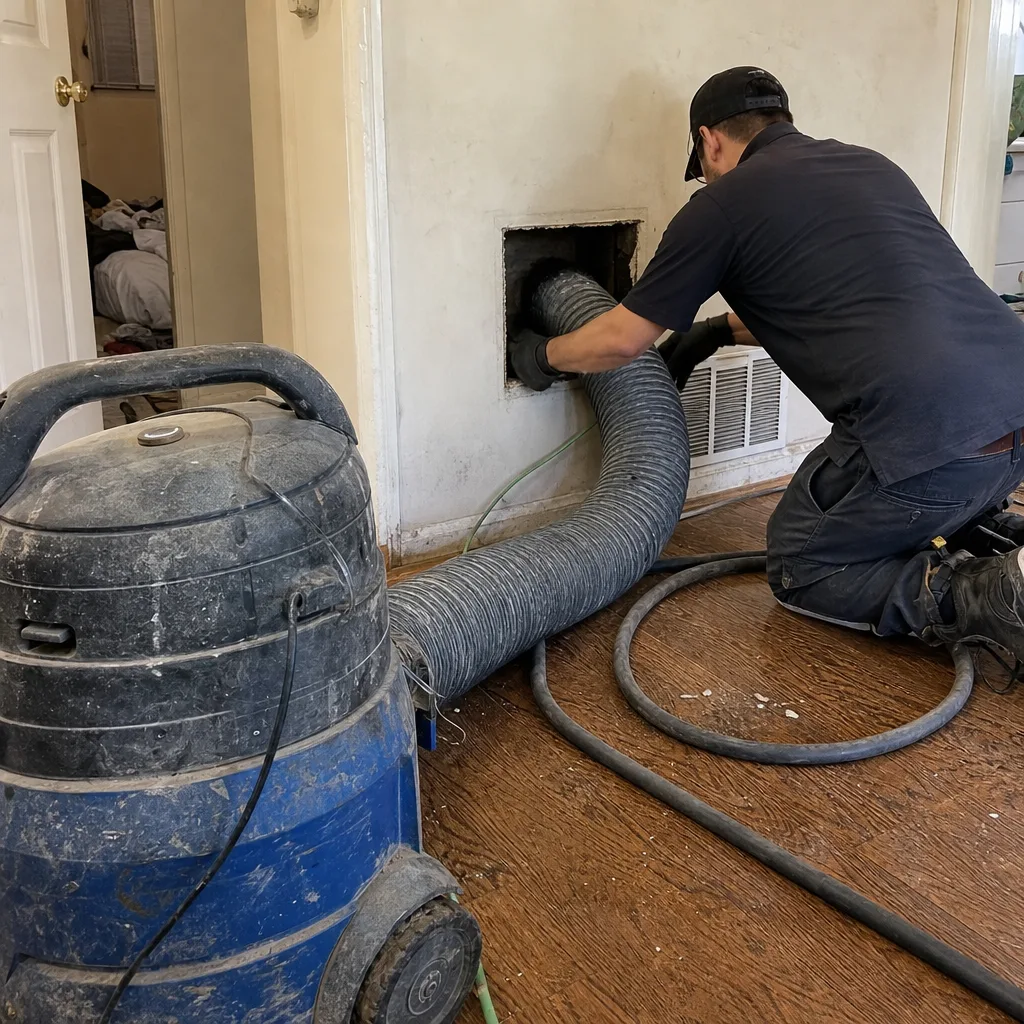 Before
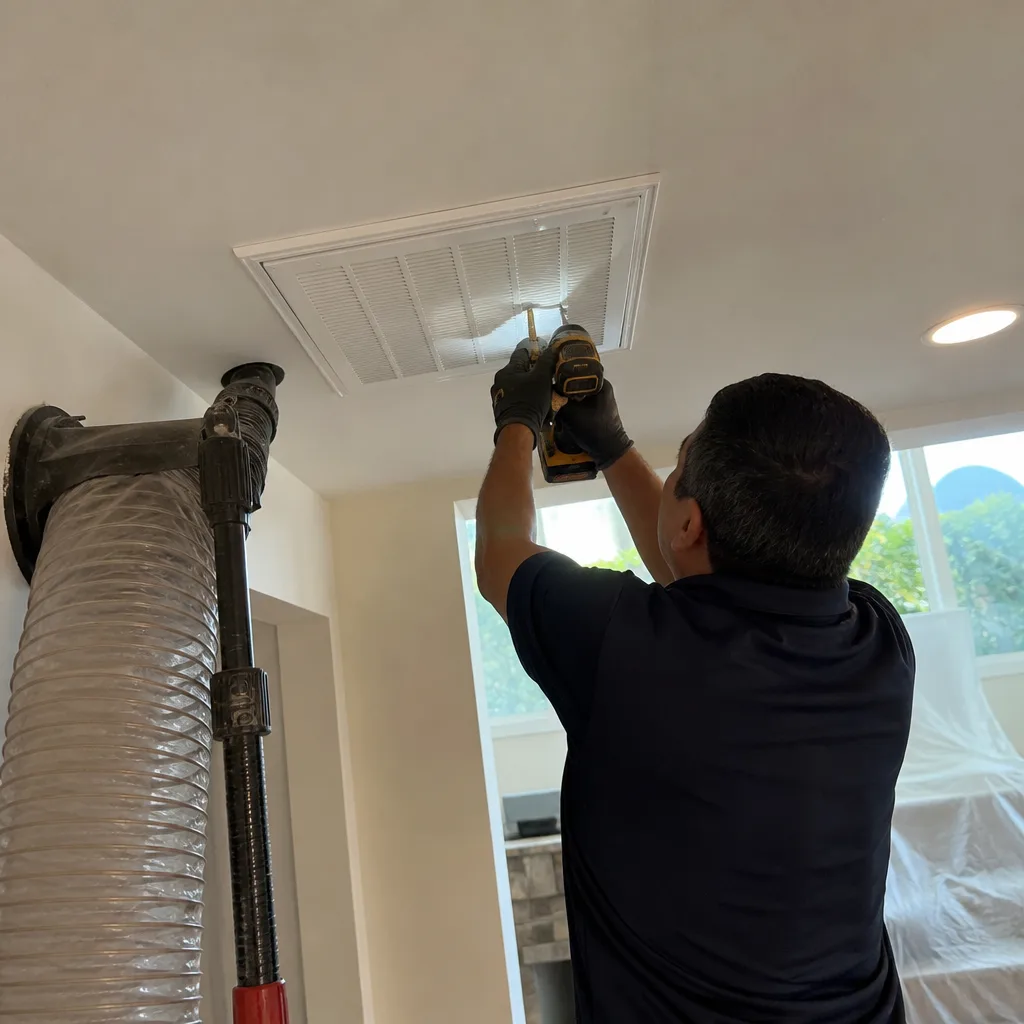 After
AfterHow to Hire a Air Duct Cleaning Contractor in Los Angeles: A Step-by-Step Guide
Here’s a fact most Los Angeles homeowners don’t know: the California Contractors State License Board does not require a specific license to clean air ducts. No CSLB category governs the work. That means the person arriving at your door with a vacuum hose and a clipboard may have zero formal credential, zero background check, and zero accountability. This guide walks through a concrete vetting sequence that works before anyone steps inside your home, and our more guides & resources cover related topics in depth. We’ll cover the exact questions to ask, the free public tools that verify a company’s claims in under ten minutes, and the red flags that separate a legitimate operator from a door-opening discount.
Quick Answer
To hire an Air Duct Cleaning contractor in Los Angeles, verify their NADCA membership and insurance on public databases, require a written scope of work listing vent counts and equipment type before scheduling, and confirm the technician’s identity before they arrive. A legitimate Los Angeles duct cleaner will put pricing and guarantee terms in writing before any work begins. Skip any company that quotes per-vent pricing over the phone or refuses to show proof of insurance.
Table of Contents
- Why the Los Angeles Licensing Loophole Matters
- Step 1: The Phone Screen – Questions That Expose Bait-and-Switch Operators
- Step 2: Verify NADCA, CSLB, and Insurance in Under Ten Minutes
- Step 3: What a Written Scope of Work Must Include
- Step 4: How to Read Between Generic Five-Star Reviews
- Step 5: Verify Who Actually Shows Up at Your Door
- Step 6: Why Equipment Type Affects What You Pay
- What Air Duct Cleaning Actually Costs in Los Angeles
- Common Mistakes to Avoid
- When to Call a Professional
- Frequently Asked Questions
- The Bottom Line
Why the Los Angeles Licensing Loophole Matters
The CSLB licenses general contractors, HVAC contractors, plumbers, and electricians. Air duct cleaning sits in a gray zone. A company can register as a business with the city of Los Angeles, print “licensed and insured” on a flyer, and start knocking on doors without ever proving technical competence to anyone. We’ve seen this play out in neighborhoods across Los Angeles, from Woodland Hills to Highland Park, where a homeowner pays a low coupon price and then watches the technician “discover” mold, a broken plenum, or a return duct that supposedly needs resealing. The initial $99 quote becomes $900 before the van leaves the driveway.
The loophole doesn’t mean every uncredentialed cleaner is dishonest. It does mean the burden of verification falls entirely on you. The vetting steps in this guide exist because no state agency in California will do the filtering for you. When we built Linden Air Duct Cleaning home, we made a deliberate choice to operate under a standard that exceeds anything the state requires. That’s the Threshold Standard: background-checked technicians, identity verification before arrival, and written pricing before any work begins. It exists specifically because Los Angeles leaves homeowners exposed.
Step 1: The Phone Screen – Questions That Expose Bait-and-Switch Operators
The first phone call is where most homeowners get filtered. A legitimate Los Angeles air duct cleaning company answers direct questions with direct answers. An operator running a bait-and-switch model answers with vagueness, urgency, or a demand to “just get a technician out there.” Here are the questions to ask, and the answers that should end the call.
- “What’s the total cost to clean all the ducts in my home?” A legitimate answer is a range based on home size and vent count, stated as a whole-system price. A red-flag answer is a per-vent price like “$14.95 per vent.” Per-vent pricing is how lowball operators create the bait. The customer hears a small number, but a typical Los Angeles home has 10 to 18 supply vents plus returns, and the final invoice multiples far beyond the teaser.
- “Are you NADCA certified?” The National Air Duct Cleaners Association runs the only recognized certification program in this industry. A legitimate company either holds certification through NADCA or can name an equivalent training pathway. A vague “we’re fully trained” without naming a specific certifying body is not an answer.
- “Will you send the technician’s name and photo before the visit?” Companies that do this have nothing to hide. Companies that won’t are telling you something about who they dispatch. At Linden, every customer receives the technician’s name and photo before the appointment, and the tech shows a photo ID badge at the door. This is not a nicety. It’s a verification step.
- “What’s your written guarantee, and will you put it on paper?” Look for a specific duration and a specific remedy. “365 days with a free second visit if the repair fails” is an accountable answer. “We guarantee you’ll be happy” is not.
- “What equipment do you use?” Listen for brand names and extraction method. Truck-mounted negative-pressure systems from manufacturers like Rotobrush or Nikro pull debris out through a sealed hose system. A shop vac and a brush from a portable kit is not the same service, and it should not cost the same money.
If the person on the phone can’t answer these five questions clearly, you haven’t found a contractor. You’ve found a booking service.
Step 2: Verify NADCA, CSLB, and Insurance in Under Ten Minutes
Everything a company claims on the phone is verifiable in minutes using free public tools. Here’s the sequence we recommend to Los Angeles homeowners, and it’s the same sequence we’d suggest if we weren’t in the business ourselves.
- Check NADCA’s member directory. Go to NADCA.com and search the member directory. Any company claiming NADCA certification should appear. If they don’t, ask for a certificate number and verify it. NADCA also offers an “Air Systems Cleaning Specialist” designation for individual technicians worth asking about.
- Check CSLB for HVAC or general contractor status. While air duct cleaning itself isn’t a licensed category, many companies that also perform Air Duct Repair in Los Angeles hold a C-20 warm-air heating, ventilating, and air-conditioning contractor license. If a company claims to repair ducts, replace sections of flex duct, or reseal plenums, they should have a CSLB license. The CSLB website shows license status, workers’ comp coverage, and any disciplinary actions. Checking takes three minutes.
- Request a certificate of insurance directly. Ask for a COI naming you as the certificate holder. A legitimate company sends one within an hour. The certificate should show general liability coverage of at least $1 million. If the company hesitates, fumbles, or says they’ll bring it “to the appointment,” end the call.
- Search the Los Angeles County court website for small claims filings. This sounds aggressive, but it’s public record. A pattern of small claims filings from unhappy homeowners tells you more than any review site. You can search the LA County Superior Court’s online portal by the company’s legal business name.
The entire verification sequence takes under ten minutes once you have the company’s legal name. A company that resists any of these checks is telling you how they’d handle a problem after the job.
Step 3: What a Written Scope of Work Must Include
The single most important document in any air duct cleaning hire is the written scope of work. In Los Angeles, where duct configurations in pre-1970s homes in neighborhoods like West Adams and Silver Lake differ dramatically from newer construction in Playa Vista, the scope needs specifics. Here’s what must appear in writing before you schedule:
- Number of supply vents and return vents included. Every vent count. If the count on the scope doesn’t match your count in the home, that’s a conversation before work starts, not after.
- Equipment type and method. “Truck-mounted negative-pressure extraction” means the powerful vacuum system stays outside or in the truck, with a sealed hose running into your home. “Portable equipment” means the vacuum unit comes inside. Both are legitimate, but they produce different levels of suction and different price points. The scope should name the method.
- Access method. How will the technician reach the ducts? Through registers, through a plenum cut, through the return? The scope should say. It should also state who patches any access holes and that the patching is included.
- What’s explicitly excluded. Look for this language or demand it. Exclusions typically include sanitizing, mildew treatment, dryer vent runs (separate scope), and HVAC coil cleaning. Knowing what’s not included is how you know what you’re paying for.
- Total price, flat, in writing. One number. Not an estimate. A price. If the scope says “estimate” without a contract line confirming the number does not change, you don’t have written pricing. You have a placeholder.
- Guarantee terms, in writing. Duration and remedy. “365-Day Done Right Promise: if the work fails within 365 days, we return at no charge” is a written guarantee. “Satisfaction guaranteed” is marketing copy.
We put the price in writing before any work begins, every single time. It’s one flat price per system, agreed before the technician arrives. That’s not a promotional offer at Linden; it’s how every job runs. In our experience across the Air Duct Cleaning in Los Angeles market, the written scope is where bait-and-switch operators lose interest. They can’t put their game on paper.
Step 4: How to Read Between Generic Five-Star Reviews
Los Angeles is a review-driven market. A company with 400 five-star reviews looks credible until you read the reviews and realize they’re all four words long. Here’s how to separate signal from noise.
Ignore reviews that say “great service, friendly tech.” That’s a courtesy review. It tells you nothing about pricing accuracy, whether the tech showed ID, whether the scope matched the invoice, or whether the equipment was truck-mounted or a portable unit. Those are the details that matter.
Look for specificity. A useful review mentions vent counts, price promises, whether the tech wore shoe covers, whether the before-and-after photos were provided. At Linden, every customer receives before-and-after photos of their own ducts. It’s standard on every job, because you should be able to see what was cleaned. Reviews that mention seeing actual proof are more credible than reviews that mention “professionalism.”
Read the two- and three-star reviews first. This is where problems hide. Look for patterns: a quoted price that grew, a tech who arrived without identification, a guarantee that evaporated when the customer called back. One complaint is an outlier. Three complaints about the same behavior is a business model.
Good reviews should name the tech. When a company sends a known, named technician, reviews mention that person by name. When a company dispatches whoever picks up the phone, reviews stay generic. There’s a reason for that.
Step 5: Verify Who Actually Shows Up at Your Door
This is the step most guides skip, and it’s the one that matters most for homeowners who are often home alone, parents with young children, and older Los Angeles homeowners. You’re not just hiring a service. You’re opening your front door.
A legitimate air duct cleaning company makes the tech’s identity knowable before the visit. At Linden, the process runs like this: before your appointment, you receive the technician’s name and photo. When the tech arrives, they show a photo ID badge at the door that matches the photo you received. The vehicle is marked. The uniform is clean. The whole sequence is engineered so there’s no ambiguity about who is standing on your porch. We call this the Threshold Standard, and it runs on every job. Background checks and identity verification are the foundation. The name, photo, and badge are the proof you can see.
When you’re vetting other companies, ask directly: “Will you send the technician’s name and photo before the appointment, and will they show a photo ID at the door?” Listen for hesitation. Any company that treats this as an unusual request has not thought about what it means to welcome a stranger into a home. In Los Angeles, where so many households include a parent home alone with a child during the day, this should be the baseline, not the premium.
Step 6: Why Equipment Type Affects What You Pay
Here’s a practical distinction that most Los Angeles homeowners never hear. There are two fundamental methods for cleaning air ducts: truck-mounted negative-pressure extraction and portable extraction.
Truck-mounted systems keep the heavy vacuum outside the home. A sealed hose runs from the truck to your duct system, creating negative pressure that pulls loosened debris out through the hose and into the truck’s collection chamber. The advantage is raw suction power and less noise inside the home. Brands like Rotobrush and Nikro build truck-mounted and high-output portable systems used by professional services across Southern California.
Portable systems bring the vacuum unit inside. They’re quieter and work in buildings where truck access is limited, which matters in parts of Los Angeles with tight driveways, narrow canyon roads, or condominium complexes that restrict vehicle placement. The suction is generally lower than truck-mounted, but a well-run portable job with proper agitation tools still gets real results.
The equipment type should appear in your written scope. It affects the price and it affects what you’re paying for. A company should be able to name its equipment brand without pausing. We run professional-grade systems from Rotobrush and Nikro, and we recommend air-quality products from brands including Aprilaire, Abatement Technologies, and Guardsman where a home’s specific situation calls for them. If a company can’t name its equipment, it’s renting whatever’s available that week.
What Air Duct Cleaning Actually Costs in Los Angeles
Let’s put numbers on the table. In the Los Angeles market, a legitimate whole-home air duct cleaning for a typical 1,500 to 2,500 square foot single-family house generally runs between $450 and $900. Homes with more complex duct layouts, multiple systems, or added services like sanitizing may run higher, and a basic condo or small apartment system may run lower. The variables that move the number:
- Vent count. More supply vents and returns means more access points and more time.
- System count. A two-story Los Angeles home often has two HVAC systems. Each adds cost.
- Duct condition. Older homes in neighborhoods like Mid-Wilshire and Jefferson Park often have ductwork that’s never been touched. Heavily soiled ducts take longer and may require additional agitation passes.
- Access issues. Limited attic access, tight crawl spaces, or duct runs in slab foundations change the labor time.
- Add-on services. Sanitizing, mildew treatment, and Dryer Vent Cleaning in Los Angeles are separate line items and should be priced separately, in writing.
If a company quotes $99 for a whole-house duct cleaning, you’re looking at the door-opening price. The real invoice will arrive after the tech “finds” a problem. No legitimate Los Angeles company with truck-mounted equipment, background-checked technicians, and written guarantees can clean an entire duct system for $99. The math doesn’t work. The phone number on the coupon is not a discount. It’s a lead generator.
We’ll give you an honest range when you call Linden at (980) 447-2498, and the number we quote is the number on your invoice. One flat price per system, agreed before work starts. No per-vent games, no surprise line items.
Common Mistakes to Avoid
- Hiring on price alone. Los Angeles has no shortage of $79 duct cleaning offers. These are marketing costs, not service prices. The company recovers the loss on “repairs” discovered after the fact. Filter for written pricing and verification instead.
- Skipping insurance verification. If the technician falls through your ceiling or breaks a register and the company has no general liability coverage, that’s your claim on your homeowner’s insurance. Always request a certificate of insurance naming you as the certificate holder before the appointment.
- Trusting “licensed and insured” on a flyer. The phrase has no legal weight in California’s air duct cleaning space. Demand proof. Every time.
- Not asking about the tech before the visit. You’d never invite an uninvited guest into your home. Hiring a company that won’t tell you the tech’s name and show a photo ID before arrival is functionally the same thing. Ask for the name and photo in advance.
- Accepting a verbal scope of work. If it’s not on paper, it doesn’t exist. A verbal promise about vent count, equipment type, or total price is worth nothing when the invoice arrives. A written scope is the only enforceable document.
- Confusing dryer vent cleaning with air duct cleaning. Different systems, different scopes, different prices. A company may offer both. The quote should separate them clearly. Mixing them into one number is how some operators inflate a cleaning job.
- Believing that every home needs cleaning every year. A responsible company tells you the truth: most homes need air duct cleaning every 3 to 5 years, not annually. Homes with pets, recent construction, wildfire smoke exposure, or allergy concerns may need more frequent service. Anyone insisting on an annual schedule without seeing your ducts is selling a subscription.
When to Call a Professional
Air duct cleaning is not an emergency service, but certain conditions justify a call sooner rather than later. You’ve just completed a renovation and drywall dust is everywhere in the living space. A wildfire season has left ash accumulation visible at the registers. You have a mold or mildew odor that persists after HVAC filter changes. You’ve moved into a home where the previous owners had pets, and the returns are caked with hair and dander. Or you simply can’t remember the last time the ducts were cleaned and you’d rather know than wonder. In any of these situations, a professional inspection with camera documentation gives you real information. Linden Air Duct Cleaning offers free estimates in Los Angeles – call (980) 447-2498.
Frequently Asked Questions
Expect $450 to $900 for a whole-home air duct cleaning in Los Angeles for a typical 1,500 to 2,500 square foot single-family home, depending on vent count, system count, and duct condition. Condos and smaller systems run lower; large two-story homes with multiple systems run higher. Any quote below $200 for a whole system is a door-opening price designed to inflate once the tech is in the home. Call (980) 447-2498 for an honest flat-rate quote for your specific property.
Cheap quotes in Los Angeles are almost always bait. The operator quotes a per-vent teaser price, then finds “necessary repairs” or additional vents after the work begins. The low quote is a lead-generation cost, not a service price. A legitimate company with real equipment, verified technicians, and written guarantees cannot profitably clean a whole duct system for $79 or $99. The price difference is not a deal; it’s a business model. If a quote sounds too low, ask for a written scope of work and watch the company hesitate.
Demand before-and-after photos of your own ducts, not stock images. A legitimate company documents the work with a camera system that shows the interior of your ductwork before and after cleaning. At Linden, before-and-after photos are standard on every job. You should also see debris extracted into the collection chamber, and the written scope should map to what was performed. If a company won’t provide visual proof, assume the work wasn’t done thoroughly.
Most Los Angeles homes need air duct cleaning every 3 to 5 years, not annually. The LA climate, with its dry, dusty conditions and periodic wildfire smoke, can accelerate buildup in some neighborhoods, but an honest company will tell you when you need cleaning and when you don’t. Homes with shedding pets, recent construction, or smoke exposure may need more frequent service. Anyone insisting on an annual schedule without first seeing your ducts is selling repeat visits, not honest service.
No. The California Contractors State License Board does not license air duct cleaning as a standalone category. This is why verification matters so much: you have to check NADCA membership, insurance coverage, and the company’s written guarantees yourself. If a company performs air duct repairs, they should hold a CSLB C-20 HVAC contractor license. Ask for the specific credential and verify it on the public CSLB database.
A thorough air duct cleaning should include all supply vents and return vents, the main trunk line, and the interior surface of accessible ductwork using negative-pressure extraction. Equipment should be truck-mounted or professional-grade portable. The scope should state vent counts, equipment type, access method, and exclusions in writing. Sanitizing, dryer vent cleaning, and HVAC coil cleaning are separate services with separate prices. If a company bundles everything into one vague price without specifics, ask for the written scope before scheduling.
The Bottom Line
Hiring an air duct cleaning contractor in Los Angeles comes down to one principle: if a company won’t put it in writing, don’t put them in your home. Require a written scope of work with vent counts and equipment type. Verify NADCA membership, CSLB status where relevant, and insurance through free public tools. Read the two-star reviews before the five-star ones. And confirm the technician’s identity before the appointment, not at the door. Linden Air Duct Cleaning applies the Threshold Standard to every job: background-checked techs, name and photo sent before arrival, photo ID shown at the door, written pricing before any work begins, and a 365-Day Done Right Promise in writing. Call (980) 447-2498 for a free estimate and a straight answer.
Written by Marcus Veale, Owner at Linden Air Duct Cleaning, serving Los Angeles since 2004.