
Whole-system duct and dryer vent check with before-and-after photos - you see exactly what came out of your vents
That "$99 whole-house special" is a bait ad - the real number appears once they are in your hallway, or the "clean" is a shop-vac at the register. We photograph the inside of your ducts before and after instead.
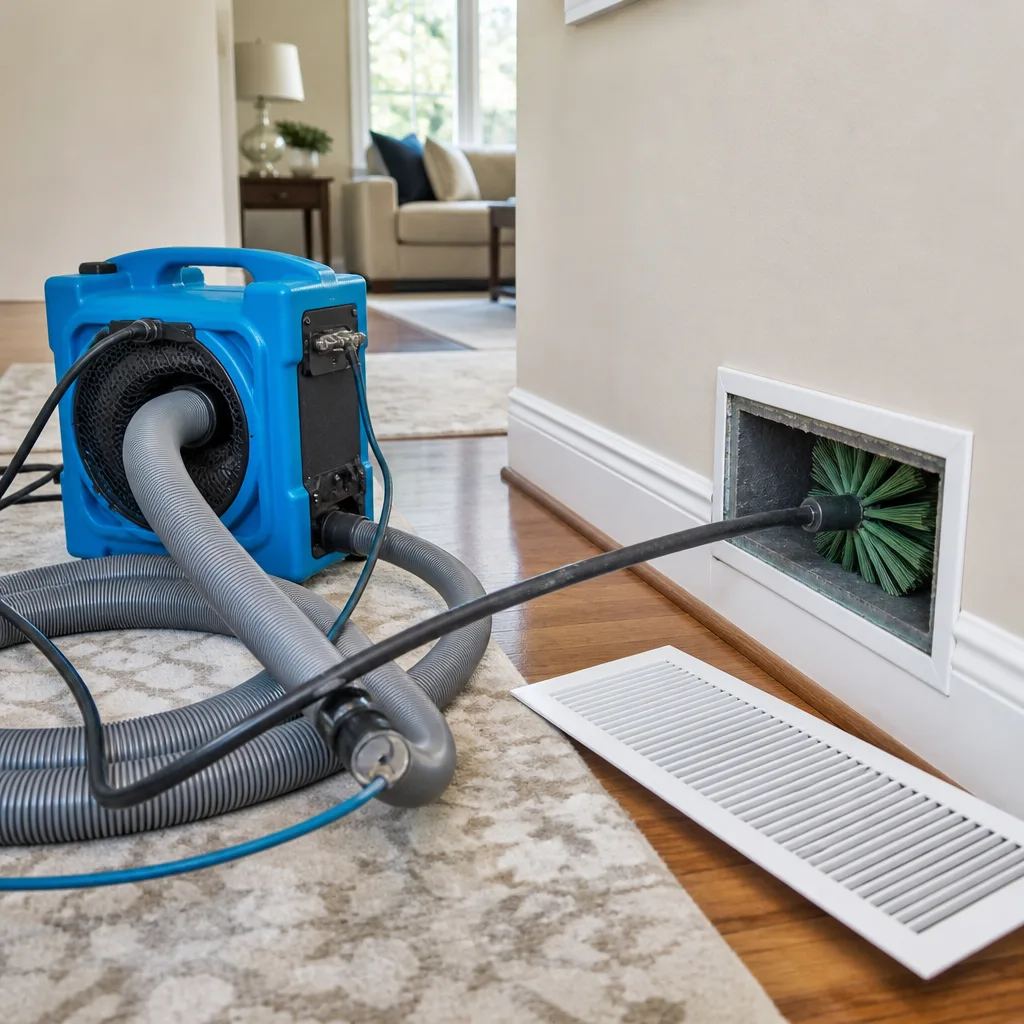
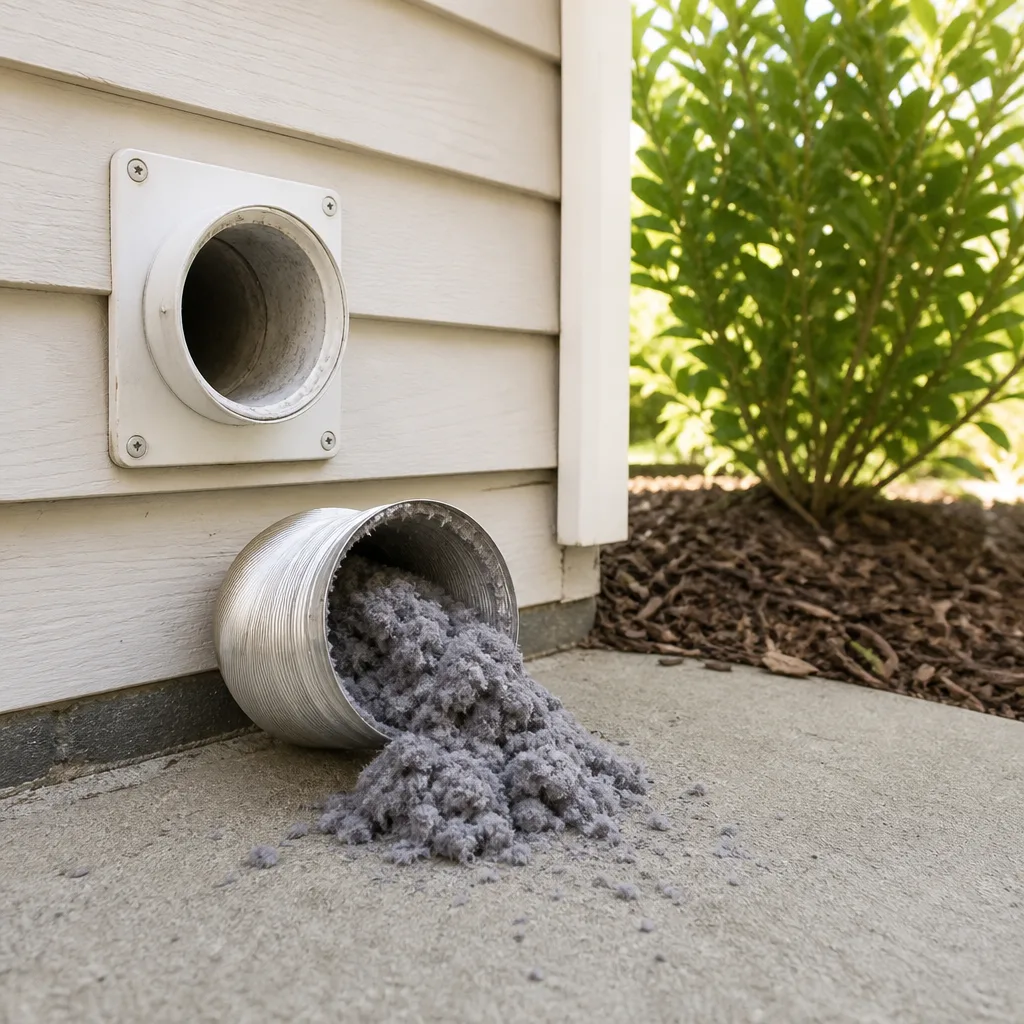
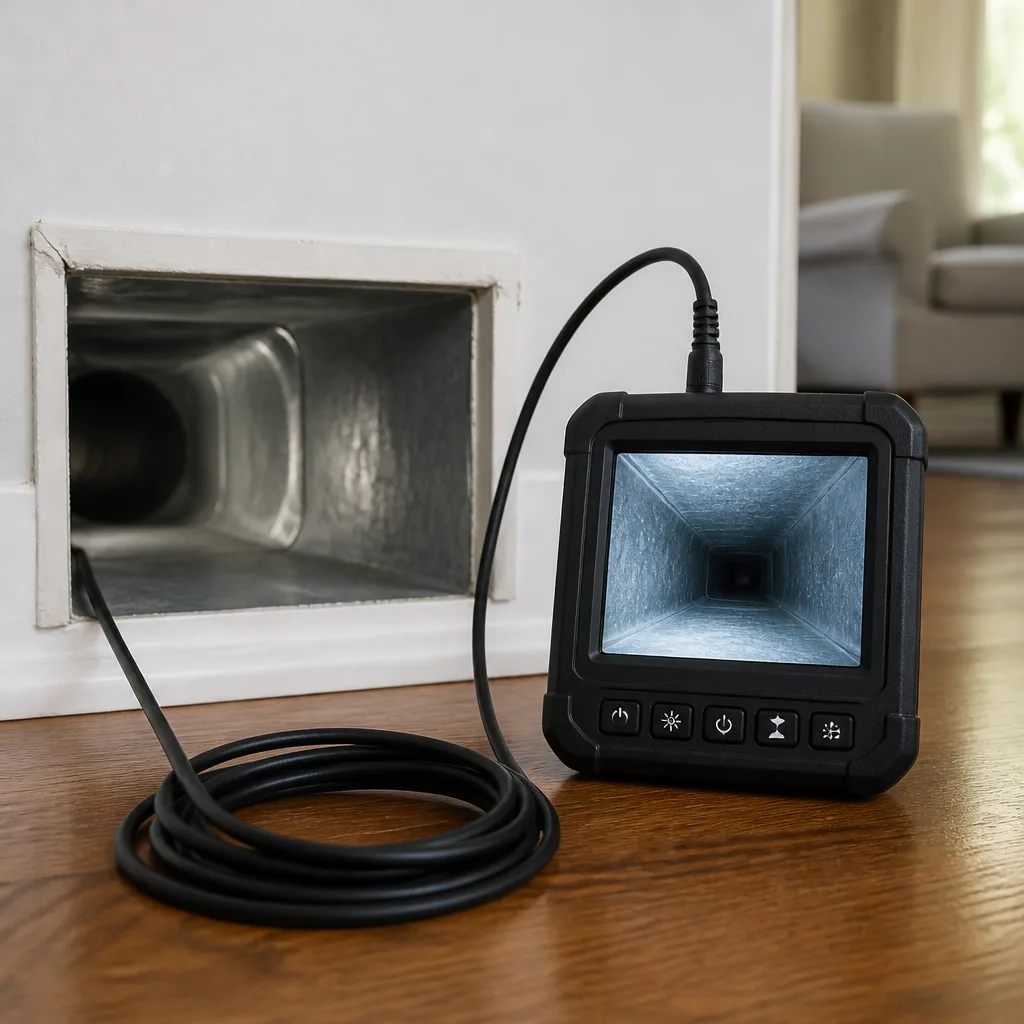
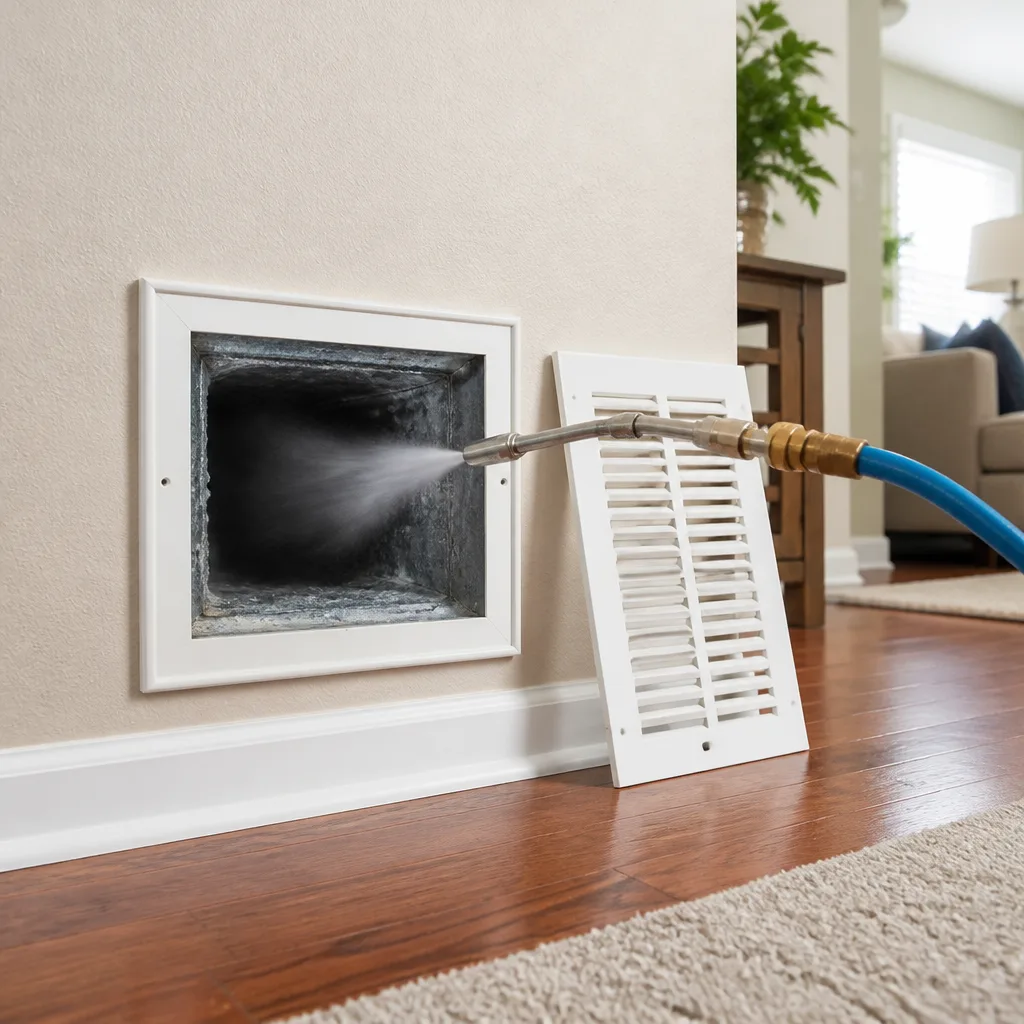
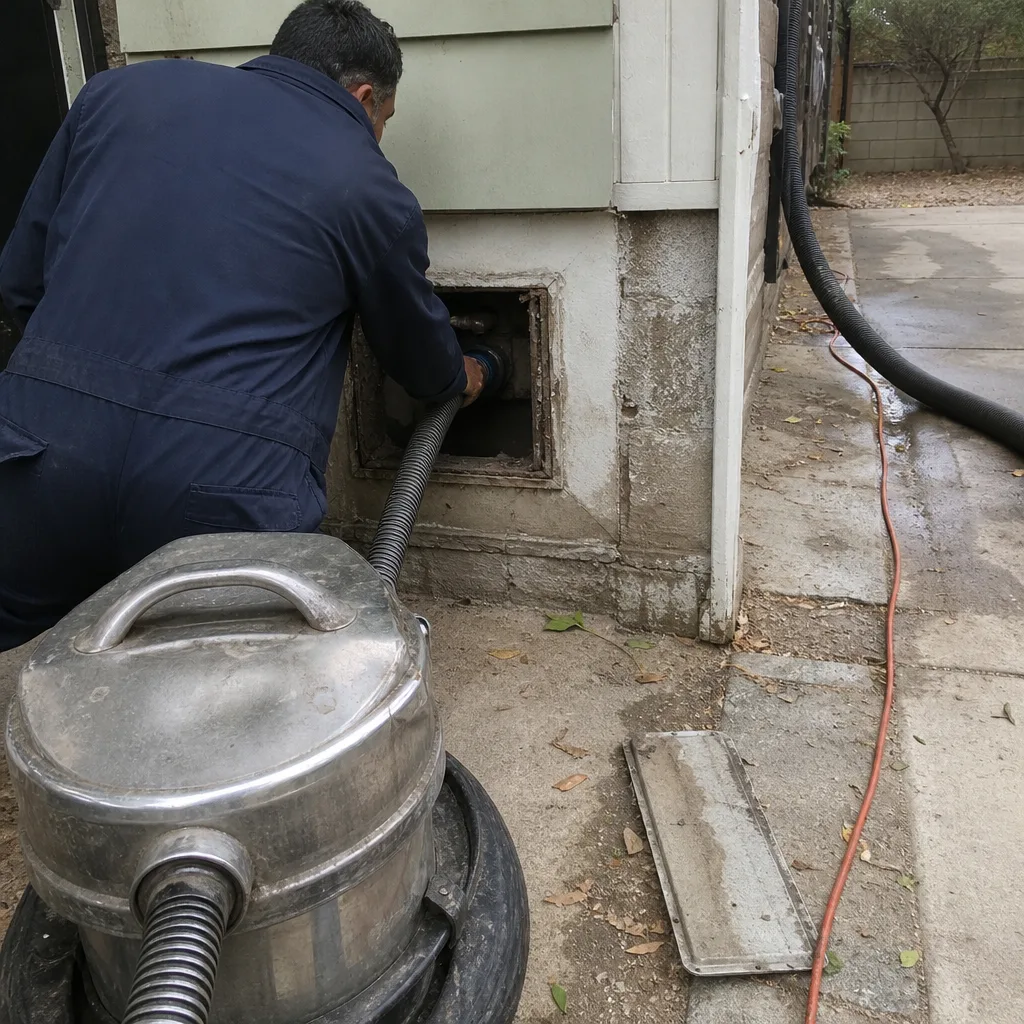 Before
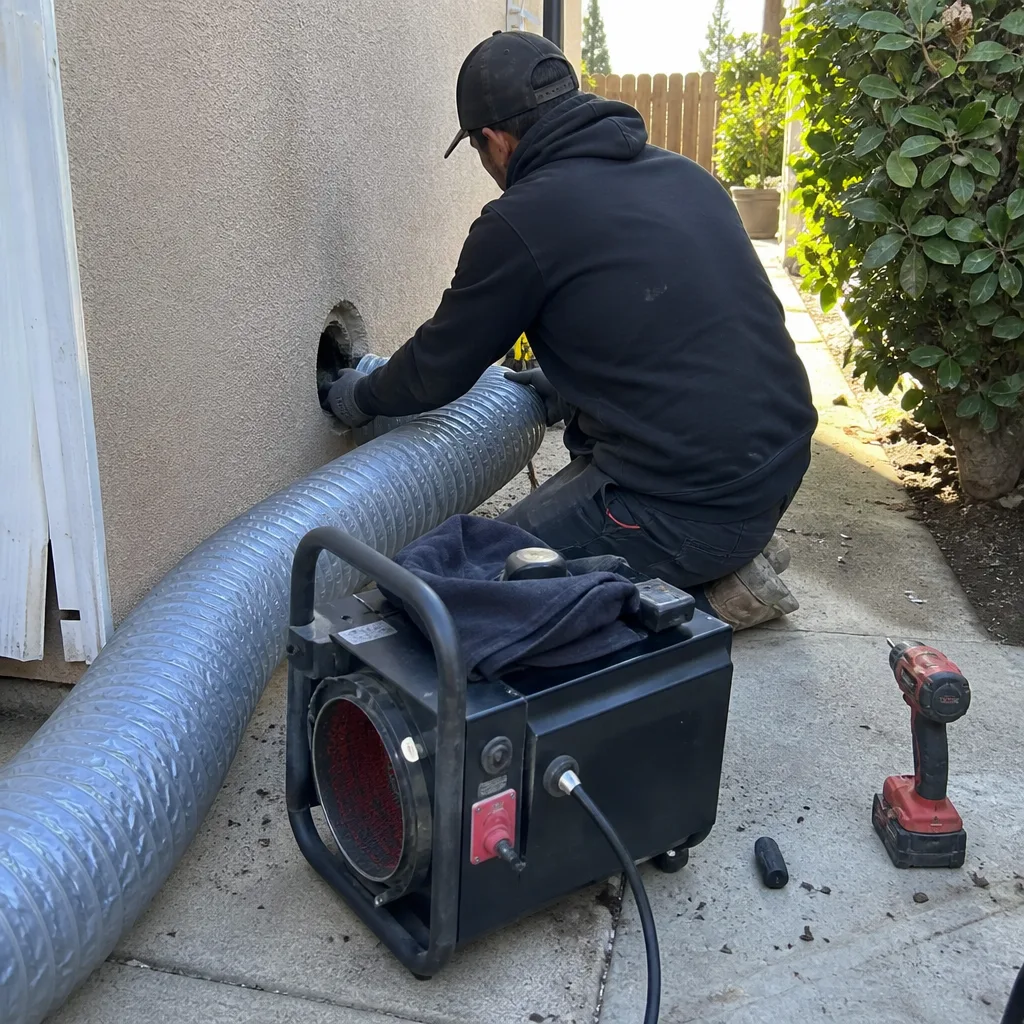 After
After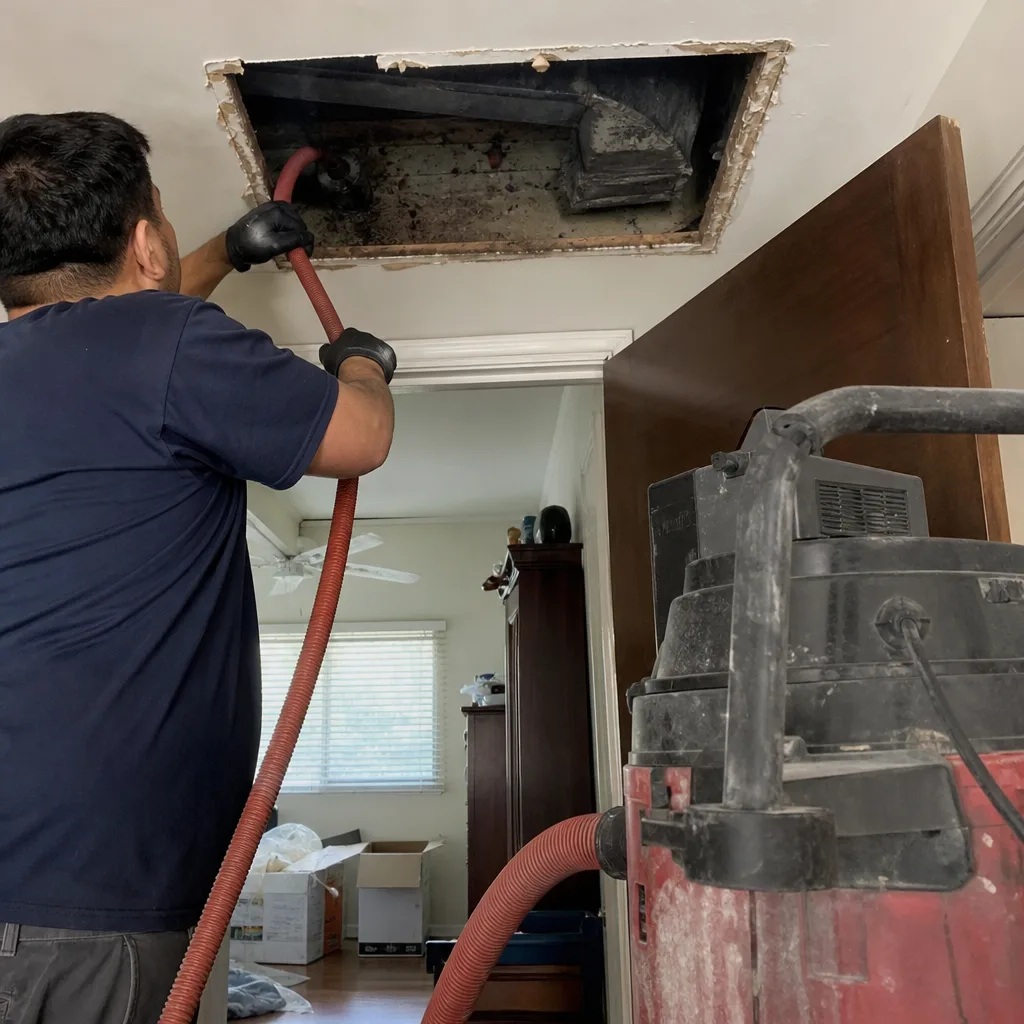 Before
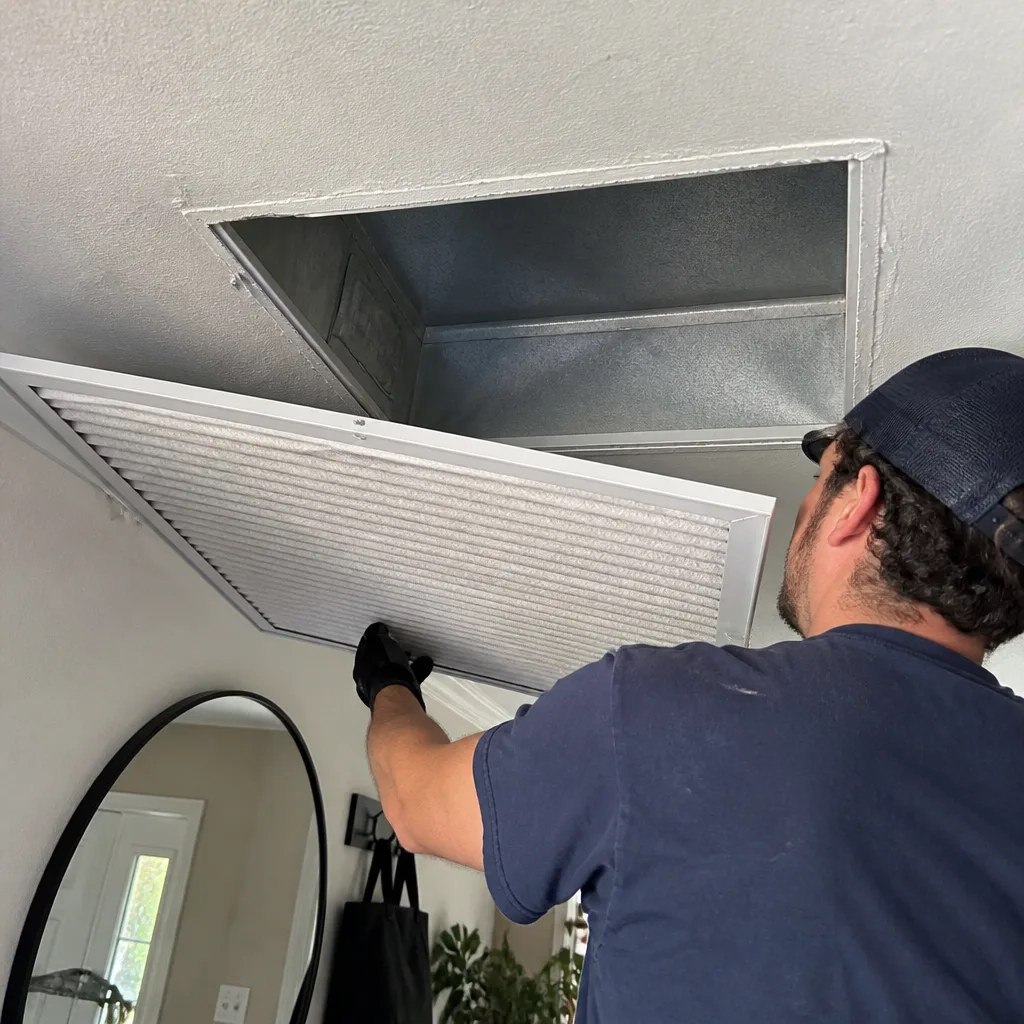 After
After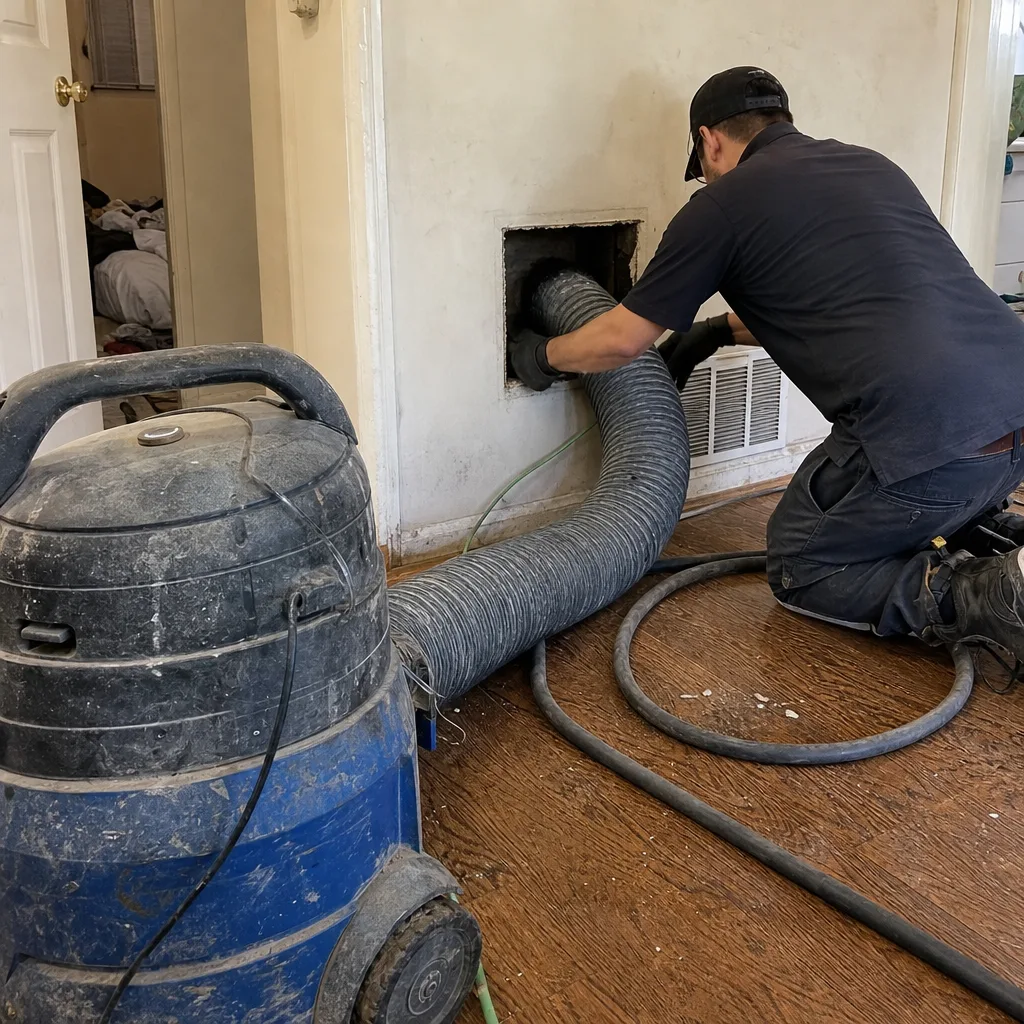 Before
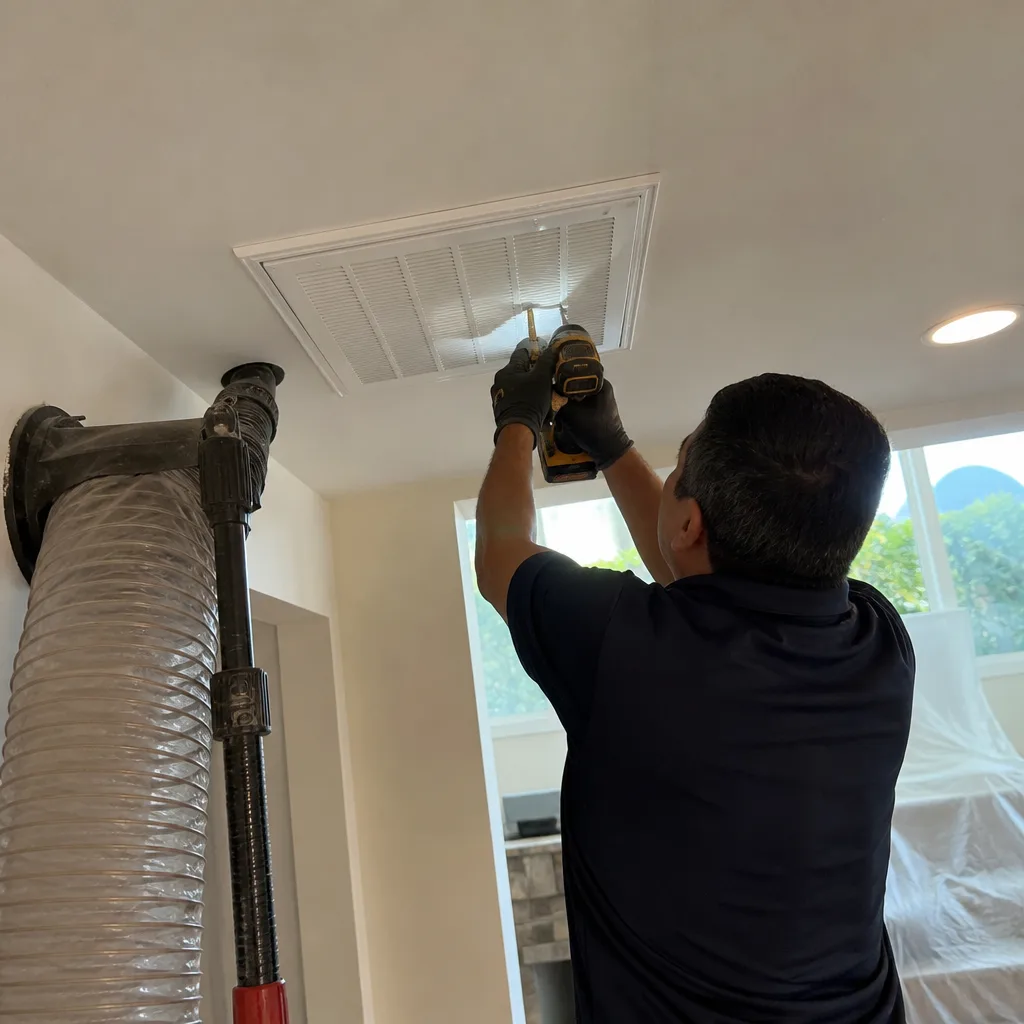 After
AfterHoneywell Register & Grille Cleaning: The Los Angeles Owner’s Guide
We clean and restore Honeywell registers and grilles in Los Angeles every week, typically as part of a full air duct cleaning. A professional register and grille cleaning for a standard 2,000-square-foot Los Angeles home runs $45 to $110 when bundled with duct cleaning, or $150 to $300 as a standalone service depending on how many vents you have and how much buildup we’re dealing with. Most owners call us after they wipe down a vent with a damp cloth, pull it back, and find a layer of gray-brown fuzz that looks like felt and won’t budge.
The truth is, Honeywell makes solid register and grille products, but no register stays clean on its own in this city. What builds up on the back side of a Honeywell grille in Los Angeles is a mix of dust, cooking grease, pet dander, and the fine particulate that drifts in through windows during wildfire season. That combination hardens over time. If you’re seeing visible buildup or noticing a persistent musty smell near certain vents, the grille and the register behind it need more than a surface wipe.
Key Takeaways:
- Honeywell registers and grilles trap airborne buildup on the back side, which is where most homeowners never look.
- Cleaning is straightforward and safe when done by a professional, but the buildup itself is a real air-quality issue, not just a cosmetic one.
- We give you a written price before any work starts, and we show you before-and-after photos of your own vents.
Which Honeywell Models This Applies To
Honeywell’s register and grille line includes several distinct series, and the cleaning approach is the same across all of them, but the disassembly matters. The main ones we see in Los Angeles homes are the Honeywell Decorator Series, the Classic Series, and the Pro Series. The Decorator Series has a stamped steel face with closely spaced fins and typically sits flush to the wall or floor. The Classic Series uses a heavier gauge steel with more open fin spacing, and the Pro Series is built for high-traffic commercial or multi-unit use. The compatibility gotcha owners run into is that Honeywell registers are not universally interchangeable with other brands, which is good news for you. A Honeywell register from the Decorator line, for instance, fits Honeywell sizing precisely, so if you ever need a replacement rather than a cleaning, you’ll want to match the stamped model number on the back of the frame instead of guessing at the big-box store.
The model number on a Honeywell register is usually stamped into the metal frame on the underside or along one edge. It’ll look something like HZ311 or a similar alphanumeric code depending on the series. When we clean, we note that number and the exact measurements, because if the register is too corroded to salvage, you’ll have the data in hand to order the correct OEM replacement without a second trip. One thing worth knowing about Los Angeles specifically: older homes near the coast often have registers that have been exposed to salt air for decades, and the metal can pit even when the register looks fine from the front. That’s the kind of thing we check for while the register is off the wall.
Signs Your Honeywell Register & Grille Are Failing
We’ll say this plainly: a dirty register rarely fails mechanically. What fails is the seal, the finish, or the airflow around it. Here’s what we actually see in Los Angeles homes.
- Visible dust streaks on the wall or ceiling around the grille. This usually means the register isn’t sealed tightly against the drywall, so conditioned air is leaking past the frame and carrying fine dust with it. In older Los Angeles apartments, we often find the original registers were never caulked or taped at the boot connection.
- A smell that doesn’t clear after you clean the visible face. The odor is coming from the back side of the register and the first few inches of duct behind it. We’ve removed registers in Los Angeles where the back side looked like a lint trap after a decade of laundry, all of it saturated with kitchen grease from nearby cooking.
- Rust or corrosion on the grille, especially near the coast. Santa Monica, Playa del Rey, and Venice homes get this more than anywhere else in the city. Once the steel starts pitting, cleaning can’t reverse it, and the register eventually needs replacement.
- A register that no longer opens or closes smoothly. The adjustment lever or damper mechanism gets gummed up with the same residue building on the fins. We can sometimes free it during cleaning, but if the lever is stripped or the pivot is worn, the register is done.
- Uneven airflow between rooms that used to feel balanced. A heavily obstructed register can reduce airflow enough that one bedroom runs noticeably warmer in summer. It’s not always the register causing it, but checking that first is cheaper than chasing a damper problem that isn’t there.
Replacement Cost & What’s Included
If your Honeywell register or grille is beyond cleaning, here’s what replacement costs in the Los Angeles market. A single Honeywell OEM register or grille typically runs $18 to $55 depending on size and series, and installation labor adds $35 to $75 per register when we’re already on site. So for one register, you’re looking at roughly $60 to $130 installed. If you’re replacing multiple registers during a duct cleaning visit, we price each one individually with no per-register games.
What’s included: removal of the old register, inspection of the boot and the first section of duct behind it, cleaning of any accessible buildup at that connection point, and installation of the new Honeywell register with the seal checked. The price is written down before we touch anything, and every replacement is covered by our 365-Day Done Right Promise. If the install isn’t right within a year, we come back and make it right at no charge. We don’t do a lowball teaser price that turns into a bigger invoice once we’re on your driveway. The number we quote is the number you pay.
DIY or Call Us?
Cleaning a register and grille is not dangerous work, and we’ll tell you that straight. What’s safe to do yourself: unscrew the register, take it outside, and wash it with warm water and a mild degreaser. Do not use anything abrasive on a Honeywell finish, because once you scratch through the coating, you’ve opened the metal to rust. The part where DIY falls short is the duct opening behind the register. Without a negative-pressure extraction system, anything you dislodge from the boot can get pulled deeper into the duct, then recirculated through the house once the system turns back on. That’s the quiet problem Marcus Veale has seen dozens of times: a homeowner cleans the visible grille, the system kicks dust back through the house, and the register looks dirty again within two weeks.
If you’re just dealing with surface dust and the register has been cleaned regularly, a kitchen-sink wash is fine. If you’re seeing the kind of gray fuzz we described earlier, or if the buildup has hardened into a waxy film, call us at (980) 447-2498 for a free estimate. We’ll tell you honestly whether you need a full duct cleaning or just a register-level service.
FAQs
We see Honeywell registers last anywhere from 8 to 15 years in Los Angeles, with coastal homes trending toward the shorter end due to salt air corrosion. If your register is pitted or rusted through, cleaning won’t extend its life, and replacement is the honest call. Call (980) 447-2498 and we’ll give you a straight answer on what you’re looking at before any work is scheduled.
Dirty registers are cleaned, not repaired, but if the damper mechanism is seized or the lever is stripped, the register typically needs replacing rather than fixing. We’ll attempt to free a stuck damper during cleaning at no extra charge, and if it doesn’t hold, we’ll tell you before we sell you a new part. Estimates are free.
For a full-home register and grille cleaning as part of a duct cleaning, the register work itself usually adds 30 to 45 minutes across a standard Los Angeles home. Standalone register-only service on a single vent typically takes about 20 minutes from removal to reinstall. We’ll give you a time window when you book.
We stock common Honeywell Decorator and Classic Series sizes on the truck, including the 4×10, 4×12, and 6×10 configurations that show up most often in Los Angeles homes. If you need a less common size or a Pro Series unit, we order it and schedule the install once it arrives. We’ll match your existing model number so you’re not stuck with a close-enough fit.
If you’ve got a Honeywell register or grille that needs attention, call Linden Air Duct Cleaning at (980) 447-2498. You’ll get a live person on the phone, a written price before any work starts, and a technician whose name and photo you’ll receive before the visit. We’re an independent Los Angeles service provider, not affiliated with Honeywell, and we also work with registers and grilles from Lennox, Trane, and Carrier. The tech who shows up will hand you a photo ID at the door, every time.
Written by Marcus Veale, Owner, Linden Air Duct Cleaning at Linden Air Duct Cleaning, serving Los Angeles and nearby areas.