
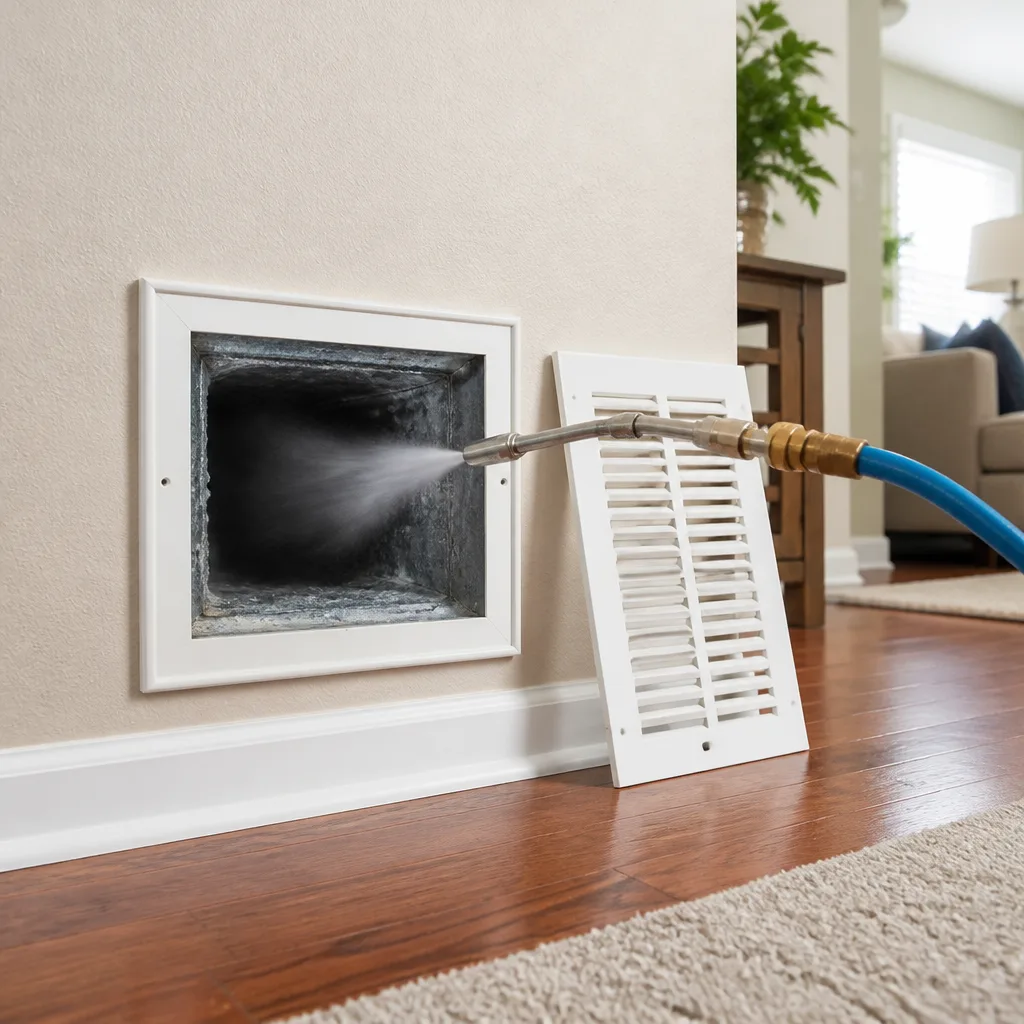
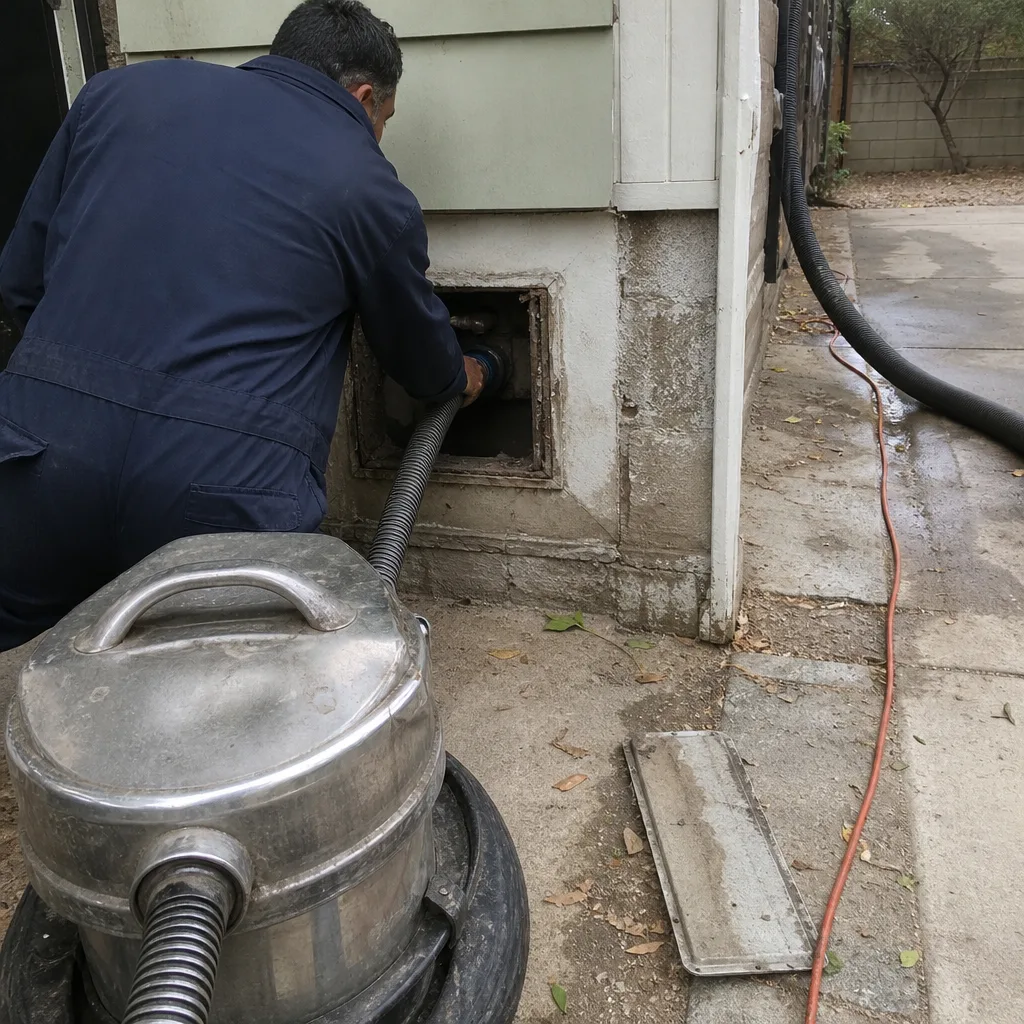
Whole-system duct and dryer vent check with before-and-after photos - you see exactly what came out of your vents
That "$99 whole-house special" is a bait ad - the real number appears once they are in your hallway, or the "clean" is a shop-vac at the register. We photograph the inside of your ducts before and after instead.
 Before
 After
After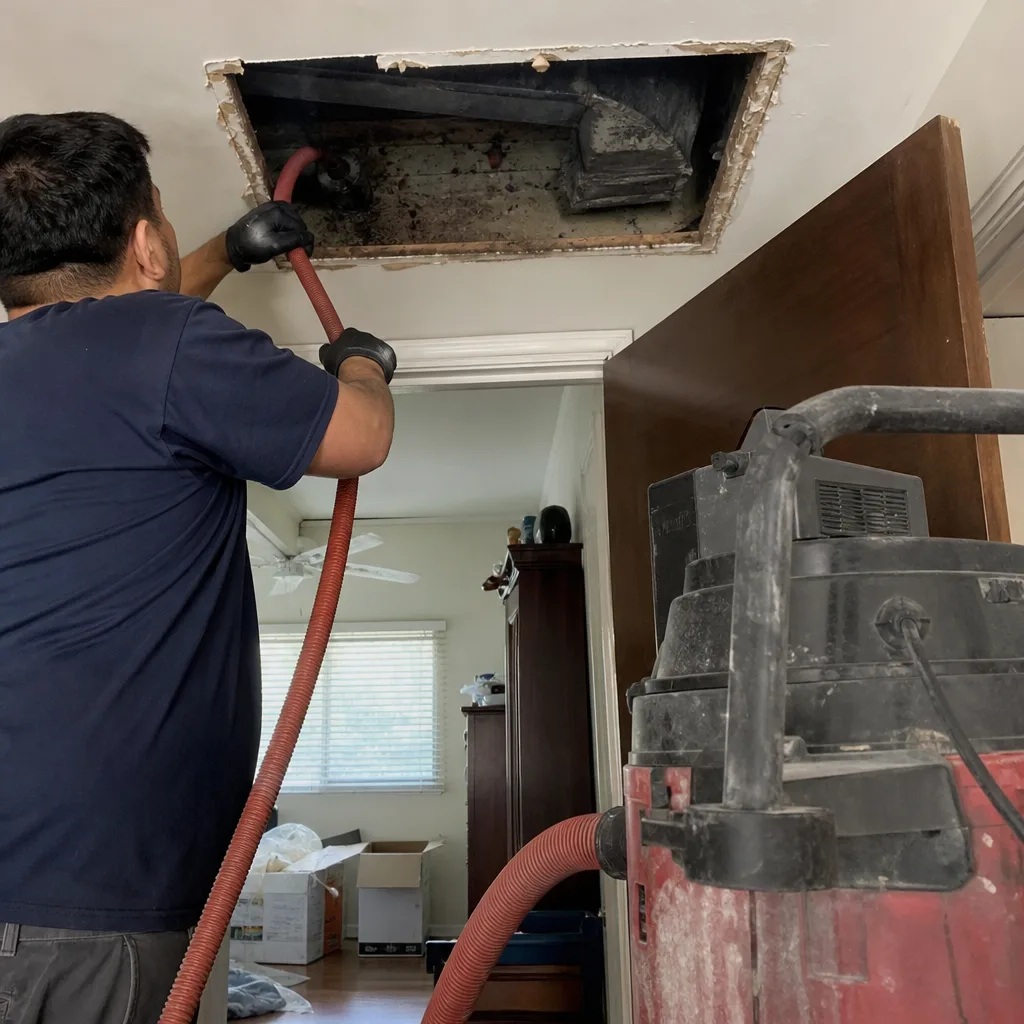 Before
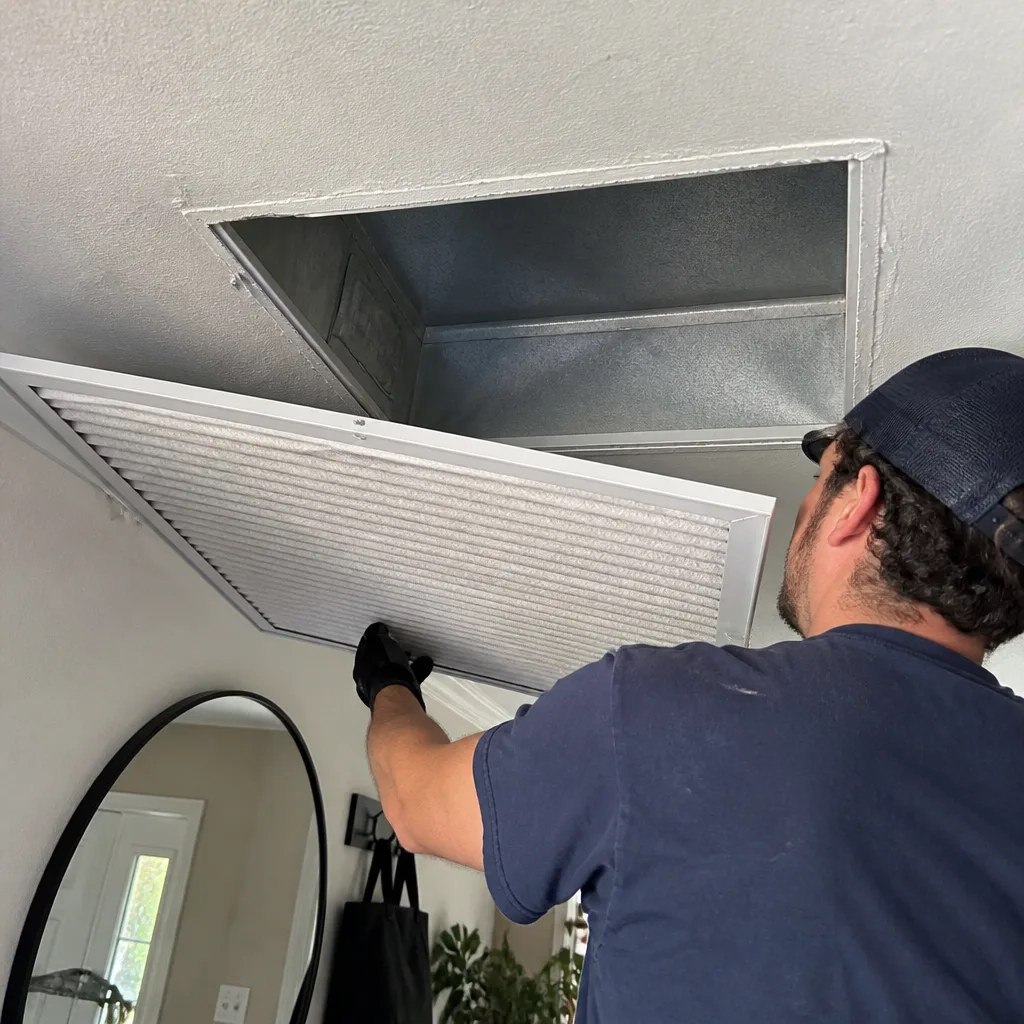 After
After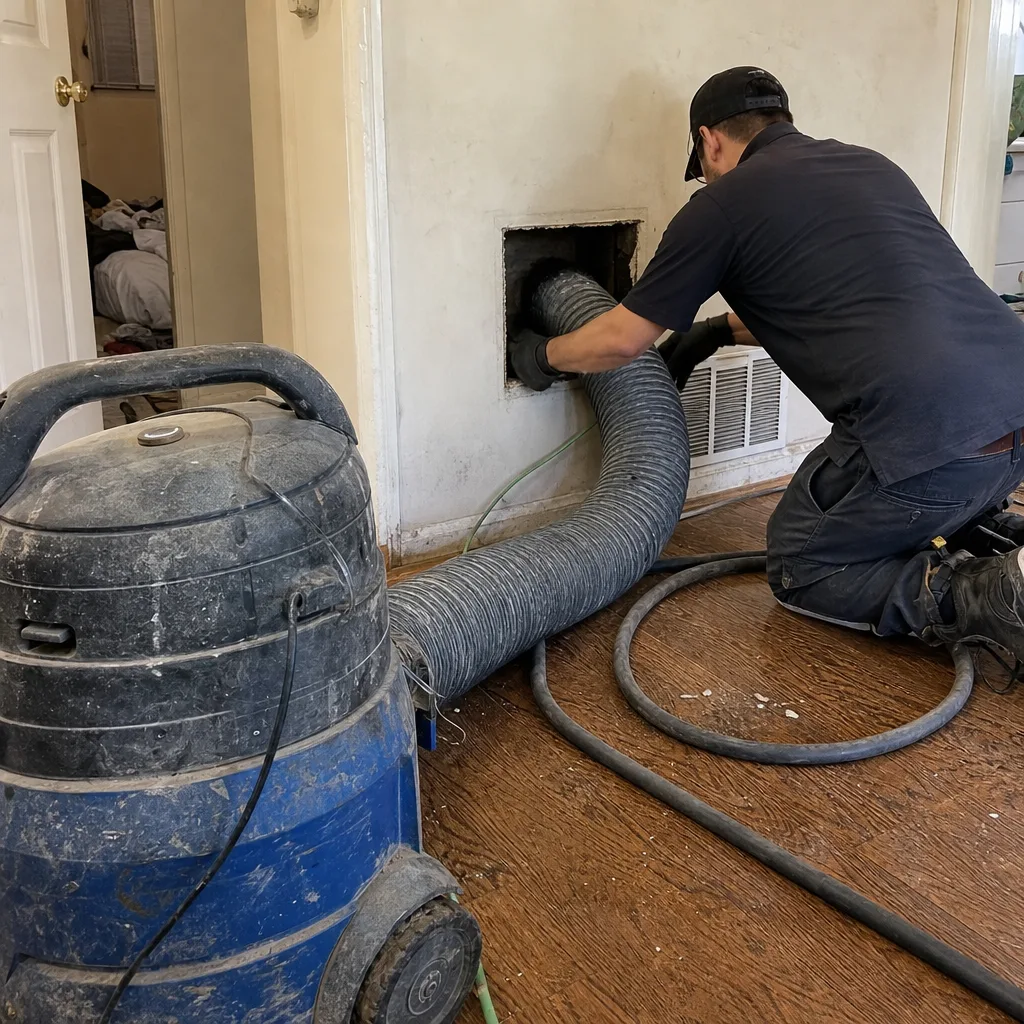 Before
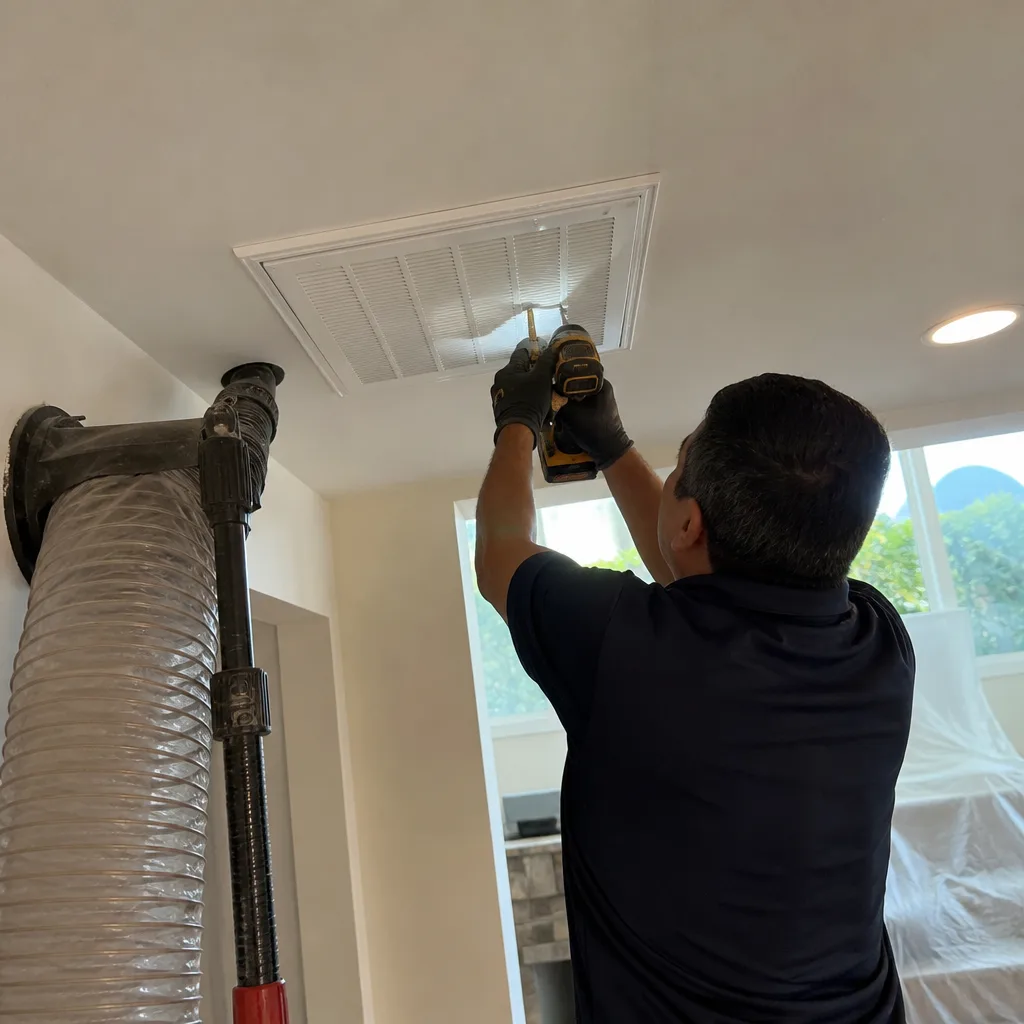 After
AfterFast, Reliable Dryer Vent Cleaning Across Denver
Dryer vent cleaning in Denver typically costs between $129 and $249 for a standard single-family home, and most jobs are completed in under two hours. That’s the honest range, written down before any work starts. If you live in Harvey Park, Virginia Village, Athmar Park, or anywhere else in the metro, you’re dealing with a specific set of conditions: semi-arid air, long heating seasons, and in many older homes, vent runs that were routed badly from the day they were built. We’re familiar with all of it. Call (980) 447-2498 for a free estimate, and you’ll get a real person on the line, not a queue.
Why Linden Air Duct Cleaning Is Denver’s Preferred Dryer Vent Cleaning Company
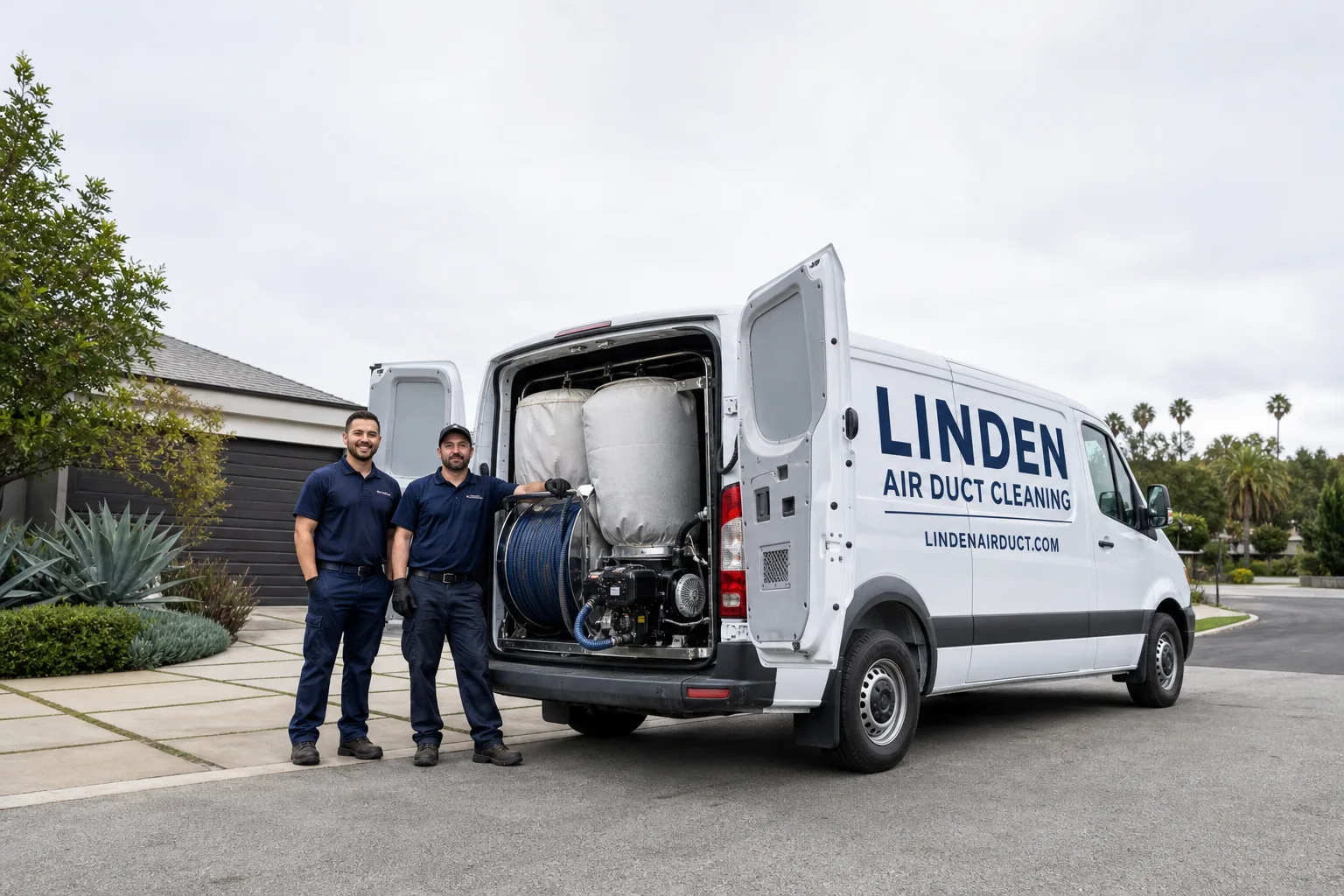
Homeowners in Denver call us because we tell them exactly who is coming to their door before the visit. Every Linden technician is background-checked, identity-verified, and arrives in a clean, marked uniform. You receive the tech’s name and photo before the appointment, and they show a photo ID badge when you open the door. Marcus Veale and our Denver team built this company around a simple idea: you should never have to wonder who’s standing on your porch.
We’ve been doing this work since 2004 as part of the Threshold Group family, operating to the Threshold Verified standard. That means the same written price before work begins, the same Dryer Vent Cleaning process, and the same 365-Day Done Right Promise on every job in Denver. If the work isn’t right, we make it right. That promise is in writing, every time.
Dryer Vent Cleaning Service in Denver
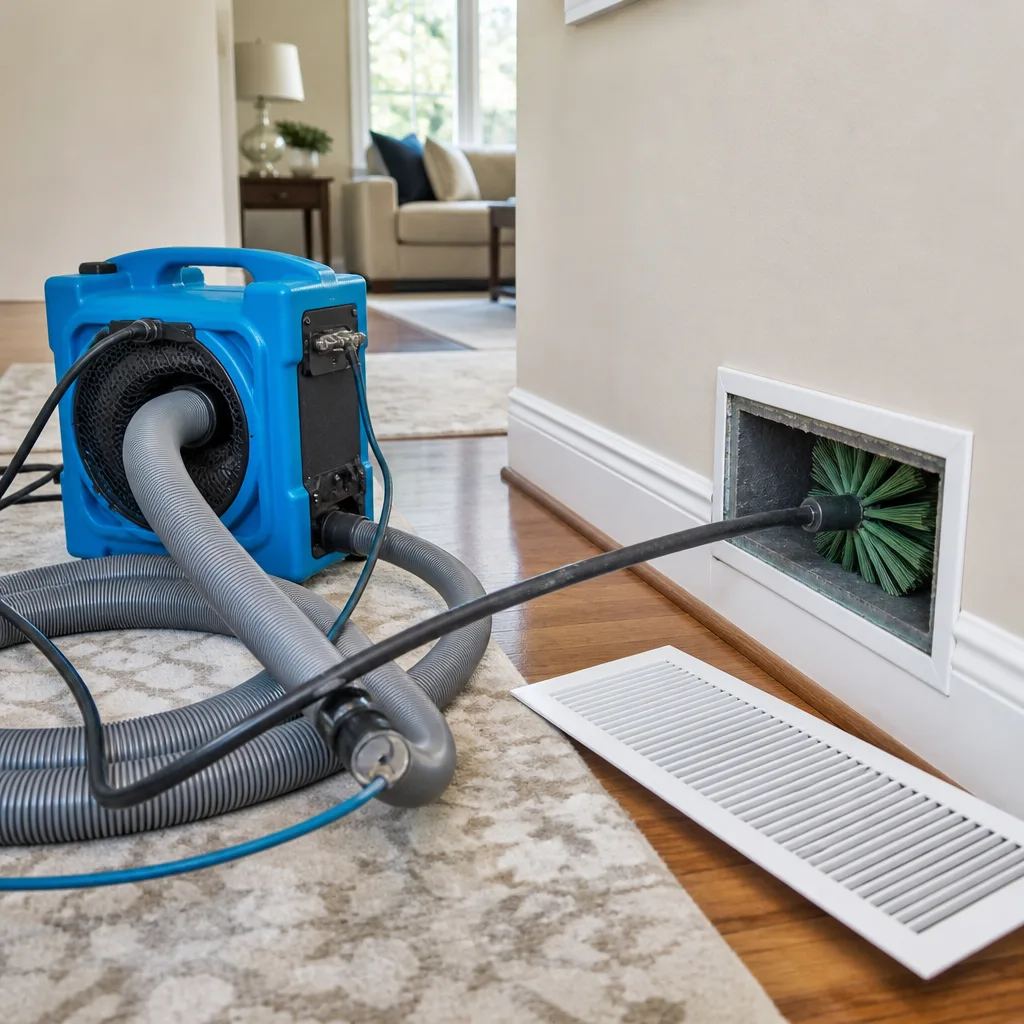
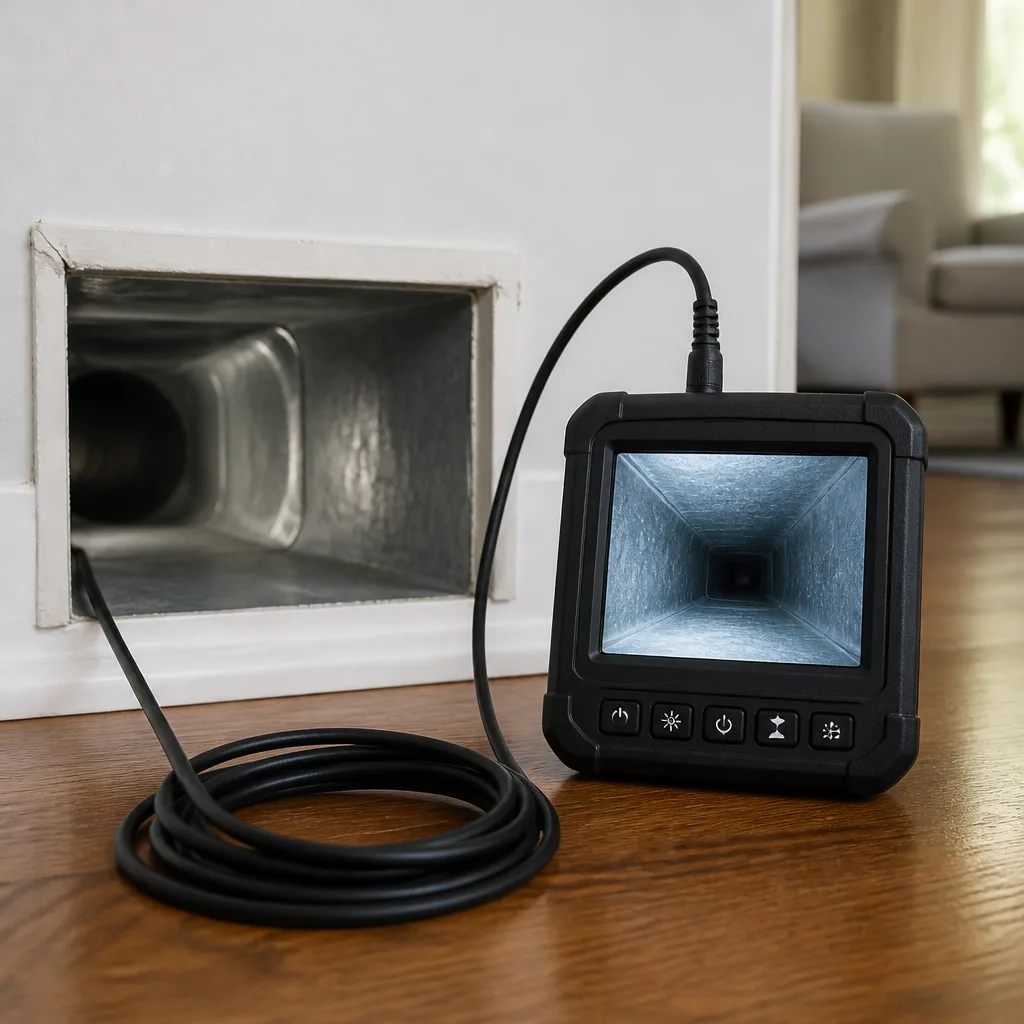
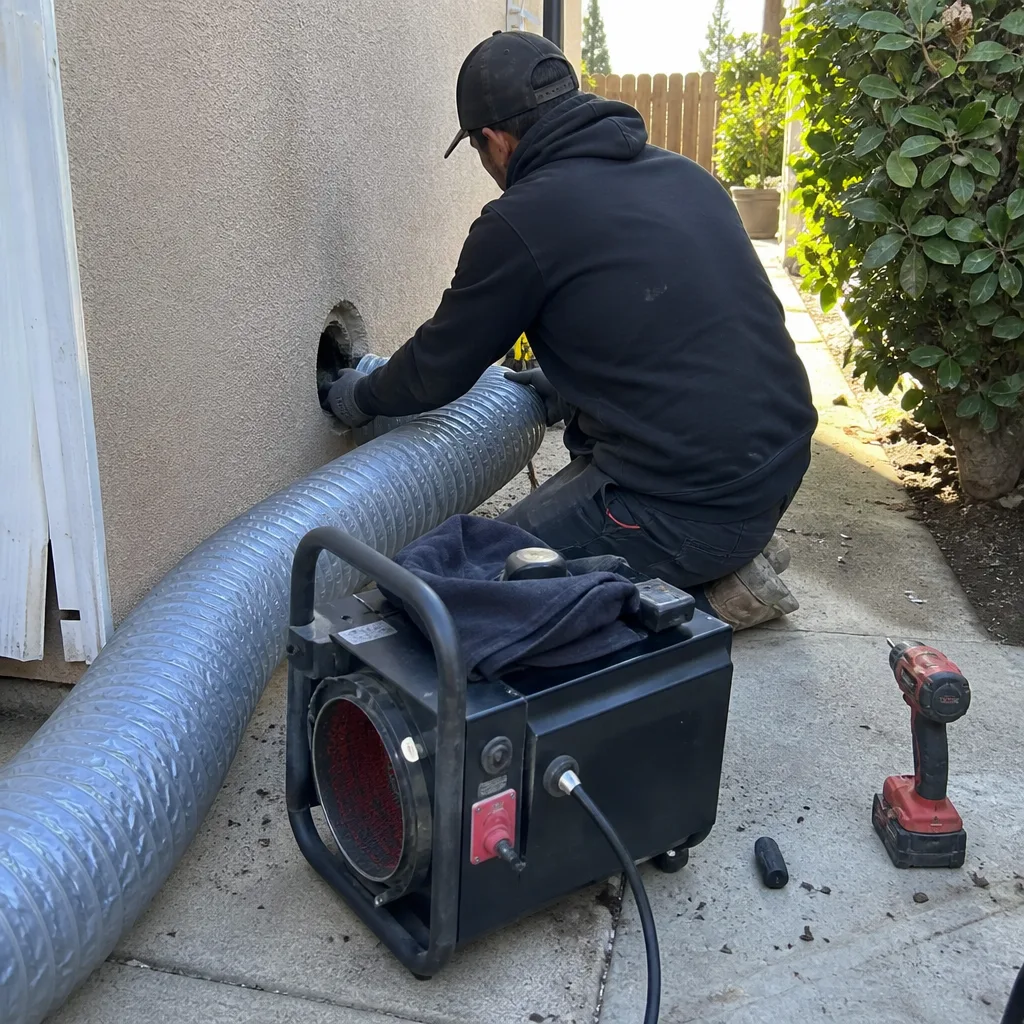
Dryer Vent Cleaning Service in Denver means more than running a brush through the visible section behind the dryer. In this city’s older ranch homes, the real problem is often hidden: a run that terminates under the foundation, a crushed elbow behind drywall, or a horizontal stretch packed with lint that never reaches the exterior hood. We use professional-grade Rotobrush agitation tools and negative-pressure extraction to pull debris from the full length of the run, then camera-inspect the result so you can see exactly what was removed.
Why Denver’s Older Homes Need a Different Approach
Standard cleaning assumes the vent exits through a wall or roof and that the blockage sits near the exterior hood. In neighborhoods like Harvey Park and Virginia Village, many 1950s and 1960s ranches were built with dryer vents that terminate under the raised foundation or in the attic instead. These runs are long, horizontal, insulated only by the original tar paper, and they trap lint and moisture in ways a surface clean never touches. When the exterior hood looks clear, the blockage is often twenty feet back, hidden in a run that was code-questionable from the start.
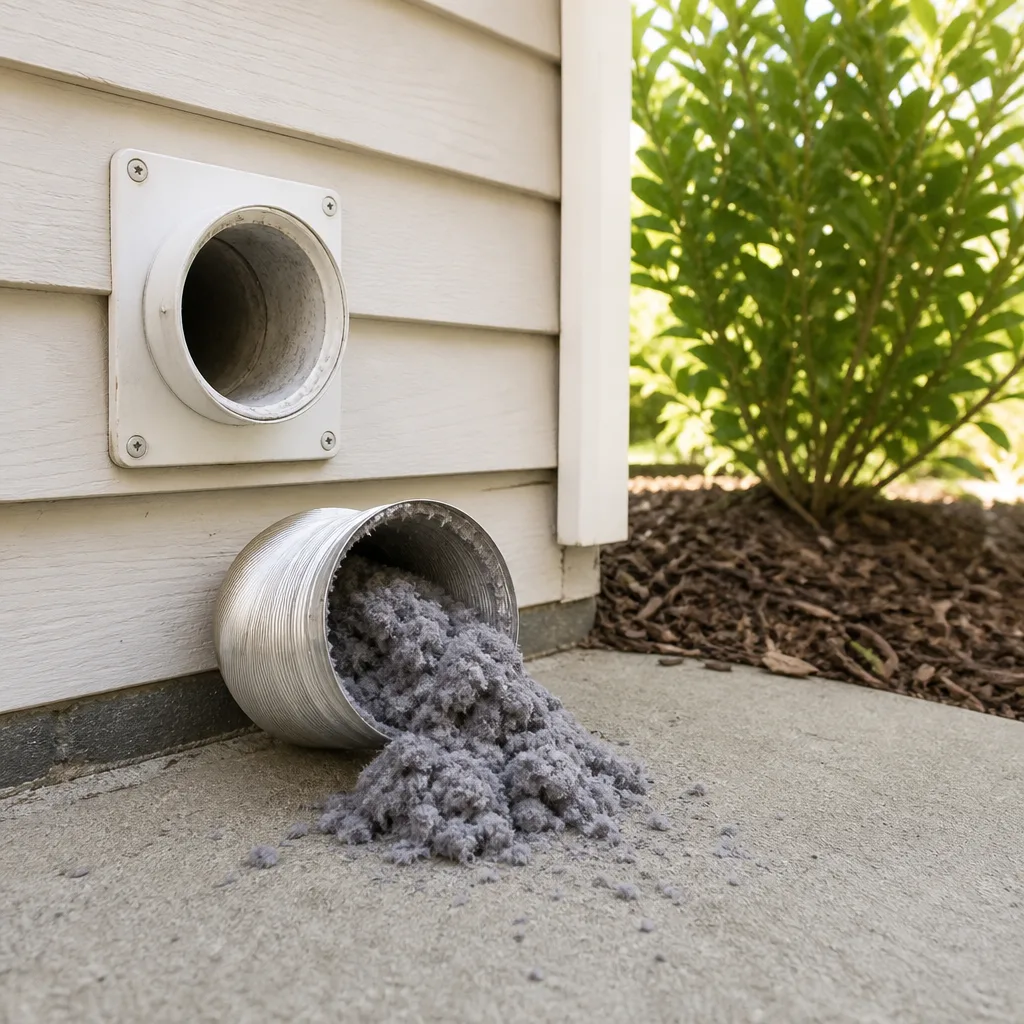
Our techs were called to a 1962 ranch in Harvey Park after the homeowner’s dryer began taking 90 minutes to dry a load. The exterior hood was clear, but a camera inspection into the lint pathway revealed a crushed, disconnected run under the slab that had been venting into the crawlspace for years. We used Rotobrush tools and negative pressure to pull out enough lint and rodent nesting material to fill a five-gallon bucket, then reconnected and sealed the run to NADCA standards. The dryer cycle dropped back to 45 minutes.
What a Denver Dryer Vent Cleaning Includes
Every visit starts with an inspection of the full run, from the appliance connection to the exterior termination. We check for disconnections, crush points, and improper materials, then clean the entire pathway using negative-pressure extraction that pulls debris toward the vacuum rather than blowing it into your laundry room. You get before-and-after photos of your own vent, not a stock image. The price is fixed before we begin, and it covers the complete job, no per-foot add-ons.
Dryer Vent Installation in Denver
Dryer Vent Installation in Denver is the right call when an old run is beyond cleaning: too kinked, too long, made of the wrong material, or routed somewhere no modern inspector would pass. We see this most often in post-WWII ranch homes where the original vent was an afterthought, buried under a slab or pushed through an unvented attic. Replacing it with a proper run, usually rigid metal rather than flexible foil, solves the problem permanently instead of just chasing lint every year.
What a Proper Vent Run Looks Like
The current best practice, and what we install, is a rigid metal duct with the shortest possible horizontal span, minimal elbows, and a termination that exits through an exterior wall or roof with a proper hood and bird guard. Flexible foil and plastic accordion vent are not acceptable for full runs, and we remove them on sight. In Denver, where long heating seasons and wildfire ash already stress your vent system, a properly installed run is the difference between a dryer that works and a fire risk you can’t see.
Vent Rerouting for Code and Safety
Older Denver homes often have vents that end under the house or in the attic. That was common practice in the 1950s and 1960s, but it means lint and moisture are being dumped into an enclosed space, not outside. We inspect these runs with a camera, document what we find, and give you a written estimate to reroute the vent to a proper exterior termination. The job is straightforward when it is done right, and the price is agreed before any work begins.
Trusted Brands We Service in Denver
Denver homeowners run everything from basic Whirlpool and GE dryers to high-end LG and Samsung units, and they all share one thing: the vent behind them needs to breathe. We stock common rigid-metal vent components locally, so a typical replacement doesn’t wait on a backorder. Our equipment and air-quality products come from trade brands we trust, including Nikro, Honeywell, and Aprilaire. When a job calls for it, we also work with Abatement Technologies equipment for heavier particulate situations. The brand on your dryer matters less than the condition of the run behind it.
Common Dryer Vent Cleaning Problems We See in Denver Homes
- Under-slab and attic dryer vent runs in 1950s – 1970s ranch homes. Original runs in neighborhoods like Barnum and Athmar Park were often built into foundations or attics, not exterior walls. They are inaccessible by design, and when they disconnect at a hidden elbow, lint spills into the crawlspace or insulation for years without any visible sign at the exterior hood.
- Dry, friable lint that packs long horizontal runs. Denver’s semi-arid climate keeps indoor humidity below 20% for much of the year, so lint doesn’t mat down like it does in humid markets. It stays loose, dusty, and deeply packed along horizontal sections. An exterior visual check tells you almost nothing about what’s twenty feet back.
- Post-wildfire ash compounding existing blockages. After active fire seasons, homeowners across the southeast Denver metro run dryers longer to clear smoke odor from clothing and bedding. That pushes additional lint and ash through already restricted vent paths, turning a slow dryer into a genuine fire hazard within a single season.
- New-construction debris in Central Park and western suburban homes. Denver’s 2010s building boom produced thousands of new homes, and drywall dust and insulation debris were often sealed inside ducts at the time of build. A dryer vent in a five-year-old Central Park home can be as clogged as one in a 1962 ranch, just with different material.
Pricing for Dryer Vent Cleaning in Denver, CO
A standard dryer vent cleaning in Denver runs $129 to $249 for a single-family home with a typical exterior-wall or roof termination. Expect the higher end of that range, or slightly beyond, if you have a long horizontal run, an under-slab or attic termination, or a vent that hasn’t been cleaned in several years. Rerouting a vent or replacing a run typically adds $180 to $350 depending on access and materials, and we put that in writing before any work begins. Bird guard installation and vent cap replacement run $45 to $95 each when done as part of a cleaning visit. The estimates are free, and the price you agree to is the price on the invoice. Call (980) 447-2498 for an exact quote.
We Also Serve Cities Near Denver
While this page focuses on Dryer Vent Cleaning in Denver, our team also covers Boulder, Greeley, Fort Collins, and Colorado Springs. If you’re just outside the metro, give us a call and we’ll confirm coverage for your area. The same written pricing and 365-Day Done Right Promise apply across the Front Range.
Serving Denver, CO - Our Local Coverage Area
We’re based in the Denver area and know this community well. Use the map below to see our service coverage - if you’re nearby, we can almost certainly help.
FAQs About Dryer Vent Cleaning in Denver
Denver’s semi-arid climate keeps lint dry and loose, so it doesn’t clump and settle like it does in humid markets. Instead, it stays friable and gets pushed deeper into long horizontal runs with every cycle. Add the extended heating season from October through April and the extra dryer loads people run after wildfire smoke events, and you get a vent that packs tight surprisingly fast. Call (980) 447-2498 and we’ll inspect your run and tell you exactly what’s in there.
Yes. We camera-inspect the full run to locate the exact route and any disconnections, then clean it with negative-pressure extraction and Rotobrush agitation tools designed for long, awkward runs. Under-slab vents are common in Harvey Park, Virginia Village, and other post-WWII Denver neighborhoods. The key is that we don’t stop at the visible section behind the dryer, we go the full length.
The honest answer is you can’t know by looking. A vent that appears clear at the exterior hood can be nearly blocked twenty feet back, especially in Denver homes with horizontal or under-slab runs. The signs that should get your attention: clothes taking longer than one cycle to dry, the dryer getting unusually hot, a burning smell when it runs, or the exterior flap not opening when the dryer is on. If you’re seeing any of those, call (980) 447-2498 for a camera inspection.
Yes. Denver’s 2010s building boom produced thousands of new homes, but construction debris doesn’t care about the year on the deed. Drywall dust and insulation fragments get sealed inside ducts during construction, and a dryer vent in a five-year-old Central Park home can be as restricted as one in a 1962 ranch. If your home was built in the last decade, a camera inspection is the only way to know what’s actually inside the run.
Dryer vent cleaning addresses the single exhaust pathway that carries hot, lint-laden air from your dryer to the outside. Air duct cleaning addresses the supply and return ductwork that distributes heated and cooled air throughout your home. They are different systems, different equipment, and different risks. We do both, but the dryer vent is the one that carries fire risk when ignored, and in Denver it needs attention more often because of how dry the climate keeps the lint.
If you’re ready to get your Denver dryer vent inspected, cleaned, or replaced, call (980) 447-2498 for a free estimate. You’ll get a live person, a written price before any work starts, and the name and photo of the technician before they arrive at your door.
Written by Marcus Veale, Owner at Linden Air Duct Cleaning, serving Denver since 2004.