
Last updated October 8, 2026
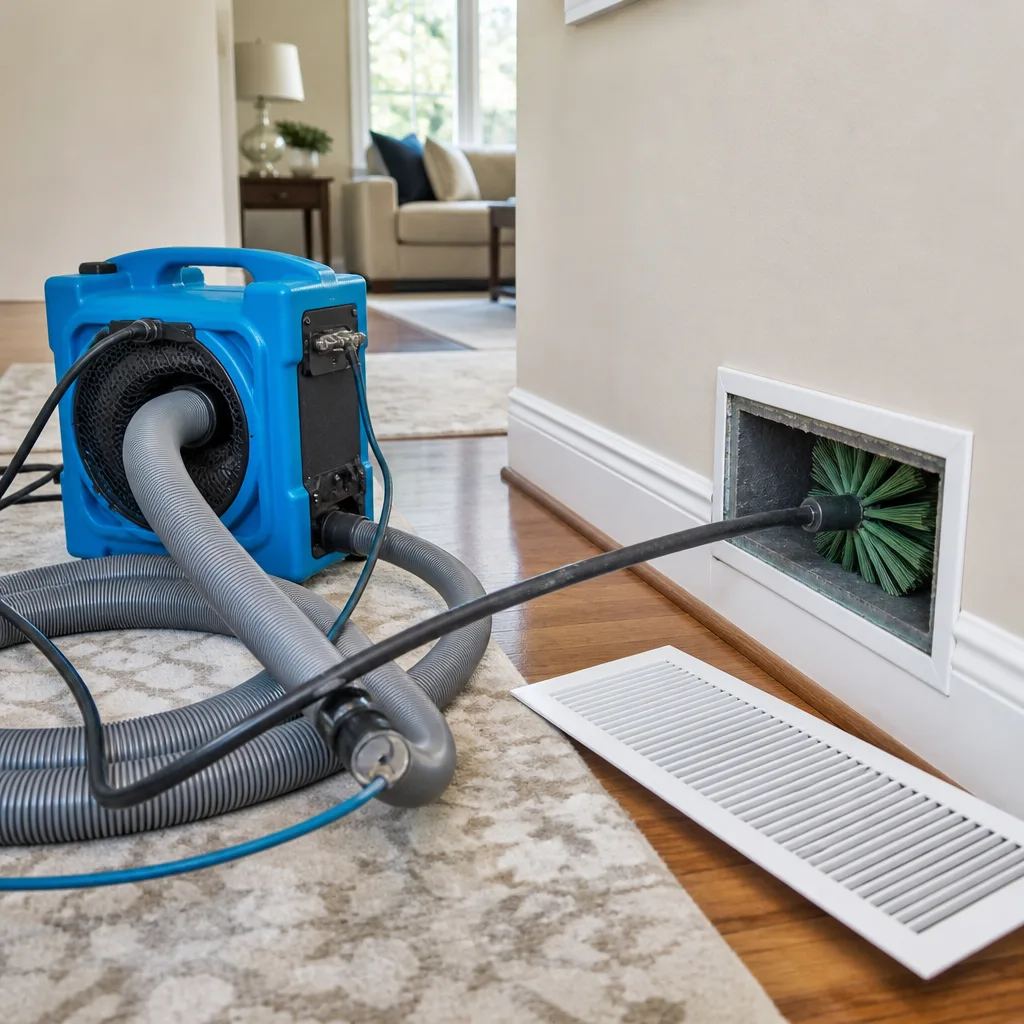
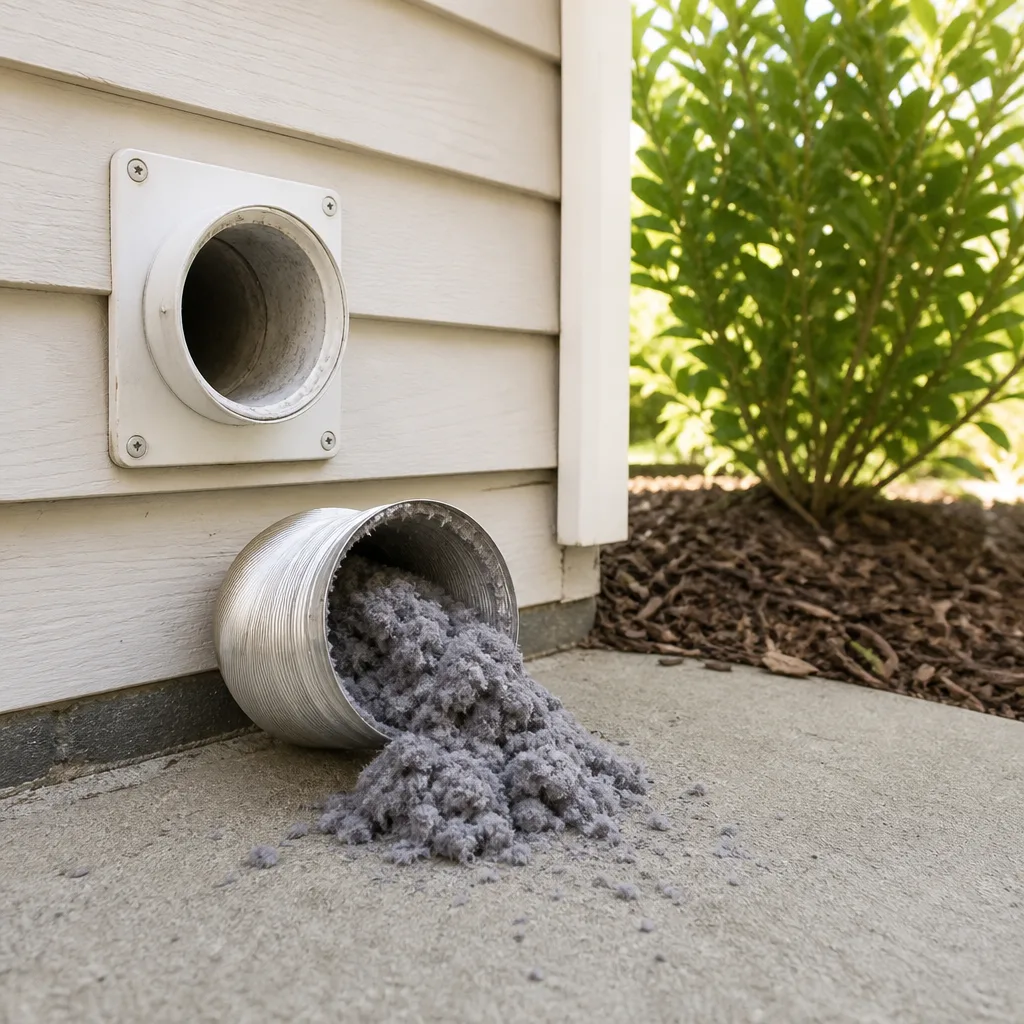
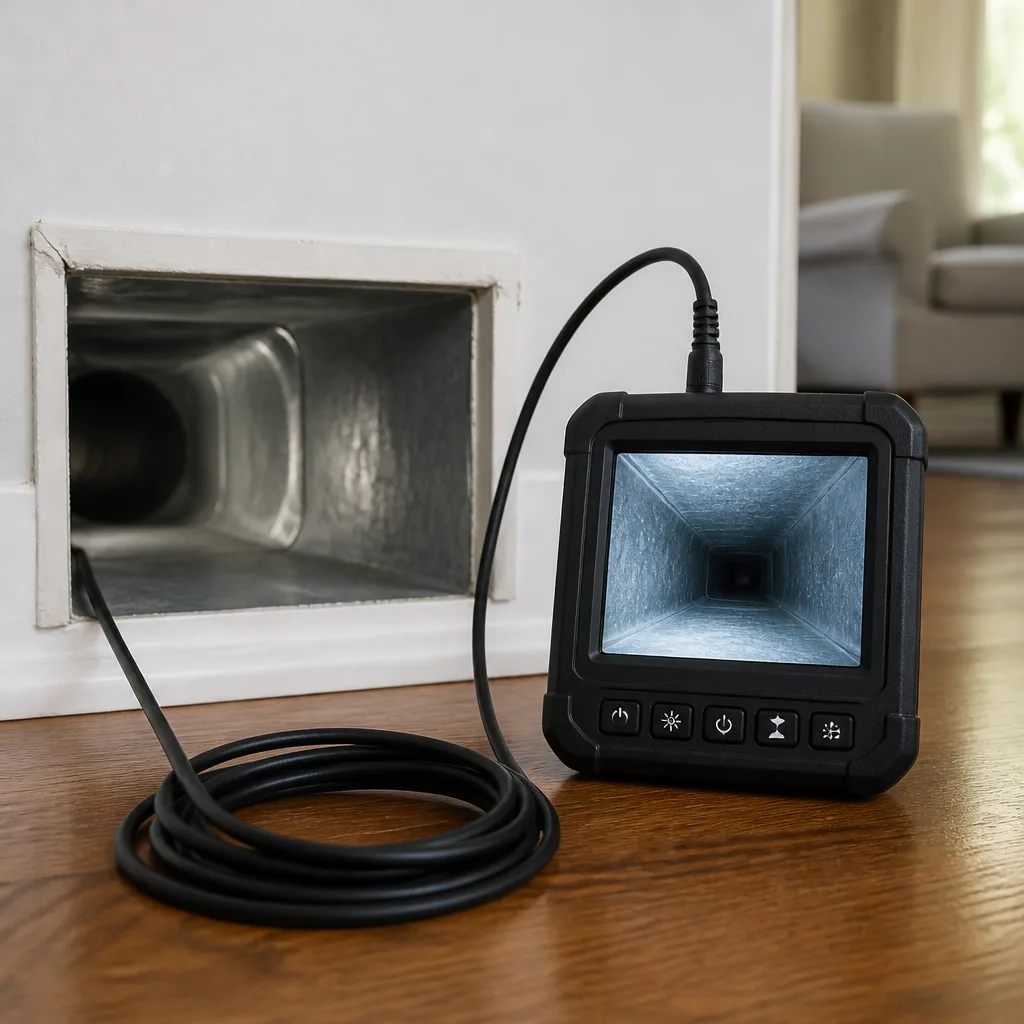
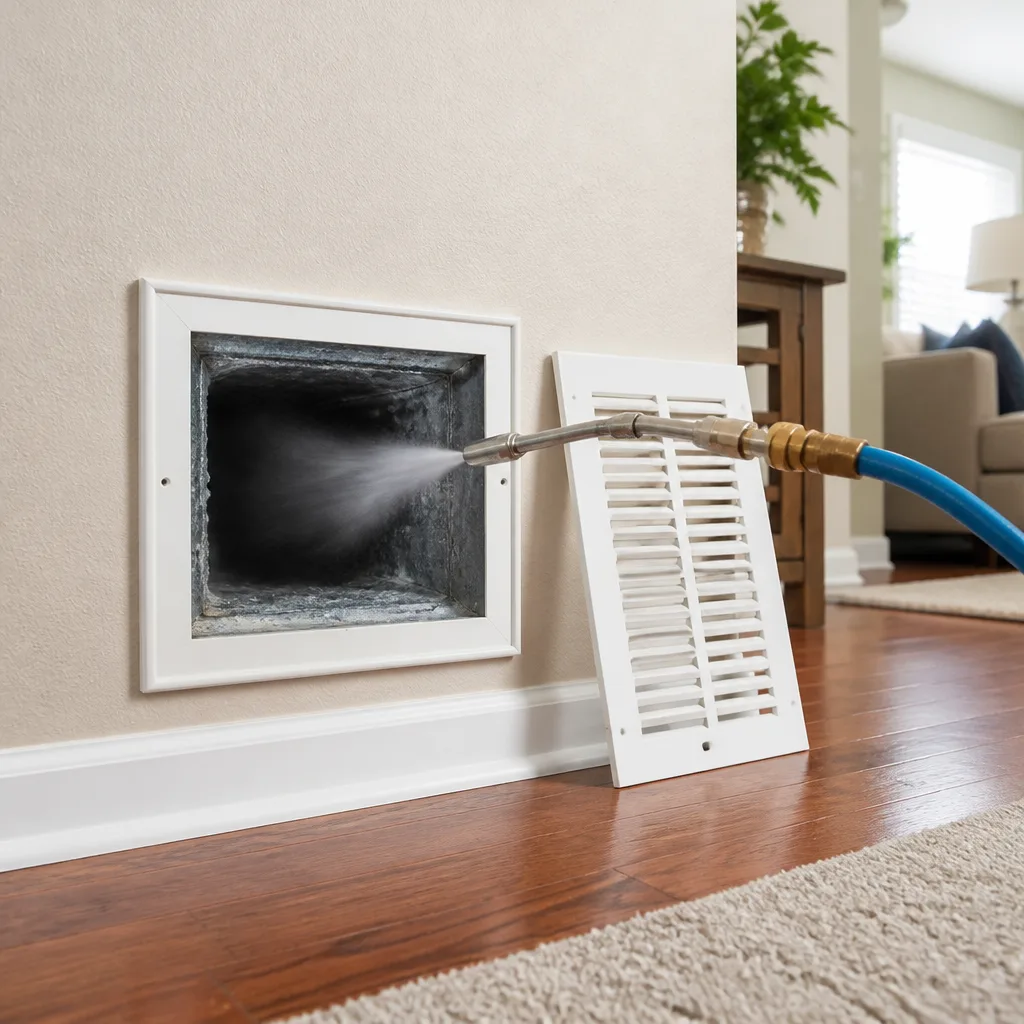
Whole-system duct and dryer vent check with before-and-after photos - you see exactly what came out of your vents
That "$99 whole-house special" is a bait ad - the real number appears once they are in your hallway, or the "clean" is a shop-vac at the register. We photograph the inside of your ducts before and after instead.
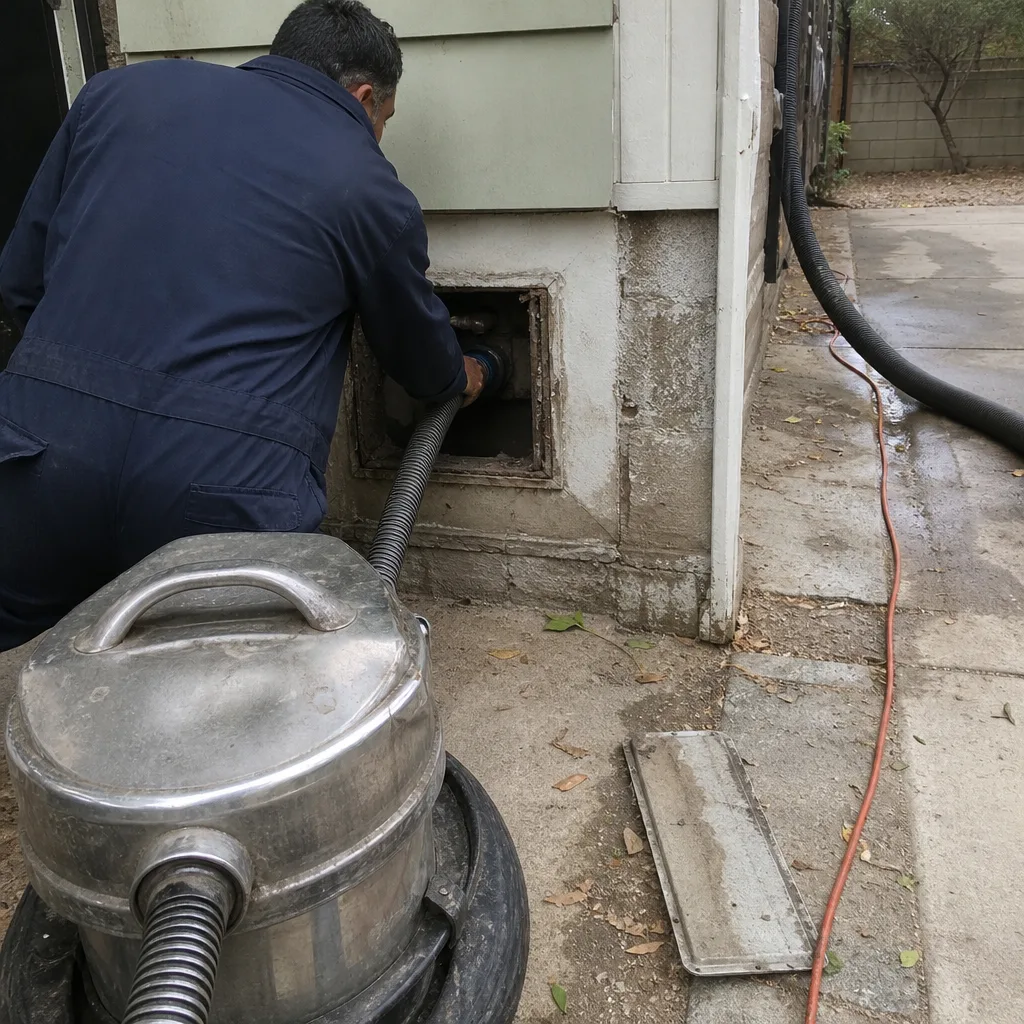 Before
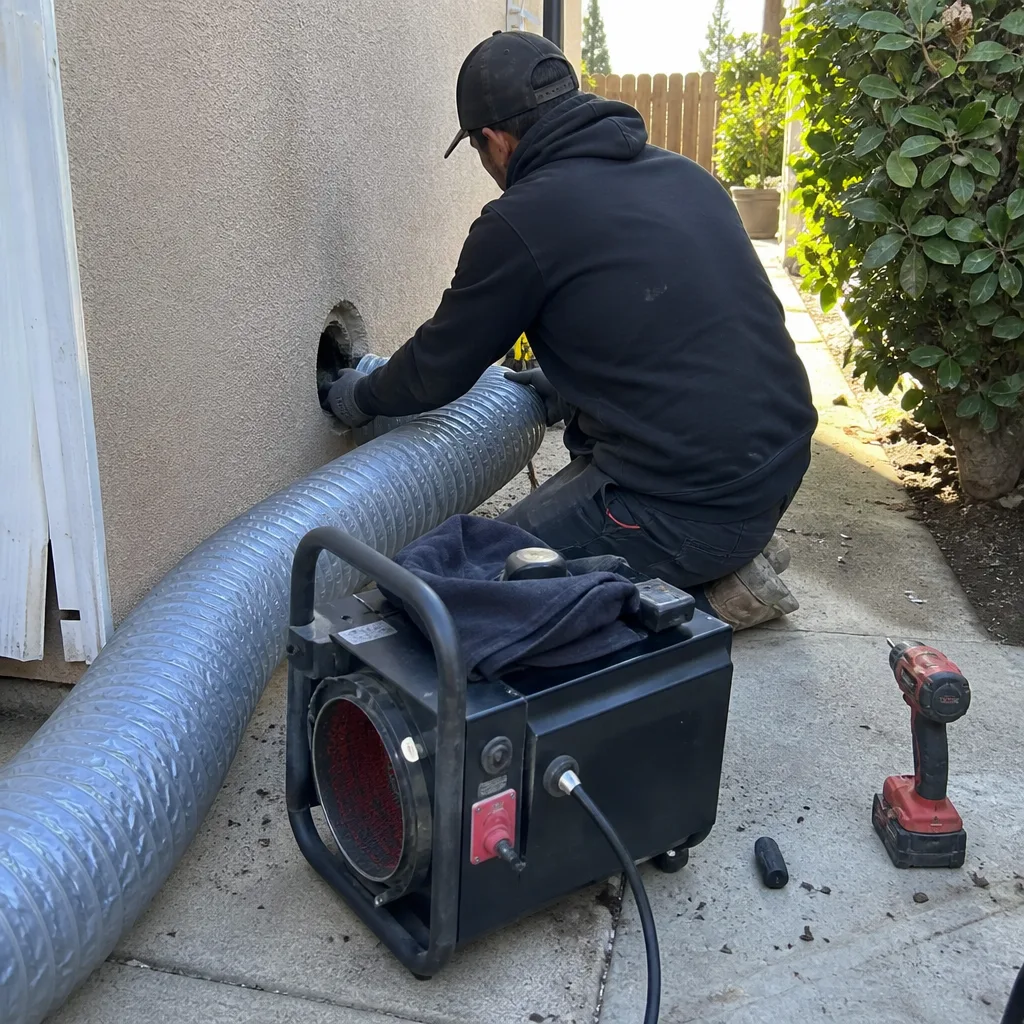 After
After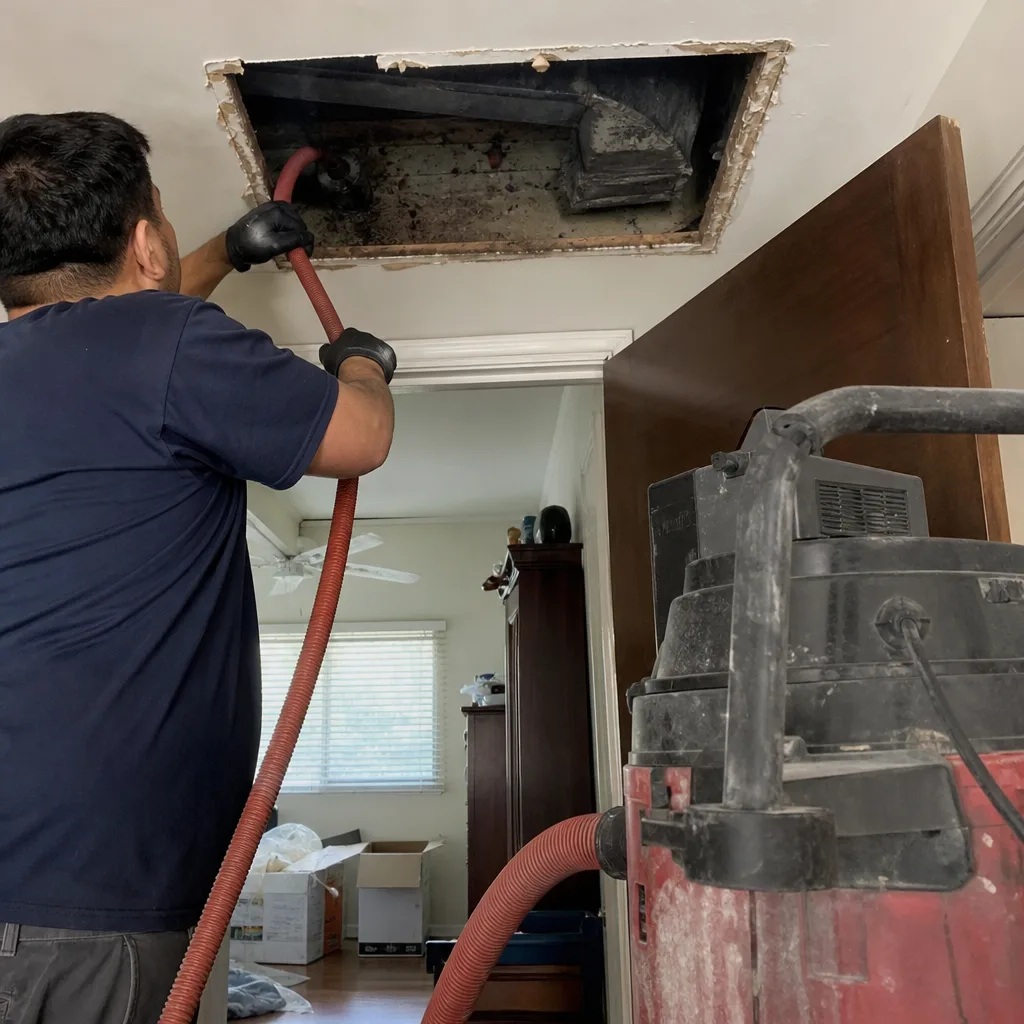 Before
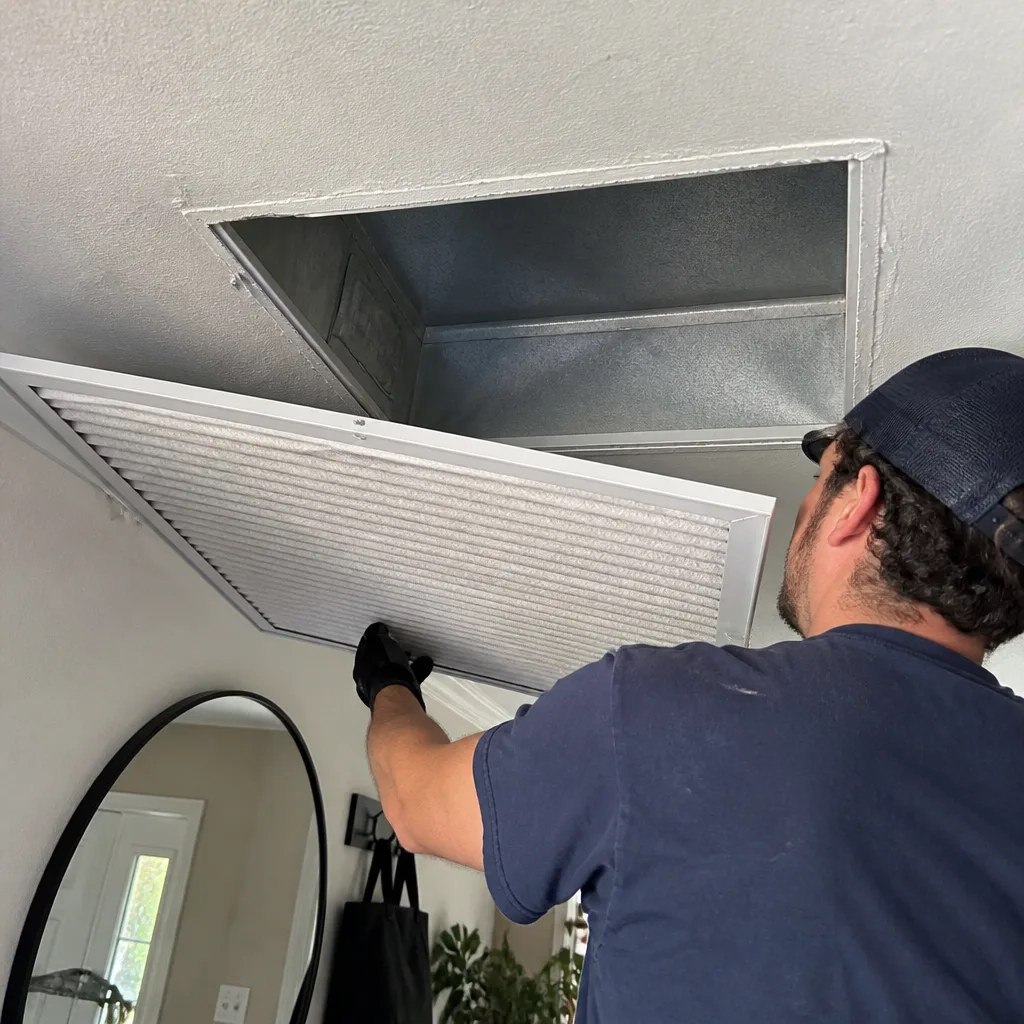 After
After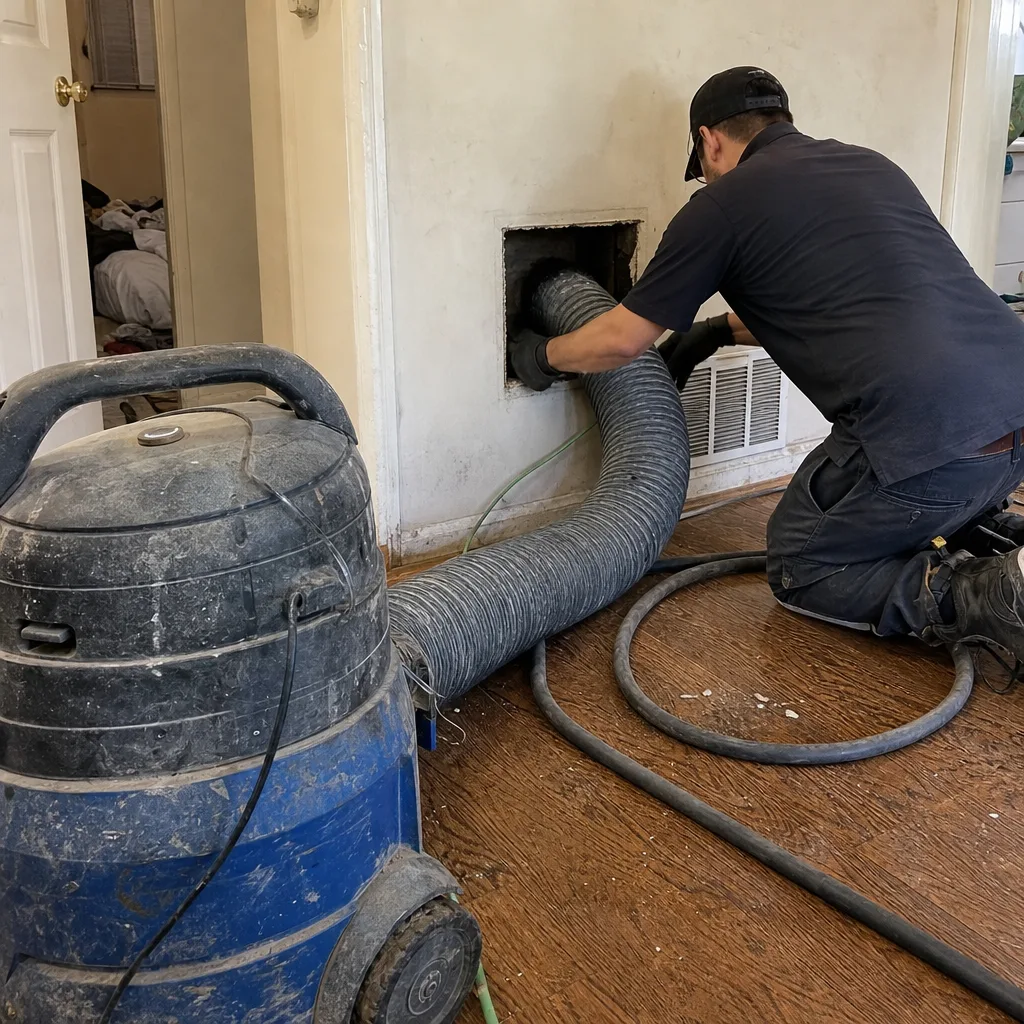 Before
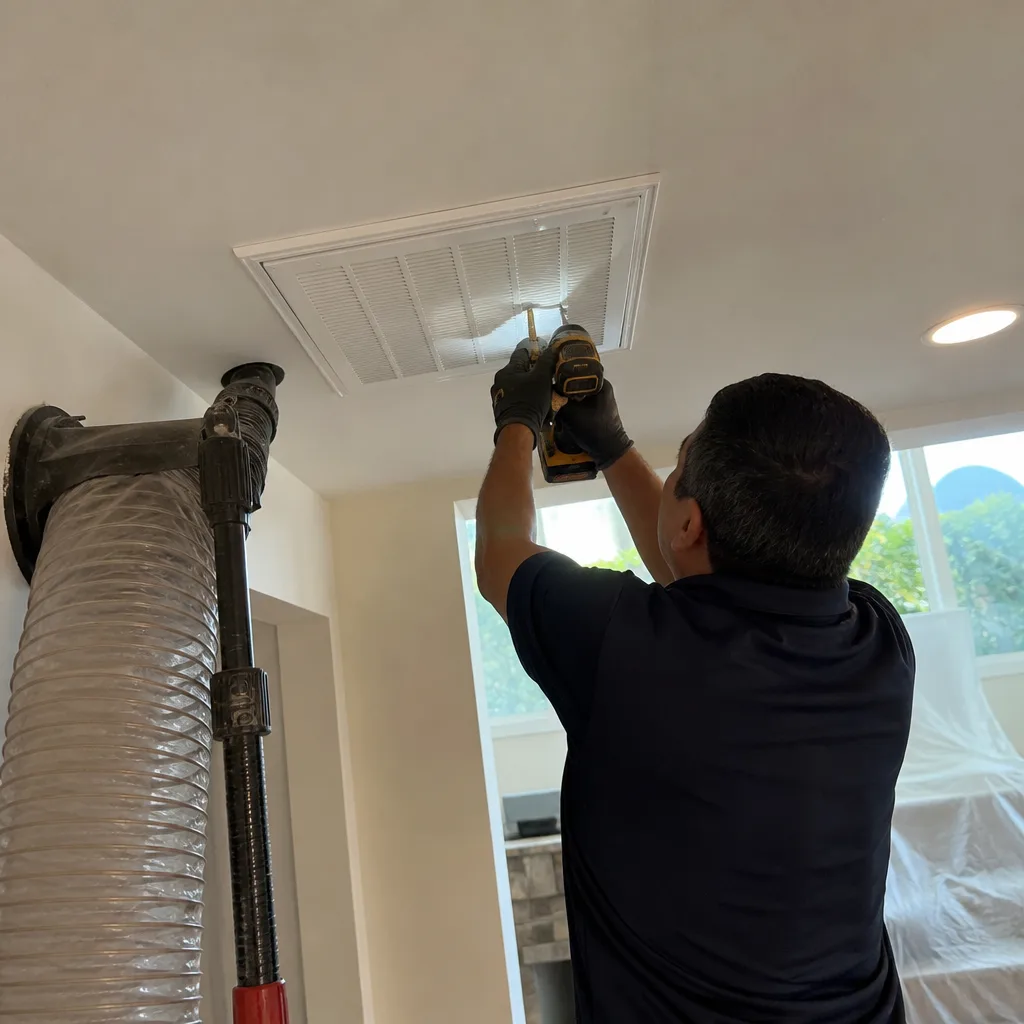 After
AfterAir Duct Repair Troubleshooting: Common Problems and How to Fix Them
Here’s something most homeowners in Los Angeles don’t realize until they’re standing on a chair holding a tissue up to a vent: the technician who asks “so what’s going on?” before looking at anything will take longer and charge more than the one who gets a precise symptom description and goes straight to the likely failure point. Duct problems are rarely mysterious. The system tells you what’s wrong if you know how to listen. What we’re going to walk through here is a room-by-room diagnostic method that narrows most duct failures down to five root causes before anyone ever rings your doorbell. For a deeper look at when professional help is essential, see our Air Duct Repair Warning Signs Every Homeowner Should Know. You’ll learn what disconnected ducts look and sound like in an attic, how a stuck damper mimics a blockage, which smells mean what, and exactly when to stop poking around and call someone who does this every day.
Quick Answer
Air duct repair troubleshooting comes down to matching a symptom to one of five failure types: disconnected duct sections, crushed or collapsed ductwork, stuck dampers, leaking joints, or airflow imbalance from poor original design. Most problems can be narrowed down with a simple room-by-room walkthrough before you call a technician. If you find disconnected sections, visible mold, or airflow that drops suddenly across multiple rooms, call a Los Angeles air duct repair specialist rather than attempting a DIY fix.
Table of Contents
- The Symptom-to-Cause Decision Tree
- How to Run a Pressure-Leak Test Without Any Tools
- Disconnected Duct Sections: The Most Common LA Repair Call
- Stuck Dampers: The Blockage That Isn’t a Blockage
- Crushed and Collapsed Ductwork: What It Looks Like and Why It Happens
- Leaking Joints: The Silent Efficiency Killer
- Airflow Imbalance: When the Design Was Wrong from the Start
- Common Mistakes to Avoid
- When to Call a Professional
- Frequently Asked Questions
- The Bottom Line
The Symptom-to-Cause Decision Tree
Before you touch anything, walk the house. You’re gathering evidence, not fixing yet. Grab a notepad or your phone and go room by room. The diagnostic logic is simple: each symptom you observe points toward one failure type more than the others. When you can describe symptoms precisely, the technician spends less time hunting and more time repairing. In Los Angeles, where labor rates run anywhere from $85 to $150 per hour for duct work, that precision translates directly into a smaller invoice.
Here’s the decision tree we use when a homeowner in Los Angeles calls us describing a problem:
- Uneven room temperatures (one bedroom is 8-10 degrees warmer than the rest of the house) points to disconnected duct sections, crushed flex duct, or a stuck damper. If the temperature difference appeared suddenly, it’s probably a disconnect. If it developed gradually over months, suspect a damper or crush.
- Weak airflow from specific vents while other rooms blow strong suggests a localized restriction: a collapsed duct section, a disconnected run leaking into the attic, or a damper that’s jammed mostly closed.
- Hissing or rattling sounds when the system runs almost always indicates a leak at a joint or a loose connection. Hissing is air escaping under pressure. Rattling is metal vibrating against metal where a clamp or strap has failed.
- Visible dust near registers (gray streaks on the wall or ceiling around a supply vent) means air is leaking at the boot connection, pulling attic or crawl space air into the conditioned stream. It’s not a cleaning issue. It’s a sealing issue.
- Whistling from a single vent means the register damper or a balancing damper upstream has shifted and is creating a narrow air passage. The air is moving faster through a smaller opening, and fast air makes noise.
Write down which rooms do what. That list is worth more than any video you could record. A technician who receives “the master bedroom is warm, the hall bath blows weak, and there’s a hissing sound near the return in the hallway” can often diagnose the problem before leaving the office.
How to Run a Pressure-Leak Test Without Any Tools
You can identify leaking duct joints without buying anything. The tools are already in your house: an incense stick, a tissue, or a piece of thread works. Here’s the method step by step:
- Turn the system on. Set the thermostat to fan-on mode if you have it. You want air moving through the ducts without the compressor cycling.
- Close all the supply registers except one in the room you’re testing. This increases pressure inside the ductwork and makes small leaks more visible.
- Light the incense stick and hold it near every accessible duct joint: where the supply boot meets the wall, where flex duct connects to the metal plenum, where two sections of rigid duct join, anywhere you can see a seam or a clamp.
- Watch the smoke. If the smoke wavers, bends, or gets sucked toward a seam, air is moving through that joint. That’s a leak. If the smoke rises straight and undisturbed, the joint is reasonably tight.
- Repeat in each room. Move the closed register to a different room and test again. The goal is to map every joint you can reach from inside the house.
For attic or crawl space ductwork, the same method works if you’re comfortable accessing those spaces. In Los Angeles attics, which routinely reach 140-150 degrees in summer, do this early in the morning and bring a headlamp. You’re looking for joints where the smoke bends at the connection points. Mark the spots with tape so you or your technician can find them again immediately.
One thing to understand: this test identifies leaks at accessible joints, but it won’t reveal every problem. Duct leaks inside walls or under slab foundations won’t show up here. If your pressure test finds nothing but your symptoms persist, the problem is likely in a location you can’t see.
Disconnected Duct Sections: The Most Common LA Repair Call
In our experience repairing ducts across Los Angeles, disconnected duct sections account for more service calls than any other single failure. Older homes in neighborhoods like Van Nuys, Reseda, and the San Fernando Valley often have ductwork from the 1970s and 1980s. The original duct tape (and yes, that’s what it was made for originally, but it’s terrible at it long-term) has dried out, lost adhesion, and let go. What you’re left with is a flex duct or rigid duct section that has physically separated from the plenum, a tee, or another section.
What a disconnected duct looks like in an attic: a flex duct hanging loose from a metal collar, the inner liner visible and the insulation jacket pulled back. There’s often a pile of gray insulation debris on the attic floor directly beneath it. The air that should be going to your bedroom is instead blowing into the attic. This is why one room gets hot while the rest of the house cools normally. The conditioned air never arrives.
What it sounds like: sometimes nothing. If the system is otherwise quiet, a disconnected flex duct in an open attic may not make audible noise from the living space. You’ll notice the temperature difference first. If the disconnect is partial or the duct is resting against a rafter, you may hear a low whooshing or flapping sound when the blower runs.
What it costs: in the Los Angeles market, reconnecting a single detached duct section typically runs between $150 and $350 depending on access difficulty and whether the collar or clamp needs replacement. If the duct has been disconnected for years, there may be insulation damage or the duct itself may be degraded enough to warrant replacement of that run. A full flex duct run replacement for an average bedroom runs $400 to $900 in LA, depending on length, diameter, and attic accessibility.
If you find a disconnected duct, you can monitor it for a week before calling. But here’s the honest truth: reconnecting it properly requires mastic sealant and a properly fitted clamp, not duct tape. Duct tape fails again within a season or two because the adhesive breaks down under attic heat. The repair is a one-hour job for someone who does our Air Duct Repair services daily, and it’s one of the lower-cost duct repairs you’ll ever pay for.
Stuck Dampers: The Blockage That Isn’t a Blockage
A stuck damper is the most commonly misdiagnosed duct problem in Los Angeles homes. Homeowners call it a blockage. Technicians sometimes call it a blockage too, because a jammed damper restricts airflow exactly like a physical obstruction would. But the repair is completely different, and treating it as a blockage means you’ll waste time and money on the wrong fix.
Here’s how to tell the difference before anyone arrives. A physical blockage (debris, a collapsed duct, a dead rodent) produces symptoms that don’t change much day to day. The restriction is what it is. A stuck damper, on the other hand, often produces intermittent symptoms. You may notice the bedroom is warm on Tuesday but fine on Thursday. That happens because the damper shifts slightly with air pressure or temperature changes, sometimes partially opening, sometimes closing more.
Dampers are metal plates inside the duct, usually controlled by a small lever on the outside of the duct body. In attics, the lever is often a wing nut or a simple handle. In some LA homes built in the 1990s and later, dampers are motorized and controlled by zone thermostats. Motorized dampers fail in predictable ways: the motor burns out, the gear strips, or the linkage connecting motor to damper plate snaps. Manual dampers fail when the lever rusts, the plate warps under attic heat, or a previous owner adjusted it and it seized in that position.
What a stuck damper looks like in an attic: a duct body with a lever that won’t move, or a motorized damper with a motor that hums but doesn’t rotate the shaft. Sometimes the failure is visible as a disconnected linkage rod. If you see a damper and you’re not sure whether it’s open or closed, check the lever position against the direction of the duct. On most manual dampers, the lever parallel to the duct means open; perpendicular means closed. A damper that’s partly closed is usually the culprit when one room is mildly warm but not hot.
Repair costs for a stuck manual damper in LA typically run $125 to $250. Replacing a failed motorized damper runs $350 to $700 including the part and labor. These are targeted repairs, not system-wide overhauls. A technician who correctly identifies a stuck damper saves you from paying for a duct cleaning, a larger repair, or a new system you didn’t need. In Los Angeles, air duct repair that starts with accurate diagnosis is almost always cheaper than repair that starts with a guess.
Crushed and Collapsed Ductwork: What It Looks Like and Why It Happens
Flex duct is fragile. It’s a wire coil wrapped in insulation and an outer jacket, and when something heavy rests on it or someone steps on it, the coil deforms. The interior passage flattens from a circle to an oval or a slit. Airflow drops dramatically. The room at the end of that run gets less air than any room in the house, no matter what you do with the registers.
In Los Angeles attics, we see crush damage from a few recurring causes. Storage is the big one: homeowners in older LA homes often use attic space for storage, and boxes of holiday decorations or old tax records end up resting directly on duct runs. A single box weighing 40 pounds is enough to deform a 6-inch flex duct permanently. Pest activity is another cause; rats and squirrels in LA attics will tunnel through insulation and nest atop ductwork, compressing it in the process. And in crawl space homes, particularly in neighborhoods like Westchester and parts of the South Bay, ducts resting on the ground get stepped on by plumbers, electricians, and cable installers who are working in the same space.
What crush damage looks like when you see it: a flex duct with a flattened section, often with visible crease lines in the outer jacket where the wire coil bent. The duct may be resting directly on the attic floor or ceiling joists with no support straps. In crawl spaces, you’ll see the duct pinched between the ground and a floor joist, or bent at a sharp 90-degree angle where it should curve gently.
What it sounds like: restricted airflow makes a rushing noise at the register, quieter than a whistle but noticeable. The blower motor may sound strained because it’s working against higher static pressure.
The fix for crush damage is either re-rounding the coil (sometimes possible if the damage is recent and minor) or replacing the damaged section. The cost in Los Angeles depends on run length and access. A 10-foot replacement of 6-inch flex duct in an easy attic runs $250 to $500. In a tight crawl space, expect to pay more because the labor is harder. If the duct is older than 15 years and showing crush damage in one spot, there’s a reasonable chance it’s brittle and degrading elsewhere. Your technician should inspect the full run and tell you honestly whether a patch job is worth doing or if full replacement is smarter.
Leaking Joints: The Silent Efficiency Killer
Leaking joints don’t cause dramatic symptoms. No room suddenly gets hot. No vent stops blowing. What happens instead is a slow, steady loss of conditioned air into unconditioned spaces, which shows up on your utility bill in Los Angeles as higher summer cooling costs and lower overall comfort. The U.S. Department of Energy estimates that typical duct systems lose 20 to 30 percent of conditioned air to leaks. In LA homes built before 1980, that number is often higher.
Leaks happen at connections: where the supply boot meets the drywall, where flex duct connects to the plenum, where two rigid duct sections meet at a slip joint. The original sealant, often duct tape or a thin bead of cheap mastic, fails over time. Attic heat accelerates the failure. In Los Angeles, where summer attic temperatures routinely exceed 140 degrees, sealant that would last 25 years in a mild climate might fail in 12 to 15.
The incense test described earlier will find accessible leaks. But the leaks that matter most in efficiency terms are often inside walls, under floors, or in tight attic spaces you can’t reach without crawling. That’s why a professional duct leakage test, done with a calibrated fan and pressure gauge, is still the standard for homes where energy bills have crept up without explanation. A duct blaster test can measure total system leakage as a percentage of airflow, and in some LA homes we’ve measured leakage above 40 percent.
Sealing accessible joints with mastic (not tape) is a straightforward repair. In the Los Angeles market, duct sealing runs $300 to $800 for a typical single-family home, depending on the number of joints and access difficulty. Aeroseal, an aerosolized sealant that’s pumped into the ducts under pressure to seal leaks from the inside, runs $1,500 to $3,500 for a typical LA house but can address leaks in inaccessible locations without opening walls. Both approaches work. The right choice depends on where your leaks are and whether you’re willing to open any drywall.
Airflow Imbalance: When the Design Was Wrong from the Start
Sometimes there’s nothing broken. The ducts are connected, the dampers move freely, the joints are sealed, and the system still heats and cools unevenly. That’s a design problem. The original installer sized the ducts incorrectly, ran too many rooms off one trunk line, or placed the return in a location that doesn’t pull air from the right places.
This is common in Los Angeles homes that were retrofitted with central air conditioning decades after they were built. The house was designed for passive cooling or wall heaters, and when central air was added in the 1970s or 1980s, the duct layout was a compromise. We see it in Echo Park bungalows, in Mid-City Spanish-style homes, in long ranch houses in the Valley where the furthest bedrooms sit 50 feet from the air handler. The rooms at the end of the run never get enough air because the ducts were undersized for the distance.
Homes with this condition share telltale symptoms. The rooms nearest the air handler blow strong and cold while the far rooms blow weak and warm. Closing registers in the near rooms helps a little but not enough. The system runs longer than it should because the thermostat, usually in a hallway near the center of the house, never senses how hot the far bedrooms are.
The fix is more involved than a repair. You’re looking at duct resizing, adding a return, or installing a zoning system with motorized dampers. In Los Angeles, adding a return duct runs $600 to $1,500 depending on location and access. A full re-balance with damper adjustments runs $200 to $400 if the system has enough adjustment room. A proper zoning retrofit runs $3,000 to $8,000 depending on system size and complexity. None of these are repairs in the traditional sense, but a competent technician will tell you the truth and show you where the dollars go before any work begins.
We work with trade-trusted equipment from Rotobrush and Nikro when we’re cleaning or preparing ducts for repair, and we’ve installed air-quality products from Honeywell and Abatement Technologies where filtration improvements make sense. For Choosing the Right Air Duct Cleaning Brand: A Buyer’s Guide for Los Angeles, we’ve put together what to look for in equipment and service. The equipment matters, but the diagnosis matters more. The right tool at the wrong joint doesn’t fix anything.
Common Mistakes to Avoid
- Sealing leaks with duct tape. Standard duct tape fails in attic heat within a year or two. Use mastic sealant or UL-listed foil tape, or have a professional apply the right material. The wrong tape just means paying for the repair twice.
- Closing registers to “force air” into other rooms. This raises static pressure and can strain the blower motor. It also makes small leaks worse. Balancing should be done at the dampers, not by choking off supply registers.
- Ignoring a warm room for a season or more. A disconnected duct blowing conditioned air into the attic is money leaving your house every month. In Los Angeles summer heat, that’s a significant waste. The repair costs less than a year of wasted cooling.
- Assuming weak airflow means dirty ducts. Dirty ducts rarely cause weak airflow unless there’s a physical blockage. Weak airflow points to disconnects, crush damage, or damper failure. A cleaning won’t fix those, and a reputable company will tell you that before taking the job.
- Replacing the HVAC system to fix a duct problem. If the ducts are leaky, disconnected, or undersized, a new air conditioner won’t solve the problem. The new system will just push air through the same bad ductwork. Diagnose the ducts first.
- Crawling into a hot LA attic without planning. Attics in Los Angeles reach dangerous temperatures in summer. If you’re going up to inspect ductwork, do it at dawn, bring water, and know your exit. Heat exhaustion comes on fast in 140-degree spaces.
When to Call a Professional
Some findings should stop you in your tracks. Visible mold on or inside ductwork is a professional job, not a DIY project, because mold in a duct system spreads spores through the living space. Disconnected ducts in inaccessible attic or crawl space locations require equipment and experience to reach safely, and the repair involves properly resealing with mastic. Any repair that requires cutting ductwork, replacing sections, or rewiring a motorized damper is outside the scope of homeowner maintenance. If your pressure-leak test found multiple leaking joints, or if symptoms persist after you’ve checked the accessible dampers and registers, the problem is likely where you can’t see it. That’s the moment to call someone with calibrated test equipment and direct experience in Los Angeles attics and crawl spaces. Linden Air Duct Cleaning offers free estimates in Los Angeles. Call (980) 447-2498 and we’ll walk through your symptoms with you before scheduling anything. A live person answers the phone around the clock.
Frequently Asked Questions
Air duct repair in Los Angeles typically costs between $150 and $900 depending on the failure type, with simple reconnections at the low end and full duct run replacements at the high end. Reconnecting a detached flex duct runs $150 to $350, replacing a 10-foot section runs $250 to $500, and replacing a motorized damper runs $350 to $700. Call (980) 447-2498 for an exact quote. Estimates are free, and the price is put in writing before any work begins.
Cheap duct repair quotes often exclude the diagnostic work, use tape instead of mastic, or cover only the immediate failure without checking the rest of the system for related problems. A low quote that doesn’t include a proper inspection often becomes a larger invoice after the technician sees the attic. We give one written price per repair before work starts, and that price doesn’t change unless you approve additional work in writing first.
Ask for before-and-after photos of the repaired joint or section, and make sure the repair carries a written guarantee. You can also find more guides & resources on our blog to help you evaluate any ductwork service. A mastic-sealed reconnection should show visible sealant around the full circumference of the joint. Linden Air Duct Cleaning includes a written guarantee on every repair and a 365-Day Done Right Promise: if the repair fails within a year, we come back and make it right at no charge.
In Los Angeles, where attic heat accelerates material degradation, flex duct typically lasts 15 to 25 years before insulation breakdown or coil damage becomes common. Joint sealant fails sooner. Homes with original ductwork from the 1980s or earlier are likely due for at least partial repair or replacement. A visual inspection is the only way to know for sure, and it’s part of every repair visit we do.
You can physically reconnect a flex duct with the right clamp and mastic, but doing it wrong means the duct disconnects again and you’ve spent time in a hot attic for nothing. The connection must be sealed around the full circumference, the inner liner must be secured to the collar, and the insulation jacket must be reattached. If you’re not comfortable with those steps, or if the duct is in a tight or high space, hire a professional. That’s safer and usually cheaper than a failed DIY repair.
Duct repair fixes physical failures: leaks, disconnects, crushed sections, stuck dampers. Air duct cleaning in Los Angeles removes dust, debris, and contaminants from the interior surfaces of the ductwork. They’re different jobs with different goals. A cleaning won’t fix a leak, and a repair won’t remove accumulated dust. A good technician will tell you which one you actually need.
The Bottom Line
Air duct repair troubleshooting is easier than most homeowners think. Walk the rooms, note the symptoms, run the incense test at accessible joints, and you’ll have a diagnosis that points to one of five failure types: disconnects, crush damage, stuck dampers, leaking joints, or design imbalance. That diagnosis is what keeps a repair bill honest. When you call a technician knowing what to describe, you get a faster repair and a lower cost. When you’re ready to have it done right, Linden Air Duct Cleaning serves Los Angeles with free estimates and written pricing before any work begins. Call (980) 447-2498.
Written by Marcus Veale, Owner at Linden Air Duct Cleaning, serving Los Angeles since 2004.