
Last updated October 8, 2026
Whole-system duct and dryer vent check with before-and-after photos - you see exactly what came out of your vents
That "$99 whole-house special" is a bait ad - the real number appears once they are in your hallway, or the "clean" is a shop-vac at the register. We photograph the inside of your ducts before and after instead.
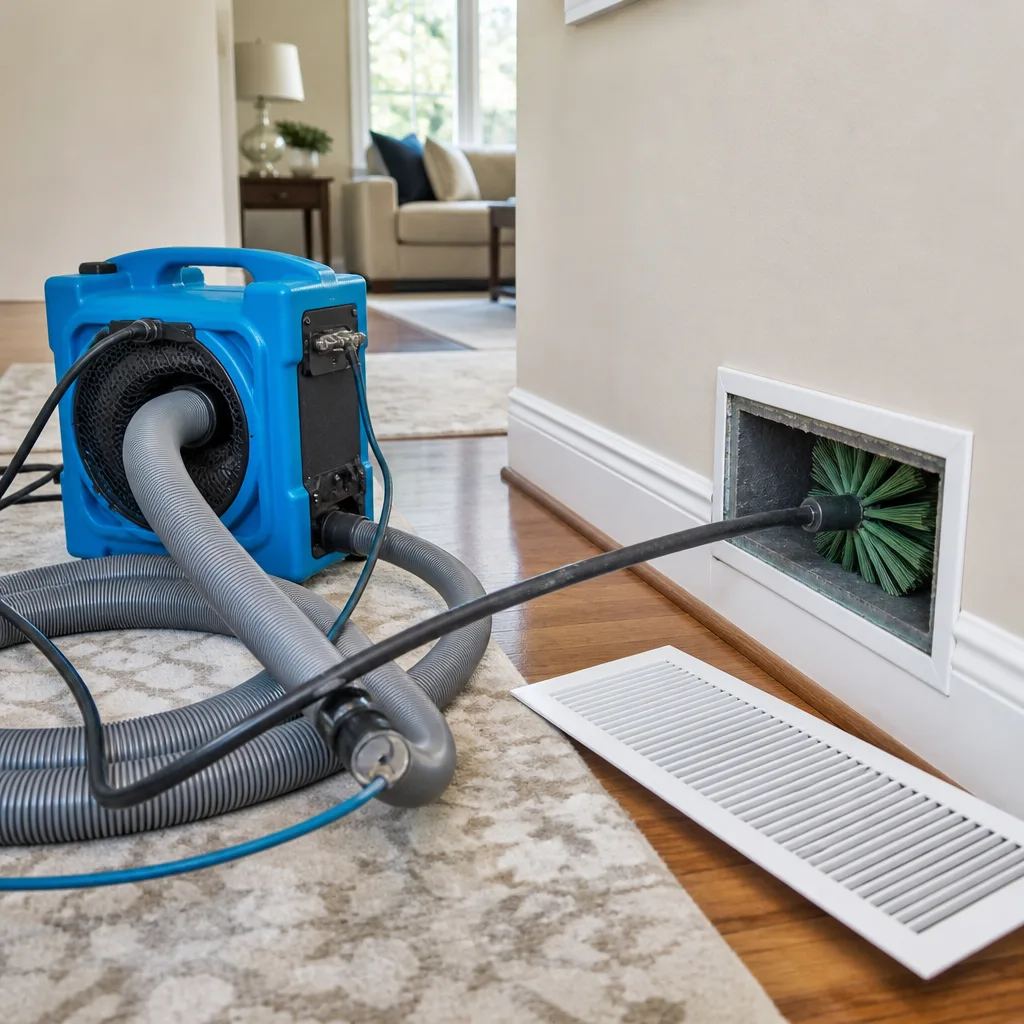
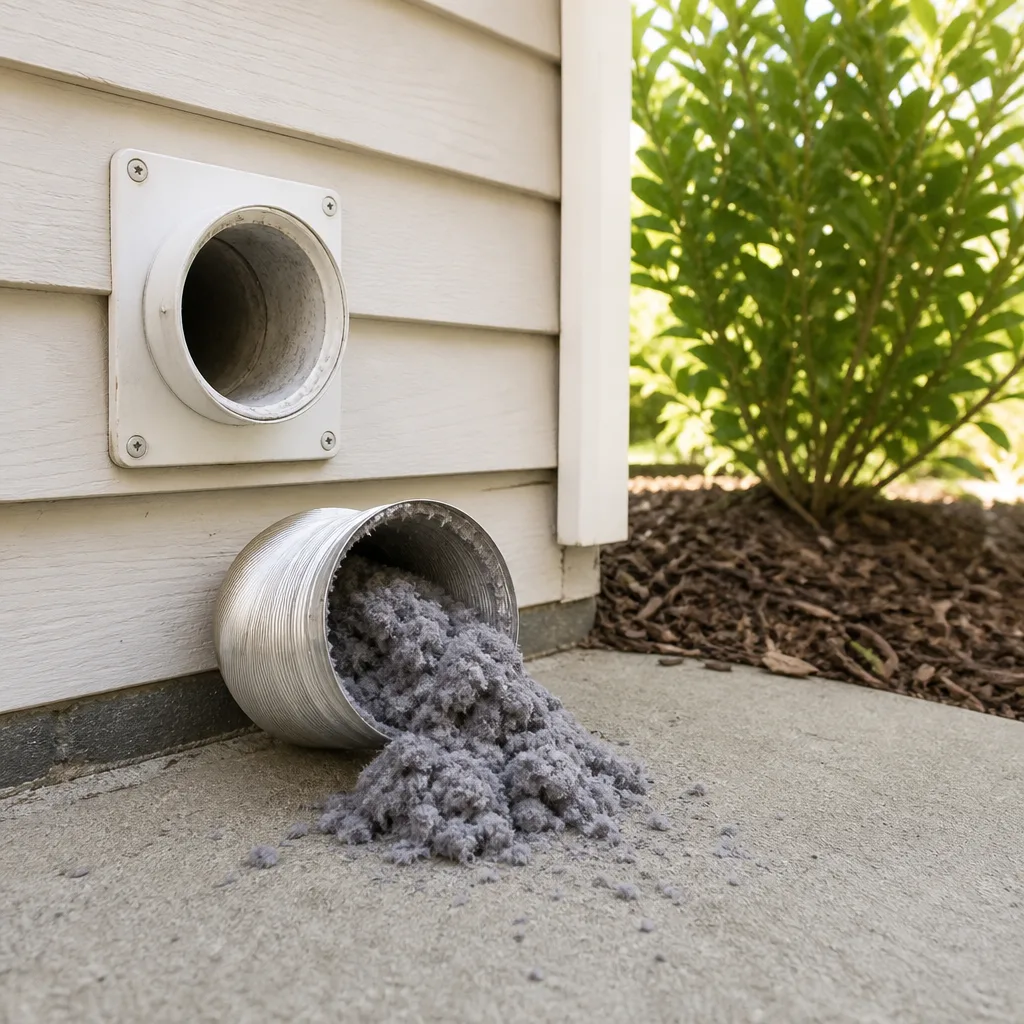
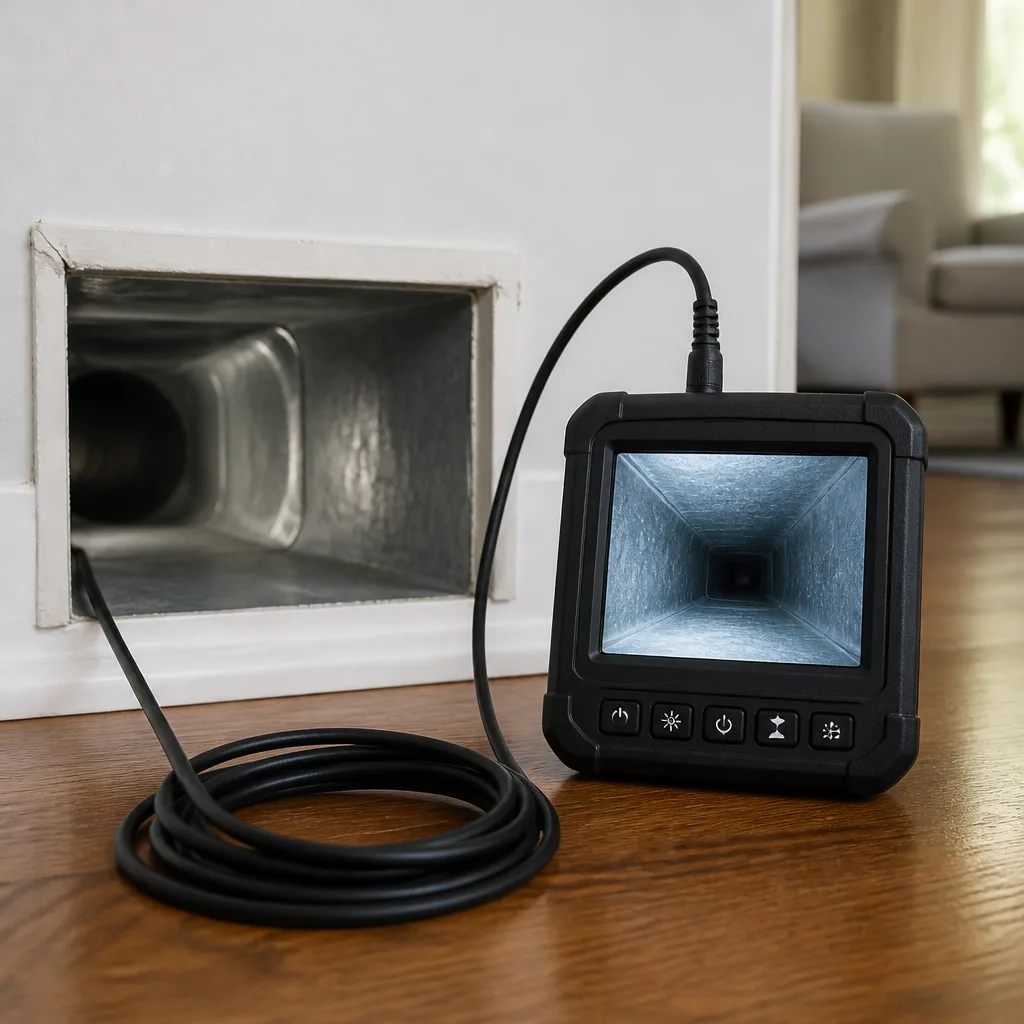
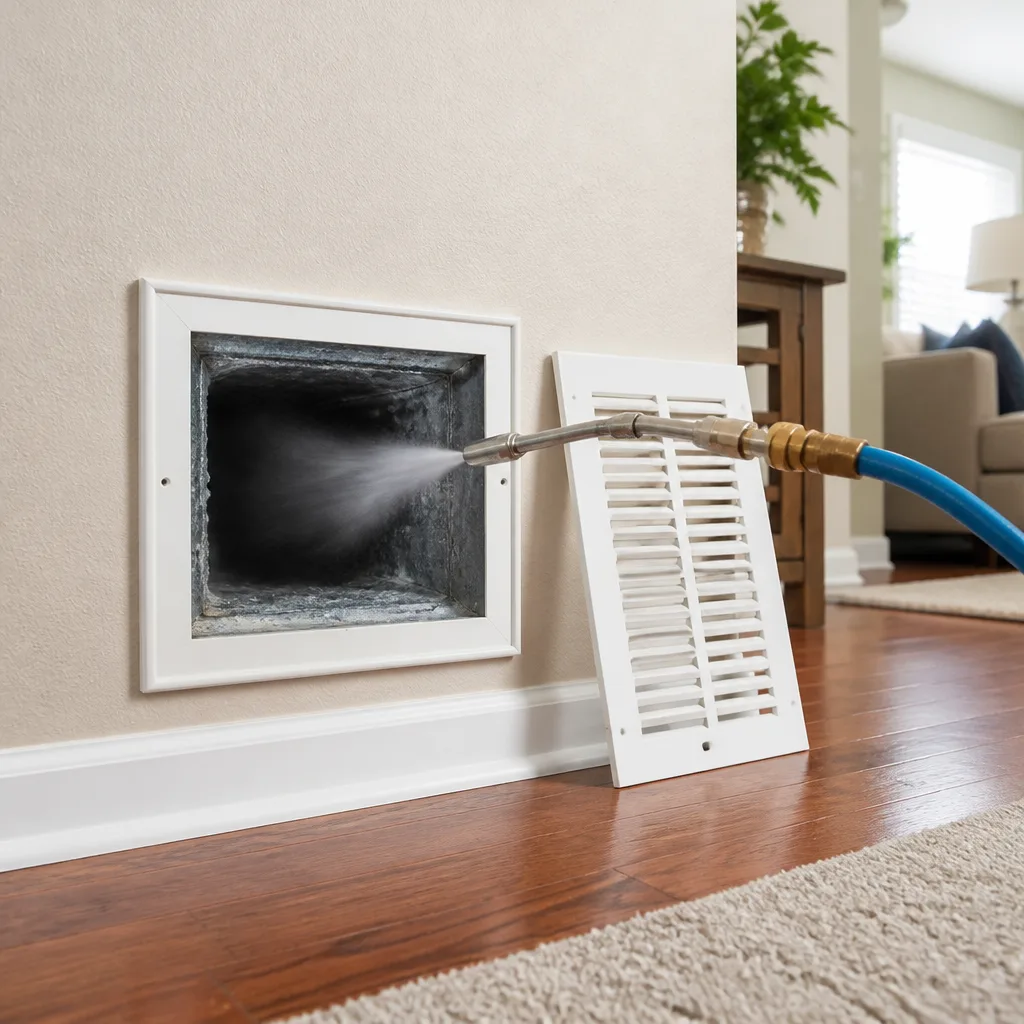
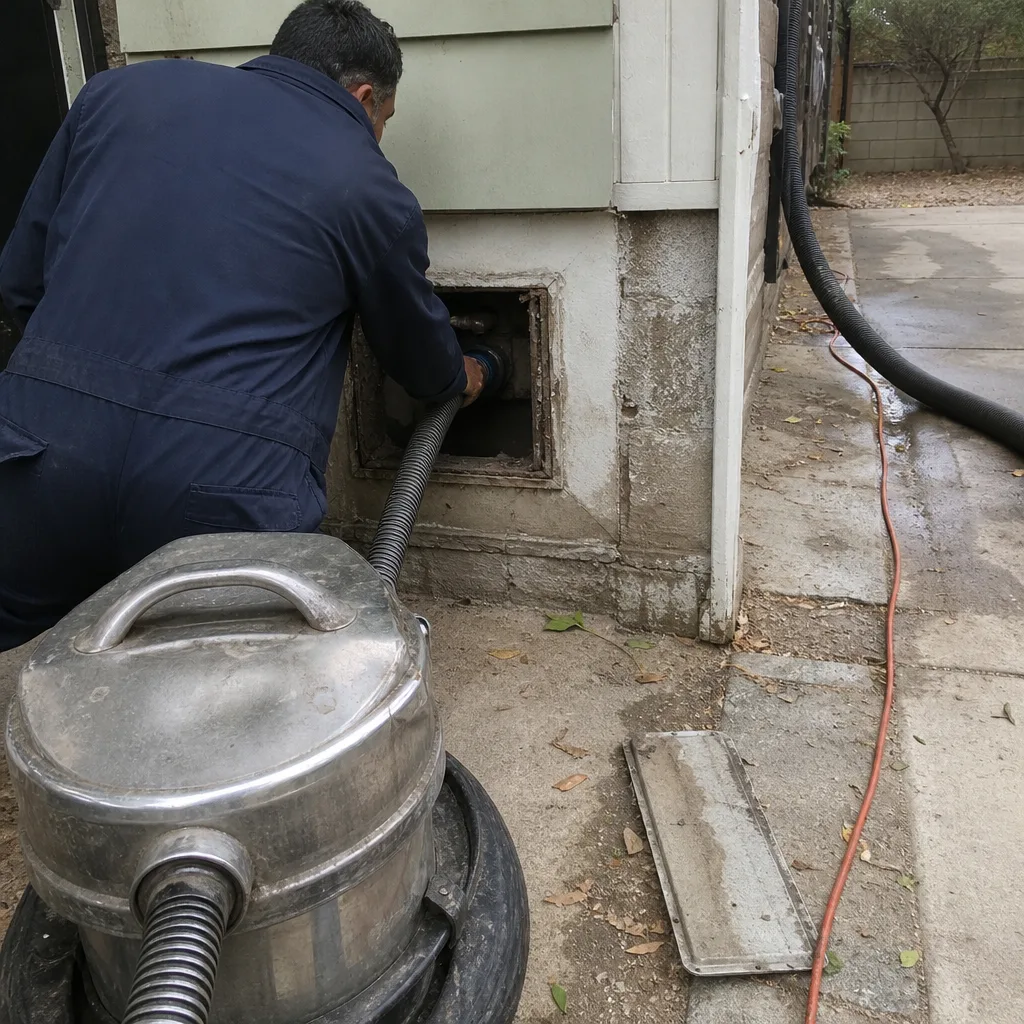 Before
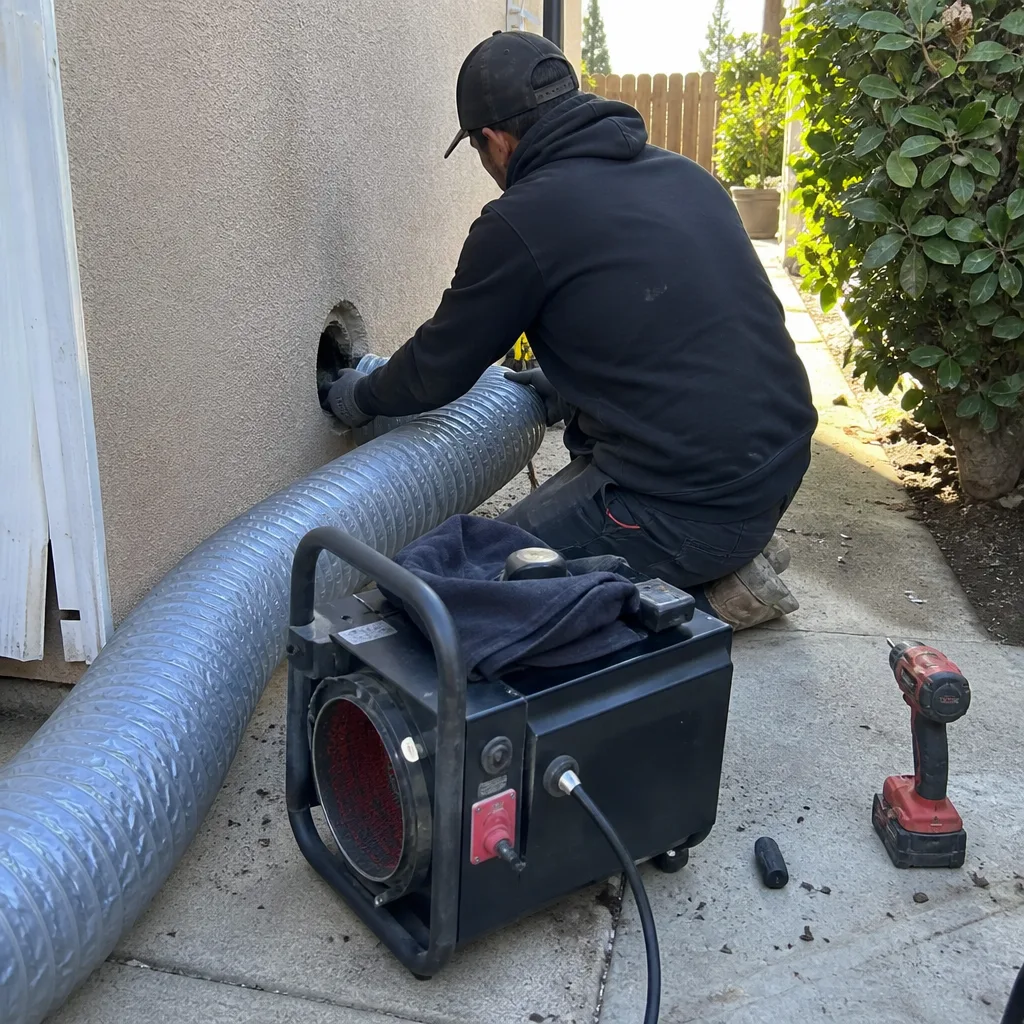 After
After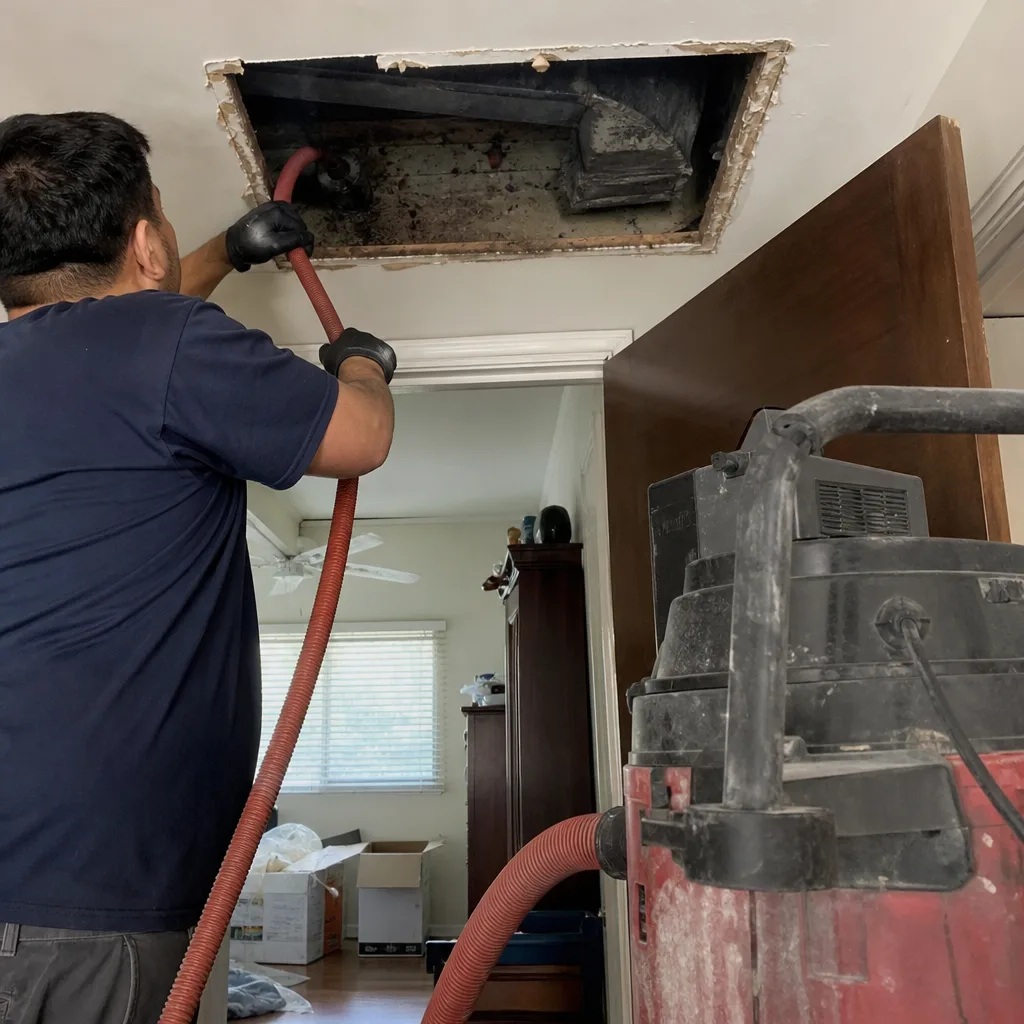 Before
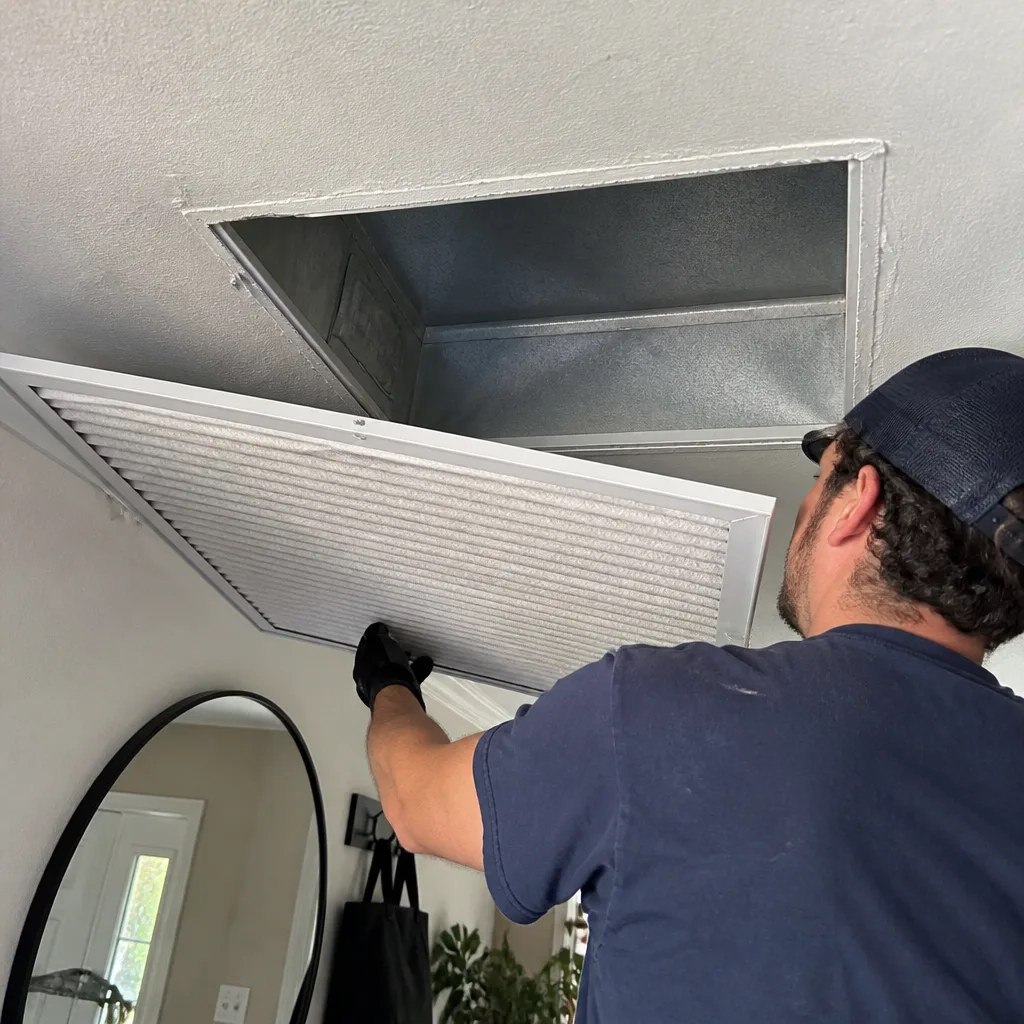 After
After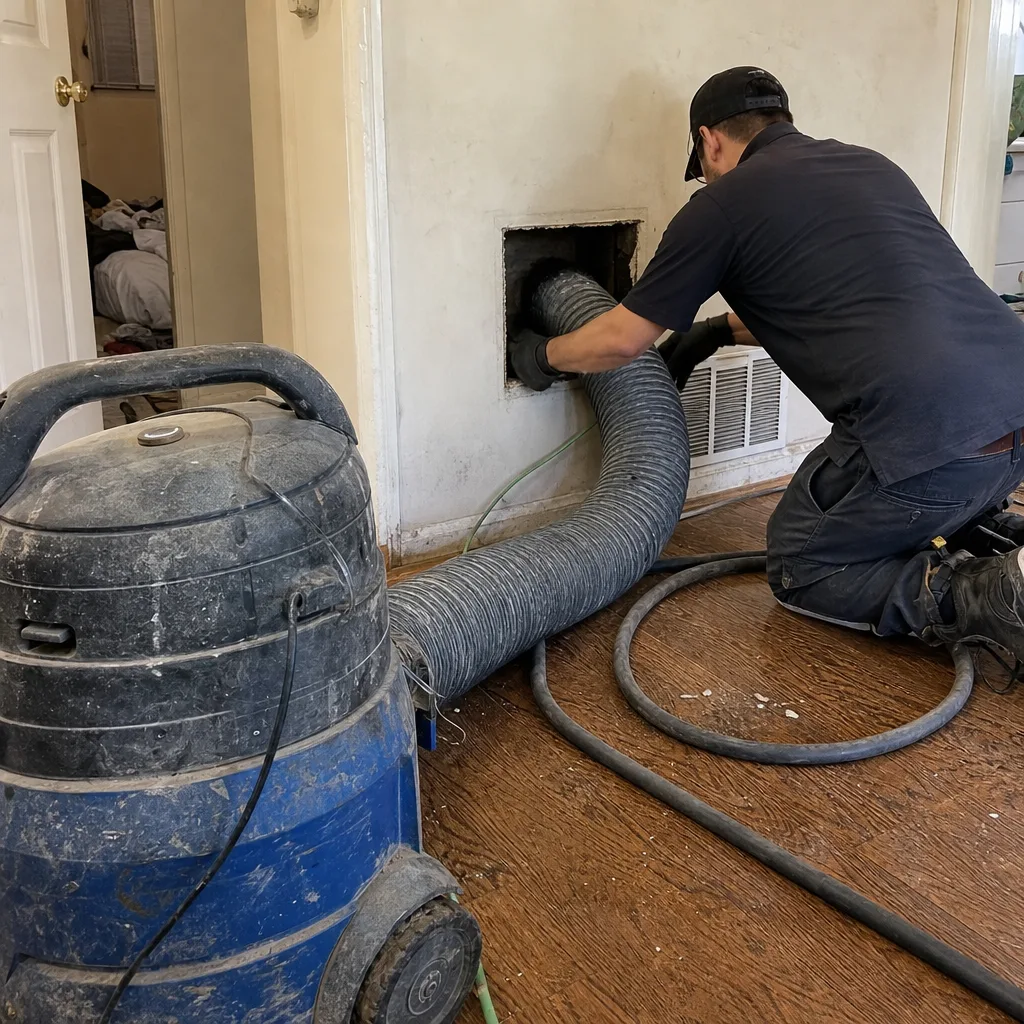 Before
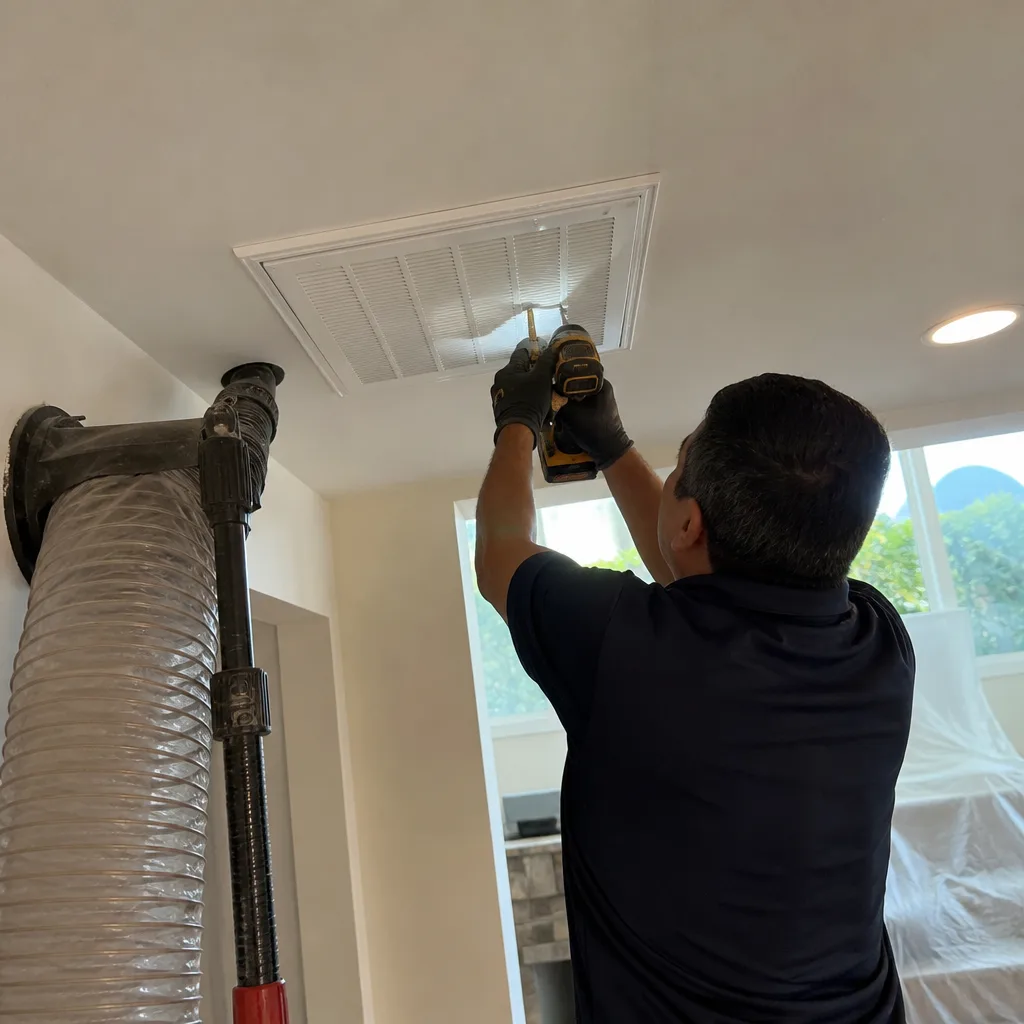 After
AfterAir Duct Repair Warning Signs Every Homeowner Should Know
A system that short-cycles every afternoon in the San Fernando Valley. A bedroom in Silver Lake that hasn’t felt truly cool since 2022. A July utility bill that jumped $40 with no obvious explanation. Most Los Angeles homeowners look at those three symptoms and conclude the air conditioner is dying. We routinely find the compressor is fine and the real culprit is a disconnected duct section buried in an attic. This guide-along with The Complete Air Duct Cleaning Guide for Los Angeles Homeowners-explains how to tell the difference before you spend thousands replacing equipment that was never the problem, and how to spot duct failure signs most inspection checklists skip entirely.
Quick Answer
The most reliable air duct repair warning signs are hot or cold spots in specific rooms, a sudden and sustained jump in cooling costs of 15 – 25% over two to three seasons without a rate change, musty smells coming from one or two vents rather than the whole house, dust streaks radiating from a register face, and rattling or vibration noise that changes location as the system runs. If you notice two or more of these together, the ductwork is the probable failure point, and our Air Duct Repair services can address it before it damages your HVAC unit itself. In Los Angeles, where attics regularly exceed 130°F in summer, duct breaches leak conditioned air into unconditioned space and pull hot dusty attic air into your supply stream.
Table of Contents
- Why Duct Problems Get Blamed on the HVAC Unit
- Hot and Cold Spots That Follow Specific Rooms
- The Smell Test: Musty Odors From Specific Vents
- Visual Register Inspection Any Homeowner Can Do
- Rattling and Vibration: Noise Location as a Diagnostic Tool
- Utility Bill Trends: The 15 – 25% Signal
- Common Mistakes to Avoid
- When to Call a Professional
- Frequently Asked Questions
- The Bottom Line
Why Duct Problems Get Blamed on the HVAC Unit
Here’s the scenario we hear at least once a week in Los Angeles. A homeowner has a technician out three times in eighteen months. The first visit adds refrigerant. The second replaces a capacitor. The third recommends a full system replacement at $9,000 to $14,000. Meanwhile, the original complaint never stopped: the back bedroom is still hot, the bill is still climbing, and the system is still cycling too often. The HVAC contractor tested the unit repeatedly because that’s what they were hired to do. Nobody tested the ductwork.
This misdiagnosis happens because ductwork failures produce the same observable symptoms as mechanical failures. A major duct breach in a hot attic acts like a refrigerant leak in terms of system behavior: the unit runs longer to hit the thermostat setpoint, the air coming from the registers feels weaker, and the energy bill rises. To the homeowner, everything points to the box in the backyard. To a technician who never checks static pressure or inspects the ducts, the same conclusion follows.
But the signatures are different if you know what to look for:
- Refrigerant leaks affect the whole house roughly evenly. Every room loses cooling capacity at a similar rate.
- Duct breaches affect specific zones. The room at the end of the breached run suffers, while the den right off the supply plenum stays comfortable.
- Compressor failures tend to show up suddenly or within a single season.
- Duct degradation is gradual and progressive, which is why your summer bills have crept up for three straight years.
In Los Angeles, there’s an additional time factor. Ductwork installed in the 1980s and 1990s with gray flex duct and foil tape is now at the end of its service life. The tape dries out and releases, the inner liner develops pinhole tears, and the insulation jacket degrades in the attic heat. We see houses in Encino, Tarzana, and Pasadena where 30% or more of the conditioned air never reaches a register. The AC is doing its job. The ductwork is throwing the results away.
This is why our Air Duct Repair in Los Angeles service starts with an inspection that traces airflow from the supply plenum to every register, not just a temperature check at the return. If you’ve had an HVAC technician out more than once and the problem persists, the ductwork is the next and most logical place to look.
Hot and Cold Spots That Follow Specific Rooms
The single most common duct repair sign in Los Angeles homes is also the easiest to dismiss: one room that never reaches the temperature the rest of the house holds. You close the blinds, you check the vent is open, you maybe even install a window unit in July. But you’ve been treating a duct problem as a window problem.
Here’s the diagnostic question that matters: does the problem follow the room or follow the season? If your west-facing bedroom is hot every summer and fine every winter, that’s solar gain and windows. If the same bedroom is hot in summer and cold in winter while the hallway right outside is comfortable, that’s almost certainly a duct issue. The duct run serving that room is either disconnected, crushed, leaking, or improperly balanced.
Specific patterns we’ve traced in Los Angeles homes:
- Long runs to converted garages or ADUs. These runs often cross unconditioned attic space with multiple joints, each a potential leak point. The air loses velocity and temperature before it arrives.
- Rooms above unconditioned crawl spaces. Ducts routed through vented crawl spaces in older Los Angeles bungalows lose conditioned air through every seam. The floor feels cold in winter because the duct under it is bleeding heated air into the crawl space.
- Rooms added during renovations. When a contractor taps a new duct into an existing run without resizing the main trunk or balancing the system, the new room steals airflow from every room downstream of the tap.
- Upstairs rooms at the end of long risers. In two-story Los Angeles homes, riser duct connections at the floor-to-floor transition are frequent failure points, especially in earthquake-prone areas where minor structural movement works joints loose over time.
If you can map the hot or cold spot to a specific duct run rather than a specific window, the odds of a duct repair being the fix jump dramatically. And the fix is usually far less expensive than window replacement or upgrading to a larger AC unit.
The Smell Test: Musty Odors From Specific Vents
Musty air from your vents sends most homeowners straight to the mold panic. The HVAC company sells a $500 UV light, maybe a coil cleaning, sometimes a full duct replacement. But here’s what we find on most of our Los Angeles inspections: the smell is coming from one vent, or maybe two vents on the same run. If mold were growing in the unit or the main supply trunk, the smell would distribute roughly evenly through every register in the house.
A smell localized to one vent means the breach is localized to that duct run. The duct section passing through an unconditioned space (an attic, a crawl space, an unvented wall chase) has a gap, a disconnected joint, or a tear. Air from that space is being pulled into the supply stream through the opening and delivered to whichever register is downstream. If the unconditioned space smells musty – and most Los Angeles attics and crawl spaces do during the humid months from May through October – the register delivers that smell directly into the room.
What you’re smelling is the crawl space or attic, not the inside of your ducts. The fix is a duct repair or duct section replacement, not a sanitizing treatment. This is also why duct cleaning alone doesn’t solve that particular smell. You can clean the interior of a duct system thoroughly, but if there’s an open joint pulling outside air into the stream, the smell returns within days. The breach has to be sealed first.
The simple homeowner test: go room to room and sniff directly at each register with the fan running (set the thermostat to fan ON rather than AUTO). If the smell is strong at one register, faint at the register in the next room over, and absent everywhere else, suspect a local duct breach. Our Air Duct Cleaning in Los Angeles team finds many of these breaches during routine cleanings because our negative-pressure extraction process reveals where the system is pulling stray air.
Visual Register Inspection Any Homeowner Can Do
You don’t need any tools or HVAC training to inspect your registers for two distinct but commonly confused evidence patterns. We walk our customers through this over the phone in under two minutes, and it frequently determines whether a call is even necessary.
Step 1: Remove the register cover and hold it up to a light. Check the back of the cover, the wall or floor surface surrounding the opening, and the nearest 12 inches of duct interior you can see. What you’re looking for is dust streaking: fine gray-black lines radiating outward from the register opening, visible on the wall or floor around the vent face.
Step 2: Distinguish the two streaking patterns.
This is the part most guides skip, and it matters for diagnosis. Dust streaks from a register fall into two categories, and they point to different problems:
- High-velocity streak marks. These appear as thin, sharp lines extending several inches from the vent edges, often visible on the wall above a floor register. They indicate that the air exiting the register is moving faster than it should, which usually means the duct system is undersized or partially collapsed, forcing more air through fewer openings. The streaks are air scouring: the airstream is literally blasting dust particles into the paint.
- Pressure-leak streaks. These appear as broad, diffuse gray patches around the register frame, not sharp lines. They indicate air is leaking from the duct system into the wall cavity or floor space around the register boot, pushing dust-laden air through gaps around the vent housing. The register boot itself may have separated from the drywall, or the duct connection at the boot has failed.
Step 3: Check for register sag. If the vent itself has pulled away from the wall or floor on one side, that’s physical stress from unsupported duct weight or vibration. It often means the strap or hanger supporting the duct section has failed, leaving the duct to hang and pull on the register boot. We see this frequently in Los Angeles attics where original straps have rusted through or been knocked loose during roof work.
None of these checks requires special skill or equipment, and they all give you useful information before you call anyone. The streaking pattern alone tells you whether you’re dealing with an airflow volume problem (collapse, blockage, undersizing) or a leakage problem (disconnection, seam failure, boot separation).
Rattling and Vibration: Noise Location as a Diagnostic Tool
Every forced-air system makes some noise. What we’re listening for is a particular sound that moves. A constant fan whir is normal. A rhythmic metallic rattle that you hear in the hallway one week, then the living room the next, then stops entirely when you open a specific closet door, is a loose duct section or hanger making contact with a hard surface.
The location of the sound maps to the location of the problem more precisely than most diagnostic instruments. Here’s why: ductwork is a connected physical path. A loose duct section or failed hanging strap rattles when airflow pulses through the system, and the vibration transmits along the metal or flex duct to whatever surface it contacts. If the sound travels, follow it. The point where the sound is loudest when you stand under a ceiling, or where it disappears when you press a hand against a specific wall or floor, is directly over the loose section.
Specific noise signatures we’ve learned to recognize in Los Angeles homes:
- Tinny rattle from the attic. Metal duct sections vibrating against roof decking or framing. The original hanger strap has failed and the duct is resting on a wooden member.
- Deep rhythmic thumping from a ceiling. A section of flex duct has collapsed or become partially disconnected, and the duct wall is oscillating with each air pressure pulse.
- Banging that happens once when the system starts. A large trunk duct section that isn’t properly braced is physically jumping when the blower kicks on. This is common in Los Angeles homes with sheet metal trunks installed in the 1970s and 1980s.
- Hissing that follows the walls. Air escaping through a duct breach or open seam, often in a wall chase. The hiss changes pitch as you move your ear along the wall surface.
One note of caution: if you’re going into the attic to search for the source of a noise, watch your foot placement. Los Angeles attics contain hazards beyond the ductwork: exposed wiring, gas lines, recessed light fixtures that get hot, and insulation that can hide ceiling joists. If you can hear and roughly locate the noise from below, that’s enough information to give a technician a starting point. You don’t need to wade into a 130°F attic in August to confirm it yourself.
Utility Bill Trends: The 15 – 25% Signal
One month’s utility bill is noise. A three-season trend is signal. The pattern that indicates duct efficiency loss looks like this: your summer cooling costs have risen 15% to 25% over the past two or three years, your rate plan hasn’t changed, your usage habits haven’t changed, and your AC unit passes its annual service inspection. The mechanical system is using the same electricity to produce the same amount of cooling. The ductwork is losing more of that cooling before it reaches your living space, so the system runs longer to meet the thermostat setpoint. More runtime at the same efficiency equals a higher bill, and the increase is steady rather than sudden.
Los Angeles Department of Water and Power customers have an advantage here: the utility provides monthly usage data going back years in the customer portal. Pull your June through September kilowatt-hours for the last three seasons and compare them side by side. Adjust for the heat: if last summer was notably warmer than the one before, expect some increase. But if you’re seeing the same or higher usage in a mild summer, the efficiency loss is real and it’s somewhere in the delivery system, not the generation system.
We also see a second billing signal that’s less obvious: your heating bill rises too. When supply ducts leak conditioned air into the attic during winter, the furnace works harder to heat the same rooms. If both your summer cooling cost and your winter heating cost have crept up while your gas and electric rates stayed flat, that’s a double confirmation of duct leakage. The HVAC system is producing the same amount of conditioned air it always has. The ducts are losing more of it every year.
For most Los Angeles homes, running this analysis takes fifteen minutes of portal scrolling. It costs nothing and gives you a number baseline before you call. A technician who knows their trade will ask for this data anyway, because it confirms or eliminates the ductwork hypothesis before anyone opens the attic hatch.
Common Mistakes to Avoid
- Replacing the AC unit before inspecting the ducts. If the compressor tests fine and the condenser coil is clean, the problem is downstream. We’ve seen too many Los Angeles homeowners spend five figures on a new system that was never the failure point. The old system was fine. The old ductwork was not.
- Treating a localized musty smell with duct cleaning alone. Cleaning removes accumulated debris, but if a duct section is pulling air from a damp crawl space, the smell returns in days. Seal the breach, then decide whether cleaning is necessary.
- Closing registers in unused rooms to force more air elsewhere. In most residential systems, closing registers increases static pressure and forces more air through existing leaks. You end up heating or cooling the attic more efficiently.
- Assuming an energy audit will find duct leaks. Home energy audits in Los Angeles typically focus on building envelope issues: windows, doors, insulation, weatherstripping. Duct leakage testing is a separate service and requires specific equipment. If you want duct testing, ask for it specifically.
- Ignoring streaks around registers because they’re “just dust.” The streaking pattern is diagnostic evidence. Years of dust streaks radiating from a register face means air has been moving through leaks or at abnormal velocity for a long time.
- Waiting until the system fails completely to address a known duct problem. Duct failures are progressive. A small seam leak becomes a large separation, which becomes a fully disconnected section. The repair cost rises with the extent of the damage.
When to Call a Professional
Call a duct repair specialist when the evidence points to ductwork rather than the HVAC unit: hot and cold spots that follow specific rooms, musty smells from individual vents, dust streaks that match the leakage or velocity patterns described above, persistent rattling that moves with the airflow, and utility bills that have climbed 15% or more over several seasons without a rate change. For help selecting a provider, see Choosing the Right Air Duct Cleaning Brand: A Buyer’s Guide for Los Angeles. These are not conditioning problems. They’re delivery problems.
Also call if you’ve had an HVAC technician out twice or more for the same complaint and it keeps returning. That’s the misdiagnosis loop this guide opened with, and it’s more common in Los Angeles than most contractors want to admit. Linden Air Duct Cleaning offers free estimates for duct repair in Los Angeles. Call (980) 447-2498 and describe what you’re seeing. We’ll tell you over the phone whether it sounds like a duct issue and what the inspection will involve before anyone schedules a visit.
Frequently Asked Questions
The most common signs are room-specific hot or cold spots, a gradual 15 – 25% rise in cooling or heating costs over two to three seasons, musty odors from individual vents rather than every vent, dust streaks radiating from a register face, and rattling or vibration sounds that move as the system runs. Any two of these together strongly suggests ductwork rather than HVAC equipment, especially in a Los Angeles home where attic ducts face extreme summer heat.
Air duct repair in Los Angeles typically ranges from $250 – $600 for a localized fix like a single disconnected joint or small replacement section, and $1,200 – $3,500 for more extensive work like multiple section replacements, damaged trunk line repair, or register boot resealing across several rooms. Full duct system replacement in a typical 2,000-square-foot Los Angeles home generally falls between $6,000 and $12,000. At Linden Air Duct Cleaning, the price is put in writing before any work begins, every single time, so you’ll know the exact cost before we start. Call (980) 447-2498 for an exact quote.
Cheaper quotes usually cover less: a tech who tapes over a visible seam rather than replacing the failed section, a repair that doesn’t include airflow verification after the fix, or a company that doesn’t inspect the full duct run and only treats the one obvious symptom. The low quote often turns into a bigger invoice once work begins. Linden’s written price before work starts eliminates that bait-and-switch entirely: the price we quote is the price we do the job for, and the written guarantee covers the repair for 365 days with a free second visit if it fails.
A proper duct repair includes more than visually sealing the gap. The technician should reconnect the section, secure all hangers and straps, seal every seam and joint, and then verify airflow at the affected registers with an anemometer to confirm the air is arriving at the proper volume. Before-and-after photos of the repaired section are standard practice for any credible company. Linden provides both: documented airflow readings at each affected register and photos of the repair before and after the work is complete.
Ductwork in Los Angeles attics faces extreme conditions: summer temperatures above 130°F, thermal expansion and contraction cycles every day, occasional seismic movement, and humidity shifts during the cooler months. Under those conditions, flex duct typically lasts 15 – 20 years and sheet metal duct with taped joints often develops failures within 10 – 15 years of installation. If your home was built or renovated before roughly 2005 and the ducts have never been inspected or repaired, a professional assessment is a reasonable step.
Minor fixes like replacing a loose register face or re-attaching insulation that has slipped from a visible duct in a garage are within most homeowners’ abilities. The repairs that matter – disconnected sections in an attic, collapses inside a wall chase, boot separations, and air balance corrections – usually require access, tools, and experience that make professional help the safer and more reliable choice. If you’re not certain whether what you’re looking at is safe to touch, call a professional. Linden’s phone line is answered by a live person 24/7 at (980) 447-2498.
The Bottom Line
Ductwork failures disguise themselves as HVAC failures, and Los Angeles homeowners pay for the misdiagnosis in unnecessary equipment replacements every season. The duct-specific signatures are recognizable if you look for them: room-specific temperature problems, localized smells, register streaks with diagnostic patterns, noise that travels, and utility bills that creep up 15 – 25% without a rate change. None of these require professional equipment to observe. They require only that you stop assuming the box in the backyard is the problem and start paying attention to the delivery system that connects it to your rooms. If the evidence points to ducts, call a specialist who will put the price in writing before work begins and stand behind the repair. For a free estimate in Los Angeles, call (980) 447-2498.
Written by Marcus Veale, Owner at Linden Air Duct Cleaning, serving Los Angeles since 2004. Explore more guides & resources on keeping your home’s air system efficient.