
Last updated October 8, 2026
Whole-system duct and dryer vent check with before-and-after photos - you see exactly what came out of your vents
That "$99 whole-house special" is a bait ad - the real number appears once they are in your hallway, or the "clean" is a shop-vac at the register. We photograph the inside of your ducts before and after instead.
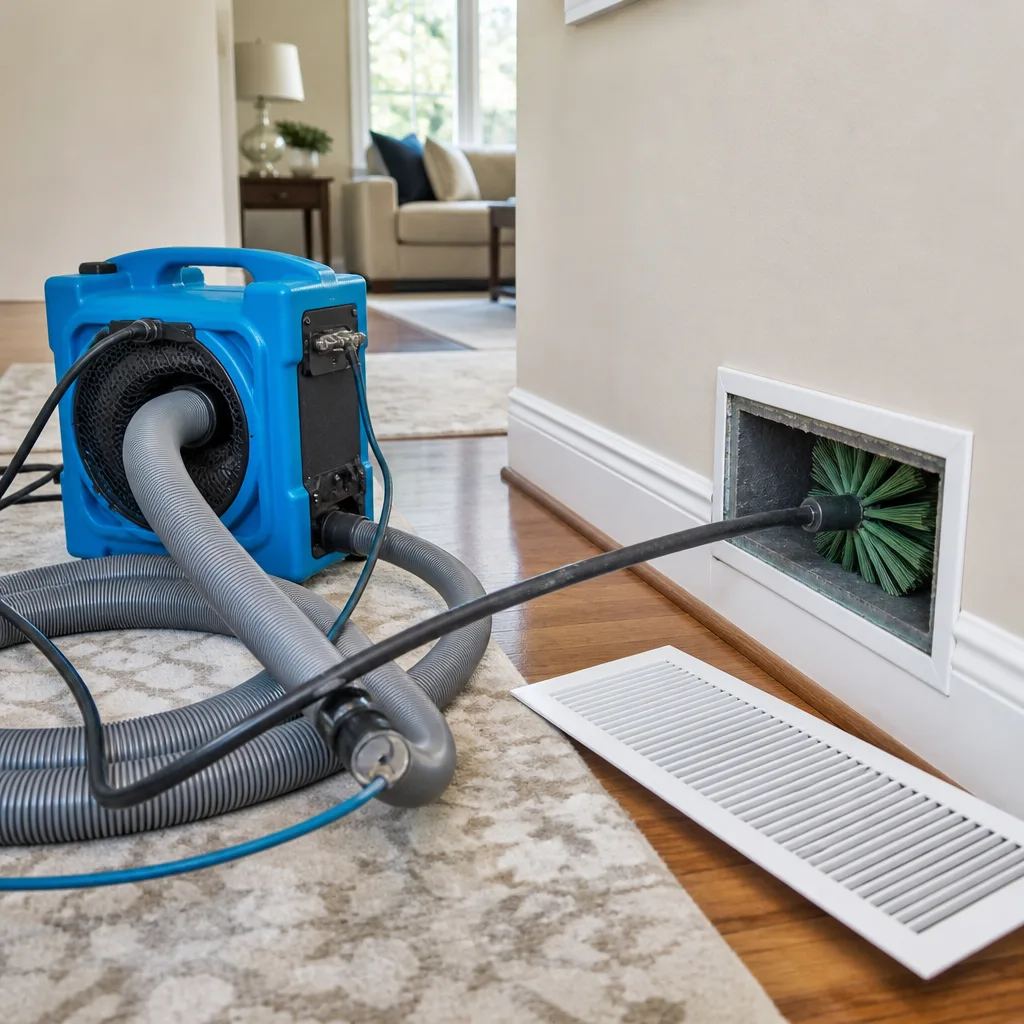
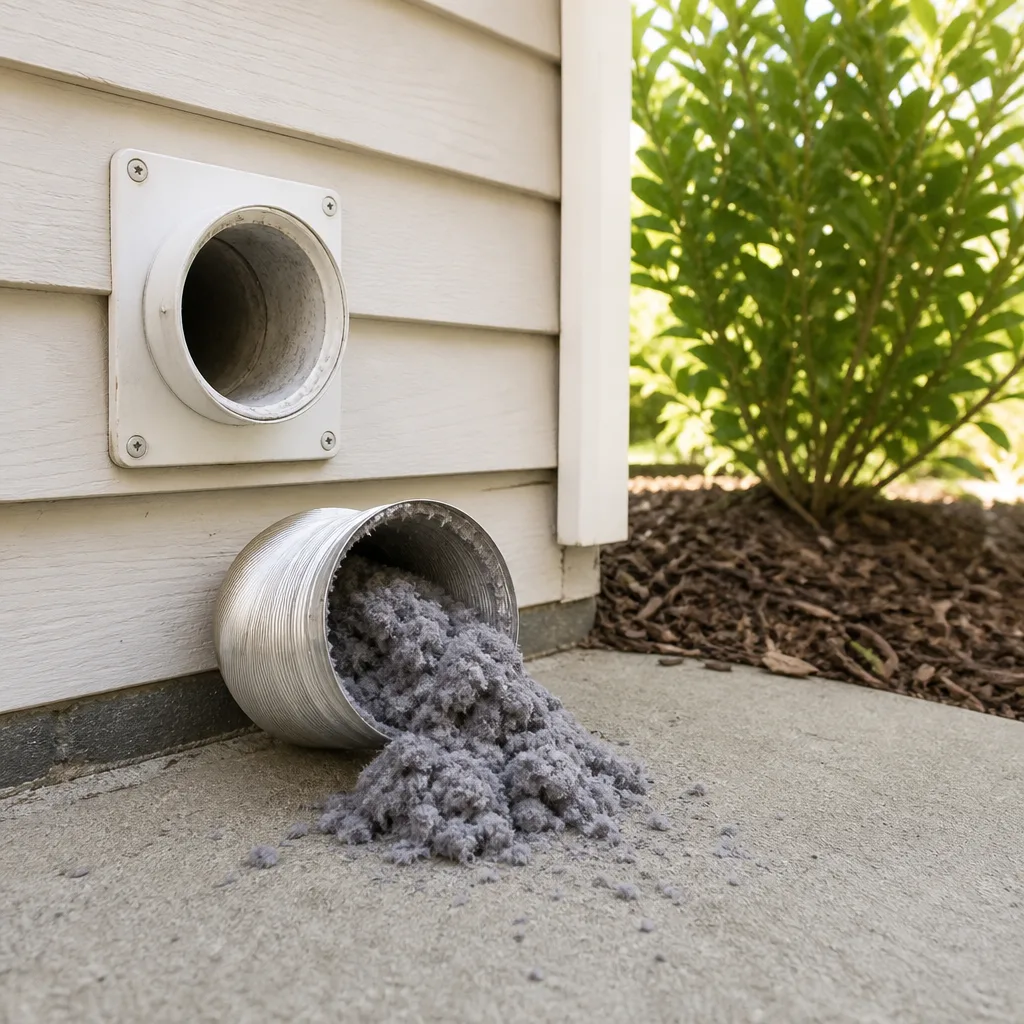
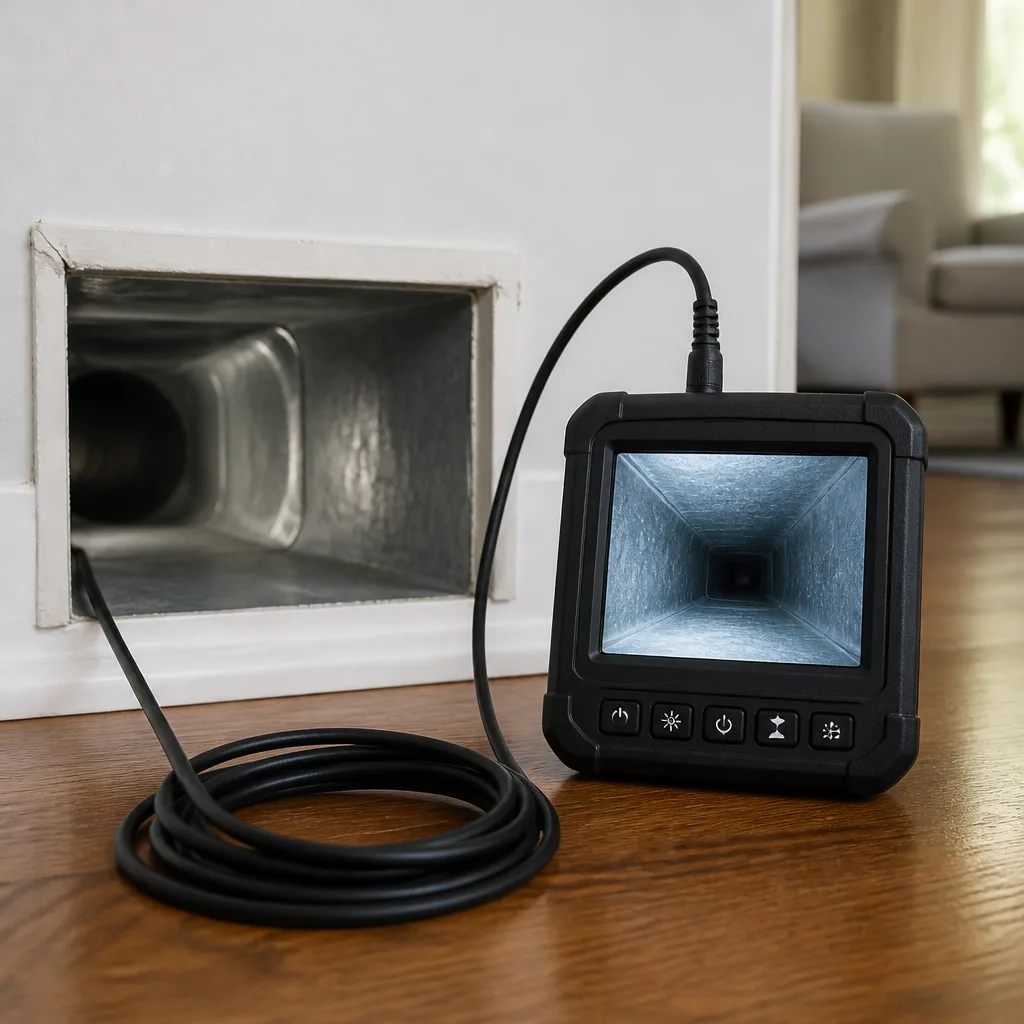
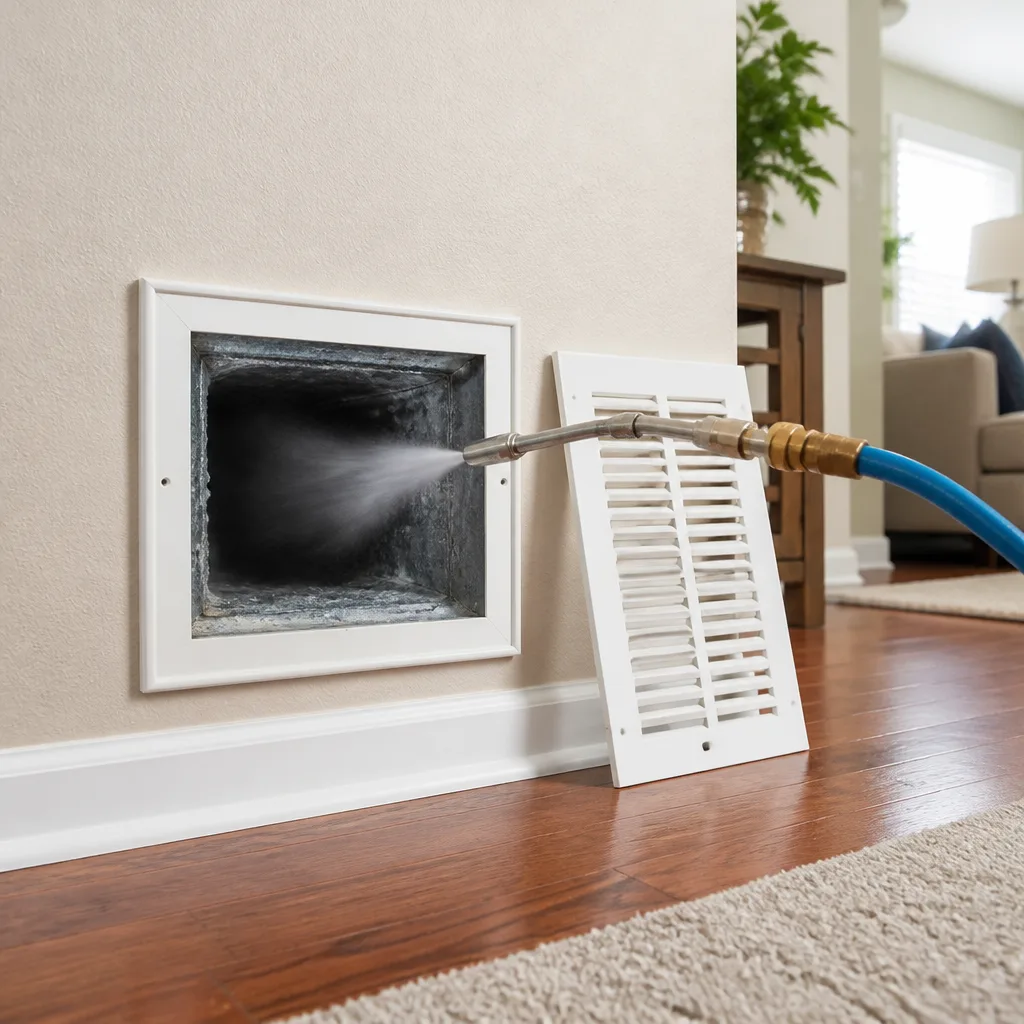
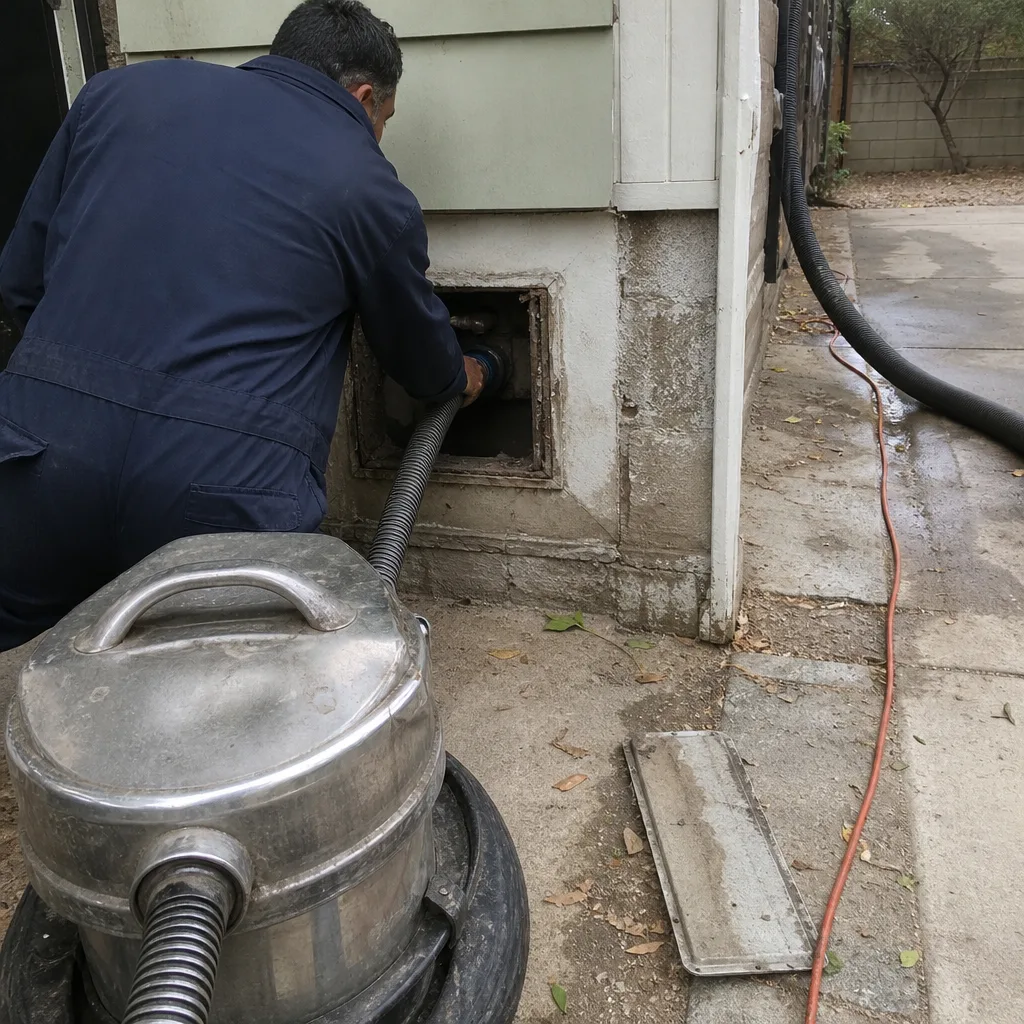 Before
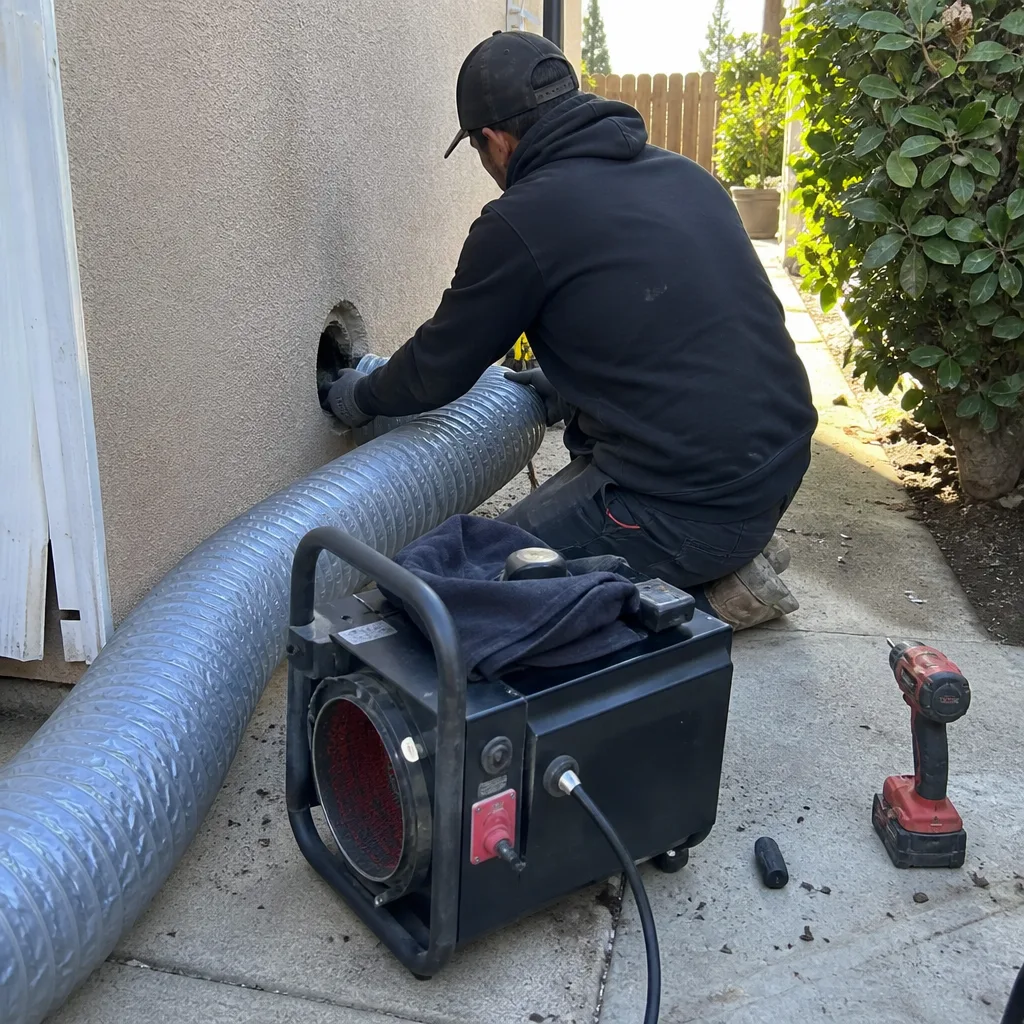 After
After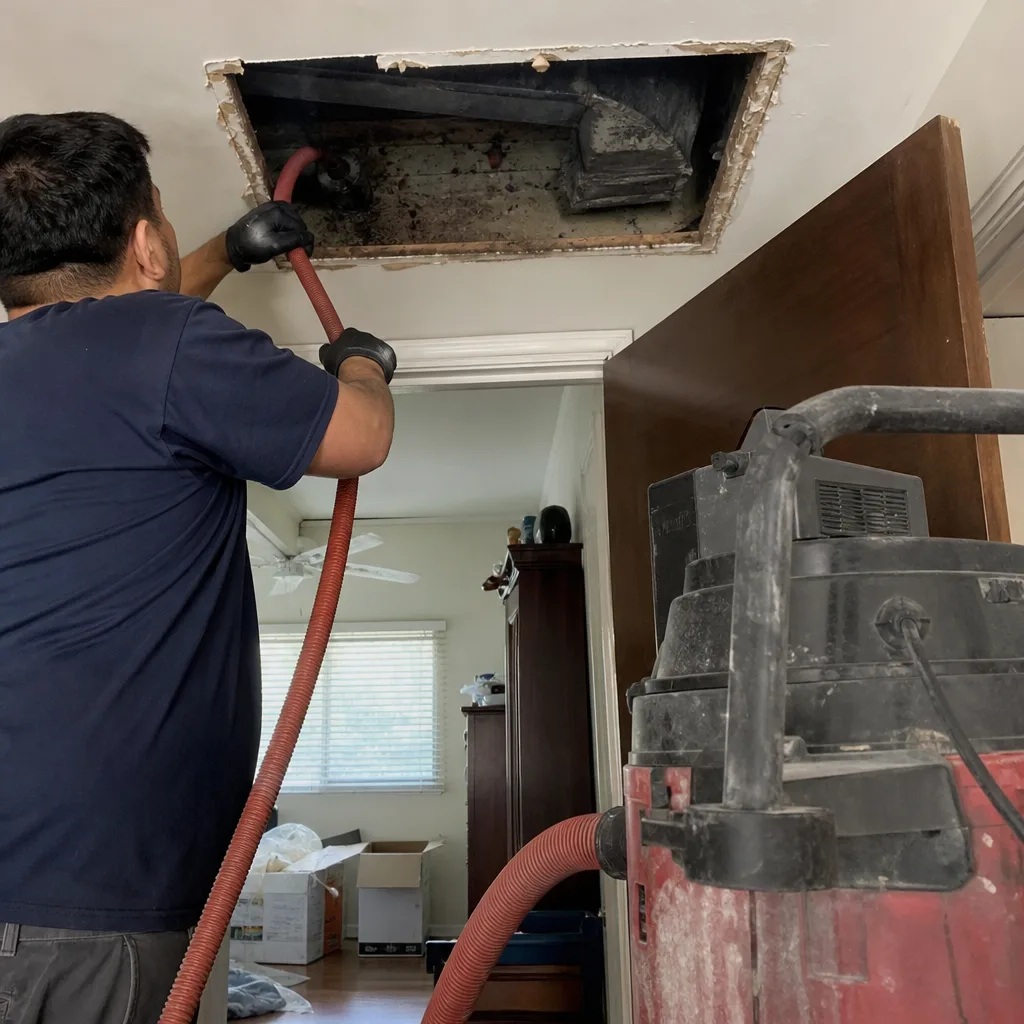 Before
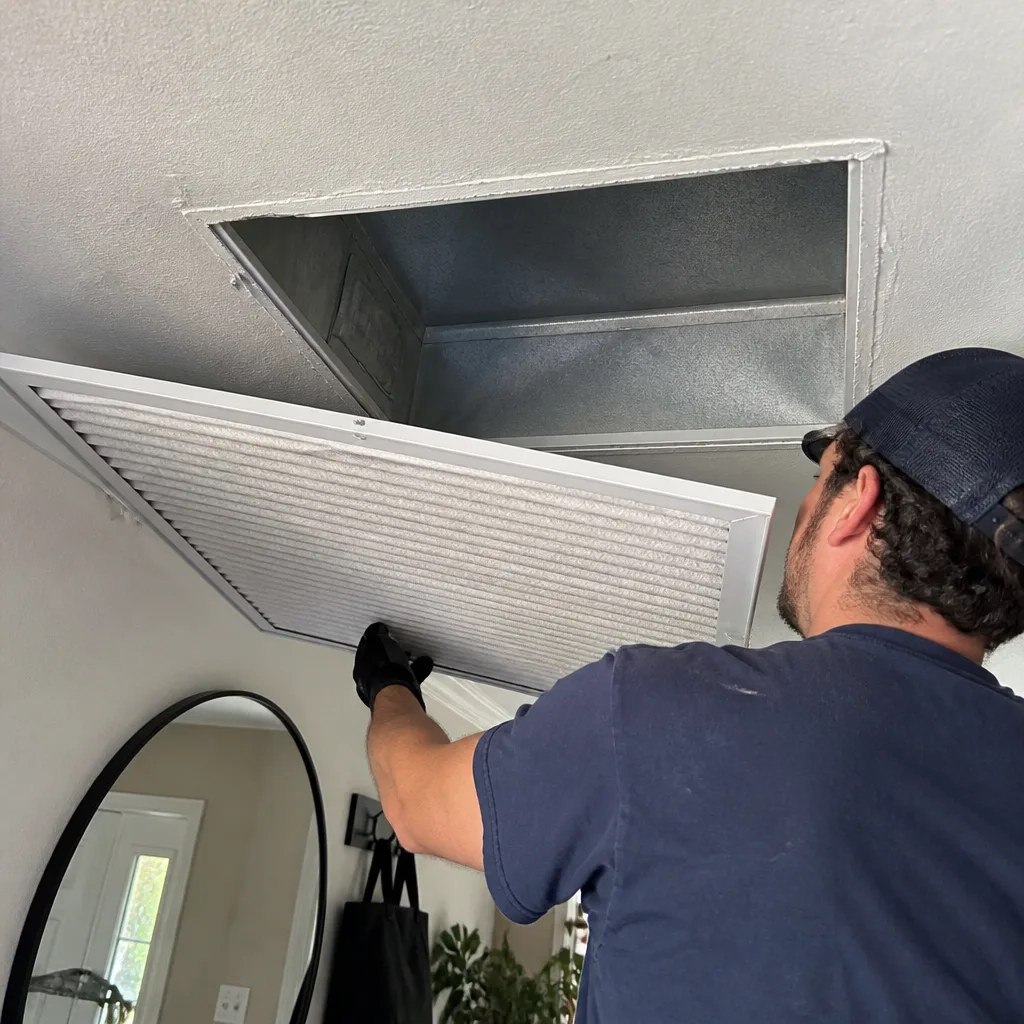 After
After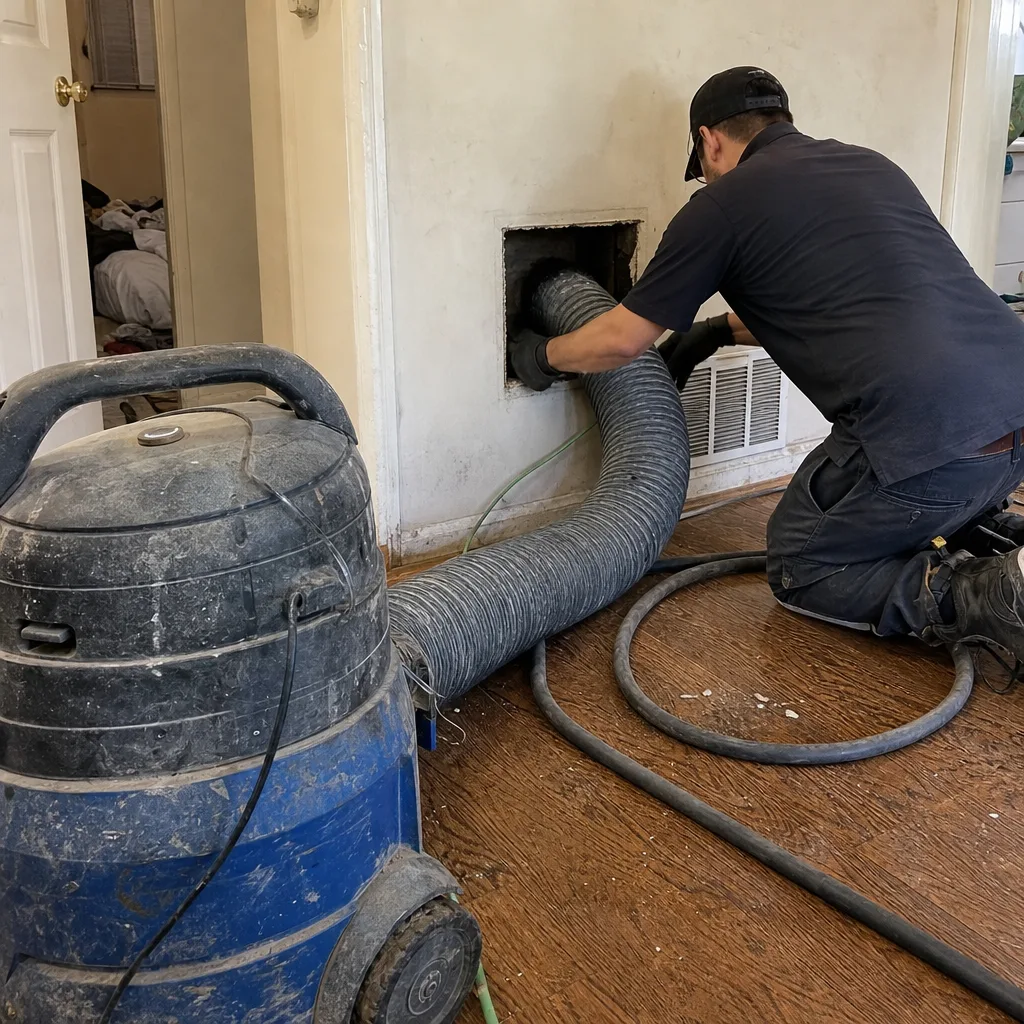 Before
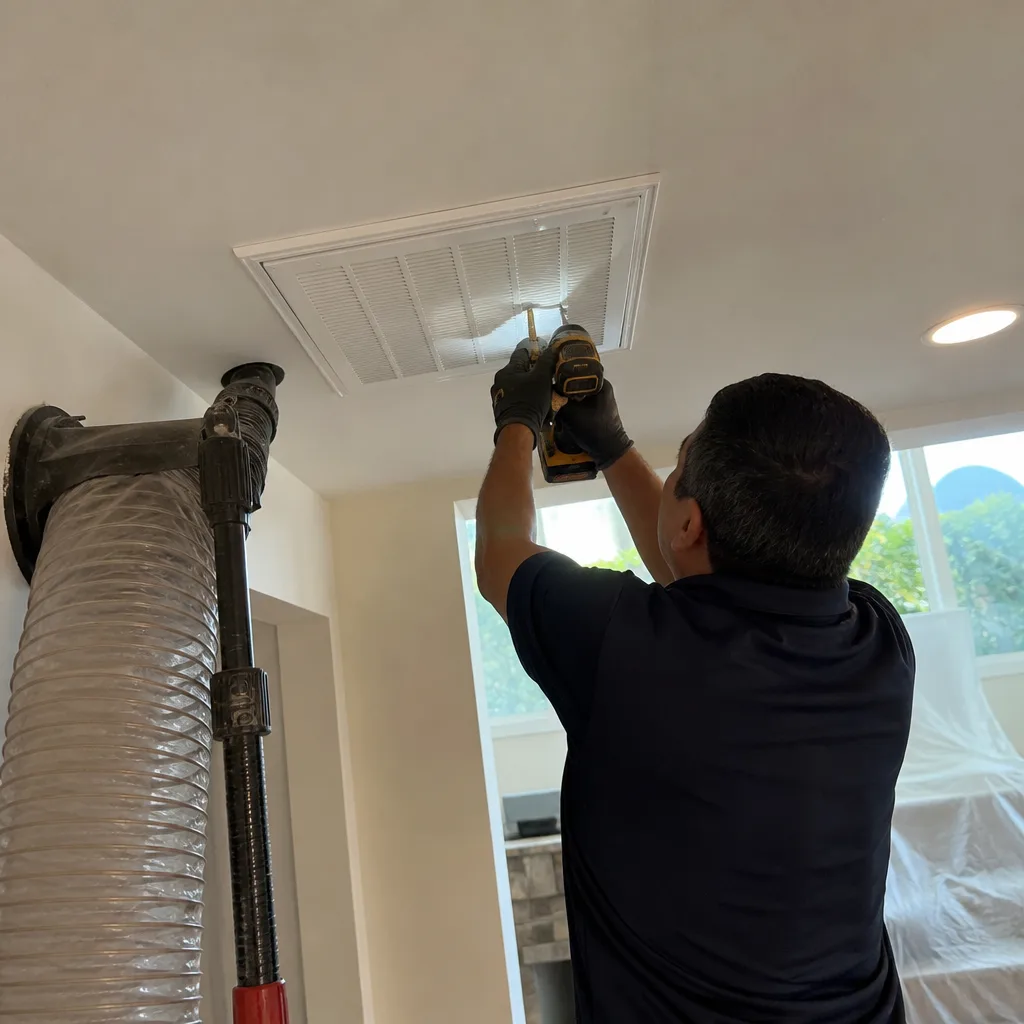 After
AfterThe Complete Air Duct Repair Guide for Los Angeles Homeowners
A 1960s Westside ranch house, a 1990s San Fernando Valley tract home, and a newer Silver Lake remodel all have ducts. That’s about where the similarity ends. The materials, the failure patterns, the repair costs, and even the permits involved differ by housing era and neighborhood microclimate, and most national guides completely miss that. This guide maps Los Angeles our Air Duct Repair services the way it actually works on the ground: by housing stock, by valley heat, by seismic retrofit history, and by what the city and county actually require before work begins.
Quick Answer
The Complete Guide to Air Duct Cleaning in Los Angeles covers similar cost ranges: air duct repair typically runs $300 to $900 for targeted repairs like sealing leaks, patching flex-duct tears, or replacing damaged sections, while full duct replacement in an average LA home runs $1,800 to $4,500 depending on attic access, duct material, and home size. Most repairs take a single visit of 2 to 5 hours, though homes with crawl-space ductwork or extensive seismic damage may need two visits. Permit requirements vary by scope: simple repair and sealing usually needs no permit, but substantial duct replacement in Los Angeles city limits can trigger California Energy Code compliance checks depending on how much of the system is being altered.
Table of Contents
- How LA’s Three Housing Eras Predict Your Duct Problems
- Why Valley Heat Destroys Flex Ducts Faster
- Seismic Retrofits and Crawl-Space Duct Damage
- What Air Duct Repair Actually Costs in Los Angeles
- LA City and County Permit Rules for Duct Work
- Repair or Replace: How to Decide
- What a Real Duct Repair Inspection Covers
- Common Mistakes to Avoid
- When to Call a Professional
- Frequently Asked Questions
- The Bottom Line
How LA’s Three Housing Eras Predict Your Duct Problems
Most Los Angeles homes fall into one of three construction periods, and each era has its own signature duct failure. Knowing which one your house belongs to tells you more about what a repair will involve than any national average ever could.
Pre-1970 homes: rigid metal and hard pipe
Homes built before 1970 (Westside ranch houses, Mid-City bungalows, older Pasadena and South Bay stock) usually have rigid sheet-metal ducts. The ducts themselves hold up well, but the joints were sealed with materials that dry out and separate over 50 to 60 years. We regularly find 15 to 25 percent leakage in these systems at the boots and elbows. The good news: metal duct can often be resealed with mastic and tape rather than replaced. The bad news: in crawl spaces under pre-1970 homes, the straps that suspend ductwork from floor joists corrode and snap, leaving sections sagging and pulling apart at the seams.
- Common failure: separated joints, failed tape, broken hangers, rust-through at low points
- Typical fix: reseal with mastic, re-hang with new strapping, patch or replace rusted sections
- Access challenge: crawl spaces, which add labor time compared to attic work
1970 to 2000 homes: the flex-duct era
The 1970s brought flexible duct to Los Angeles in a big way, especially in San Fernando Valley tract developments, the San Gabriel Valley, and Orange County-style sprawl. Flex duct is a wire coil wrapped in insulation and an outer vapor barrier. It’s cheaper and faster to install, which made it the default in fast-growing suburbs. But it has a working life, and much of the flex duct installed in the 1980s and 1990s is now well past it. The outer jacket cracks, the inner liner tears, and disconnected runs quietly dump conditioned air into the attic.
- Common failure: torn inner liner, crushed sections, disconnected collars, degraded outer jacket
- Typical fix: replace damaged runs entirely; patching old flex is rarely worth doing
- Access challenge: attic heat can make 1990s flex duct brittle enough to tear during inspection, so techs have to work carefully
Post-2000 homes: better materials, but rushed installation
Newer homes in Los Angeles often use a mix of R-6 or R-8 flex duct and rigid trunk lines. The materials are better, but construction-speed pressure means installations are sometimes the weak point. We’ve seen brand-new Silver Lake remodels where the ducts are kinked behind drywall, or where a trunk line was never properly connected at the plenum. These are design and install problems, not age problems, and they often show up as one room that never cools properly.
- Common failure: kinked runs, poorly sealed plenum connections, restricted airflow from over-long flex runs
- Typical fix: correct the routing, reseal the connections, sometimes replace an undersized section
- Access challenge: ducts buried behind finished ceilings require access panels or drywall work
Why Valley Heat Destroys Flex Ducts Faster
Attic temperatures in the San Fernando Valley, Santa Clarita, and the Inland Empire routinely reach 140 to 160 degrees Fahrenheit in July and August. Coastal homes in Santa Monica or El Segundo might see attics at 110 to 120 degrees. That 30 to 40 degree difference is not a footnote; it’s the primary reason flex duct fails years earlier in Valley homes than in coastal ones.
The outer vapor barrier on flex duct is plastic, and plastic degrades faster as temperature climbs. The adhesive on the tape used at connections also fails sooner in high heat. In our experience working throughout Los Angeles, a 25-year flex duct in a coastal attic can still be intact, while the same product in a Northridge or Woodland Hills attic is cracked, brittle, and leaking by year 15. If you live in the Valley or any inland area with sustained summer heat, an attic duct inspection every 3 to 5 years is not cautious; it’s the timeline that matches how the material actually behaves here.
One more Valley-specific factor: whole-house fans and older insulation. Homes with inadequate attic insulation bake their ducts from both sides, since the attic itself holds heat longer into the evening. The fix is not always duct replacement. Sometimes improving attic ventilation or adding insulation extends the life of the existing ducts.
Seismic Retrofits and Crawl-Space Duct Damage
Los Angeles has two major retrofit movements that disturb ducts: foundation bolting in pre-1980 wood-frame homes, and shear wall installation in crawl spaces. Both involve contractors working in exactly the spaces where ductwork lives. When a foundation is bolted or a cripple wall is reinforced, ducts get pushed aside, pulled loose at connections, or accidentally crushed under equipment.
If you’ve had seismic retrofit work done on your Los Angeles home in the last few years, a duct inspection should be part of your post-retrofit checklist. Even careful retrofit contractors are not duct contractors. They’re working with the structure of the house, and the ductwork is not their focus. We’ve followed behind retrofit jobs in Eagle Rock, Highland Park, and Torrance where the ducts had been knocked off their hangers and were dumping air into the crawl space. The homeowner had no idea because the damage was out of sight.
What to look for after a retrofit:
- Rooms that suddenly take longer to heat or cool than before the retrofit
- Visible gaps or sagging at duct joints in the crawl space, if you can access it
- Higher energy bills in the months following the structural work
- A musty smell in the house, which can indicate crawl-space air being pulled into the system through a new disconnect
What Air Duct Repair Actually Costs in Los Angeles
Los Angeles labor rates are higher than the national average, and attic access here is often tight and hot, which adds time. Here’s what we tell homeowners to expect, based on the work Linden Air Duct Cleaning does across Los Angeles every week. These are whole-scope ranges, not per-vent teasers.
- Sealing leaks at joints and elbows: $250 to $600, depending on the number of connections and access difficulty
- Replacing a damaged flex-duct run: $300 to $800 for a typical 10 to 25 foot run
- Repairing a disconnected duct: $200 to $450 for reconnect and re-seal at the plenum or collar
- Replacing rusted rigid metal sections: $400 to $900, depending on the length and crawl-space access
- Full duct replacement for an average 1,500 to 2,500 square foot home: $1,800 to $4,500
- Adding an access panel to reach buried ducts: $150 to $350, drywall finish not always included
Every repair we do gets a written price before work begins. Not an estimate range, not a “we’ll see once we get in there.” A fixed price for the scope we agreed on. That’s how we’ve operated since 2004 as part of the Threshold Group family, and it’s the single biggest protection against the bait-and-switch reputation this industry carries in Los Angeles. Some companies advertise a low per-vent price and then find “complications” after the work starts. We quote the job, write it down, and that’s the number.
For a fuller picture, see our guide to Air Duct Repair in Los Angeles.
LA City and County Permit Rules for Duct Work
Most homeowners don’t think about permits when it comes to duct repair, and most national guides ignore the question entirely. But Los Angeles is not a single jurisdiction. LA City, unincorporated LA County, and the dozens of incorporated cities in the county each have slightly different requirements, and the scope of the work determines whether a permit applies.
The general rule
Simple repair work, sealing, reconnecting a duct, or replacing a short damaged section is considered maintenance and does not require a permit in most Los Angeles-area jurisdictions. What can trigger a permit:
- Replacing more than a set percentage of the total duct system (varies by jurisdiction, but typically 50 percent or more)
- Altering the design of the system, such as adding new supply runs or moving return ducts
- Replacing the air handler or furnace at the same time, which forces the duct work into the permit scope for the HVAC change
- Work in multi-family buildings, which almost always has stricter requirements than single-family homes
LA City specifics
Los Angeles City follows the California Mechanical Code and Energy Code. If you’re replacing a substantial portion of your duct system, the new ducts must meet current R-value requirements for climate zone 3B, which means R-6 minimum insulation for most flex duct in an unconditioned attic. A licensed contractor will handle the compliance details, but you should know that older R-4.2 duct that was legal in 1995 may not be legal as a replacement material today. If the scope crosses the threshold into “new duct system” territory, the work needs a permit and an inspection.
Unincorporated LA County
Unincorporated areas (parts of the San Fernando Valley like parts of North Hollywood that fall outside city limits, plus areas like Altadena, East Los Angeles, and Marina del Rey) follow county building codes. The county treats duct repair similarly to the city for maintenance-level work. The difference is that county inspectors can be more focused on the energy compliance side, especially for whole-system replacement. If you’re in an unincorporated area, ask your contractor whether the scope triggers Energy Code review before work starts. A contractor who answers “permits are never needed” is not being honest with you.
The practical takeaway: for the repair work most Los Angeles homeowners actually need, no permit is required. For major replacement, it often is. A competent contractor will tell you which situation you’re in, in writing, before you commit. If they’re vague about the permit question, that’s a signal to get a second opinion.
Repair or Replace: How to Decide
This is the biggest financial decision in duct work, and the wrong call costs real money. Here’s the decision framework we use, and you can apply it yourself.
Repair is usually the right call when:
- The duct system is less than 10 years old, and the problem is limited to a few disconnected or crushed sections
- The underlying materials are in good condition, and the issue is sealant failure at joints (very common in pre-1970 homes)
- The damage is localized, from one retrofit incident or one animal or one ceiling repair
- You’re planning to sell within 2 to 3 years and the system functions, just not perfectly
Replacement is usually the right call when:
- The flex duct is 20-plus years old and showing brittle outer jackets or tears in multiple locations
- You can feel temperature differences of more than 5 degrees between rooms that share the same HVAC zone
- You’ve had three or more separate repairs in the last five years
- An energy audit or duct leakage test shows more than 20 percent total leakage
- The ducts are original to a home built before 1970, and the metal has rusted through in multiple sections
One nuance that matters: duct replacement in Los Angeles is not the same job in every house. A single-story ranch with an accessible attic is a much simpler replacement than a two-story home with ducts routed through finished ceilings. Access drives the price difference more than any other factor. If a contractor quotes you a replacement price without asking about access, they’re not pricing your house.
What a Real Duct Repair Inspection Covers
This is what a competent air duct repair inspection in Los Angeles should include. We’ll walk you through it because you should know what thorough looks like before you let anyone into your attic. For additional detail, see The Complete Dryer Vent Cleaning Guide for Los Angeles Homeowners.
- Visual inspection of accessible duct runs: attic, crawl space, garage, and any exposed basement sections. The tech should photograph what they find.
- Connection check at the plenum, supply registers, and return grilles: most leaks happen at connections, not mid-run.
- Airflow measurement at each register: weak or uneven flow points to blockages, disconnects, or kinked runs.
- Insulation condition assessment: missing or compressed insulation on metal ducts changes the whole system’s performance.
- Evidence of pests, moisture, or mold: rats and squirrels in LA attics chew through flex duct, and damaged ducts can pull attic air (and attic dust) into the living space.
- Leakage testing, when indicated: a duct blaster test or pressure test gives you a number, not a guess. This is especially useful before spending thousands on replacement.
Linden Air Duct Cleaning uses professional-grade equipment from Rotobrush and Nikro, and we work with air-quality products from Aprilaire and Abatement Technologies when repair projects call for filtration or IAQ improvements. That’s not a sales pitch; it’s an explanation of why our inspection results hold up when the next contractor looks at the same system.
If you want to understand the full scope of what lives in your ducts, start with our Air Duct Cleaning in Los Angeles guide.
Common Mistakes to Avoid
- Patching old flex duct instead of replacing it. Flex duct past its working life keeps failing, and each patch is money that could have gone toward a permanent fix. In Valley attics especially, patching brittle flex is a short-term bandage.
- Ignoring ducts after seismic retrofit work. Bolting and shear wall work happens in the same spaces where ducts live. If you did retrofitting and skipped the duct check, you’re likely paying to condition your crawl space.
- Accepting a quote without knowing the scope in writing. This is the single most common way Los Angeles homeowners get burned by duct contractors. A verbal estimate that becomes a much larger invoice is the industry’s worst habit, and the only defense is a written price before work starts.
- Replacing ducts because one room is hot, without checking airflow first. Sometimes the problem is a damper, a register, or a balance issue, not the ducts. A proper airflow test costs a fraction of a replacement and tells you the truth.
- Assuming permits are never needed. For most repairs they aren’t, but for large replacement scopes in LA City or unincorporated LA County they can be. A contractor who won’t discuss the permit question clearly is not a contractor you want in your attic.
- Delaying a repair because the system “still works.” Leaking ducts don’t just waste energy. They pull attic air, crawl-space air, and whatever’s in it into your house. The longer a disconnect runs, the more contamination gets pulled into the system.
When to Call a Professional
Duct repair is not a safe DIY job in most Los Angeles homes. Attic work in the summer heat is physically demanding, crawl spaces here have real hazards, and the damage you can do to a duct system with the wrong materials or poor sealing often costs more to fix than the original problem would have. Call a professional if you have disconnected ducts you can’t easily reach, signs of pest damage, air quality symptoms that started around the same time as a drop in airflow, or any repair involving substantial replacement scope where permits may apply. For duct repairs that require working in tight attic or crawl-space conditions, professional training and equipment make the difference between a repair that holds and one that doesn’t.
Linden Air Duct Cleaning offers free estimates in Los Angeles. Call (980) 447-2498 and a live person answers, day or night. No voicemail loops, no callback queues, no automated systems when you need a real answer. We’ll send a background-checked, identity-verified technician with a photo badge at the door, and you’ll get their name and photo before they arrive.
Frequently Asked Questions
Targeted air duct repair in Los Angeles runs $300 to $900 for most jobs, including sealing leaks, reconnecting ducts, and replacing short damaged runs. Full duct replacement for an average LA home costs $1,800 to $4,500, with access difficulty driving the variance. Call (980) 447-2498 for an exact quote with a written price before any work begins.
No permit is needed for most repair and sealing work in Los Angeles, but substantial replacement (typically 50 percent or more of the system) can trigger permit requirements under the California Mechanical Code and Energy Code. A licensed contractor should tell you which situation you’re in before you commit. Call (980) 447-2498 and we’ll assess your scope honestly.
Cheaper quotes in Los Angeles often mean patching old flex duct instead of replacing it, skipping airflow testing, or relying on a low per-vent teaser price that gets inflated after the work starts. A real quote covers the whole job in writing. Linden Air Duct Cleaning gives a fixed written price before work begins, every time.
Ask for before-and-after photos of the repaired sections, a written description of the work, and a pressure test result if leakage testing was part of the scope. Every Linden Air Duct Cleaning repair includes a 365-Day Done Right Promise: if a covered repair does not hold, we return at no charge. That’s written on every job.
Flex duct in Los Angeles attics typically needs significant repair or replacement at 15 to 25 years, with Valley homes failing on the earlier end due to sustained attic heat. Rigid metal ducts can last 40-plus years but often need resealing at the joints every 10 to 15 years. An inspection every 3 to 5 years catches disconnects before they waste months of energy.
Insurance typically covers duct damage from sudden events like fire, falling trees, or sometimes earthquake damage if you carry earthquake coverage, but it rarely covers wear-and-tear failures like aging flex duct or sealant breakdown. Check your policy for the specific cause of your damage. If coverage applies, we can work with your adjuster on repair documentation.
The Bottom Line
Air duct repair in Los Angeles is a housing-stock-specific, climate-specific, and often permit-sensitive job that generic national advice gets wrong. A pre-1970 Westside home, a 1980s Valley tract house, and a post-2000 Silver Lake remodel all fail differently and cost differently to fix. The biggest risk to homeowners is not the duct work itself. It’s hiring on price alone, without a written scope, and discovering after the fact that the repair was a patch job that won’t hold. Get a written price before work starts, verify who’s coming to your door, and expect the contractor to talk honestly about permits. For more guides & resources, visit our blog. For homeowners in Los Angeles, those three habits prevent most bad outcomes.
For more on keeping your entire system working right, see our Linden Air Duct Cleaning home page or the Dryer Vent Cleaning in Los Angeles guide.
Call Linden Air Duct Cleaning at (980) 447-2498 for a free air duct repair estimate in Los Angeles. A real person answers, and you’ll get a written price before any work begins.
Written by Marcus Veale, Owner at Linden Air Duct Cleaning, serving Los Angeles since 2004.