
Last updated October 8, 2026
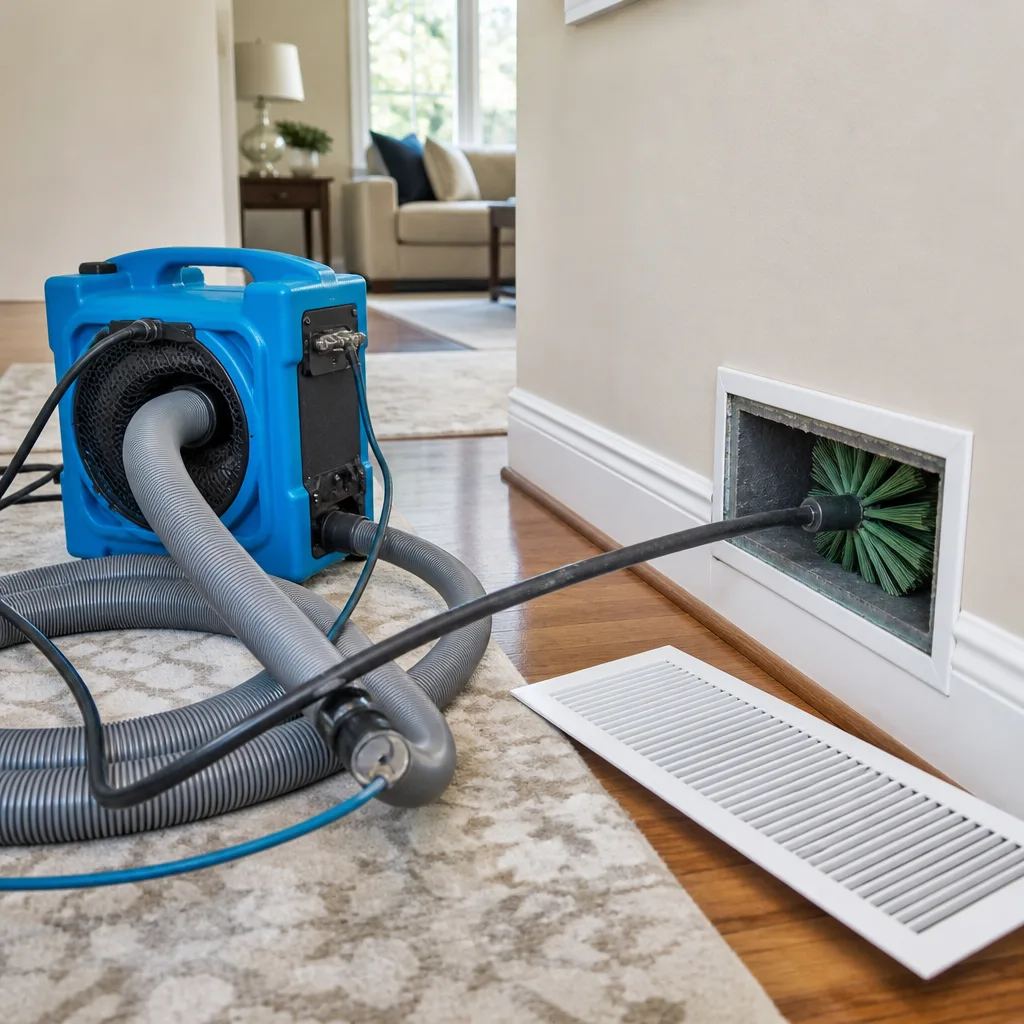
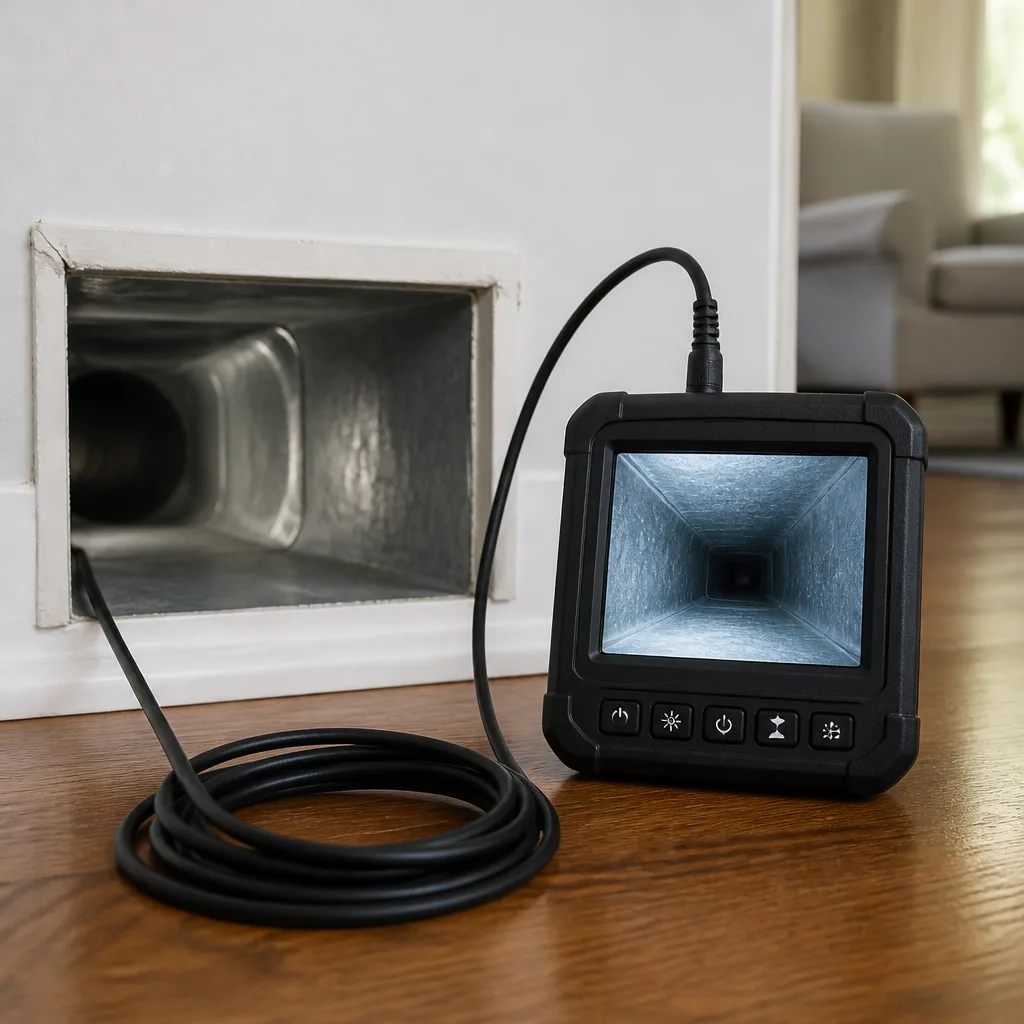
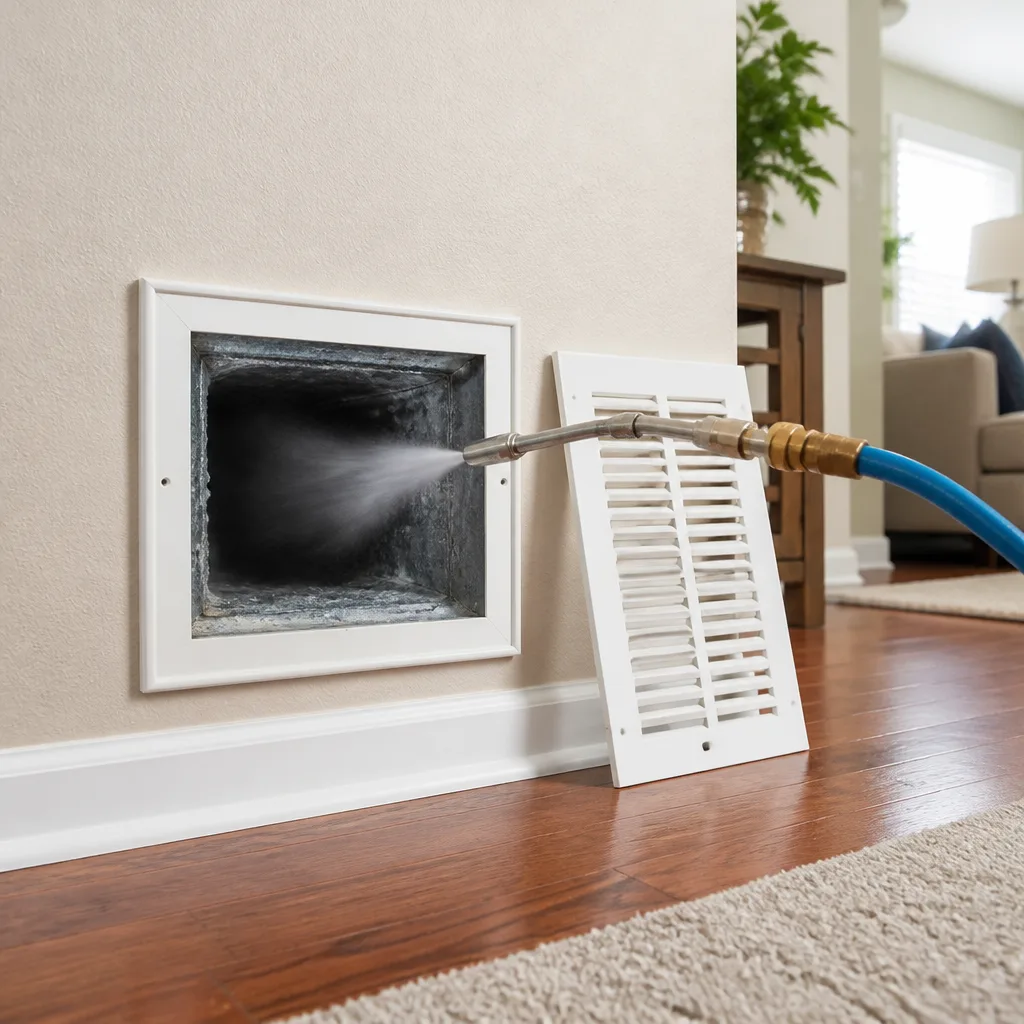
Whole-system duct and dryer vent check with before-and-after photos - you see exactly what came out of your vents
That "$99 whole-house special" is a bait ad - the real number appears once they are in your hallway, or the "clean" is a shop-vac at the register. We photograph the inside of your ducts before and after instead.
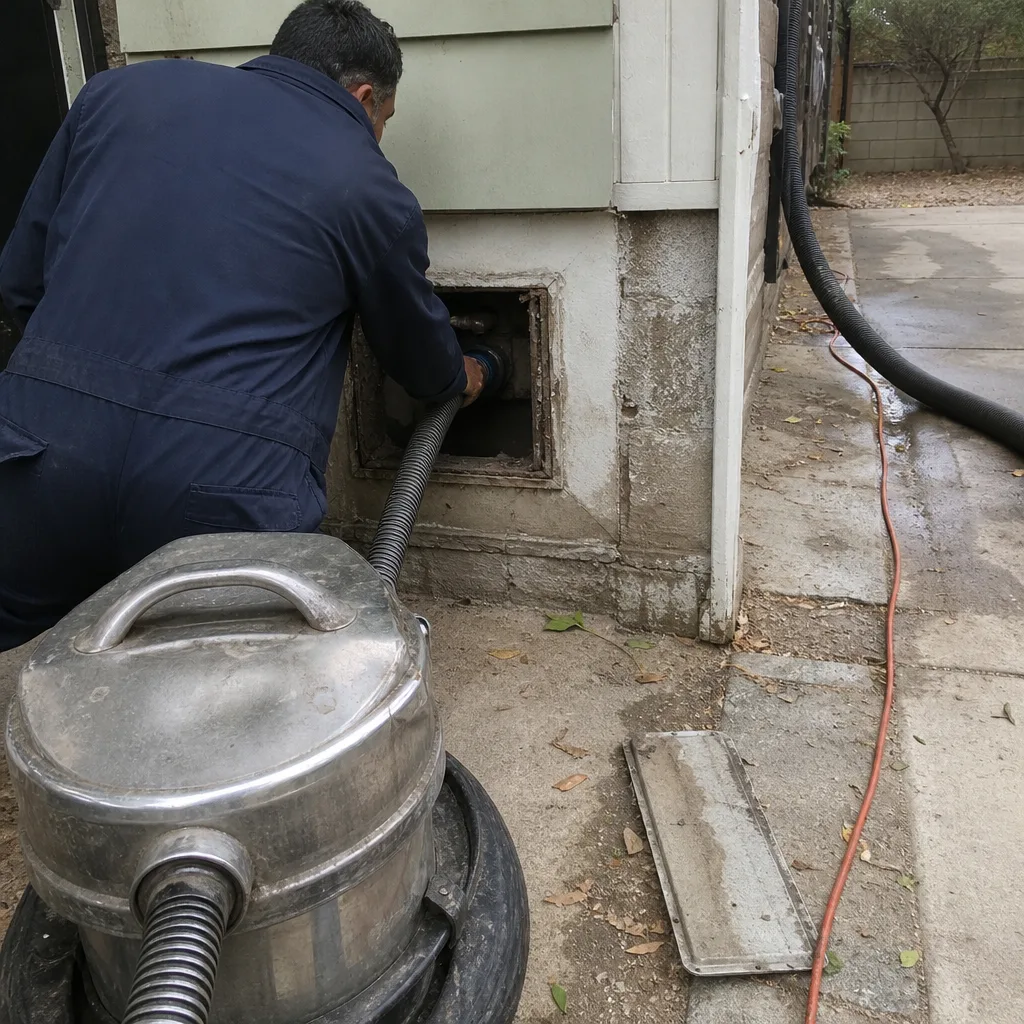 Before
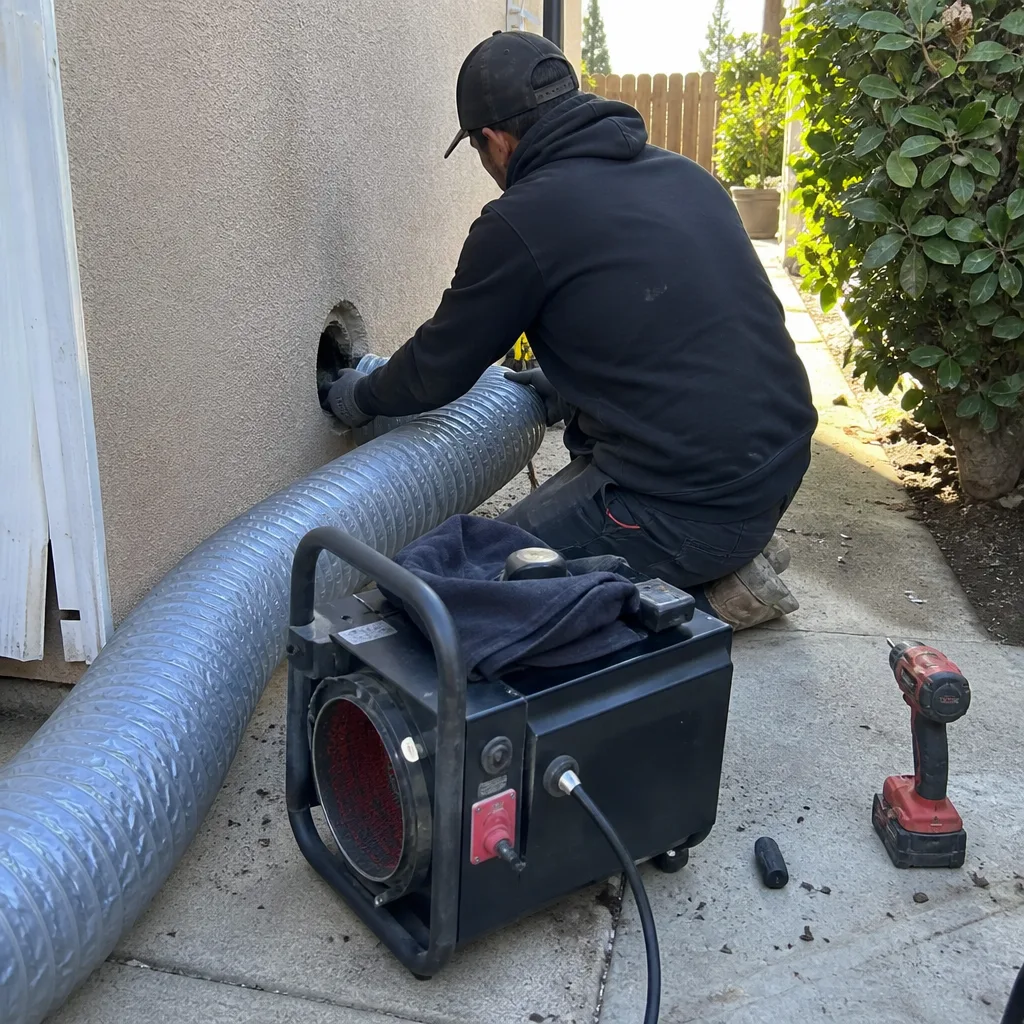 After
After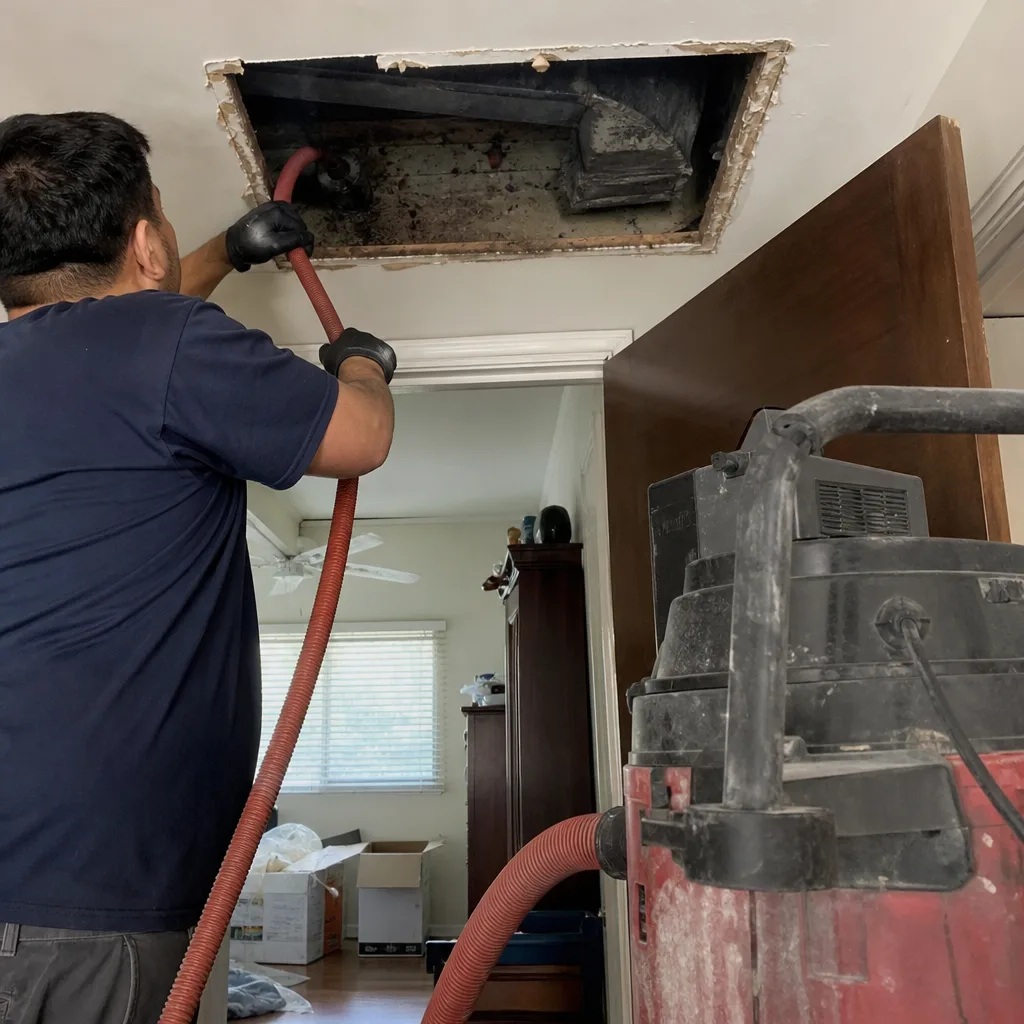 Before
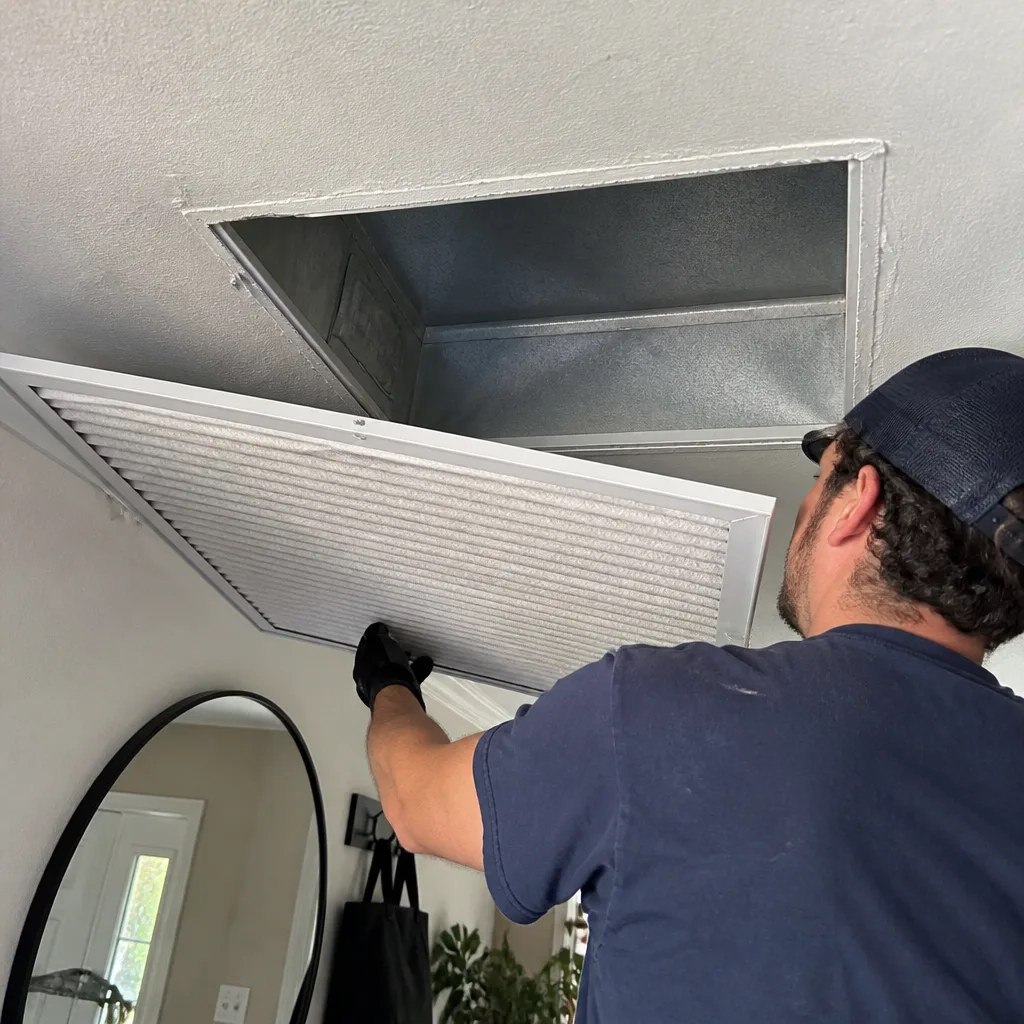 After
After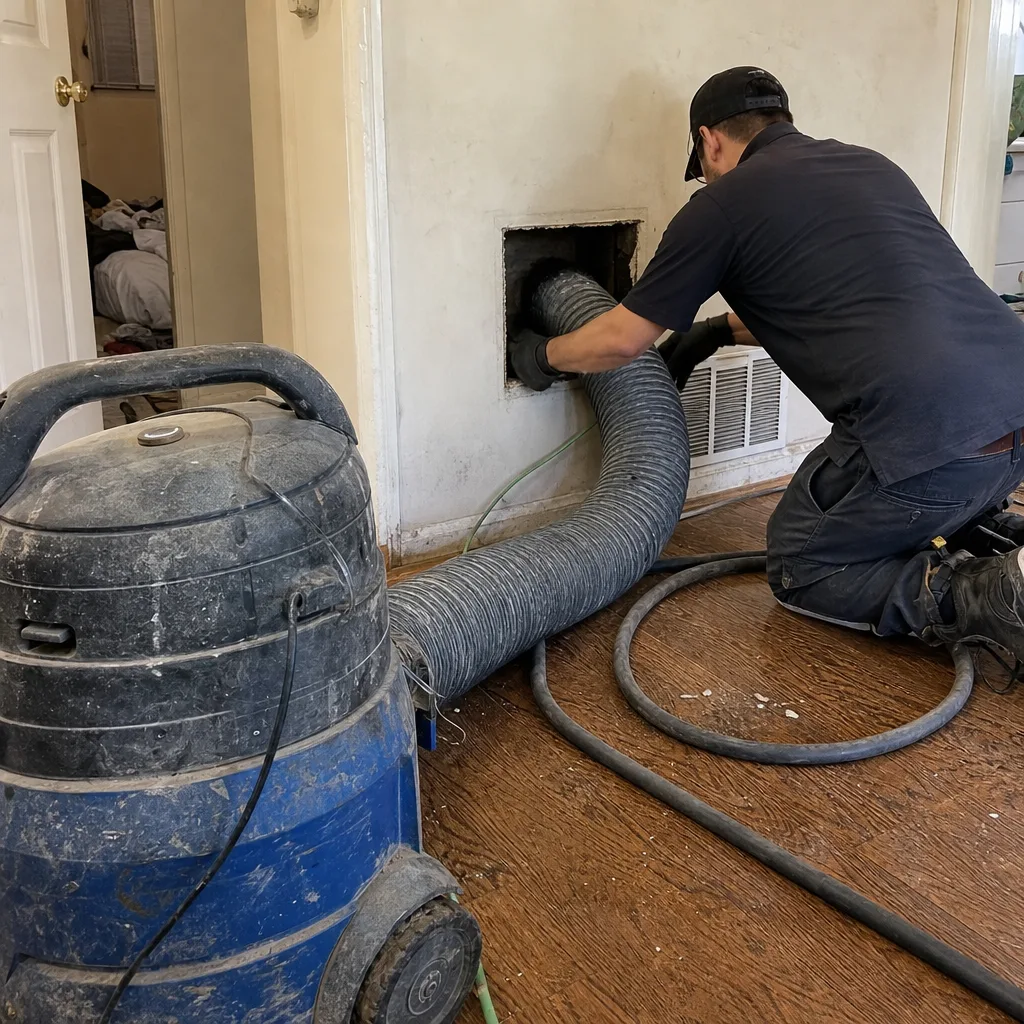 Before
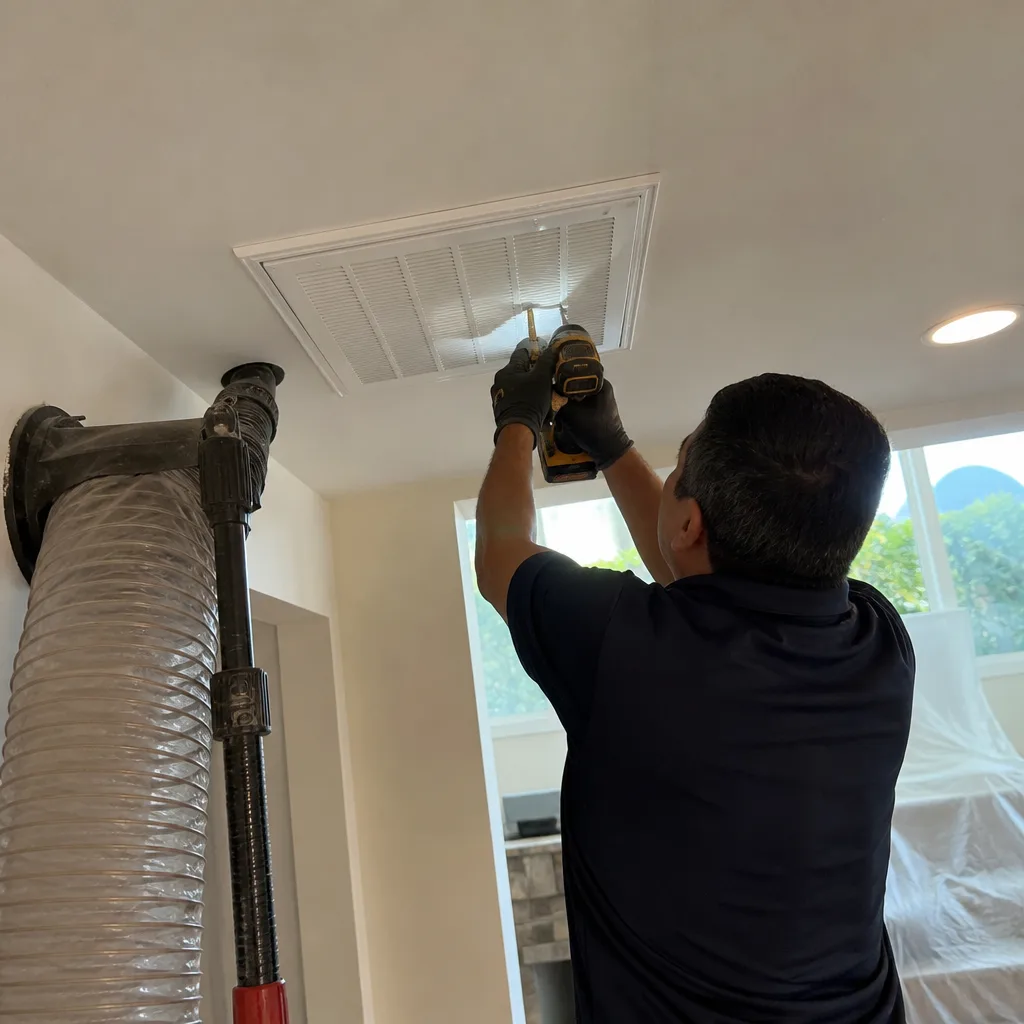 After
AfterHow Long Does Dryer Vent Cleaning Take? Timelines and What to Expect
Most homeowners budget an hour. Many jobs finish in 35 minutes. A few legitimately run three hours. The difference has nothing to do with how dirty the vent is. It comes down to your home’s specific configuration: how far the vent runs, how many turns it makes, and how accessible the termination point is. In Los Angeles, where we’ve cleaned dryer vents in everything from 1920s bungalows in Echo Park to new-build condos in Playa Vista, the range is wide and the reasons are specific. This Dryer Vent Cleaning guide walks through the exact variables that determine your timeline, what a technician should be doing minute by minute, and the red flags that signal a job being padded or skipped.
Quick Answer
Dryer vent cleaning typically takes 35 to 75 minutes for most single-family homes in Los Angeles. Simple first-floor setups with a short exterior wall termination finish in about 30 to 45 minutes, while second-story or interior vent runs with multiple bends can run 90 minutes to two hours. Roof terminations and unusually long runs can push the job to three hours, but anything done in under 20 minutes on anything but the most direct exterior-wall setup is a sign steps were skipped.
Table of Contents
- The Three Variables That Actually Control the Clock
- Realistic Timelines by Home Type
- Phase by Phase: What Happens During the Job
- The 20-Minute Clean: When Fast Is a Red Flag
- What You Should See and Hear at the End
- How Los Angeles Homes Affect Dryer Vent Timelines
- Common Mistakes to Avoid
- When to Call a Professional
- Frequently Asked Questions
- The Bottom Line
The Three Variables That Actually Control the Clock
A dryer vent cleaning clock is not a measure of effort. It is a measure of configuration. A technician can be working at full speed for 45 minutes on one home and 15 minutes on another, and both jobs are done correctly. The difference is what the building hands them. Here are the three variables that matter.
Vent run distance. The length of the duct from the back of your dryer to the outside termination point is the single biggest factor. A dryer in a laundry closet on an exterior wall might have a 4-foot run. A dryer in the center of a two-story home can have a 25-foot run snaking through walls, floors, and ceilings. Building code typically caps dryer vent runs at 25 feet, with each 90-degree bend counting as 5 feet against that total. The longer the run, the more linear footage a technician has to clean, and the more time it takes to feed cleaning tools through and verify they reached the end.
Number of bends and elbows. Every turn in the duct creates a spot where lint accumulates faster and where cleaning tools must navigate a corner. A straight run is a single pass. A run with two 90-degree elbows means the technician repositions equipment at each turn, works through resistance at the bend, and often needs to access the duct from both ends to get full coverage. In our experience, a single 90-degree elbow adds roughly 10 to 15 minutes of working time, assuming the duct is otherwise accessible.
Roof versus wall termination access. Where the vent exits the home determines how much of the job involves ladder work, roof safety, and access setup. A ground-level wall termination means the technician can reach the exterior vent cap standing on the ground. A roof termination means ladders, roof harnesses or footing precautions, and the extra care required on tile roofs, which are common across Los Angeles. That access time is real work, not padding. A roof-access job typically adds 20 to 40 minutes to the total.
Realistic Timelines by Home Type
Rather than a single vague estimate, here is what we tell Los Angeles homeowners based on the kind of building they live in. These ranges assume a professional using rotary brush and negative-pressure extraction equipment, not a homeowner with a drill-attachment kit.
- Condo or apartment with a short exterior-wall vent (3 to 8 feet, 0-1 bends): 25 to 40 minutes. The vent is short, the termination is usually on a balcony or exterior wall, and access is straightforward.
- Single-story home with laundry on an exterior wall (5 to 12 feet, 1 bend): 35 to 50 minutes. The most common configuration in Los Angeles, especially in mid-century ranches in the San Fernando Valley and older neighborhoods like West Adams.
- Single-story home with laundry in an interior room (12 to 20 feet, 2-3 bends): 50 to 75 minutes. The duct runs through interior walls or an attic before exiting. Each bend adds working time, and the technician typically cleans from both ends.
- Two-story home with laundry on the first floor, interior run to a roof or second-story wall cap (20 to 25 feet, 2-4 bends): 75 minutes to 2 hours. This is the longest common configuration. The run is near code maximum, the bends add resistance, and roof or upper-wall access adds setup and safety time.
- Two-story home with laundry upstairs and a roof termination: 60 to 90 minutes. Shorter run than the first-floor scenario, but roof access adds time, especially on Spanish tile roofs common in Los Angeles.
These are working times, not appointment windows. This should not include 30 minutes of sitting in the driveway. If a technician is inside and actively working, these ranges hold across Los Angeles housing stock.
Phase by Phase: What Happens During the Job
A proper dryer vent cleaning follows a predictable sequence. Knowing the phases lets you follow along and notice if something is being skipped.
- Setup and inspection (5 to 10 minutes). The technician pulls the dryer out, disconnects the vent at the dryer connection, and visually inspects the duct from both the interior and exterior ends. They should check the exterior vent cap for damage, blockage, or the wrong type of cap for your vent configuration.
- Equipment setup (3 to 5 minutes). Professional cleaning uses a rotary brush system connected to a negative-pressure vacuum. The vacuum creates suction at one end while the brush agitates lint loose from the duct walls. The technician positions the equipment at the most accessible opening.
- Active cleaning pass (10 to 30 minutes). The rotary brush feeds through the entire duct length, scrubbing lint, debris, and any nesting material from the walls. On runs with bends, the technician works the brush through each corner, sometimes from both directions. This is the phase where the distance and bend variables show up in real time.
- Exterior cap cleaning and check (5 to 10 minutes). The technician cleans the exterior vent cap, removing lint built up on the louver or screen. If the cap is a roof termination, this phase includes the roof access work.
- Reconnection and verification (5 to 10 minutes). The vent is reconnected at the dryer, the dryer is slid back into position, and the technician runs the dryer briefly to confirm airflow through the vent to the outside. They should show you the extracted lint and explain anything unusual they found.
Total working time: 25 to 65 minutes on a typical single-story Los Angeles home. The phases themselves are not complicated; what takes time is doing them without shortcuts.
The 20-Minute Clean: When Fast Is a Red Flag
There is exactly one scenario where a legitimate dryer vent clean takes 20 minutes or less: a ground-floor laundry room with a 3-to-5-foot straight run through an exterior wall, in a home that was cleaned within the last year. That is it. If you live in a two-story house, if your dryer is on an interior wall, if the vent terminates on a roof, or if it has been years since the last cleaning, a 20-minute job means steps were skipped.
What gets skipped in a rushed job? The exterior cap cleaning, for one. It requires going outside, and it is the most common omission. A technician who cleans only from inside the laundry room and never touches the exterior termination point has done half the job. The verification step also gets skipped: running the dryer and confirming full airflow at the termination point. And on longer runs, a rushed job may only clean the first 10 feet of duct and never reach the far end.
We have seen this in Los Angeles repeatedly. A homeowner pays for a “full clean” and gets a 15-minute interior vacuum pass that leaves the last 15 feet of duct packed with lint. The clue is always the same: the technician never went outside, never showed extracted lint from the full run length, and never confirmed airflow at the cap. If the time on the clock and the phases you actually observed do not match, ask questions before the technician leaves.
What You Should See and Hear at the End
A dryer vent cleaning is one of those services where a dishonest technician can do very little and still collect the full fee, because the work is hidden inside a wall. That is why the end-of-job verification matters. Here is what a completed job should include.
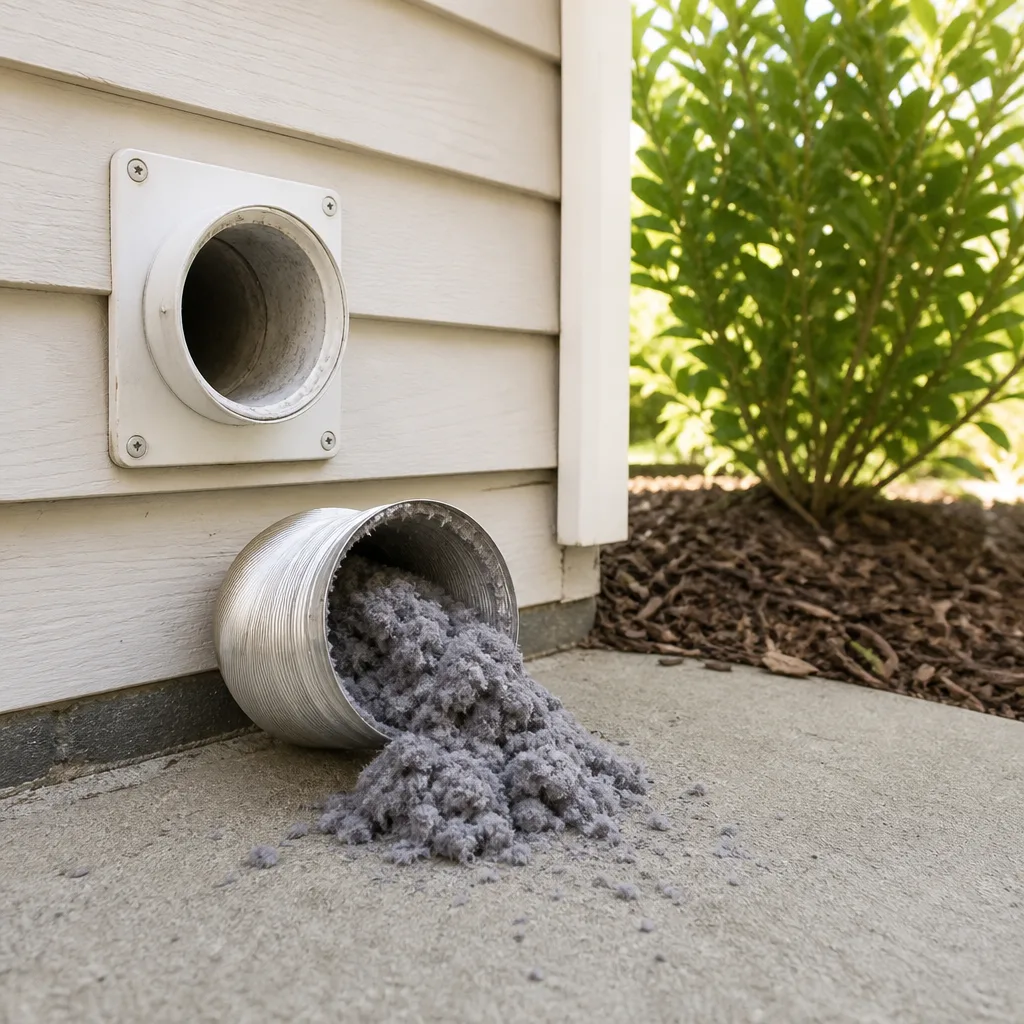
- Extracted lint, shown to you. The technician should show you the volume of lint removed. On a heavily loaded vent, this can be a shocking amount: a packed grocery bag or more. On a recently cleaned vent, it may be a modest pile. Either way, you should see it.
- Exterior cap confirmation. The technician should confirm the exterior vent cap is clean and functioning, and describe its condition. If they never went outside, the exterior portion was not serviced.
- Airflow check. With the dryer running, the technician should confirm strong airflow at the exterior termination point. You can ask them to show you, or walk outside yourself and feel the air moving.
- Condition report, honest and specific. A good technician will tell you what they found: whether the duct is the correct material, whether there are disconnected segments, whether the cap is the right type, and whether you are at a point where repair or replacement is worth considering.
At Linden Air Duct Cleaning home, we send the technician’s name and photo before the visit, they show a photo ID badge at the door, and every job ends with a walk-through of what was removed and what we saw. The 365-Day Done Right Promise backs the work in writing: if something is not right, we make it right.
How Los Angeles Homes Affect Dryer Vent Timelines
Los Angeles housing stock is not uniform, and neither are dryer vent configurations. A 1950s ranch in Granada Hills, a 1920s craftsman in Highland Park, a 1970s condo tower in Century City, and a 2005 infill townhome in Culver City all present different vent geometries. Here is what we see most often across the city.
Mid-century single-story homes, which dominate the San Fernando Valley and much of the Westside, usually have short exterior-wall runs: the laundry room sits against an outside wall, and the vent run is under 10 feet. These are fast jobs. Older pre-war homes, which are common in central Los Angeles and Pasadena-adjacent neighborhoods, often have laundry in a converted back porch or utility room with a longer interior run and sometimes outdated duct materials that snag the brush and slow the pass.
Newer and renovated homes present a different challenge: duct runs pushed to code maximum as builders route vents from interior laundry rooms through attics to roof caps. These are the jobs that run 90 minutes and up. Roof terminations are also more common in two-story homes across the city, and Los Angeles roof types, especially Spanish tile, require careful footing and slower work.
For Los Angeles homeowners considering a fuller cleaning, our related guide on Dryer Vent Cleaning in Los Angeles covers what the full service includes, pricing ranges, and what to ask before booking. The timelines here apply to that service directly.
Common Mistakes to Avoid
- Hiring on time alone. If a company advertises “15-minute dryer vent cleaning,” they are either cleaning only the first few feet of duct or the claim is false. Time is not a feature; thoroughness is. A proper clean takes as long as your home’s configuration requires.
- Skipping the exterior cap check. Many Los Angeles homeowners only worry about the interior vent and never confirm the exterior cap was serviced. A blocked or damaged exterior cap is the most common cause of a vent that stays clogged after cleaning.
- Waiting for symptoms. By the time your dryer takes two cycles to dry a load or the laundry room feels humid, the vent has been restricted for a while. Cleaning on a schedule, not on symptoms, protects the dryer and shortens drying times.
- Hiring someone who will not show proof of work. If the technician cannot or will not show you extracted lint, confirm airflow at the cap, or describe what they found, you have no way to verify the job was done. Written guarantees and visible proof are not extras; they are the job.
- Confusing dryer vent cleaning with air duct cleaning. They are different services with different equipment and different timelines. Dryer vent cleaning targets the single duct from your dryer to the outside. Air Duct Cleaning in Los Angeles covers the HVAC ductwork throughout the home. Some homeowners book one expecting the other.
- Neglecting vent configuration during a remodel. When Los Angeles homeowners move a laundry room during a remodel, they sometimes end up with a 25-foot run with three elbows and a roof termination, then wonder why the dryer underperforms. Design matters; every bend and every foot of run adds resistance and cleaning time.
When to Call a Professional
If your dryer vent has not been cleaned in over a year, if you have noticed longer drying times, a burning smell when the dryer runs, or visible lint around the exterior vent cap, schedule a professional cleaning. For Seasonal Air Duct Cleaning Care for Los Angeles: Year-Round Homeowner’s Guide tips, see our seasonal maintenance resources. If you have a long run, multiple bends, or a roof termination, the job requires equipment and access skills that make professional cleaning the safer and more effective option. The risk of a clogged vent is not just inefficiency; it is a fire hazard, and the liability and safety considerations are real. Linden Air Duct Cleaning offers free estimates in Los Angeles and serves the entire metro area. Call (980) 447-2498 to get a written price before any work begins.
Frequently Asked Questions
For a typical single-family home in Los Angeles, dryer vent cleaning takes 35 to 75 minutes of working time. Short exterior-wall runs finish in 25 to 40 minutes, while long interior runs to a roof cap can take 90 minutes to two hours. If a company quotes under 20 minutes for a standard home, ask what exactly is included. Call (980) 447-2498 for a free estimate based on your specific home.
Three variables add time: vent run distance, the number of bends and elbows, and roof versus wall termination access. A 25-foot run with three elbows and a tile-roof termination will take far longer than an 8-foot straight run to an exterior wall. Los Angeles roof types, especially Spanish tile, add setup and safety time.
You can clean a short, accessible exterior-wall vent with a brush kit, and that may take 30 to 60 minutes of your own time. For How to Hire a Air Duct Cleaning Contractor in Los Angeles: A Step-by-Step Guide, see our detailed hiring checklist. For longer runs, multiple bends, roof terminations, or any sign of blockage, a professional cleaning is safer and more effective. Improper cleaning can push lint deeper into the duct or damage the vent, making the problem worse. If you suspect a serious blockage, call (980) 447-2498 to talk through it.
Most Los Angeles homes should have dryer vents cleaned once every 12 months. Homes with long runs, multiple bends, roof terminations, or heavy laundry use should consider every 6 months. If you have a household of four or more running daily loads, twice a year is reasonable. A seasonal reminder works well: schedule at the same time you change smoke detector batteries.
A completed job should include visible extracted lint, confirmation that the exterior vent cap was cleaned and checked, and an airflow test with the dryer running at the termination point. If the technician never went outside or cannot show what was removed, the job was incomplete. At Linden Air Duct Cleaning, every technician is background-checked, identity-verified, photo-badged, and introduced by name and photo before arrival.
No. Dryer vent cleaning targets the single duct from your dryer to the outside. Air duct cleaning covers the HVAC system that heats and cools your home. They are different jobs with different tools and different timelines. If you need both, schedule them separately so each gets the time it requires. For HVAC ductwork, see our Air Duct Repair in Los Angeles page if the ducts also show damage.
The Bottom Line
Dryer vent cleaning takes 35 to 75 minutes for most homes, but the honest answer is that your home’s configuration sets the clock. A short exterior-wall run is a fast job. A long interior run with multiple bends and a roof termination is not, and if someone claims otherwise, they are not doing the full job. Watch for the phase-by-phase sequence, insist on visible proof at the end, and hire a company that puts its guarantee in writing. Browse our more guides & resources for additional homeowner tips. Linden Air Duct Cleaning serves Los Angeles homeowners with the Threshold Standard: background-checked and identity-verified technicians, a written price before work begins, and a 365-Day Done Right Promise on every job. Call (980) 447-2498 for a free estimate.
Written by Marcus Veale, Owner at Linden Air Duct Cleaning, serving Los Angeles since 2004.