
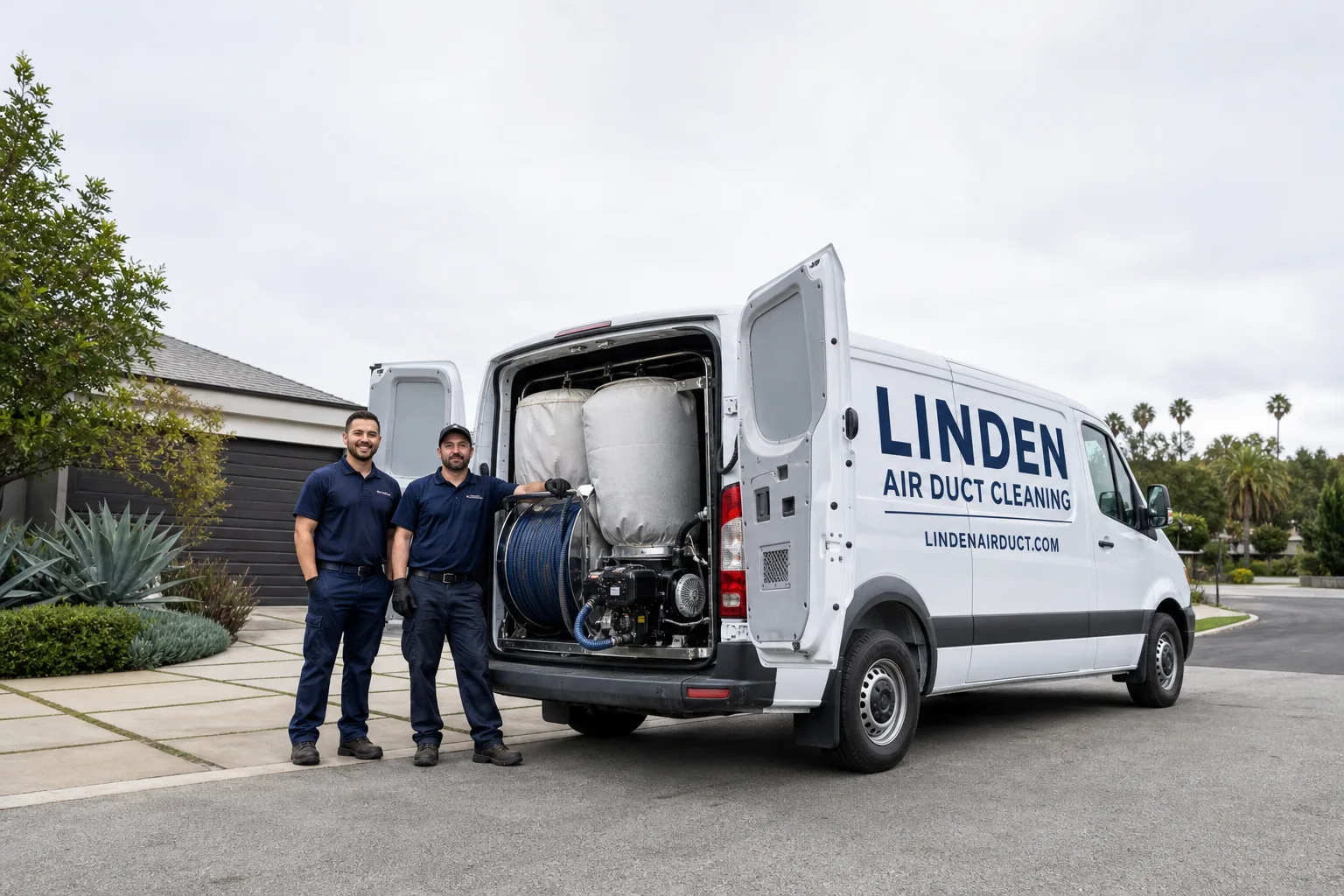
Whole-system duct and dryer vent check with before-and-after photos - you see exactly what came out of your vents
That "$99 whole-house special" is a bait ad - the real number appears once they are in your hallway, or the "clean" is a shop-vac at the register. We photograph the inside of your ducts before and after instead.
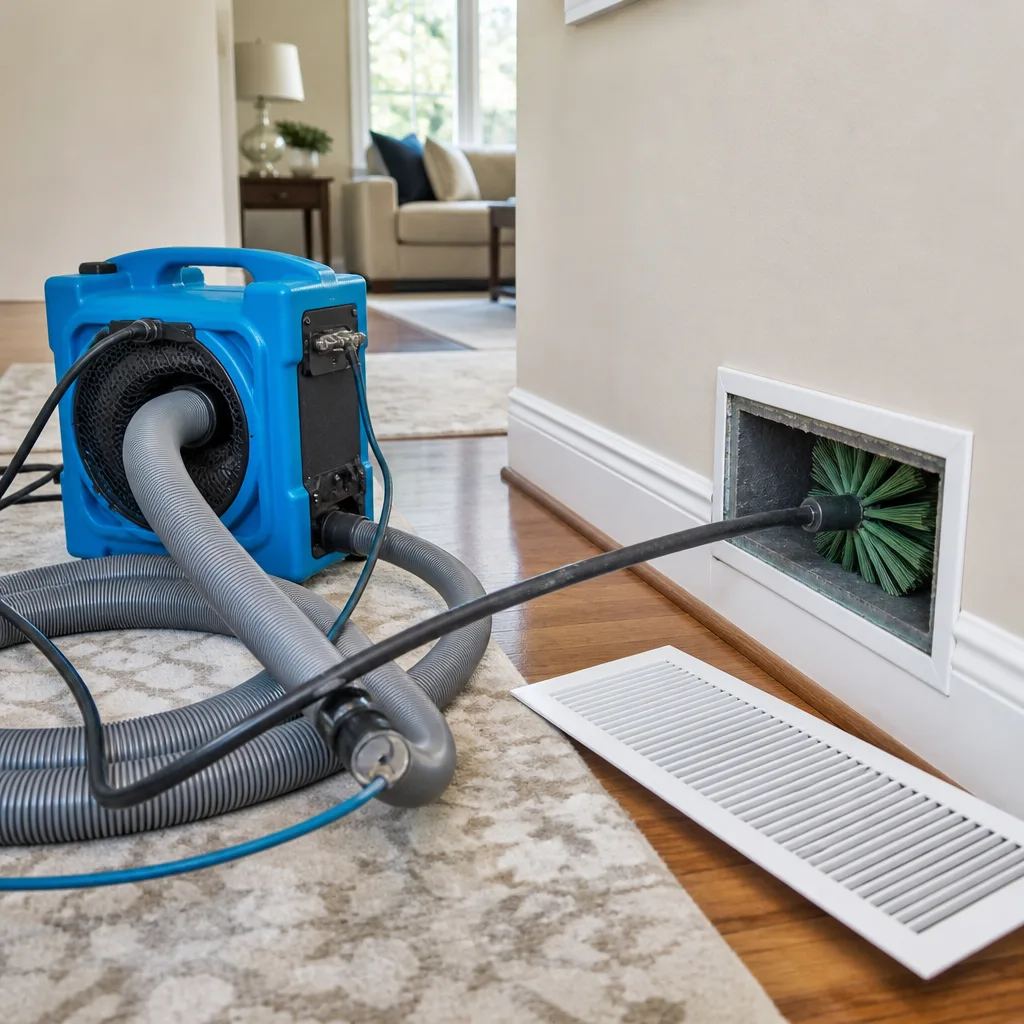
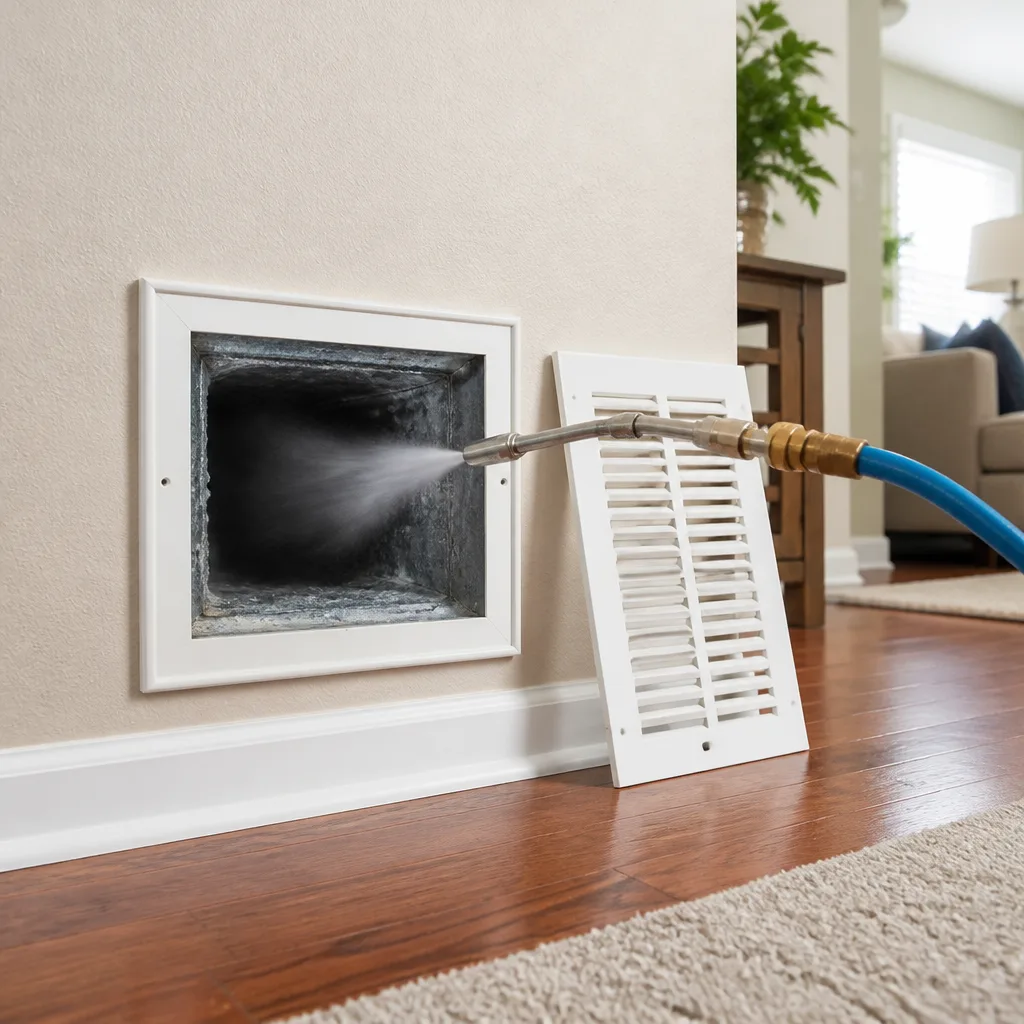
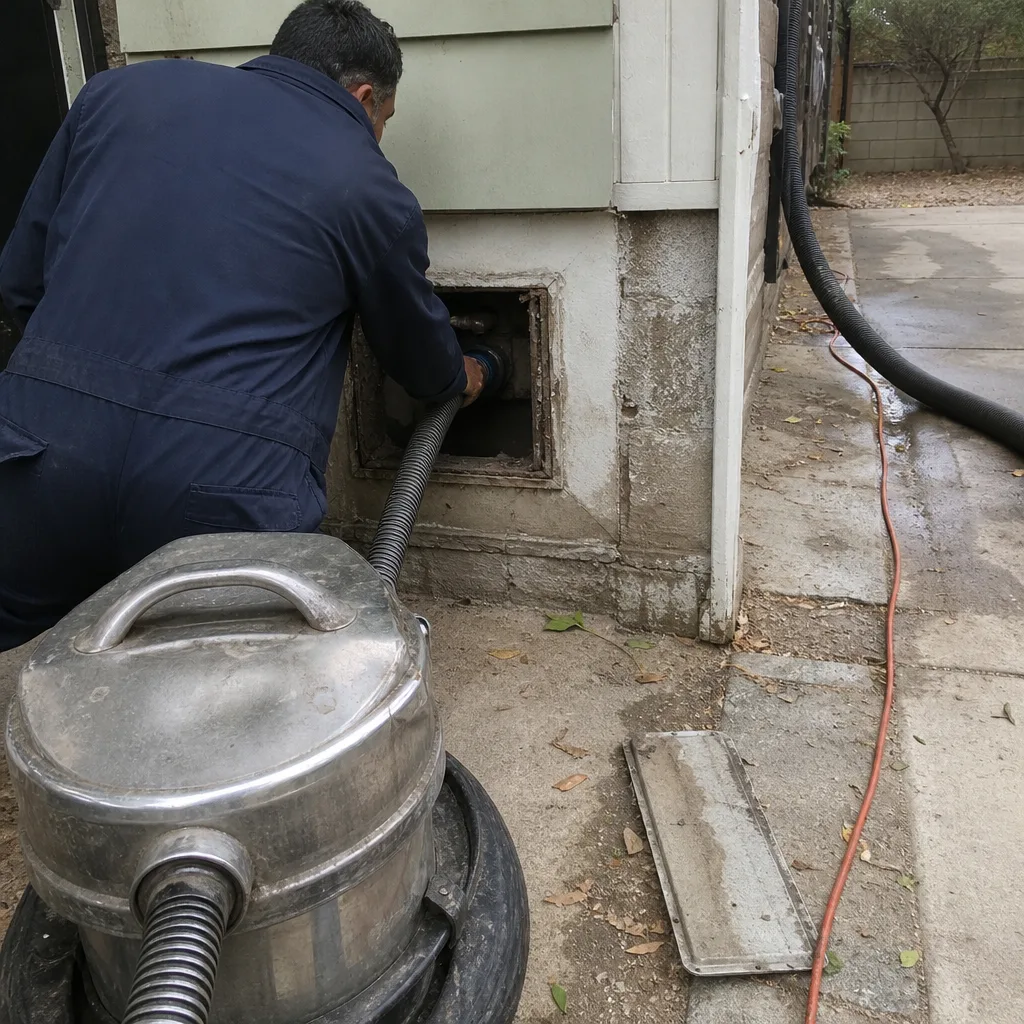 Before
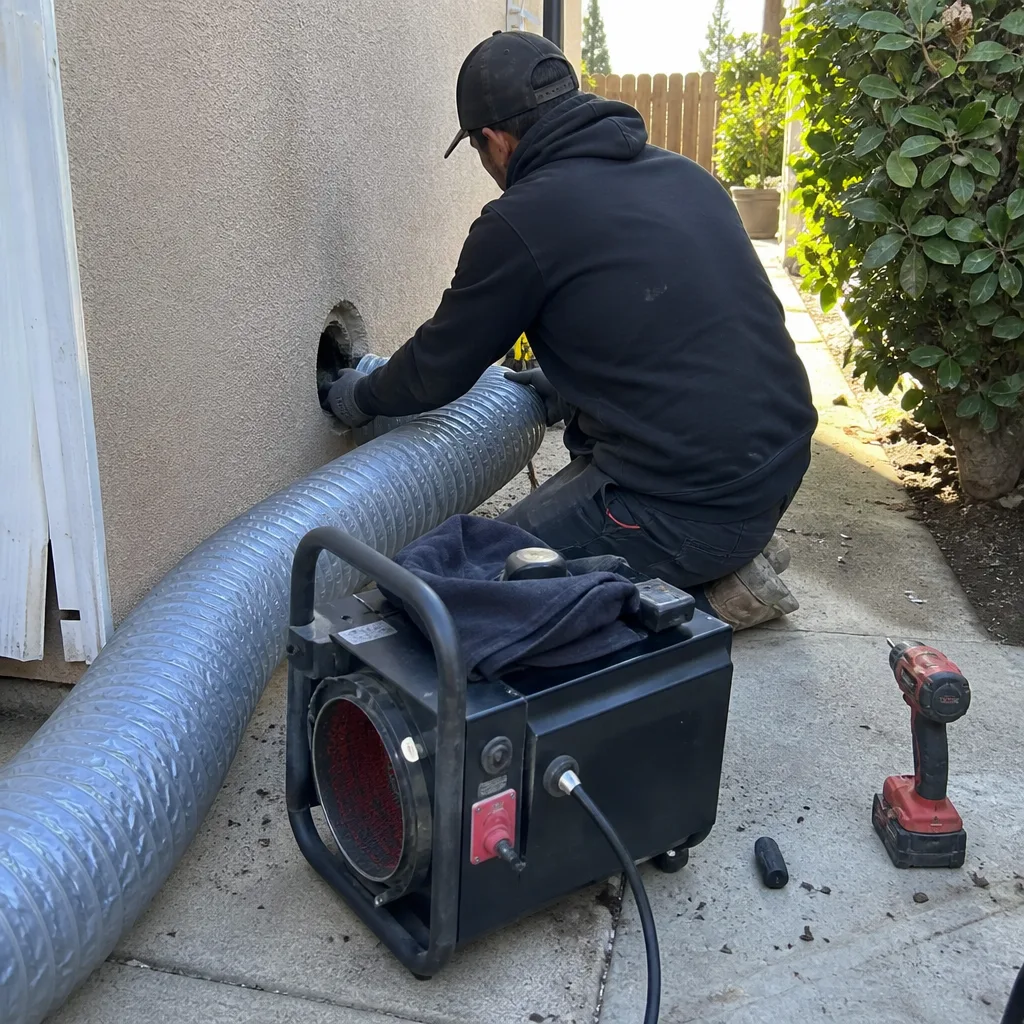 After
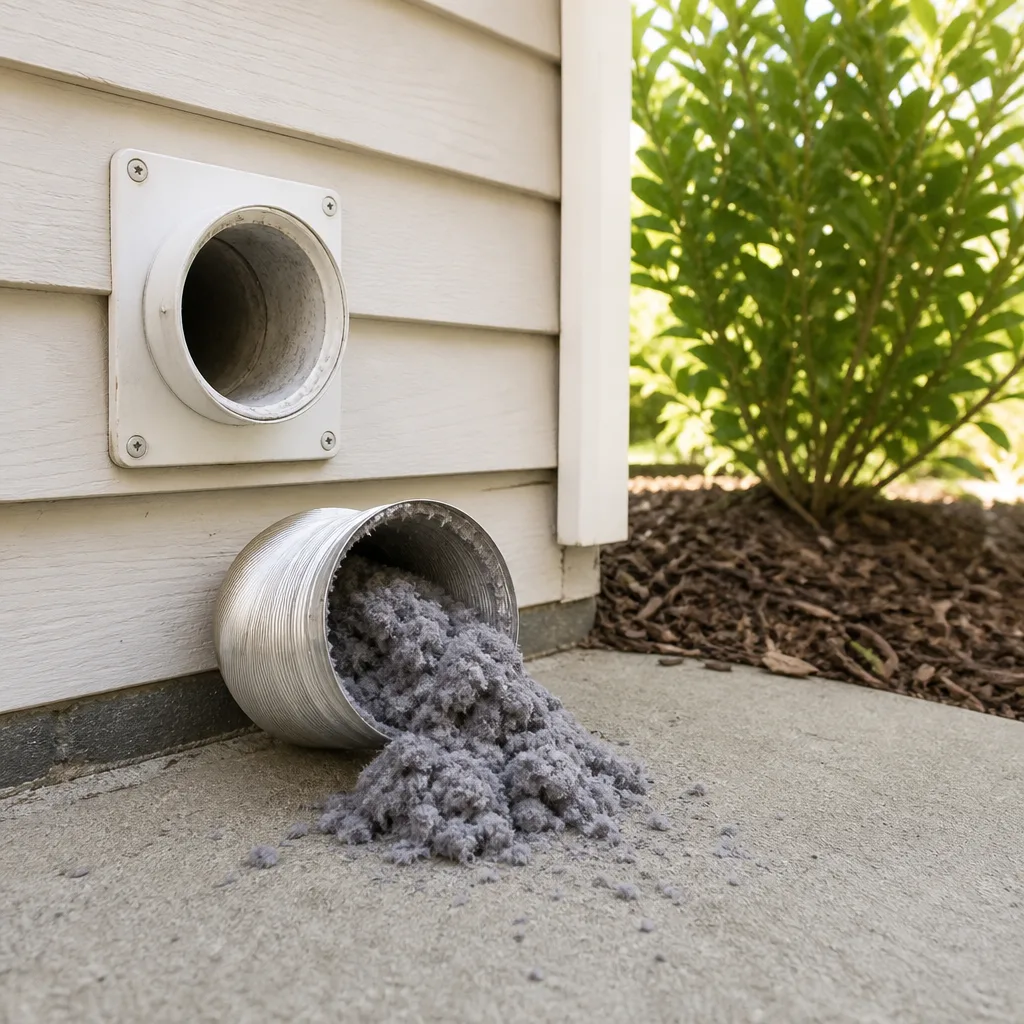
After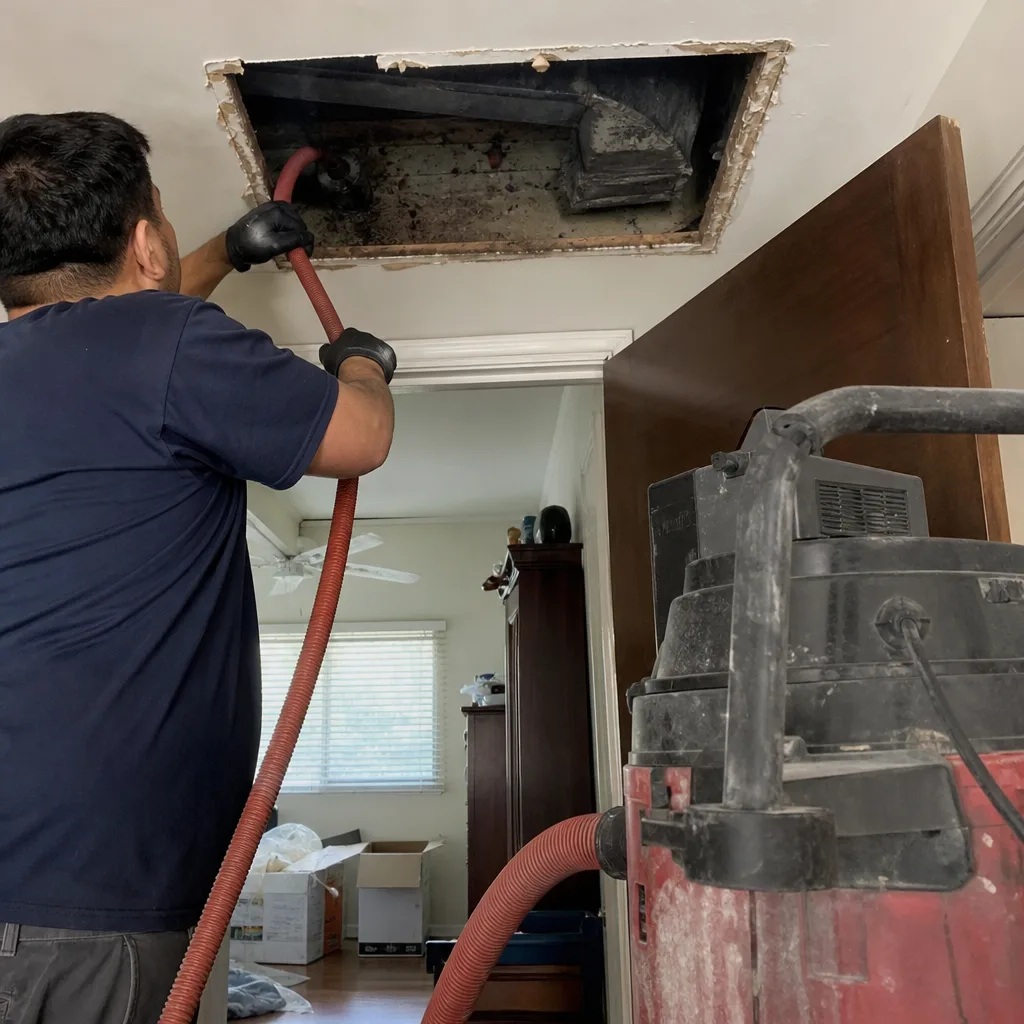 Before
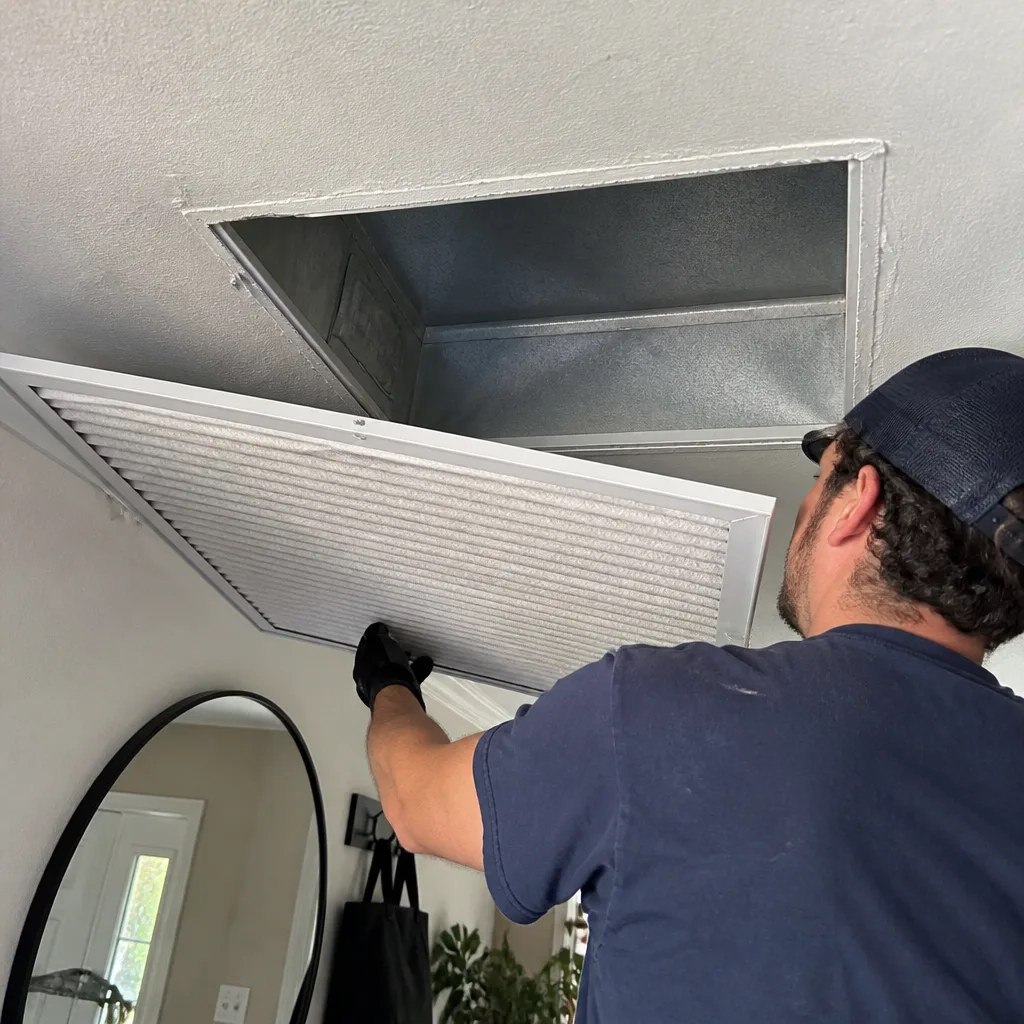 After
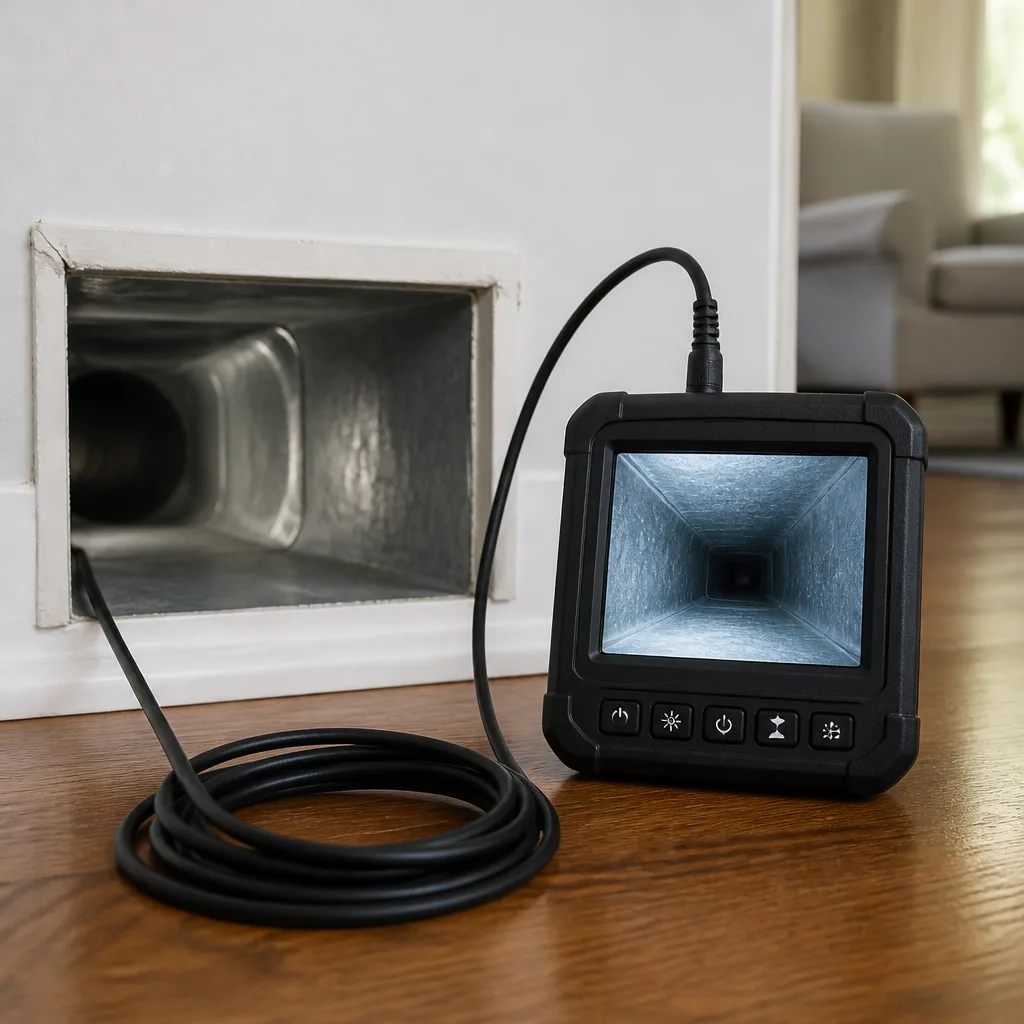
After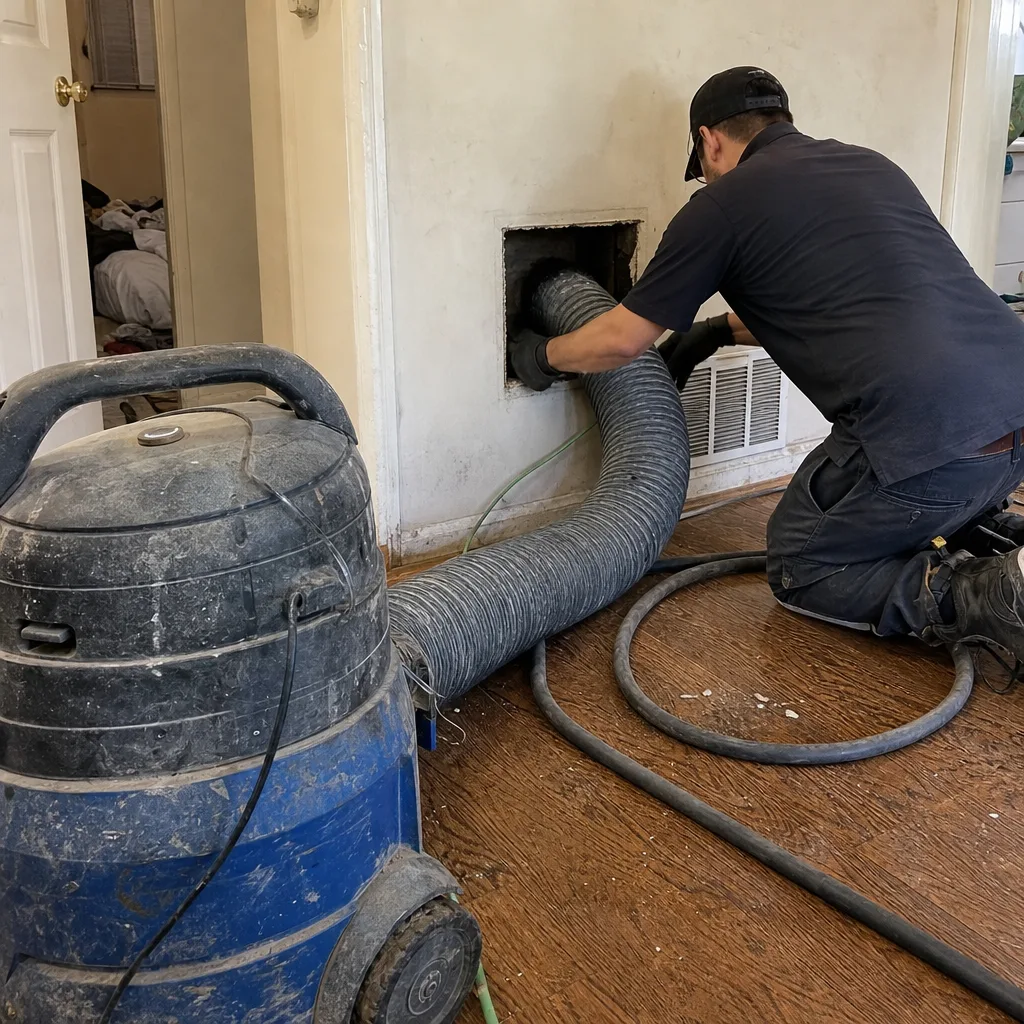 Before
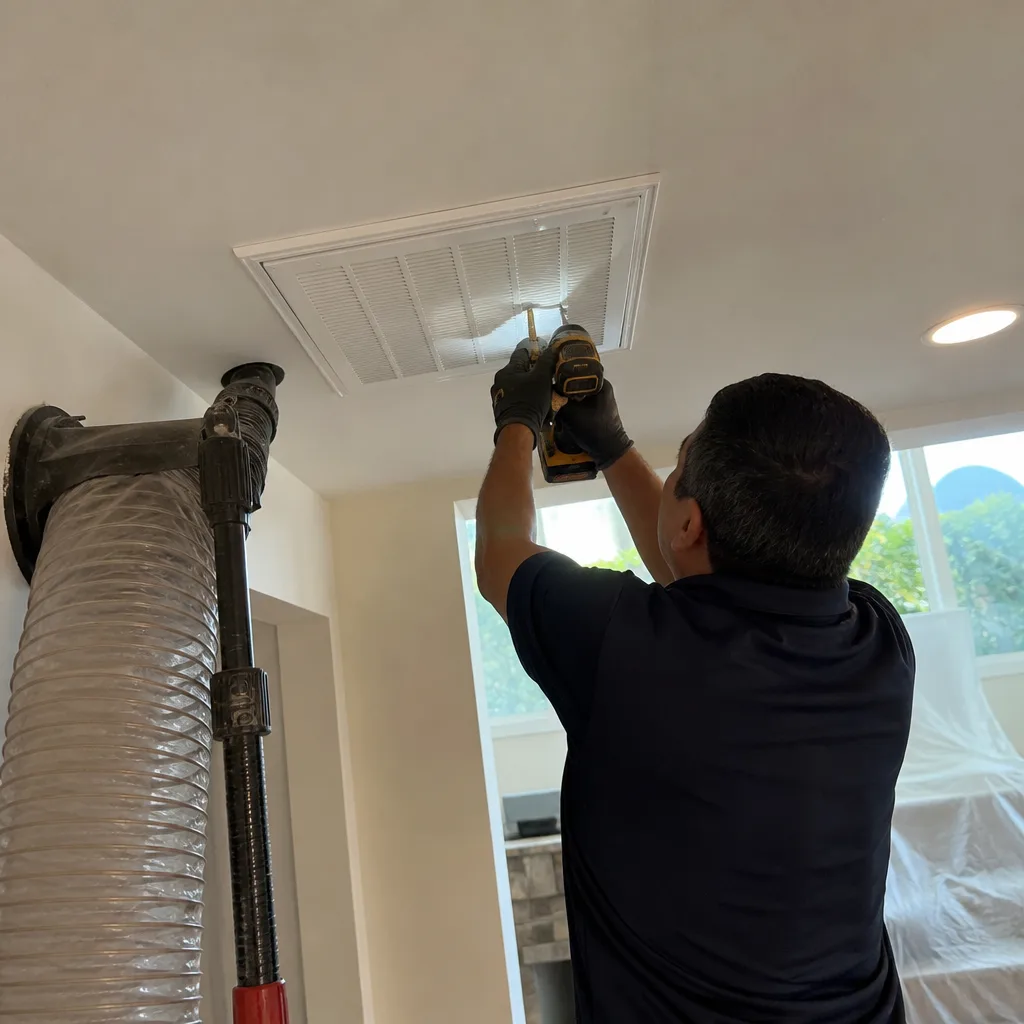 After
AfterFast, Reliable Dryer Vent Cleaning Across Parkwood
Dryer vent cleaning in Parkwood typically costs between $149 and $329 for a standard single-family home, depending on vent run length and how heavily the line has packed with lint. Most jobs are completed in 60 to 90 minutes, and we schedule throughout the week, including Saturdays. If you live in a rental near JBLM and you’ve just moved in, there’s a good chance the vent hasn’t been touched in years despite what the turnover sheet says. Call (980) 447-2498 and we’ll get you on the schedule.
Why Linden Air Duct Cleaning Is Parkwood’s Preferred Dryer Vent Cleaning Company
We’ve been serving homeowners since 2004, and our Dryer Vent Cleaning team knows Parkwood’s housing stock well. The post-WWII ranches and split-levels off 112th Street and Military Road have a particular problem: original sheet-metal ductwork with joints that have been pulling in crawl-space damp air for five decades. That’s not something a generic vent service from outside the area recognizes on sight. We do.
Marcus Veale leads our team, and he’s built the company around one principle: before any work starts, you get a written price. No exceptions. Our technicians are background-checked and identity-verified under the Threshold Standard. Before your appointment, we send the tech’s name and photo. At the door, they show a photo ID badge. You know who is walking into your home. That matters whether you’re a parent home with young kids or an older homeowner who’s been burned before.
Every job carries the 365-Day Done Right Promise in writing. If the vent isn’t right, we make it right. And when you call, a real person answers. Always. No voicemail loops, no callbacks.
Dryer Vent Installation in Parkwood
Dryer Vent Installation in Parkwood comes up more often than you’d expect, and it’s usually for one of two reasons: the original vent run was never installed correctly, or the existing vent has corroded past the point of safe repair. In this climate, corrosion happens fast. Pierce County’s 45 to 50 inches of annual rain and persistent marine humidity mean exterior vent hoods rust, flaps freeze open, and moisture gets pulled straight into the lint pathway behind the dryer.
A proper installation for a Parkwood home runs between $180 and $420 depending on run length, wall construction, and whether we’re replacing the exterior hood at the same time. We use rigid or semi-rigid metal duct, never white vinyl. The price is in writing before we touch anything.
Replacing Corroded Vent Hoods
Older Parkwood rentals near JBLM frequently have exterior vent hoods that have rusted open. When the flap doesn’t seal, rain and damp air enter the vent continuously. That wet lint then compacts against the duct walls. We replace the hood, verify the flapper seats properly, and confirm airflow with a camera inspection at the vent.
Rerouting Poor Original Runs
Some 1950s and 1960s homes have dryer vents that run 25 feet or more with multiple elbows, which is exactly where lint packs tight. If the run is accessible, we can reroute it shorter and straighter. Shorter runs dry faster, clog less, and put less strain on the dryer motor.
Dryer Vent Repair in Parkwood
Dryer Vent Repair in Parkwood usually comes down to three things: separated joints on original sheet-metal runs, crushed or kinked transition ducts behind the dryer, and exterior caps that no longer close. None of these are visible from the laundry room, which is why so many repairs only happen after a tenant reports the dryer taking two cycles to finish a load.
Repair pricing in Parkwood starts at $120 for minor fixes like replacing a damaged transition duct and runs up to about $300 when we’re replacing a section of the vent line or an exterior cap assembly. If the repair is covered by our work and it fails within 365 days, we return at no charge. That’s written, not verbal. It’s part of how Linden handles every repair.
Fixing Joint Separations on Original Ductwork
Post-WWII sheet-metal vents were often joined with mastic and foil tape that has since dried out and peeled. Once a joint separates, crawl-space air and debris get pulled into the lint stream. We re-seal the joint with materials rated for the temperature a dryer vent reaches and test the run under actual airflow.
Addressing Backdraft and Airflow Loss
If the exterior flap is stuck open or a bird has nested in the hood, the whole vent starts acting like a chimney for outside air. That pushes moisture and cold air back toward the dryer. We clear the obstruction, repair or replace the hood, and test the system to confirm air is moving in one direction only: out.
Trusted Brands We Service in Parkwood
We run Rotobrush agitation and negative-pressure extraction equipment on every Parkwood job, paired with HEPA filtration at the vent, so what we pull out of your line doesn’t end up in your laundry room air. For air-quality products, we work with Aprilaire and Guardsman when a customer asks about additional filtration or humidity control. Because we’re a volume buyer, we keep common vent parts, hoods, and transition ducting on our trucks, which means most Parkwood repairs are completed the same visit rather than waiting on a parts order.
Common Dryer Vent Cleaning Problems We See in Parkwood Homes
- Felted lint from multi-household rental cycles. Near JBLM, military families rotate every 2 to 3 years. Each turnover means a new dryer, new pets, new lint. Landlords rarely pay for source removal between tenants, so the vent keeps packing. By the time someone finally calls, the lint has often compressed into a mat that a shop-vac at the trap can’t reach.
- Rusted-open exterior vent hoods. Constant marine moisture and rainfall eats through the cheap hoods builders installed. Once the flap fails, rain enters the vent directly. Wet lint then hardens against the duct wall, cutting airflow by half or more.
- Deteriorated mastic and foil-tape joints on original ductwork. Older Parkwood ranches and split-levels still have their original vents. The sealants have dried and cracked, pulling crawl-space damp air and fine debris into the lint stream. A brush-only clean won’t catch this. Camera inspection does.
- Inherited blockages from unreported previous issues. We regularly find evidence that a prior household had a partial blockage, never reported it, and moved on. The new tenant inherits a vent that was already failing. Without documentation, nobody knows until the dryer takes 90 minutes per load or the wall behind the machine gets warm.
Pricing for Dryer Vent Cleaning in Parkwood, WA
For Parkwood homeowners, expect to pay $149 to $329 for a complete dryer vent cleaning. The main factors are vent run length, number of elbows, and whether the line has been neglected for years. Longer runs and packed lint take more time and more agitation passes. If we’re adding a bird guard or replacing a corroded hood during the same visit, that’s quoted separately and priced in writing before work starts.
We don’t do per-vent pricing or bait-and-switch coupons. One flat price per system, agreed before we begin, and if we find something that needs a repair, we show you the camera footage and quote the repair separately. Call (980) 447-2498 for an exact quote. Estimates are free.
We Also Serve Cities Near Parkwood
Our team handles Dryer Vent Cleaning in Parkwood and the surrounding South Sound communities. We regularly work in Seattle, Spokane, Tacoma, and Vancouver, bringing the same written pricing and verified technician standard wherever we go.
Serving Parkwood, WA - Our Local Coverage Area
We’re based in the Parkwood area and know this community well. Use the map below to see our service coverage - if you’re nearby, we can almost certainly help.
FAQs About Dryer Vent Cleaning in Parkwood
Dryers near JBLM clog faster because of the rental turnover cycle. Military families move every 2 to 3 years, and most landlords treat dryer vent cleaning as a cosmetic line item on the turnover sheet rather than an actual service. Across successive tenancies, lint from multiple households with different pets and laundry habits accumulates in the same vent run. Add Pierce County’s year-round humidity, and that lint never fully dries out. It felts against the duct walls and packs tight. By the time airflow drops noticeably, the vent is carrying years of compacted material. Call (980) 447-2498 and we’ll camera-inspect your line before quoting anything.
No. The lint trap catches maybe 20 to 25 percent of what your dryer produces. The rest moves through the vent run. Cleaning the trap and wiping the exterior hood helps, but it doesn’t touch the lint packed inside the ductwork. In Parkwood’s damp climate, that interior lint compacts and hardens over time. The only way to know what’s actually in the line is a camera inspection, and the only way to remove a felted lint mat is agitation with negative-pressure extraction at the vent. A shop-vac at the trap can’t reach it.
Trust but verify. We’ve opened enough vents in Parkwood rentals to know that a turnover sheet often reflects what the landlord believes was done, not what a technician actually completed. The military lease cycle resets paperwork without resetting the ductwork. If the dryer takes longer than one cycle to dry a normal load, or if the laundry room feels damp when the dryer runs, something is restricting airflow. We’ll inspect the vent with a camera and show you exactly what’s in there before we clean it. Then we hand you before-and-after photos of your own vent.
It genuinely affects it. Parkwood gets 45 to 50 inches of rain a year, and the humidity rarely drops low enough for ductwork to fully dry out. Lint that would stay loose and fluffy in a dry climate absorbs that moisture and mats against the duct walls. That felted lint is harder to remove and restricts airflow more severely. It also creates the conditions where mold can take hold in the vent line. So no, it’s not an upsell. It’s the physical reality of how Parkwood’s climate changes what builds up in your vent. The real upsell to avoid is fogging: spraying a sanitizer mist into the vent without physically removing the source material. We remove the packed lint first. That’s what matters.
For an older Parkwood home, the service should include five things: camera inspection of the full vent run before and after, mechanical agitation through the entire lint pathway, negative-pressure extraction with HEPA filtration at the vent, inspection of every joint and the exterior hood, and a written report with photos. Why camera inspection? Because the original sheet-metal ductwork on post-WWII homes has joints that fail invisibly. A brush-only clean will miss a separated joint pulling in damp crawl-space air. We find it, we show it to you, and we quote a repair separately if you want it fixed. That’s the standard Marcus Veale built Linden on.
Written by Marcus Veale, Owner at Linden Air Duct Cleaning, serving Parkwood since 2004.