
Last updated October 8, 2026
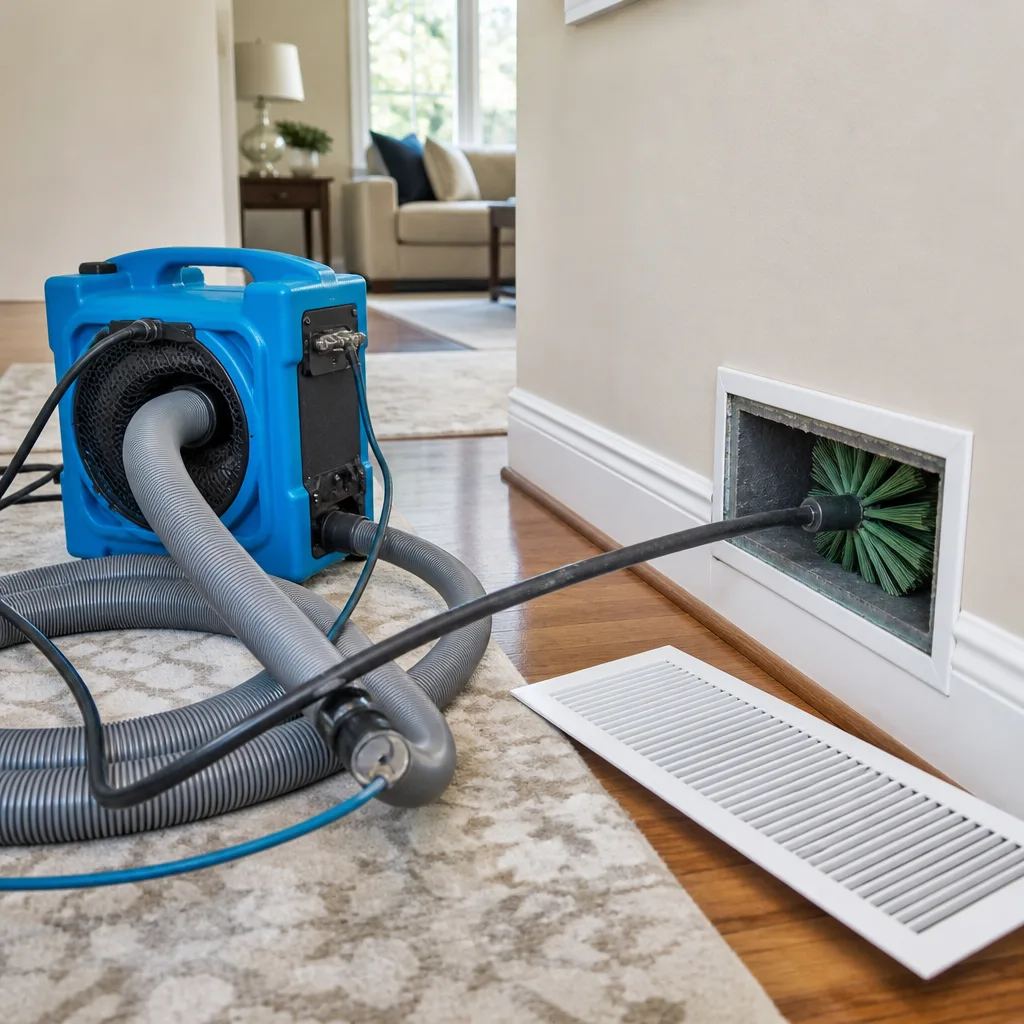
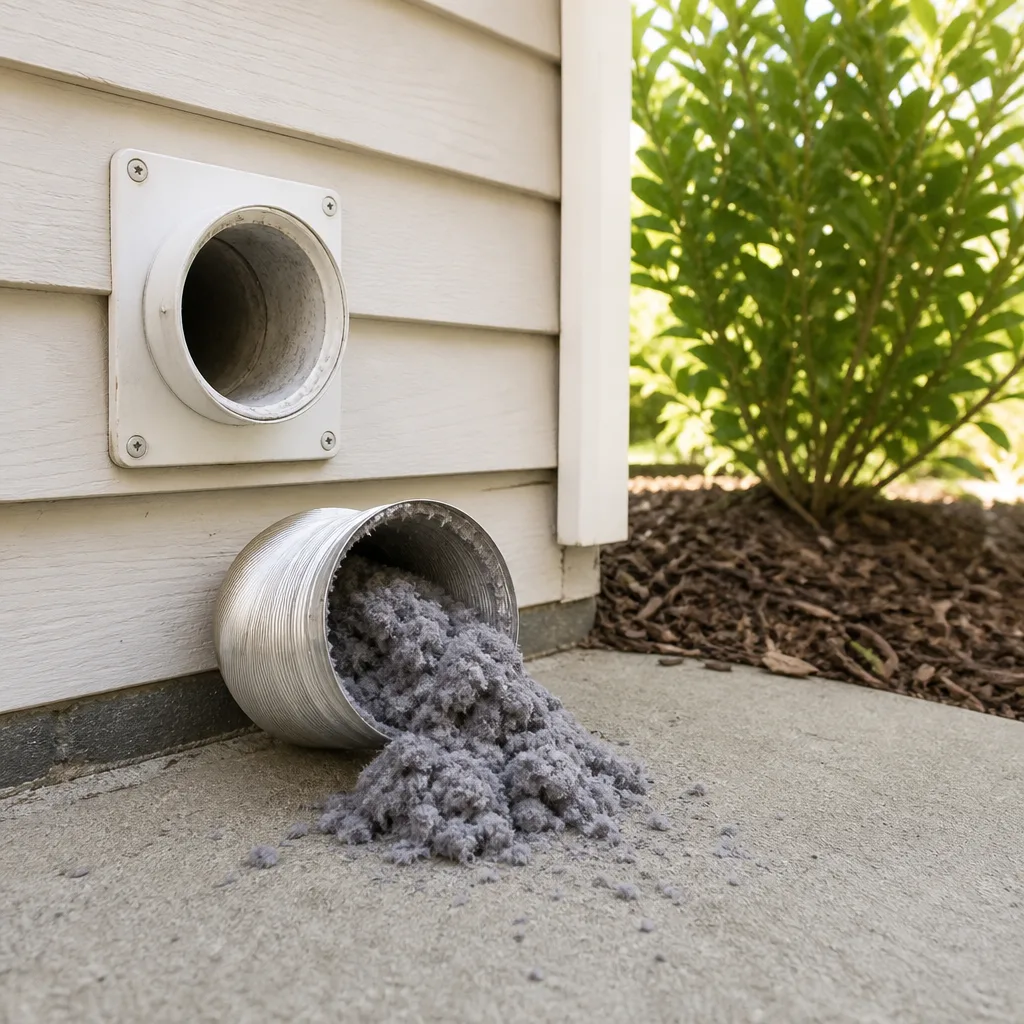
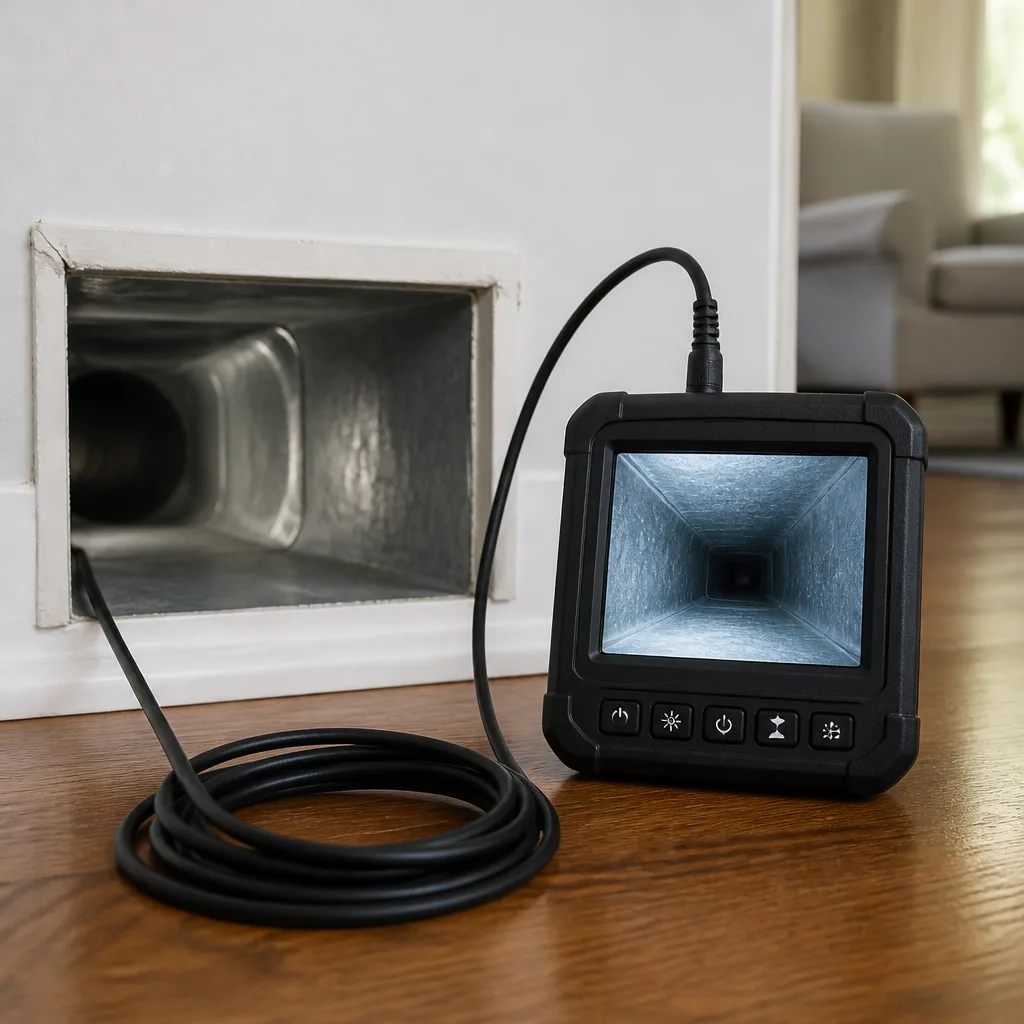
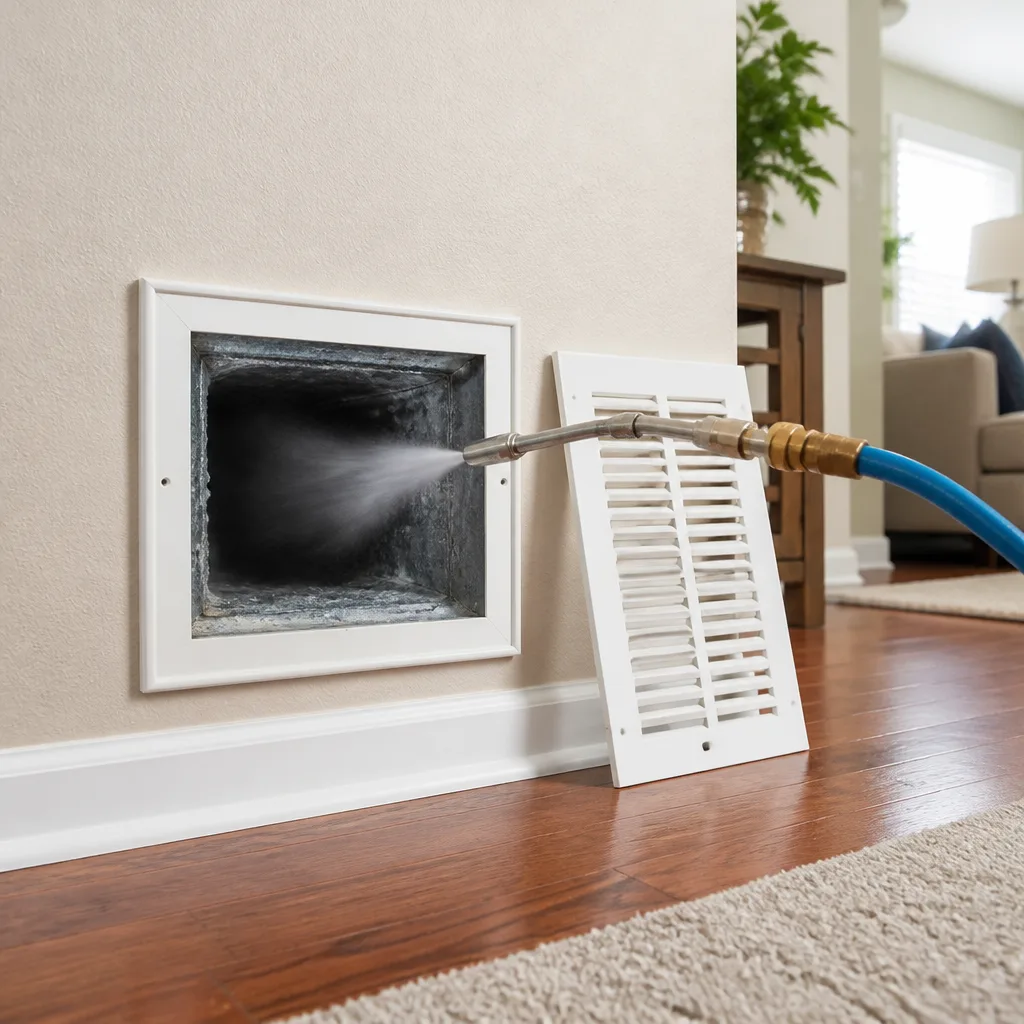
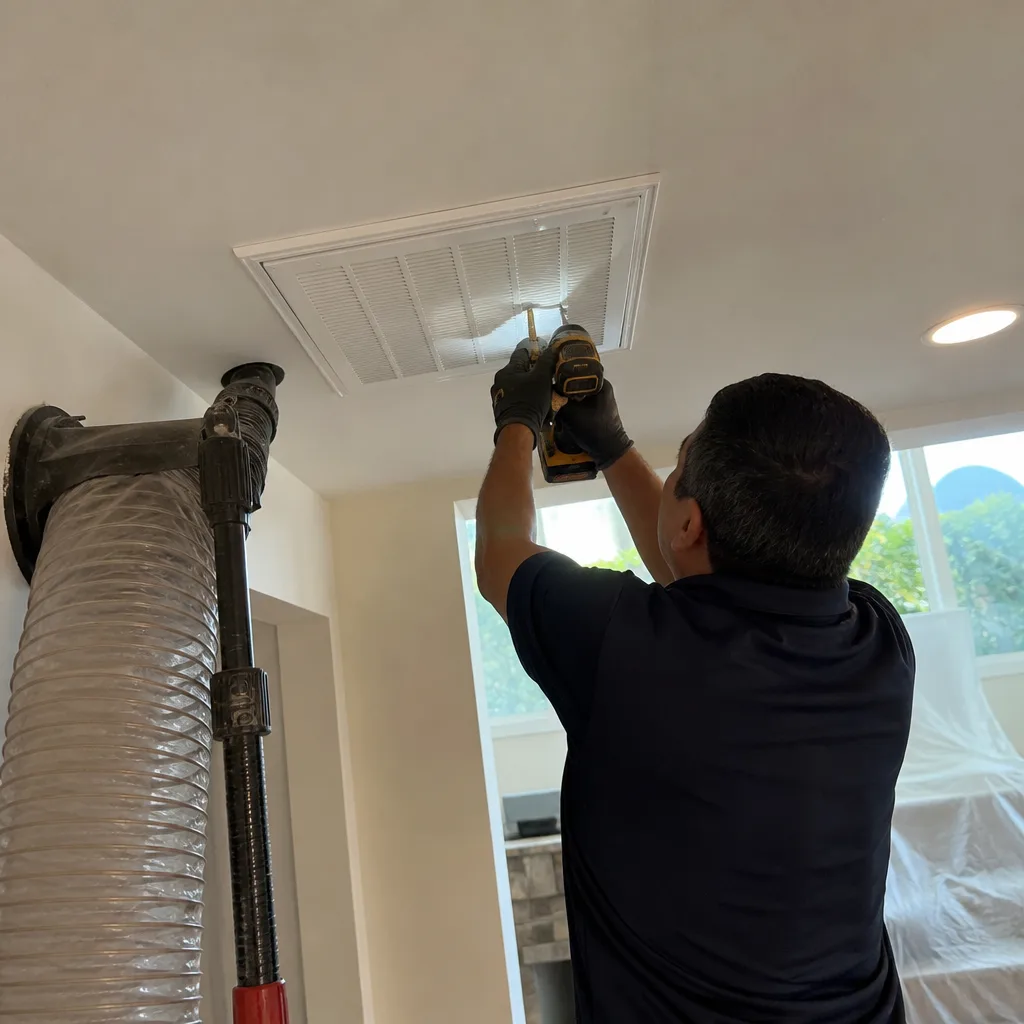
Whole-system duct and dryer vent check with before-and-after photos - you see exactly what came out of your vents
That "$99 whole-house special" is a bait ad - the real number appears once they are in your hallway, or the "clean" is a shop-vac at the register. We photograph the inside of your ducts before and after instead.
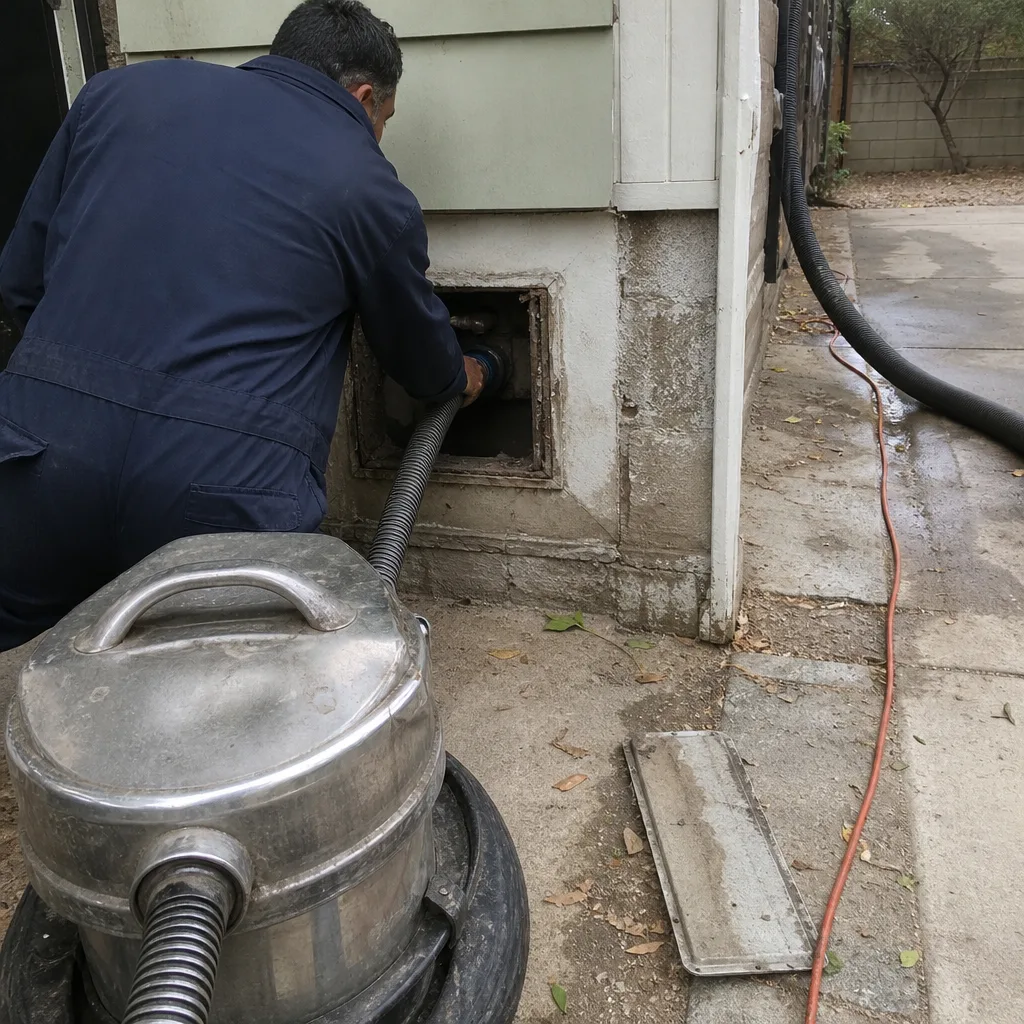 Before
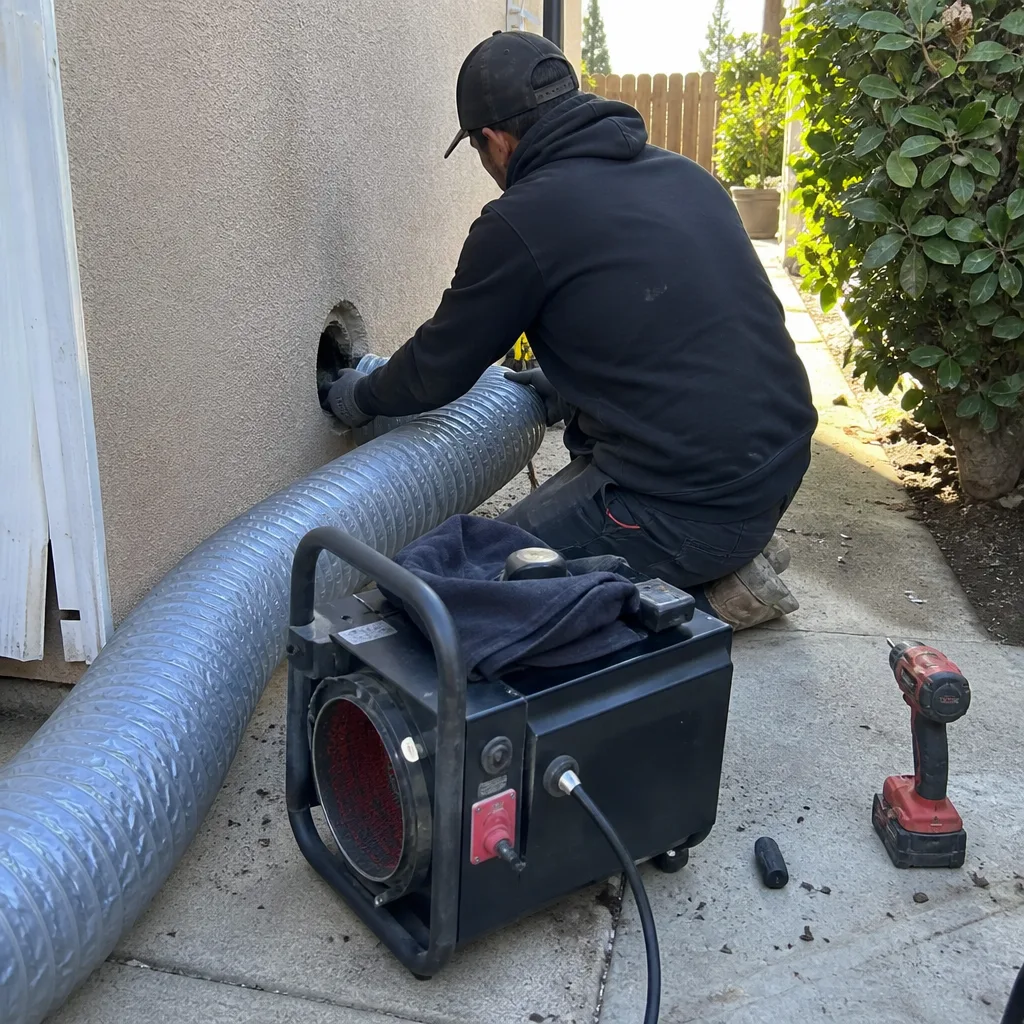 After
After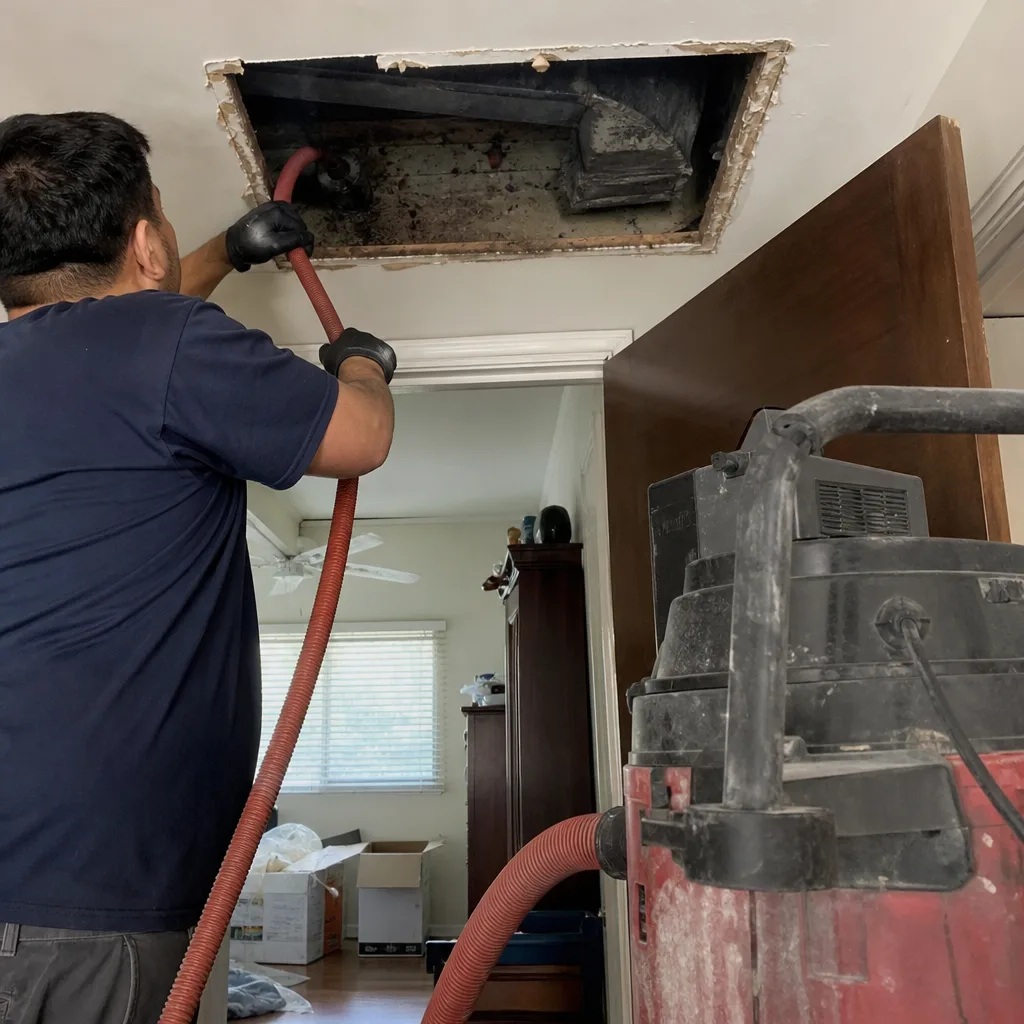 Before
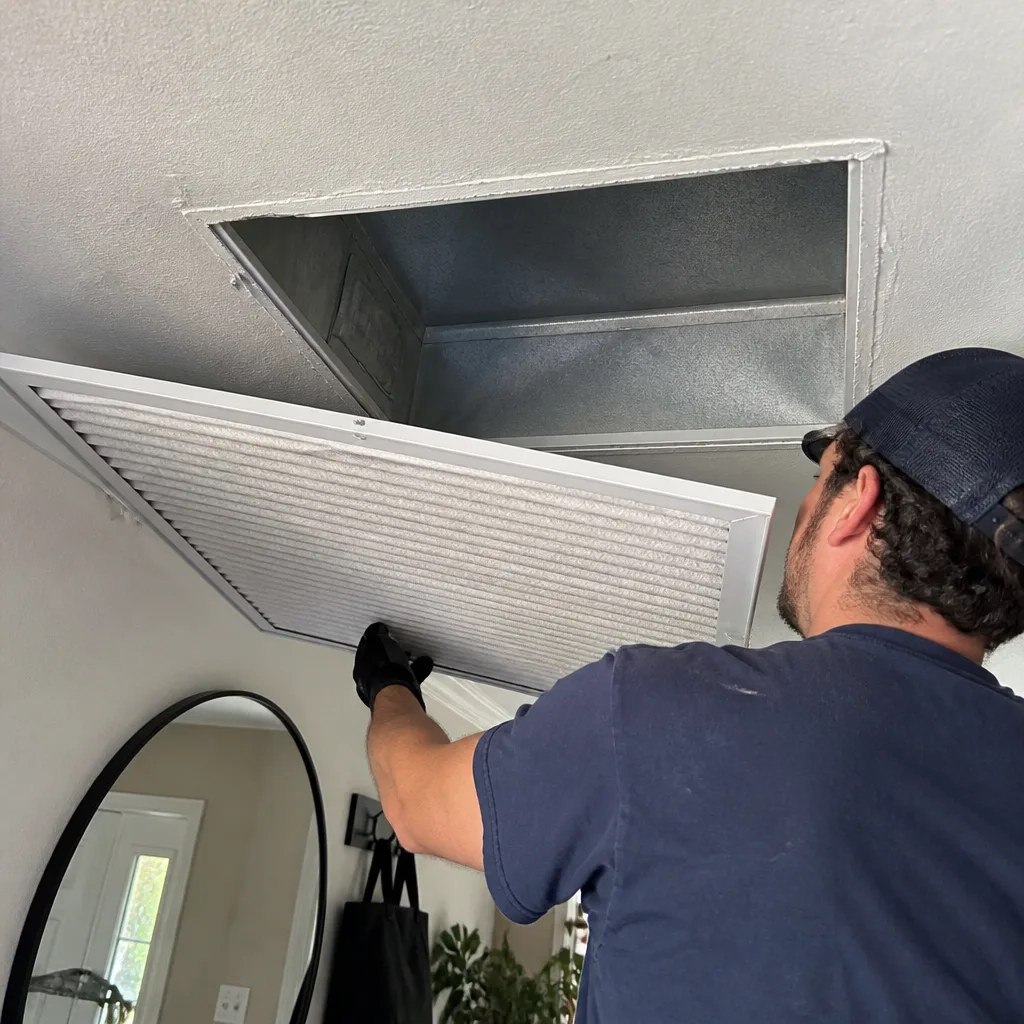 After
After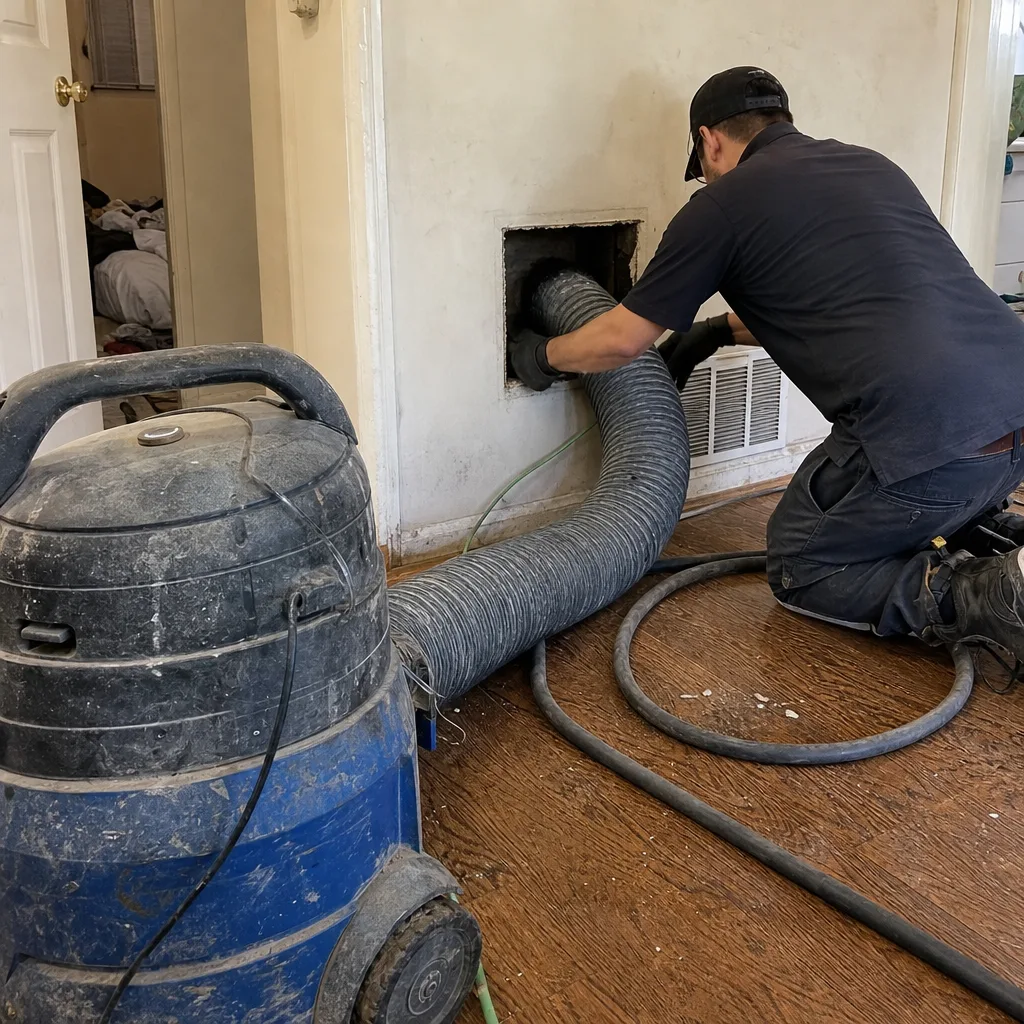 Before
 After
AfterAir Duct Cleaning Warning Signs: A Los Angeles Homeowner’s Reference Guide
Most Los Angeles homeowners call for duct cleaning for one reason: they see dust settling on furniture soon after the HVAC runs. It feels like common sense. Dust in the air, dust in the ducts, so clean the ducts and the dust goes away. But here’s what most guides won’t tell you: visible dust after HVAC use is rarely a dirty-duct problem. It’s usually a filtration failure or a duct leak. That means thousands of LA homeowners spend money each year on duct cleaning that doesn’t fix what they actually came to us about. This guide separates what needs our Air Duct Cleaning services from what needs something else entirely, so you spend once and fix it right.
Quick Answer
The warning signs that genuinely point to dirty air ducts in Los Angeles are: visible dust or debris actively blowing from supply registers, musty or acrid odor that gets stronger when the system runs, mold visible on or inside ductwork or registers, unexplained worsening of allergies or asthma that improves when you leave the house, and evidence of rodent or insect activity in the ducts. Signs like dust on furniture, one room that won’t hold temperature, or a higher-than-expected energy bill usually point to filter, leakage, or equipment problems instead, and cleaning alone won’t solve them.
Table of Contents
- The Core Distinction: Dirty Ducts vs. Broken System
- The 5 Signs That Actually Mean Your Ducts Need Cleaning
- Signs That Point to Filter Failure (Not Dirty Ducts)
- Signs That Point to Duct Leakage (Not Dirty Ducts)
- Los Angeles-Specific Warning Signs
- Warning Signs of an Improper Previous Cleaning
- Normal Duct Aging vs. A Real Air Quality Problem
- When a Professional Inspection Comes Before Cleaning
- Common Mistakes to Avoid
- When to Call a Professional
- Frequently Asked Questions
- The Bottom Line
The Core Distinction: Dirty Ducts vs. Broken System
Most of the confusion homeowners face comes from treating every airflow complaint as a duct hygiene issue. It’s not. A residential HVAC system is a chain: filter, blower, plenum, supply ducts, registers, return ducts, and back again. A problem at any link in that chain can show up as dust, odor, or poor airflow. If you misdiagnose the link, you pay for the wrong repair and the symptom returns in a few weeks.
We’ve cleaned ducts in Los Angeles homes where the actual culprit was a dislodged filter frame letting unfiltered attic air bypass the system entirely. We’ve also cleaned ducts where the problem genuinely was a decade of accumulated debris. The distinction matters because the fix is completely different. Here’s the framework we use when a homeowner calls us with a symptom:
- Symptoms that point to dirty ducts: visible debris blowing from registers, odor that is strongest when the blower runs, visible mold on register faces or inside accessible duct sections, rodent droppings or nesting material at registers, symptoms that spike only when HVAC runs.
- Symptoms that point to filter failure: dust settling evenly throughout the house shortly after HVAC runs, dust accumulating on return grille faces, a filter that looks clean after months or one that loads up within days, fine gray dust on horizontal surfaces.
- Symptoms that point to duct leakage: one room consistently warmer or colder than the rest, higher energy use with no change in settings, dust specifically in the rooms farthest from the air handler, whistling or rushing air sounds in walls or ceilings.
- Symptoms that point to equipment problems: musty smell that comes and goes independent of system use, condensate pan overflow, visible water stains around the air handler, short cycling, unusual mechanical noise.
This framework is the backbone of this guide. Every section below refers back to it, so by the time you finish reading, you’ll be able to triage your own symptom before anyone shows up at your door.
The 5 Signs That Actually Mean Your Ducts Need Cleaning
These are the symptoms we treat as legitimate duct-cleaning triggers. They’re specific, observable, and tied directly to the ductwork itself. If you see these, professional air duct cleaning in Los Angeles is probably the right call.
- Visible debris actively blowing from supply registers. Turn the system on and hold a white tissue near a supply vent. If you see particles moving through the air stream, that’s material inside the ducts being pushed into your living space. Dust that has already settled isn’t the same thing. Active ejection from registers is the single strongest visual proof of duct contamination.
- Musty or acrid odor that intensifies when the blower runs. A smell that you notice mostly when the system cycles is coming from inside the system. If the odor were in the room, it would be constant. When it correlates with blower operation, the source is upstream of the registers. In our experience in Los Angeles homes, this is frequently microbial growth in the supply plenum or return drop where condensation has accumulated over years.
- Visible mold on register faces or inside accessible duct interiors. Not all dark dust is mold. But fuzzy growth, staining with a greenish or blackish bloom, or growth that reappears after wiping within weeks is likely fungal. Don’t disturb it by cleaning it yourself. Schedule an inspection. Mold in ducts is a remediation issue that may involve cleaning, but it must be properly assessed first.
- Evidence of rodents or insects in the ductwork. Droppings at registers, nesting material visible inside the duct boot, dead insects accumulating in the register vanes, or scratching sounds in the ceiling when the system is off all point to pest activity. Rodent waste in air ducts is a health problem, not just a hygiene issue. The ducts need cleaning, and the entry point needs to be found and sealed.
- Allergy or asthma symptoms that improve when you’re away from home. This is a pattern, not a single observation. Track it for two weeks. If you consistently feel better at work or on trips and worse within hours of returning home, and you’ve already ruled out sources like pets, bedding, or houseplants, the HVAC system becomes a prime suspect. This is especially true in Los Angeles where windows stay open much of the year and the system isn’t the only variable. Isolate the HVAC variable by closing up for a week and running the system normally. If symptoms spike, investigate the ducts.
One more note on what is not a cleaning sign: dust inside the return duct visible when you remove the grill. Every duct system accumulates a thin film of dust on interior surfaces over years. A light coating that doesn’t move and doesn’t smell is normal. Thick accumulation, matting, or visible debris piles are not.
Signs That Point to Filter Failure (Not Dirty Ducts)
The most common symptom we hear from Los Angeles homeowners is dust settling on furniture within days of cleaning the house. They call us thinking their ducts are packed with dust and it’s all blowing into the living room. In the majority of these cases, the ducts are not the problem. The filter is, or the filter installation is.
A properly installed, correctly rated filter captures the bulk of airborne particulate before it enters the blower and supply ducts. When dust is landing on your furniture shortly after the HVAC runs, ask these questions in order:
- Is the filter seated correctly? A filter that’s slightly too small for its slot, installed backward, or sitting cocked in the frame lets unfiltered air around the edges. That air carries attic dust directly into the supply side. Close the filter access door and check for gaps. If you can feel air being drawn through a gap around the filter, that’s your dust source.
- When was the filter last changed? In Los Angeles, most homes should change a standard 1-inch filter every 30 to 60 days during peak cooling season. If you can’t remember the last change, it’s overdue. A loaded filter also forces the blower to work harder and can pull air through any available gap.
- What MERV rating are you running? Below MERV 8, meaningful fine-particle capture drops off sharply. Above MERV 13 without a system designed for it, airflow restriction becomes a real problem. Most standard residential systems in LA operate well with MERV 8 to MERV 11. The highest rating is not always the right answer.
- Is the filter frame itself intact? Filter slots on older systems warp, crack, or lose their gaskets. We’ve seen filter frames in Los Angeles attics rusted through, with daylight visible around the filter. No filter works if the frame around it leaks.
If you address all four of these and the dust persists, then and only then does the duct system become the next suspect. At that point, the problem is more likely a return-side leak pulling attic air into the system than dirty supply ducts. Which brings us to the next section.
Signs That Point to Duct Leakage (Not Dirty Ducts)
Duct leakage is the most underdiagnosed HVAC problem in Los Angeles. Most homes here have duct runs through attics that hit 130 degrees in the summer. Attics are dusty, dirty places. If a duct connection has separated, or a run was never sealed properly, the system pulls attic air into the return side and pushes conditioned air into the attic on the supply side. The symptoms show up inside the house.
Here’s how to recognize a leak problem:
- One or two rooms never reach the thermostat setting. If the rest of the house cools fine but the back bedroom is always five degrees off, you have an airflow delivery problem. That’s a leak or a disconnected run, not dirty ducts. Cleaning won’t change the temperature.
- Dust concentrated in rooms farthest from the air handler. A return-side leak pulls attic dust into the system. That dust is distributed to every room the system serves, but it’s most noticeable in rooms with the longest duct runs where velocity drops and particles settle. If your dust problem is worst in the back bedroom, look for a leak.
- Energy bills climbing with no change in usage habits. A supply-side leak means you’re paying to cool your attic. The system runs longer to satisfy the thermostat. The air handler works harder. Your bill goes up and you get nothing for it. Cleaning ducts does not recover lost energy from leaks.
- Rushing or whistling air sounds in walls, ceilings, or the attic. Moving air makes noise. When it’s quiet in the house and the system kicks on, walk the rooms and listen. If you hear a faint rush where no register exists, that’s likely air escaping a failed connection.
Duct leaks are a repair issue. They require someone to enter the attic, inspect the runs, and reseal or replace failed connections and segments. If you’d like to understand what’s involved, our air duct repair in Los Angeles page goes into detail. The key point here: if your primary symptom is a temperature imbalance or high energy use, a cleaning is the wrong first move.
Los Angeles-Specific Warning Signs
Los Angeles has a climate and air-quality profile that produces duct problems other markets simply don’t experience. These are the warning signs we see regularly in homes across the basin, from the Westside to the Valley:
- Particulate odor or dust surge after Santa Ana wind events. Santa Ana winds carry fine desert particulate across the LA basin. Homes with leaky ductwork or poor filtration see a sharp uptick in indoor dust after Santa Ana episodes. If your registers show fresh dust accumulation within 48 hours of a wind event, your system is pulling outdoor particulate in. That’s either a return-side leak or an undersized filter. Clean ducts will not prevent the next Santa Ana surge.
- Musty smell from attic return ducts after rain. Los Angeles rain is infrequent but sometimes heavy. Many attics here have inadequate ventilation, and after a sustained rain, humidity in the attic climbs. If return ducts have loose connections or poor insulation, condensation can form inside them. That moisture feeds microbial growth. If you notice a musty odor from the system in the days after rain, particularly in homes near the coast where marine layer moisture is constant, have the return side inspected.
- Unusual allergy spikes during wildfire season. Los Angeles wildfire smoke carries fine particulate, VOCs, and combustion byproducts that standard filters struggle with. If your symptoms worsen significantly during wildfire season while you’re indoors with the system running, your filtration is inadequate for LA’s wildfire reality. We often recommend upgrading to a media filter cabinet or adding an in-duct air purifier from brands like Aprilaire or Honeywell for homes where this is a recurring problem.
- Construction dust migration after renovation or neighbor construction. Los Angeles is a city of constant remodel. If you or a neighbor completed a construction project and dust appeared in your system afterward, that dust is now inside your ducts. Construction dust contains drywall, sanding, and concrete particles that are abrasive and fine. A duct cleaning after renovation is genuinely warranted, not optional.
These LA-specific patterns are rarely covered in generic duct-cleaning articles. They matter because they change the recommended fix. A Santa Ana dust surge calls for leak sealing. A post-rain musty smell calls for return-side inspection. A wildfire allergy spike calls for better filtration. Construction dust calls for cleaning. Knowing which is which saves you from paying for the wrong service.
Warning Signs of an Improper Previous Cleaning
One of the more frustrating calls we take in Los Angeles goes like this: a homeowner had their ducts cleaned six months ago, and now they’re seeing more debris at the registers than before. Or they’re noticing insulation fragments on furniture. Or their allergy symptoms got worse after the cleaning, not better. These are signs the previous cleaning was done improperly, and they are more common than most people realize.
Here’s how to tell if your last duct cleaning did more harm than good:
- New debris appearing at registers within weeks. A proper cleaning uses negative-pressure extraction that removes debris from the system. If debris is appearing at registers after a cleaning, it usually means the contractor was using what we refer to as a “brush and run” method: agitating debris but not extracting it fully, so the loosened material is now moving through your ducts and landing at the registers. High-quality extraction equipment, the kind we use from trade-trusted brands like Rotobrush and Nikro, pulls the loosened debris out rather than pushing it downstream. If a previous contractor used a shop-vac-style approach, the “cleaning” likely made things worse.
- Insulation fragments appearing at supply registers. This is a red flag. Duct cleaning should not disturb insulation. If you’re seeing pink, yellow, or white fibrous material at your registers after a cleaning, the previous contractor likely poked a hole in a duct run or knocked a connection loose, and attic insulation is now entering the air stream. This is not cosmetic. Fiberglass insulation particles in your living space are an irritant. This requires a repair inspection, not another cleaning.
- Symptom load increases after the service. If you or a family member experienced more sneezing, coughing, or respiratory irritation after the cleaning and it persisted for weeks, something was done wrong. A proper cleaning should reduce particulate load. An increase means contamination was introduced or stirred up without being removed.
- Access holes left unsealed or poorly patched. Duct cleaning often requires cutting access points into the ductwork. A proper job re-seals those openings with sheet metal patches and mastic or foil tape rated for duct use. If you can see open holes, loose tape, or gaps where the contractor worked, that’s a leak now. It will pull attic air into your system continuously.
- No before-and-after verification provided. Any legitimate duct cleaning in Los Angeles should be able to provide photographic evidence of the work. We take before-and-after photos on every job we perform, and we believe every reputable contractor should. If your previous cleaner refused or couldn’t provide evidence, there’s no way to know what was actually done inside your ducts. That’s a trust failure, and in an industry where the van is already gone before you see the inside of your ducts, written or photographic proof is what separates a real job from a questionable one.
If you’re seeing any of these signs after a previous cleaning, the prior work needs to be evaluated. It may need to be redone properly, and there may be damage that needs air duct repair. Either way, schedule an inspection before scheduling another cleaning.
Normal Duct Aging vs. A Real Air Quality Problem
Ducts age. That’s normal. Metal ducts develop surface corrosion over decades. Flex duct loses its shape and sags. Duct tape, in the loose sense, dries out and fails. None of this automatically means your indoor air quality is compromised. Here’s how to tell the difference between an old system and a problem system, or see Air Duct Repair Troubleshooting: Common Problems and How to Fix Them.
Signs of normal aging you don’t need to panic about:
- A light, even film of dust on the interior of return ducts that doesn’t move when the system starts.
- Minor surface rust on metal duct exteriors in the attic, particularly near the coast where salt air accelerates oxidation.
- Flex duct that has sagged slightly between supports but isn’t kinked or disconnected.
- Registers that have yellowed or accumulated static-attracted dust on their faces over years.
Signs of aging that indicate a real problem:
- Thick dust accumulation that moves or billows when the system starts. This is active contamination.
- Flaking rust inside the duct interior, which can shed particles into the air stream.
- Duct sealant or tape that has failed and left visible gaps at connections. This is a leak, and it’s pulling unfiltered attic air.
- Flex duct that has collapsed, kinked, or pulled free of its connection. This is lost airflow and potential contamination entry.
- Condensation stains or water marks on duct exteriors, indicating a moisture problem that can support mold growth.
If you’re inspecting your own attic ducts, here’s a simple visual test: shine a flashlight along the duct runs and look at the connections, not just the straight sections. Connection points are where aging ducts fail first. Then check the return plenum for gaps. If you see daylight anywhere around a connection, you have a leak. In our experience working in Los Angeles attics, the average 20-year-old system has at least one connection that has failed. Whether it matters depends on how much air is moving through the gap and what’s on the other side.
When a Professional Inspection Comes Before Cleaning
Some warning signs should trigger an inspection before anyone touches your ducts with cleaning equipment. Here are the situations where we tell Los Angeles homeowners to slow down and get eyes on the problem first:
Situations that require inspection before cleaning:
- Visible mold on registers or inside ducts. Mold is not a cleaning issue until it’s been assessed. If the growth is active and extensive, cleaning may spread spores. If the source of moisture isn’t identified, mold will regrow after cleaning. An inspection identifies the moisture source and the extent of growth so remediation can be planned properly.
- Rodent or pest activity. Cleaning ducts with rodent droppings present requires containment procedures to avoid aerosolizing waste particles. The entry point also needs to be found and sealed or the problem recurs. Inspection first, then containment, then cleaning.
- Post-construction contamination. If renovation dust entered your system while the HVAC was running during construction, the dust has coated the blower, the coil, and the ducts. A cleaning that skips the coil and blower leaves the majority of the contamination in place. Inspection determines what was exposed and what needs to be included in the scope.
- Visible insulation fragments at registers. This indicates duct damage, not just dirt. Cleaning a damaged duct system is wasted money until the damage is repaired, because the system will re-contaminate immediately from the breach.
- Symptoms that appeared or worsened after a previous cleaning. Something went wrong in the prior service. Inspection identifies what it was before a new cleaning makes changes.
What a proper inspection should include:
- Visual inspection of all accessible duct runs, connections, and plenums
- Filter and filter-frame inspection
- Blower and coil condition assessment
- Supply and return register survey
- Moisture assessment in the attic and around the air handler
- Leak identification at connection points
- Clear documentation of findings with photos
- An honest recommendation: clean, repair, upgrade filtration, or some combination
We’ve built our Los Angeles business on honest recommendations, sometimes telling homeowners the last thing they need is a cleaning. That’s not a good short-term sales strategy, but it’s the only long-term trust strategy that works in a market as skeptical as this one. When a homeowner calls us with a warning sign, our first job is accurate triage. The cleaning comes second.
Common Mistakes to Avoid
- Treating every HVAC symptom as a duct-cleaning issue. Dust on furniture, uneven temperatures, and high energy bills usually point to filtration, leak, or equipment problems. Cleaning the ducts without addressing the root cause means the symptom returns and the money is gone. Diagnose first.
- Ignoring visible mold because “it’s just a little.” Mold in ducts means moisture is present somewhere it shouldn’t be. That moisture will continue to support growth until it’s found and fixed. Small visible mold is an early warning that a bigger problem is developing inside the ducts where you can’t see.
- Waiting for a Santa Ana event to investigate indoor dust. If your home’s dust surges with wind events, the leak already exists. It will pull attic dust and outdoor particulate every day the system runs, not just during Santa Ana winds. The wind events just make it visible. Fix the leak now.
- Choosing a duct cleaner based on price alone. This industry has a reputation problem in Los Angeles for a reason. Low-cost operators often use extraction methods that leave debris in the system or, worse, damage it. The lowest quote frequently becomes the most expensive job when repair work follows. Ask for written pricing, verification practices, and before-and-after documentation before you commit.
- Skipping the filter and coil when cleaning ducts. If the ducts are dirty enough to clean, the coil and blower are dirty too. A cleaning that only addresses the ductwork leaves the system re-contaminating itself from the air handler. Make sure the scope covers the full air path.
- Assuming newer homes don’t need inspection. We’ve found significant construction debris in brand-new Los Angeles homes more times than we can count. Builders don’t always protect duct openings during construction, and drywall dust, sawdust, and debris end up in the system before the first occupant moves in. Newer doesn’t mean clean.
- Trusting the previous owner’s word on duct history. Los Angeles real estate transactions move fast, and duct condition rarely receives the attention it deserves in inspections. When you buy a home, you inherit whatever is inside the ducts. If you don’t know the history, assume the system needs at least an inspection.
When to Call a Professional
Call a professional when you see debris actively blowing from registers, smell a musty or acrid odor that corresponds with system cycles, find visible mold on or inside ductwork, discover evidence of pests in the system, or experience allergy symptoms that consistently worsen at home. Also call if you’ve had a previous cleaning and you’re seeing insulation fragments, new debris, or increased symptoms. These are not situations where another filter change or another few weeks of observation helps. They need eyes on the system.
Linden Air Duct Cleaning offers free estimates throughout Los Angeles. Our technicians follow the Threshold Standard: every tech is background-checked, identity-verified, photo-badged, and introduced to you by name and photo before the visit. We put the price in writing before any work begins, and every repair carries a written guarantee with a free second visit if it doesn’t hold. Call (980) 447-2498 to schedule an inspection or ask a question.
Frequently Asked Questions
You’ll see active evidence of contamination, not just dust in the house. That means debris visibly blowing from supply registers when the system runs, odor that gets stronger when the blower is on, visible mold on or near registers, pest evidence like droppings or nesting material in the ducts, or allergy symptoms that correlate directly with HVAC use. Dust settling on furniture after the system runs is not by itself a sufficient sign, because it usually indicates a filter or leak problem instead.
Air duct cleaning in Los Angeles typically ranges from $350 to $650 for an average single-system home, depending on the number of supply and return runs, accessibility, and the level of contamination. Larger homes, multi-system properties, or systems with heavy mold or pest contamination can run higher. Any quote you receive should be a flat price for the defined scope, given in writing before work begins. Be cautious of very low introductory prices, which often expand significantly once the technician arrives. Call (980) 447-2498 for an exact quote on your system, free.
The difference almost always comes down to method, equipment, and what’s included. Low-cost operators may use a negative-pressure machine that’s undersized for the task, skip the coil and blower, or opt for brush-only agitation without proper extraction. Some spend only 20 or 30 minutes in the home. A proper cleaning in Los Angeles, using professional equipment like Rotobrush or Nikro systems, typically takes two to four hours and includes supply ducts, return ducts, plenums, registers, blower, and coil access. The cheaper quote is often simply a smaller job, not a better deal.
It can, but it’s not the most likely cause. Dust landing on furniture shortly after the system runs more commonly points to a filter problem: a filter that’s the wrong size, seated incorrectly, or far past its change interval. A deeper problem is a return-side duct leak that pulls dirty attic or wall-cavity air into the system. If you’ve ruled out the filter and the dust persists, have the duct connections inspected before paying for a cleaning. Cleaning the ducts will not stop dust that’s entering the system from a leak after the filter.
The most reliable way is photographic evidence. A legitimate contractor in Los Angeles should provide before-and-after photos of the inside of your ducts, including the areas that were most contaminated. If they can’t or won’t, you have no way to verify the work. The second indicator is the written scope and price: a proper cleaning covers supply ducts, return ducts, registers, plenums, and ideally the blower and coil. If the service took 30 minutes and produced no documentation, the work was likely superficial. Our company provides photo evidence on every job so you can see what changed inside your system.
Wildfire smoke changes the calculation, but not usually toward more frequent cleaning. It points toward better filtration. Wildfire particulate is fine, airborne, and arrives continuously during smoke events. Cleaning your ducts won’t remove smoke particulate that’s entering in real time. What helps is a properly sealed duct system, a high-quality filter rated at least MERV 11, and in some LA homes, a dedicated in-duct air purifier from a brand like Honeywell or Aprilaire. Clean the ducts if they’re dirty, but address wildfire exposure with filtration and leak repair, not more cleaning cycles.
The Bottom Line
Air duct cleaning in Los Angeles is a valuable service when it addresses a real problem: debris blowing from registers, musty system odor, visible mold, pest contamination, or symptom patterns tied to HVAC use. It’s a wasted expense when it’s applied to symptoms caused by filter failure, duct leakage, or equipment problems. The difference is diagnosable. Work the framework: identify your symptom, rule out the filter, check for leaks, and only then schedule a cleaning. And when you do schedule, insist on written pricing, verification practices, and photo proof. Your ducts, your money, and your indoor air deserve that standard. If you’re ready for an honest assessment in Los Angeles, Linden Air Duct Cleaning offers free estimates. Call (980) 447-2498. Our dryer vent cleaning in Los Angeles service is also available if that’s the system you’re concerned about.
Written by Marcus Veale, Owner at Linden Air Duct Cleaning, serving Los Angeles since 2004. Explore more guides & resources.