
Last updated October 8, 2026
Whole-system duct and dryer vent check with before-and-after photos - you see exactly what came out of your vents
That "$99 whole-house special" is a bait ad - the real number appears once they are in your hallway, or the "clean" is a shop-vac at the register. We photograph the inside of your ducts before and after instead.
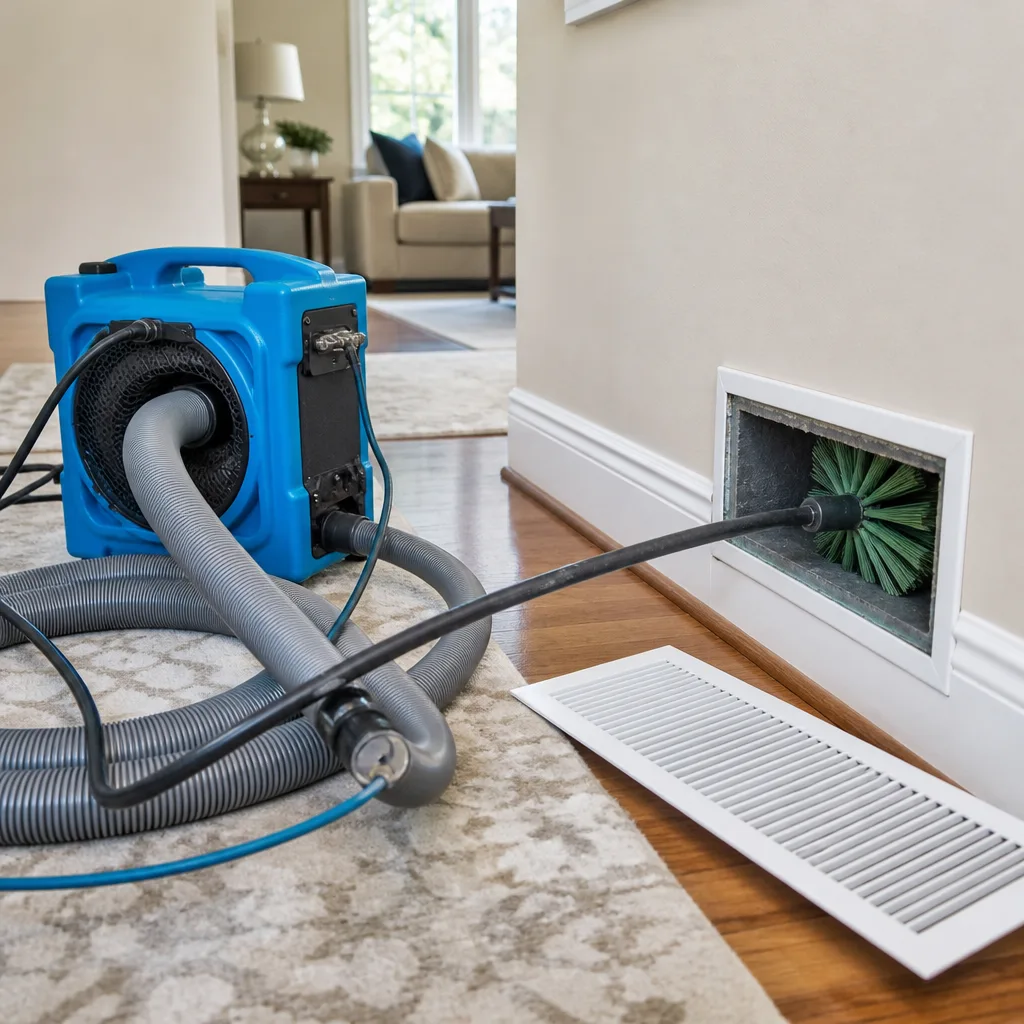
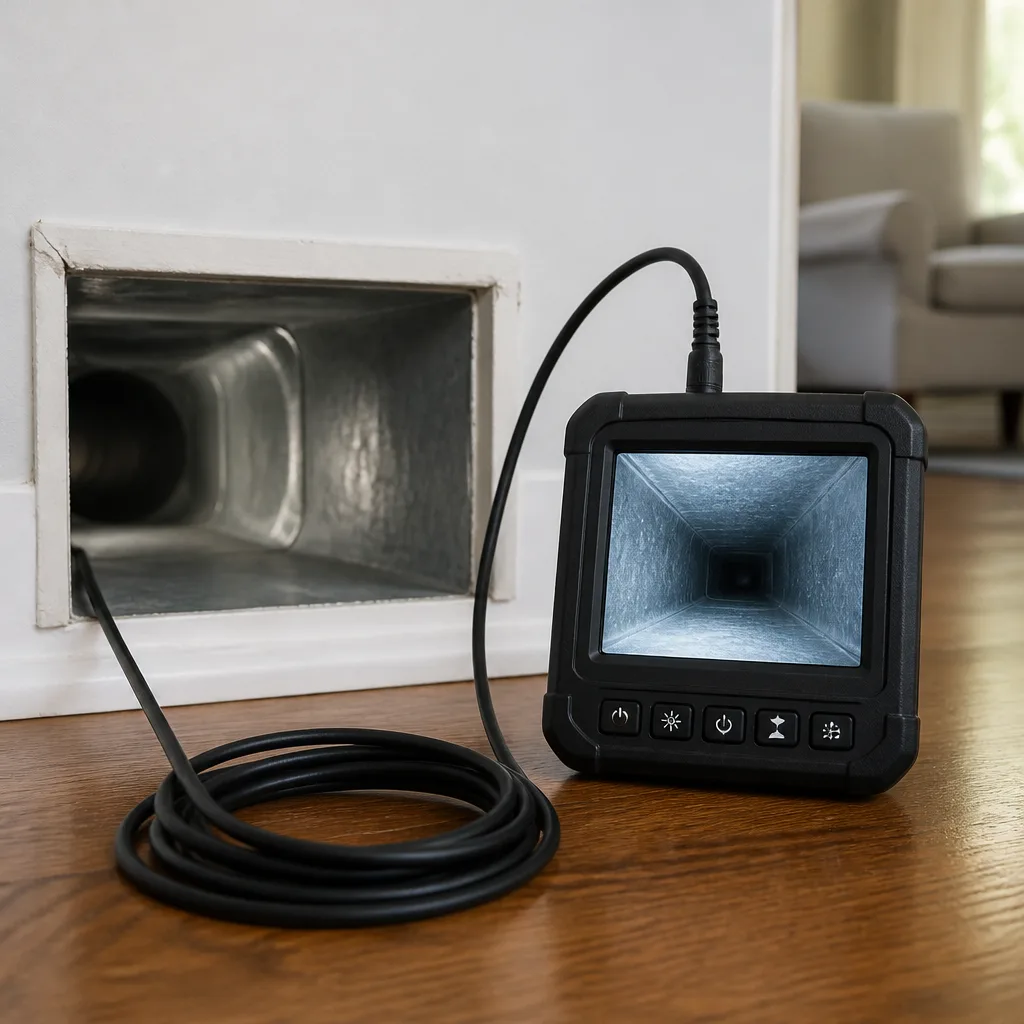
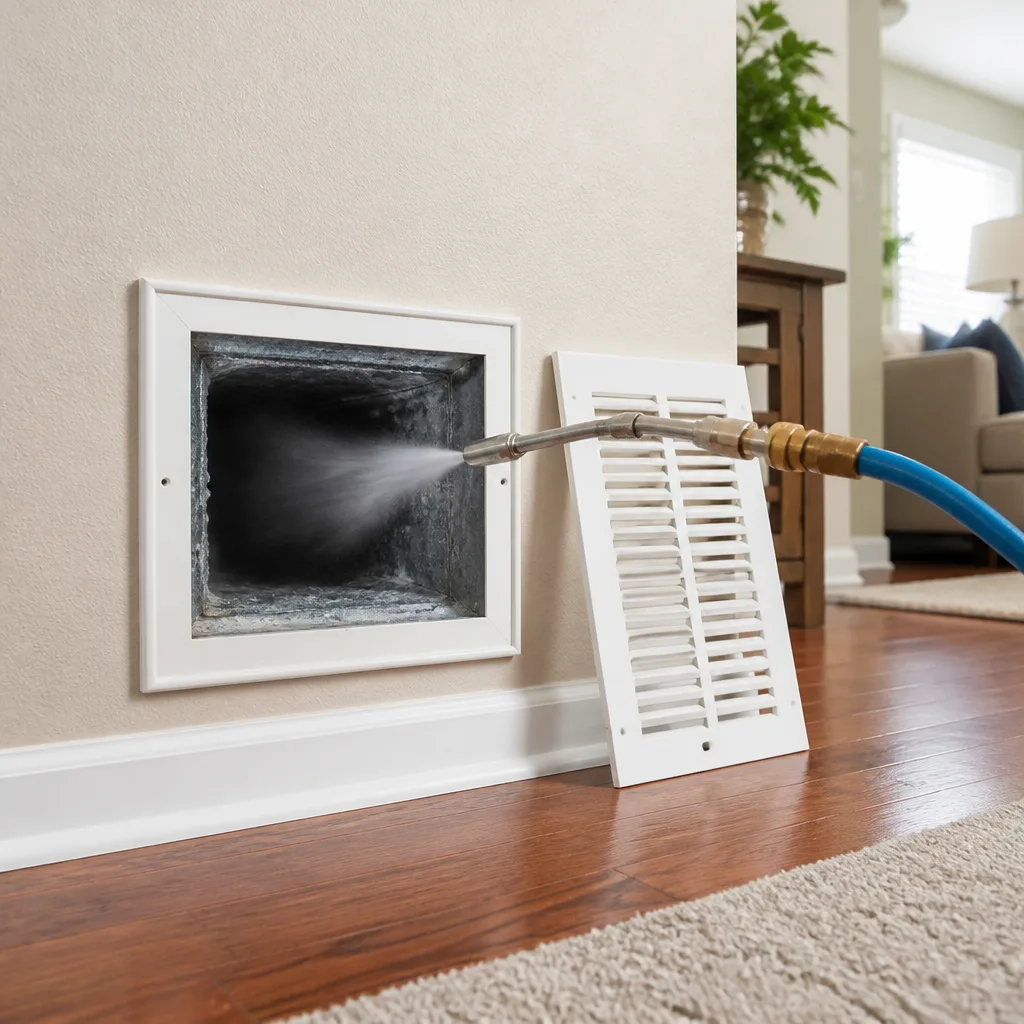
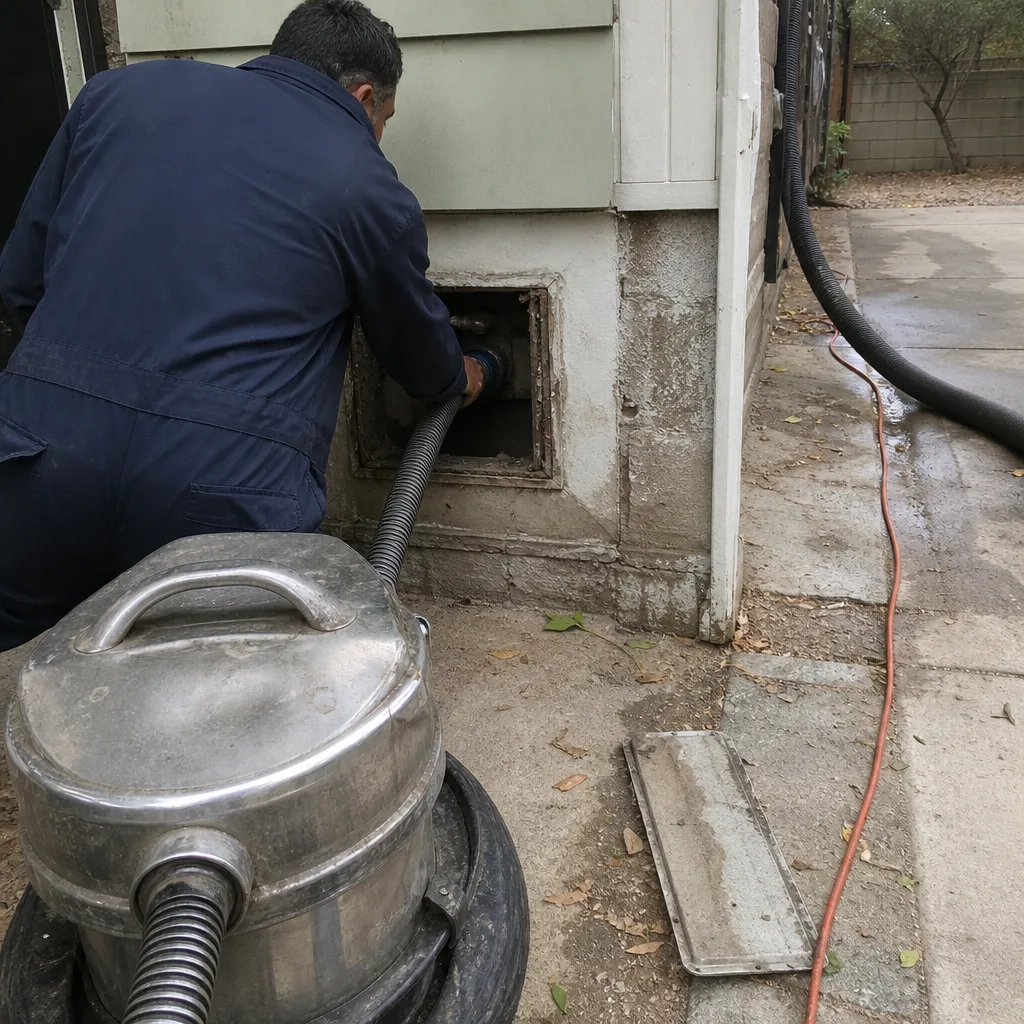 Before
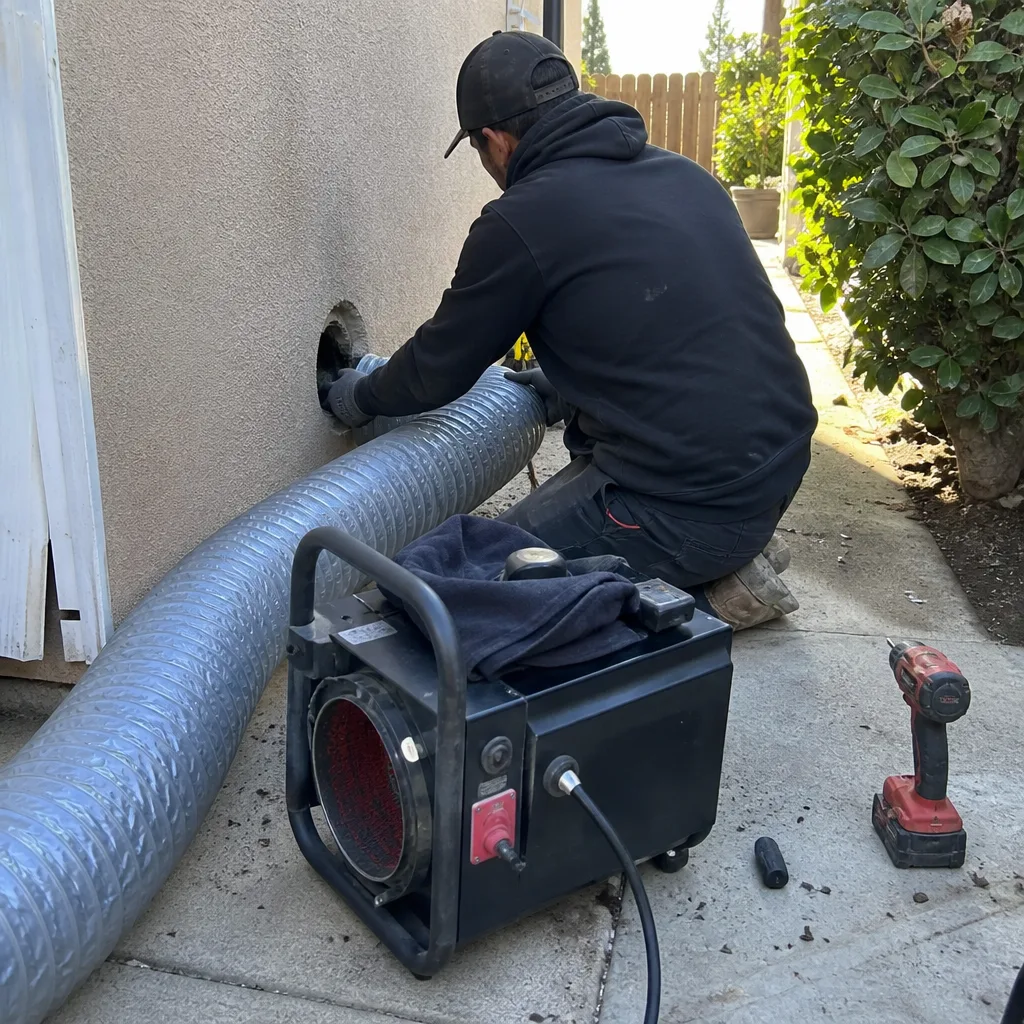 After
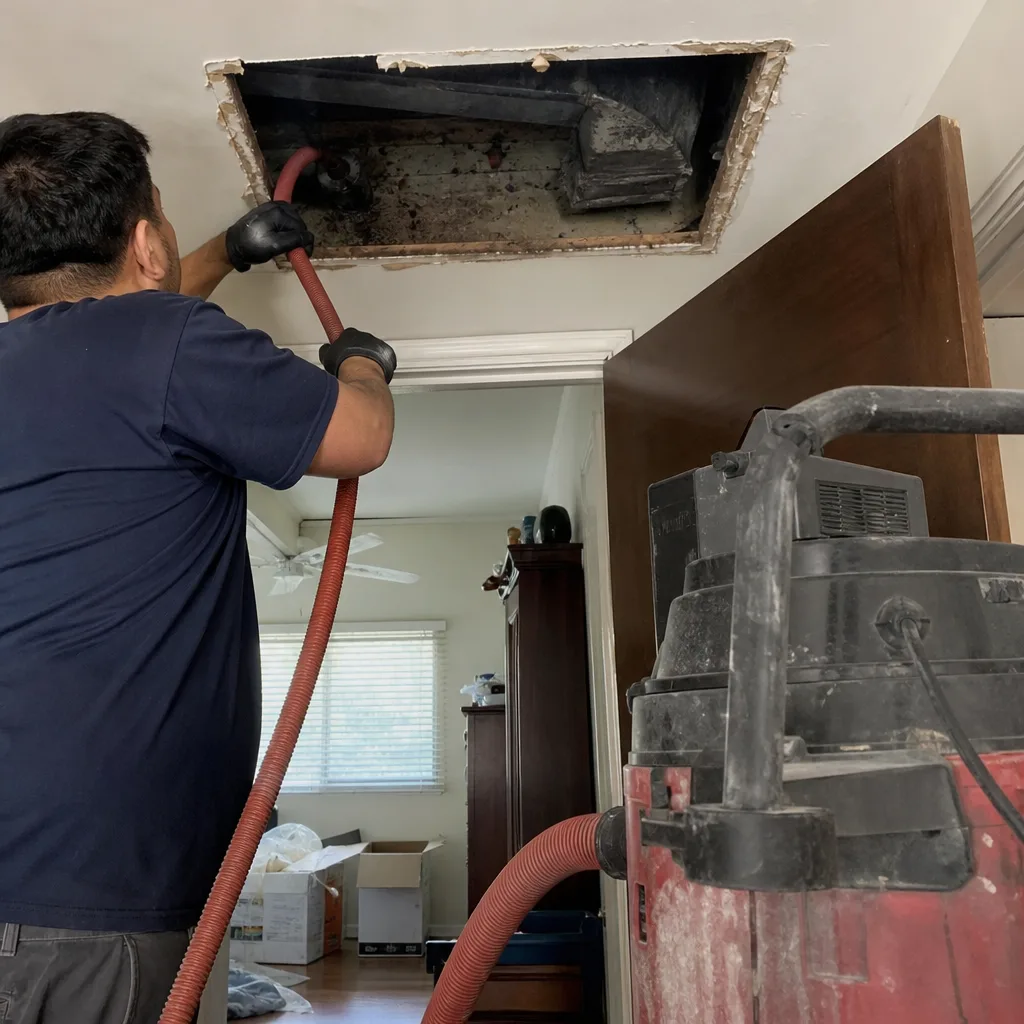 Before
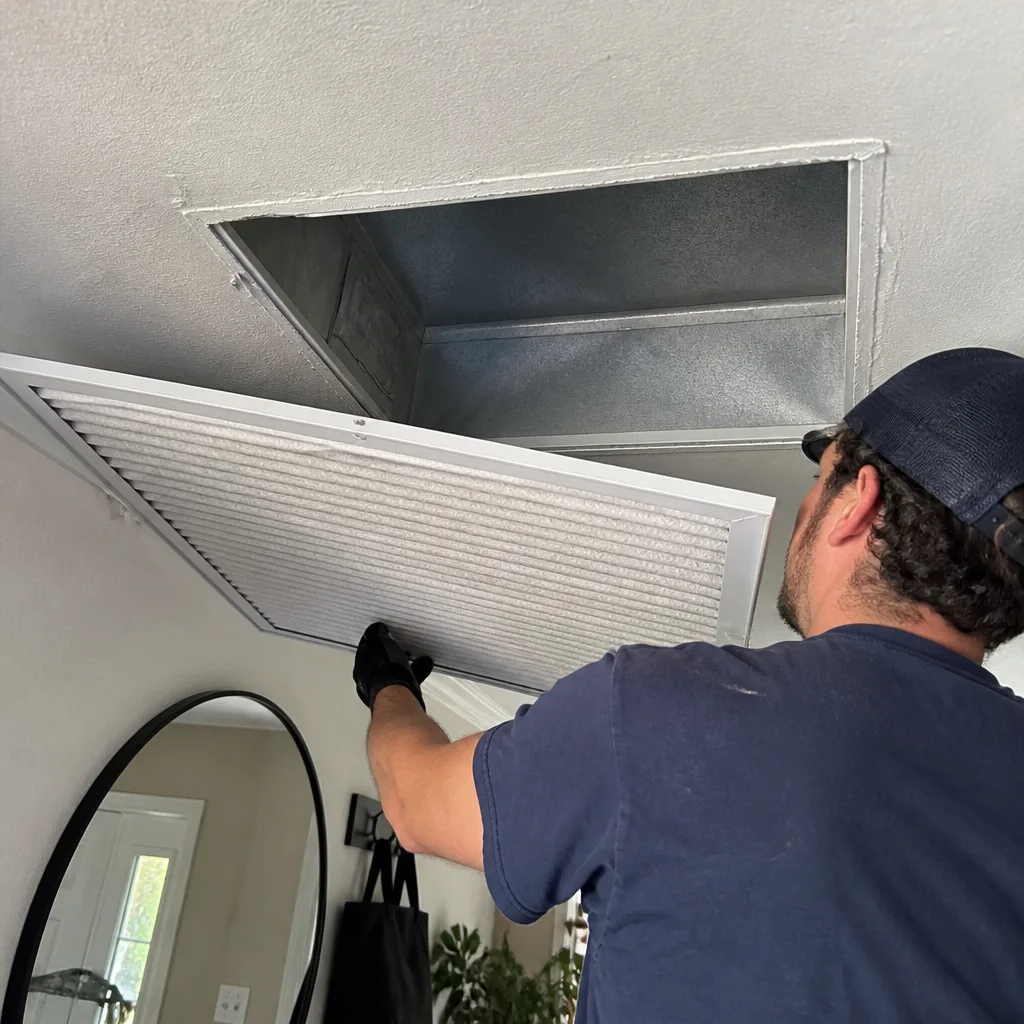 After
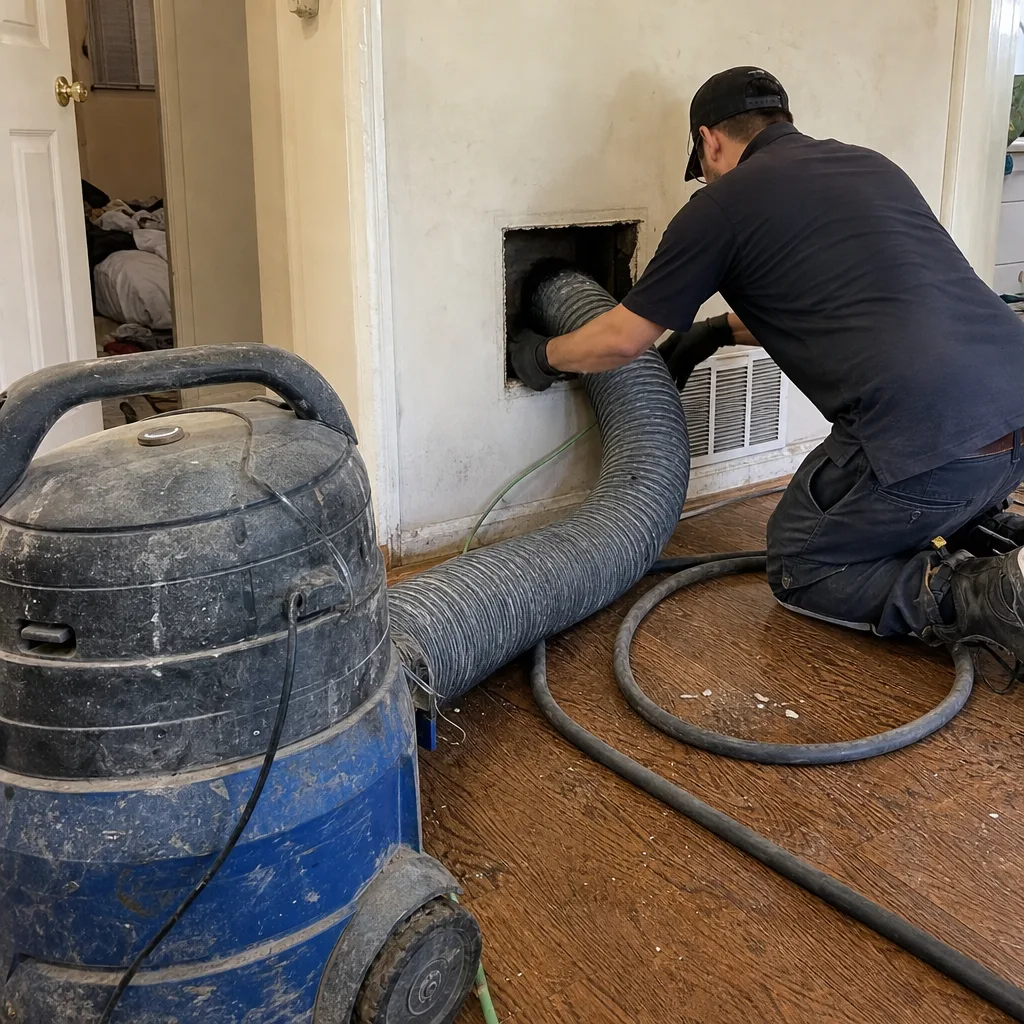 Before
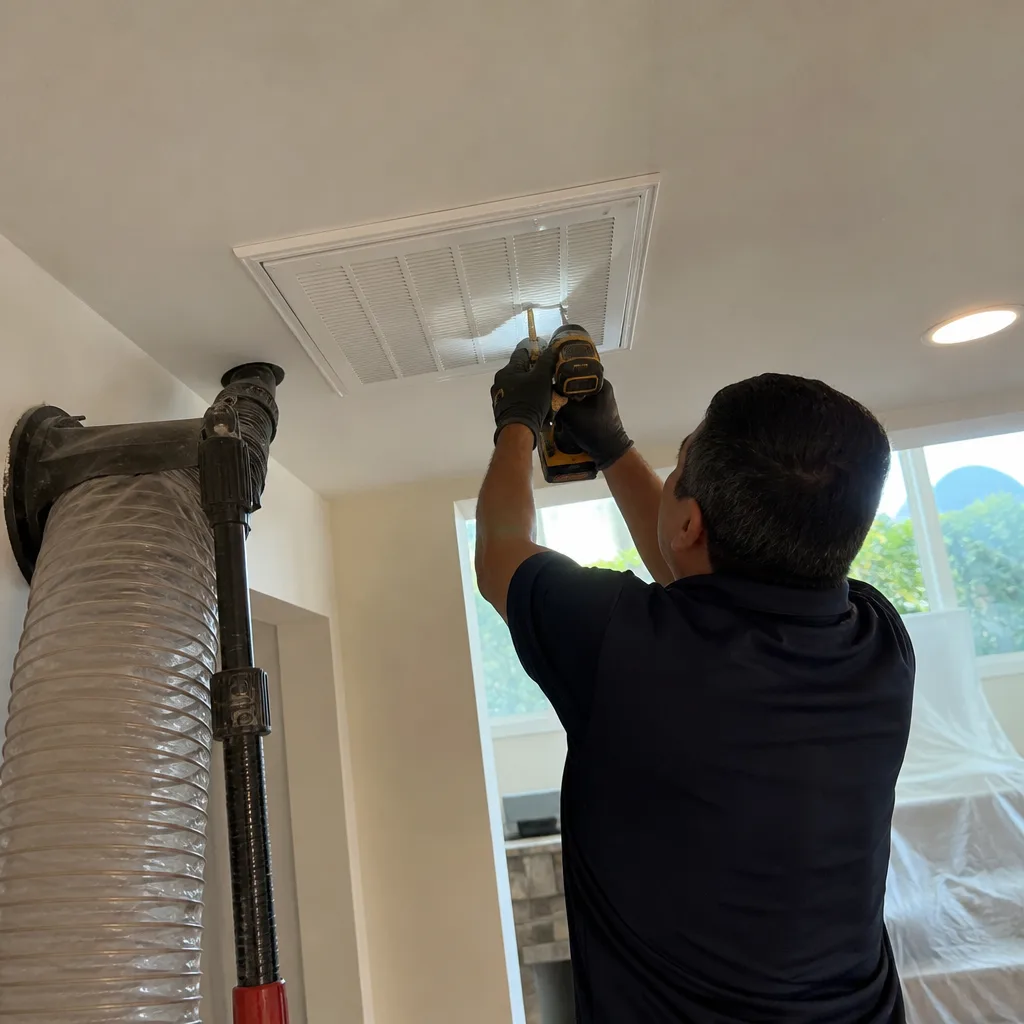 After
Dryer Vent Cleaning Troubleshooting: Common Problems and How to Fix Them
Here’s a counterintuitive fact most Los Angeles homeowners don’t know: a dryer that shuts off mid-cycle is usually working exactly as it was designed to. The thermal fuse inside your dryer isn’t a flaw, it’s a safety device that kills power when the appliance gets dangerously hot. The real question isn’t “what’s wrong with my dryer,” it’s “why is my dryer overheating,” and in our experience across Los Angeles, the answer is almost always the vent. This guide walks through the specific symptoms, what they mean, and what to do about each one, so you can fix the actual problem instead of paying for a service call on an appliance that was never broken. For related reading, see our guide on Dryer Vent Cleaning Warning Signs Every Homeowner Should Know.
Quick Answer
Most dryer vent “problems” are actually vent restrictions: lint clogs, crushed duct sections, pest nests, or disconnected joints that force the dryer to overheat and trigger its safety systems. Start with an airflow test at the exterior termination before calling anyone, because a restricted vent explains two-cycle drying, burning smells, and mid-cycle shutdowns far more often than an actual appliance failure does. If the airflow is strong and the problems persist, then you’re looking at a short list of real appliance issues, which we cover below.
Table of Contents
- Symptom-to-Cause Mapping: What Your Dryer Is Trying to Tell You
- How to Test Your Dryer Vent Airflow Before Calling Anyone
- Lint Clog, Crushed Duct, Pest Nest, or Disconnected Joint: Four Different Problems, Four Different Fixes
- The Thermal Fuse: Why Your Dryer Shuts Off Mid-Cycle and What That Actually Means
- Burning Smell During Drying: Tracking It to the Source
- Clothes Still Damp After One Cycle: The Most Common Vent Symptom in Los Angeles
- What a Legitimate Re-Cleaning Visit Should Include If Problems Persist
- The Vent Is Clean but Problems Continue: Appliance Issues That Mimic Vent Restriction
- Common Mistakes to Avoid
- When to Call a Professional
- Frequently Asked Questions
- The Bottom Line
Symptom-to-Cause Mapping: What Your Dryer Is Trying to Tell You
Dryers are designed to move hot, moist air from the drum to the outdoors. When the path is restricted, the dryer’s behavior changes in predictable ways. Each symptom points to a specific kind of restriction, and learning to read them saves you from chasing the wrong fix. Here’s what we see most often in Los Angeles, where dryers run year-round and vents in older homes in neighborhoods like Echo Park, Silver Lake, and the Valley often haven’t been cleaned in years.
Clothes take two full cycles to dry
This is the most common early warning of a partially restricted vent. Your dryer is producing heat, but the moist air can’t escape fast enough, so the drum stays humid and clothes stay damp. In our experience, this usually means the vent is 50% to 70% blocked. The clog could be anywhere along the run, but the most common locations in Los Angeles homes are at the dryer connection point and at the exterior termination cap where lint accumulates against the backdraft damper.
The exterior of the dryer is hot to the touch
Every dryer gets warm during operation, but if the top or sides feel genuinely hot, that heat is backing up into the appliance instead of moving through the vent. This is a serious restriction, often 70% or more blocked. The dryer is running hotter than it should, and the thermal fuse is working hard to keep you safe. Los Angeles garages and laundry closets are often already warm, which makes the backup heat harder to notice and more dangerous.
A burning smell during or after a cycle
Burning smells fall into two categories. The first is lint that has accumulated near the heating element or blower motor and is actually smoldering. The second is the smell of an overheating motor or belt. Both are urgent. Turn the dryer off and don’t run it again until the vent has been checked. A burning smell is never normal, and it’s not something to wait on.
The dryer shuts off mid-cycle and won’t restart for a while
This is the thermal fuse doing its job. When the dryer gets too hot, the fuse trips and cuts power to the heating element or the entire appliance. It usually resets once the dryer cools down, which is why the machine starts again after an hour or two. But here’s the important part: the fuse didn’t fail, it responded. The vent restriction is still there. Every time that fuse trips, it’s a sign that your dryer was approaching a dangerous temperature.
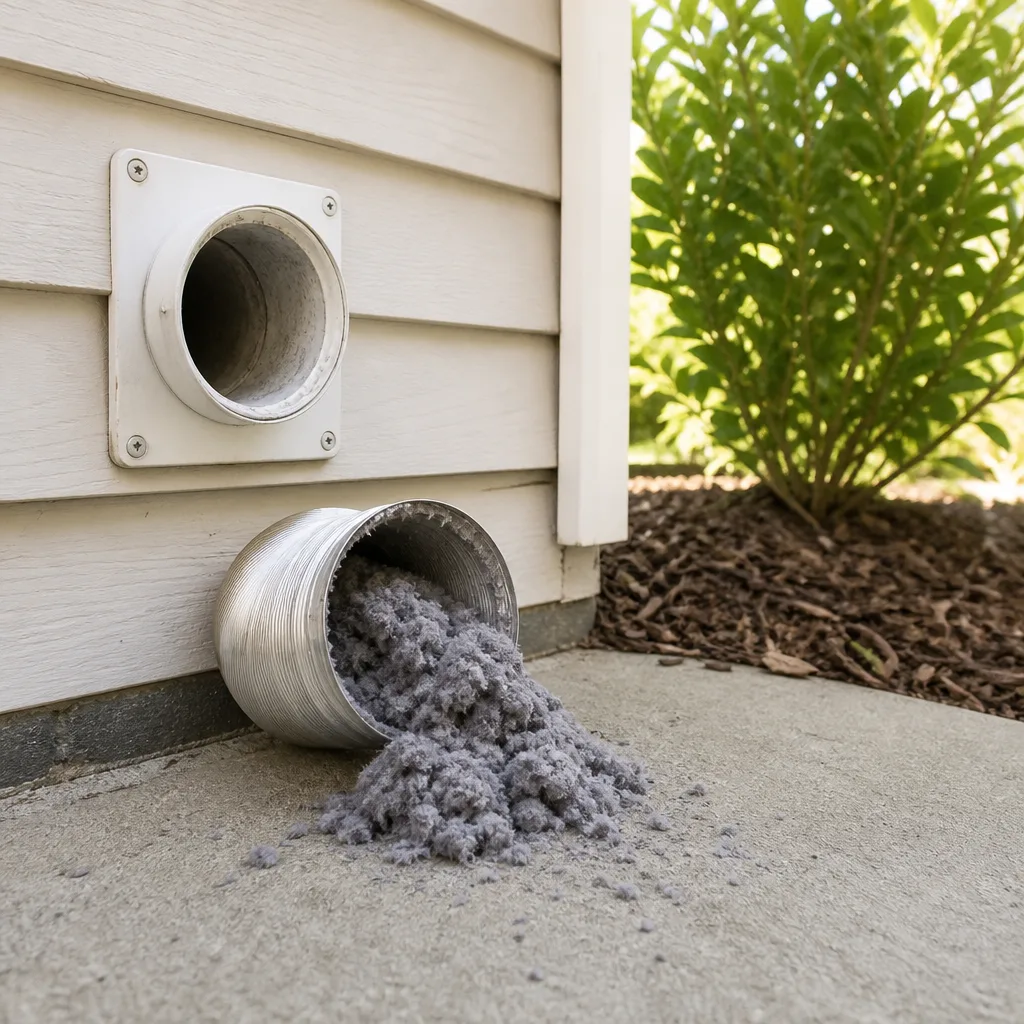
Lint is visible around the exterior vent or on the ground beneath it
If you see lint accumulating outside your termination cap in Los Angeles, the vent is either clogged at the exit point or the termination cap’s backdraft damper is jammed open by debris. Birds and rodents in Los Angeles neighborhoods are known to build nests inside warm, unused termination caps, and those nests trap lint in layers until the airflow is entirely blocked.
When you notice any of these symptoms, the smartest next move is a simple airflow test, which you can do yourself in five minutes before you call anyone.
How to Test Your Dryer Vent Airflow Before Calling Anyone
This test tells you more than most phone calls can. It’s simple, it’s free, and it gives you a baseline to share with whichever professional you talk to. Here’s how to do it:
- Locate the exterior termination point. Walk around the outside of your Los Angeles home and find where the dryer vent exits. It’s usually a round metal or plastic cap with a flap or slats, often on a side wall or roof eave. If your dryer is in a second-floor laundry room, the termination might be high on the wall or on the roof.
- Start the dryer on a normal cycle. Use high heat with no clothes inside, or leave a wet towel in the drum. The goal is to get the blower running at full speed.
- Walk back outside and hold your hand about six inches from the termination cap. You’re feeling for airflow, not heat. A healthy vent pushes a strong, steady stream of warm, slightly humid air that you can feel without touching the cap.
- Compare what you feel to this scale:
- Adequate flow: You feel a steady stream of air at six inches, like someone blowing gently but firmly against your palm. The flap or damper is open and moving.
- Weak flow: You can feel air only at two or three inches, or the airflow is intermittent. This suggests a partial restriction, often a lint buildup or a partially crushed duct section.
- No flow: You feel nothing while the dryer is clearly running. The vent is likely blocked completely, or the duct has become disconnected inside the wall or attic.
- Air is escaping somewhere else: If you hear a hissing sound in the wall, crawlspace, or attic while the dryer runs, the duct has likely separated at a joint.
Document what you find. Note the airflow strength at the cap, any visible lint or debris around the opening, and whether the flap is moving. If a technician comes to your Los Angeles home, share what you observed. A good technician will want to compare their own findings to yours.
One caution: if your exterior termination is on a steep roof or in an area with difficult access, do not climb to reach it. Roof work on a Los Angeles hillside home is genuinely dangerous. The test works just as well from a safe spot near the wall or from inside, listening and feeling for changes in the dryer’s sound and exhaust.
Lint Clog, Crushed Duct, Pest Nest, or Disconnected Joint: Four Different Problems, Four Different Fixes
Every restricted vent has a specific cause, and each cause needs a different approach. Here’s how to tell them apart and what the right fix looks like.
Lint clog
Lint clogs are the classic. They build slowly over months or years, usually starting at the termination cap and working backward. The fix is straightforward: a professional Dryer Vent Cleaning with negative-pressure extraction, which means a vacuum system pulls air through the entire duct run while a brush or agitation tool dislodges the built-up lint. Lint clogs respond well to cleaning and usually don’t require replacing any parts.
Crushed duct section
A crushed or kinked duct is different. This happens when flexible ducting gets pinched behind the dryer, sagged along a floor joist, or bent sharply where the duct turns. No amount of cleaning will fix a physical restriction. The duct section needs to be replaced or rerouted, and the new section should be made of rigid metal pipe where possible. Flexible foil ducting, especially the old white vinyl type still found in some Los Angeles homes, crushes easily and should be replaced with rigid aluminum.
Pest nest at the termination cap
Birds, rodents, and wasps find warm, sheltered dryer vents appealing. A nest at the termination cap can block airflow completely in a matter of weeks. This fix requires removing the nest, cleaning the remaining lint and debris, and installing a pest-resistant termination cap with a properly fitted damper. It’s also worth checking for any gap around the cap where pests entered, because if they got in once, they’ll try again.
Disconnected duct joint
When a duct joint separates, the hot, moist air that should go outside instead dumps into your wall cavity, attic, or crawlspace. This is the most serious of the four because it introduces moisture into areas that are supposed to stay dry, and it can lead to mold or structural issues over time. A disconnected joint is often discovered during an airflow test when air can be heard escaping inside the home. The fix is reconnecting the sections with proper mechanical fasteners and sealing the joints, not with duct tape that dries out and fails. This is also why we recommend against running a dryer while there’s any suspicion the vent is disconnected.
The common thread across all four: each one has a specific cause, and the right professional in Los Angeles will diagnose which one you’re dealing with before quoting any cleaning or repair work. A flat “vent cleaning” price without a look at the actual duct run misses the point.
The Thermal Fuse: Why Your Dryer Shuts Off Mid-Cycle and What That Actually Means
Every dryer has a thermal fuse, and it’s one of the most misunderstood parts in the appliance. When the dryer gets too hot, the fuse trips, and the dryer shuts down. It’s not a flaw. It’s a fire-prevention device, and when it trips, it’s telling you the dryer got too hot for a reason. Replacing the fuse without addressing the reason is the single most common mistake we see in Los Angeles homes.
Here’s the sequence: restricted airflow from a clogged or crushed vent means heat can’t leave the dryer. The internal temperature rises. The thermal fuse, which is typically rated to trip at around 190 to 200 degrees Fahrenheit, cuts power before the temperature reaches a point where lint inside the dryer could ignite. The dryer stops. You wait. It cools down. It starts again. But the vent is still restricted, so it will trip again, and each cycle adds wear to the heating element and other components.
If a technician has already replaced your thermal fuse once and the problem came back, that’s a strong sign the vent was never addressed. The fuse was doing its job both times. The real question is what the vent looks like.
A legitimate dryer vent check in Los Angeles includes measuring the airflow at the termination point, inspecting accessible duct sections, and checking the connection at the back of the dryer. Without those steps, any fuse replacement is just a temporary workaround.
Burning Smell During Drying: Tracking It to the Source
A burning smell is the most alarming symptom, and you should take it seriously. But knowing what kind of burning smell you’re dealing with helps you describe it accurately and get the right help. Here are the three most common sources:
Smoldering lint inside the dryer cabinet
Over time, fine lint passes through the lint trap screen and accumulates around the heating element, blower housing, and inside the cabinet. When this lint gets hot enough, it smolders and produces a distinct acrid smell, often described as “hot dust.” This is a fire hazard and needs immediate attention. Turn the dryer off and leave it off.
Lint at the exterior termination cap
Lint at the outside cap doesn’t usually smolder on its own, but it can produce a noticeable warm-lint odor that drifts back into the house. If the smell is strongest outside near the cap and not inside the laundry room, this may be your source. Clean the cap area and run the dryer again with a clean vent to see if the smell disappears.
Overheating motor or belt
If the burning smell is more like hot rubber or hot plastic, it may be coming from the drive belt or the blower motor. A failing motor draws more current, runs hotter, and can produce a distinctive electrical or rubber odor. This is an appliance issue, not a vent issue, but the two often happen together: a restricted vent forces the motor to work harder, which shortens its life.
If you smell burning, do not continue running the dryer to “see if it goes away.” Turn it off, unplug it if you can safely reach the plug, and have the situation checked before the next load.
Clothes Still Damp After One Cycle: The Most Common Vent Symptom in Los Angeles
Damp clothes after a full dry cycle is the symptom we hear about most from Los Angeles homeowners. It’s frustrating because the dryer seems to be running fine: it heats, it tumbles, the timer counts down. But the clothes come out damp, and the solution isn’t obvious.
Here’s what’s happening: your dryer doesn’t “dry” clothes by applying heat alone. It dries clothes by moving heated air through the drum and carrying moisture out through the vent. If that moist air can’t escape, the humidity inside the drum stays high, and the clothes stay damp no matter how long the cycle runs. The dryer is working, but it’s working against a blocked exit.
In our experience across Los Angeles, the most common causes of two-cycle drying are:
- Partial lint buildup: Not enough to trip the thermal fuse, but enough to slow airflow by half or more.
- A crushed flex duct behind the dryer: The dryer gets pushed back against the wall during cleaning or moving, and the flexible duct section crushes or kinks.
- A slow-closing or stuck termination damper: The flap outside doesn’t open fully, so air struggles to exit.
- A long duct run with multiple turns: Common in Los Angeles homes where the laundry room is in the center of the house and the vent runs through walls or crawlspaces to reach an exterior wall. Longer runs with more elbows restrict airflow naturally and accumulate lint faster.
The test is simple: run the airflow test described above. If the airflow feels weak, the vent is your answer, not the dryer.
What a Legitimate Re-Cleaning Visit Should Include If Problems Persist
If you had your dryer vent cleaned within the past year but the symptoms are back, you might be wondering whether the first cleaning did anything at all. It’s a fair question, especially in Los Angeles, where the market is full of low-cost vent cleaning offers that turn out to be little more than a quick brush at the cap.
A legitimate re-cleaning or follow-up visit should include all of the following:
- A visual inspection of the entire accessible duct run. This means looking at the connection at the back of the dryer, any visible sections in the laundry room or garage, and the exterior termination. If the technician only looks at the cap, they’re not seeing the whole system.
- An airflow measurement before and after. A professional using proper equipment will measure the airflow at the termination cap before cleaning and again after. If the numbers don’t improve, the cleaning didn’t work or there’s a physical restriction beyond what cleaning can fix.
- Actual extraction from the full duct length. The cleaning should use negative-pressure extraction, meaning the vacuum pulls air through the entire duct while agitation tools loosen the debris. A brush pushed in from the outside alone won’t reach lint deep in the run.
- A check for disconnected joints. If the duct has separated inside a wall or attic, cleaning won’t fix it. A legitimate technician will listen for air leaks, check accessible joints, and tell you if a section needs to be reconnected.
- A written report of what was found and what was done. You should walk away with a clear understanding of the vent’s condition, not just a receipt.
At Linden Air Duct Cleaning home in Los Angeles, our dryer vent cleaning includes a full inspection of the accessible duct run and written pricing before any work begins. If the vent was cleaned recently and the problem persists, the next step is often an Air Duct Repair in Los Angeles inspection to check for separated joints, crushed sections, or a termination cap that needs replacement.
The Vent Is Clean but Problems Continue: Appliance Issues That Mimic Vent Restriction
Here’s a truth most vent cleaning companies won’t tell you: sometimes the vent is fine, and the dryer itself is the problem. If your vent has been cleaned, the airflow at the termination cap is strong, and your clothes still take two cycles to dry, you’re looking at one of a short list of appliance issues.
Failed heating element
If the heating element inside the dryer has burned out, the dryer will tumble clothes and blow air, but the air won’t be hot. Clothes stay damp because they’re not getting the heat they need. This is an appliance repair, not a vent repair.
Failed cycling thermostat or thermistor
The dryer uses a thermostat or thermistor to regulate its internal temperature. If it fails, the dryer may not get hot enough, or it may cycle off too early. The vent can be perfectly clean and the clothes still won’t dry.
Blower wheel slipping or broken
The blower wheel is the fan that pushes air through the dryer and out the vent. If the wheel is cracked, stripped, or slipping on its shaft, airflow at the termination cap will be weak even though the vent is clean. The airflow test doesn’t distinguish between a clean vent with a weak blower and a restricted vent; a technician has to check both.
Worn drum seals or a broken belt
Less common, but worn seals around the drum can let air bypass the drum instead of passing through the clothes. You’ll usually hear squealing, thumping, or rattling before the seal fully fails.
If you’ve confirmed strong airflow at the exterior cap and the problems continue, the next step is an appliance technician, not another vent cleaning. A reputable vent company in Los Angeles should tell you this directly instead of selling you another cleaning you don’t need. We’ve referred plenty of homeowners to appliance repair when the vent was clean and the airflow was strong.
Common Mistakes to Avoid
- Replacing the thermal fuse without checking the vent. The fuse tripped for a reason. Replace it, and it’ll trip again if the vent is still restricted. The fuse is a symptom, not the cause.
- Pushing the dryer back against the wall without checking the duct behind it. This crushes the flexible section, and a crushed duct can’t be cleaned. It needs to be replaced.
- Using a leaf blower or shop vac from the inside without sealing the system. This can blow debris into the wall cavity or fail to create proper negative pressure, leaving lint behind. It also risks disconnecting joints that were barely hanging on.
- Ignoring a burning smell because it “went away.” It didn’t go away. The dryer cooled down and the smell faded, but the heat source is still there, waiting for the next cycle.
- Assuming a clean lint trap means a clean vent. The lint trap catches only a portion of the lint your dryer produces. The rest travels into the vent, where it accumulates over time. A clean trap doesn’t mean a clean vent.
- Running the dryer while you’re away from home or asleep. If a burning smell develops when no one is there to notice, a small problem becomes a serious one. This is especially important in older Los Angeles homes where the dryer vent may share a wall with a bedroom.
When to Call a Professional
Call a professional when you’ve confirmed weak or no airflow at the termination cap, when you smell burning during operation, when the thermal fuse has tripped more than once, or when you hear air escaping inside the wall, attic, or crawlspace. These are the situations where DIY fixes either don’t work or make things worse. A proper dryer vent cleaning in Los Angeles uses negative-pressure extraction with professional equipment from brands like Rotobrush to pull lint from the entire duct run, not just the first few feet. If you’re seeing any of the symptoms in this guide, Dryer Vent Cleaning in Los Angeles is the place to start. Linden Air Duct Cleaning offers free estimates in Los Angeles, call (980) 447-2498.
Frequently Asked Questions
Dryer vent cleaning in Los Angeles typically ranges from $120 to $280 for a standard single-story home with an accessible vent run, while longer runs, roof terminations, or pest nest removal can push the price higher. Most reputable companies charge a flat rate per vent system, not per vent cover or per section. At Linden Air Duct Cleaning, we put the price in writing before any work begins, so the number you agree to is the number you pay. Check out our more guides & resources for additional home maintenance tips. Call (980) 447-2498 for an exact quote for your home.
Cheap dryer vent cleaning quotes usually mean a technician is only cleaning the first few feet of the duct from the inside or brushing the termination cap from outside, without pulling negative pressure through the full run. The job looks done until the symptoms come back in a few months. A proper cleaning uses professional extraction equipment like Rotobrush systems and includes an airflow check before and after. The price difference is the difference between cleaning a visible surface and cleaning the entire duct.
Ask for a before-and-after airflow measurement at the exterior termination point. A legitimate cleaning should show a measurable improvement in airflow, and many companies will show you photos of the lint removed from your specific vent. At Linden Air Duct Cleaning, we document the condition of your vent and what we removed, so you can see the result for yourself.
Most Los Angeles homes need dryer vent cleaning every 12 to 24 months, depending on how many loads you run and how long the vent run is. Homes with long vent runs, multiple turns, or an older dryer should lean toward annual cleaning. If you run more than four or five loads a week, annual cleaning is a reasonable schedule.
Yes, and this is why the thermal fuse exists. Lint is highly flammable, and when it accumulates near a heating element or blocks the vent enough to cause overheating, the conditions for a fire are real. The U.S. Fire Administration has long identified dryer fires as a meaningful cause of residential fires, and restricted vents are the leading contributor. The good news is that this is preventable with regular cleaning and attention to the symptoms in this guide.
Not all of them do, and that’s worth asking before you book. A company that only cleans won’t be able to fix a crushed duct section or reconnect a separated joint, and they may not even look for them. At Linden Air Duct Cleaning, we inspect the accessible duct run as part of every dryer vent cleaning, and if we find a physical issue, we can discuss Air Duct Repair in Los Angeles options with a written price before any work begins.
The Bottom Line
Your dryer is not the villain. The vent is usually the problem, and the symptoms, hot exterior, two-cycle drying, burning smell, mid-cycle shutdown, are all pointing to the same thing: restricted airflow. Start with the airflow test at the exterior cap. If the flow is weak, the vent needs attention, and a proper cleaning or repair will fix it. If the flow is strong and the problems continue, look to the appliance. Either way, you now know what to look for and what to ask, and that’s most of the battle. For homeowners in Los Angeles who want a thorough vent inspection and honest, written pricing, Air Duct Cleaning in Los Angeles is one call away.
Written by the team at Linden Air Duct Cleaning.