
Last updated October 8, 2026
Whole-system duct and dryer vent check with before-and-after photos - you see exactly what came out of your vents
That "$99 whole-house special" is a bait ad - the real number appears once they are in your hallway, or the "clean" is a shop-vac at the register. We photograph the inside of your ducts before and after instead.
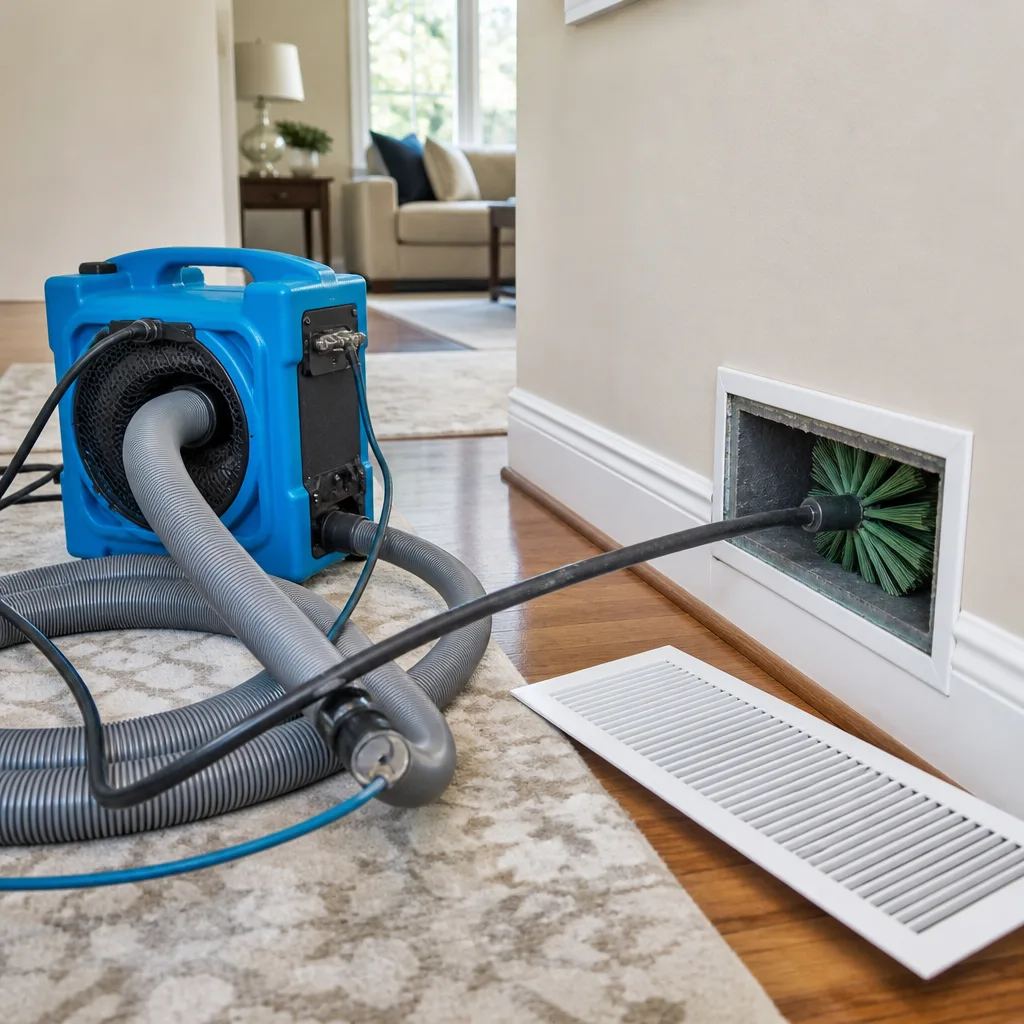
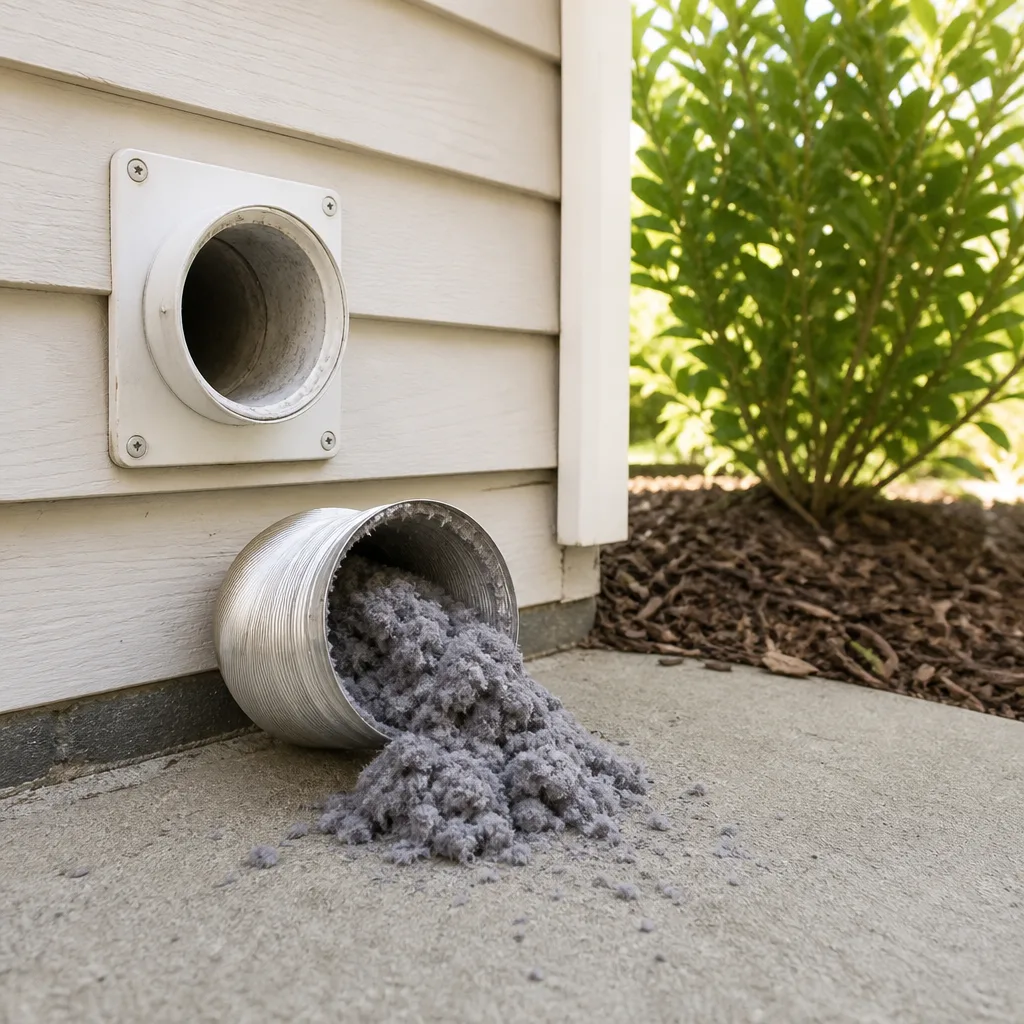
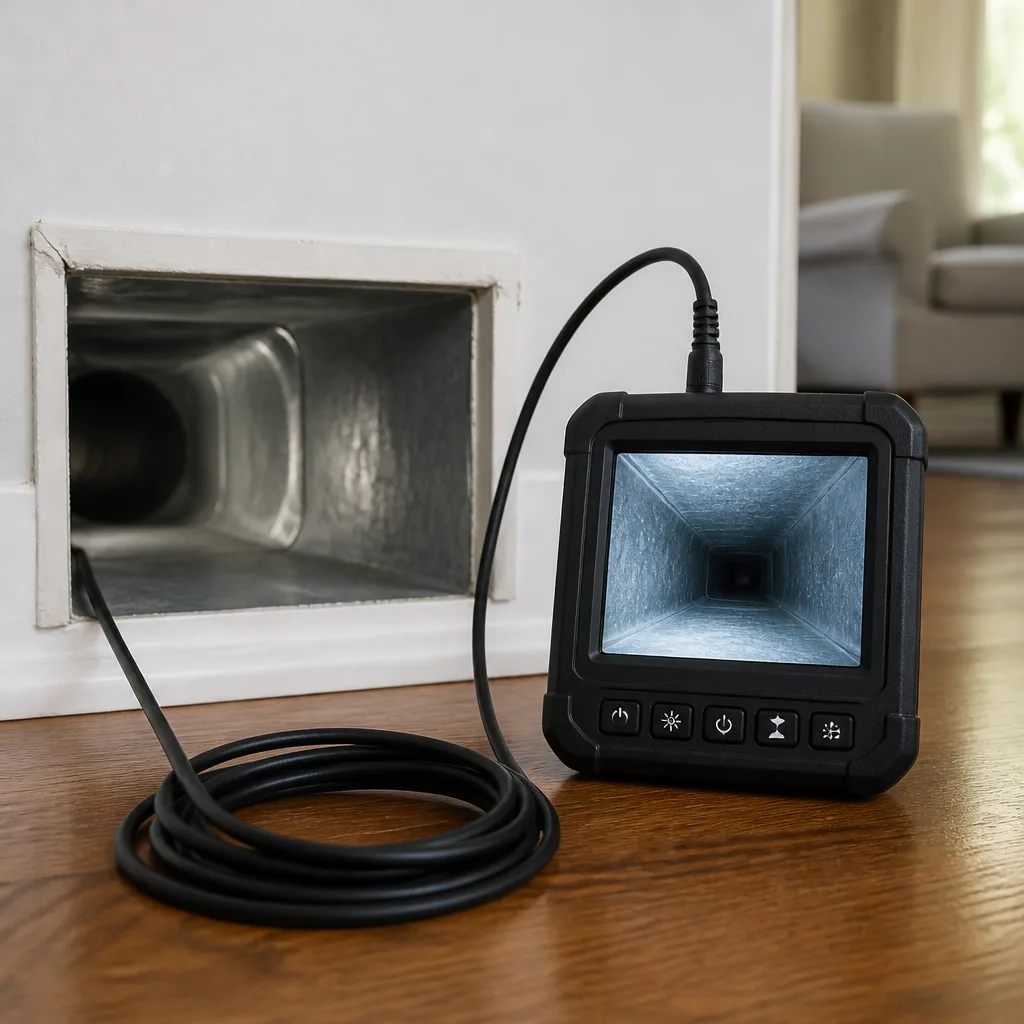
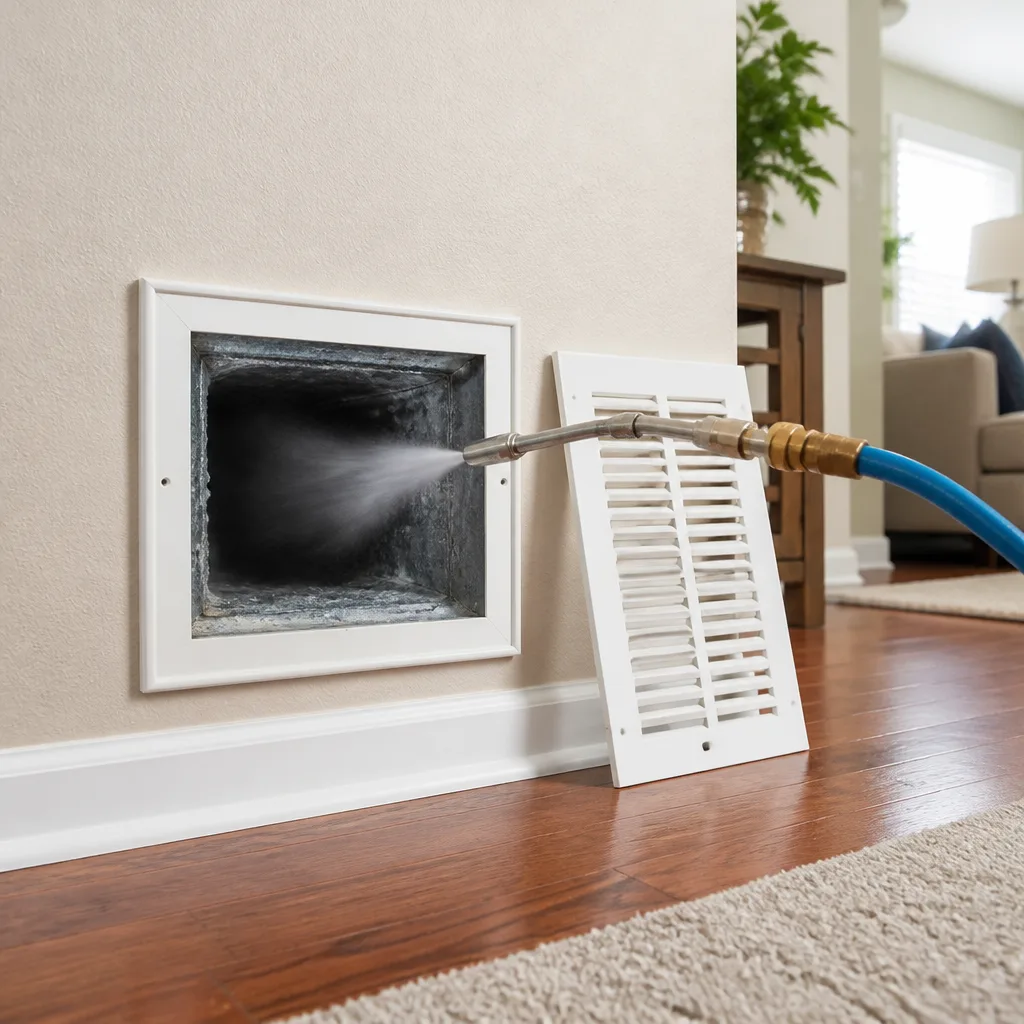
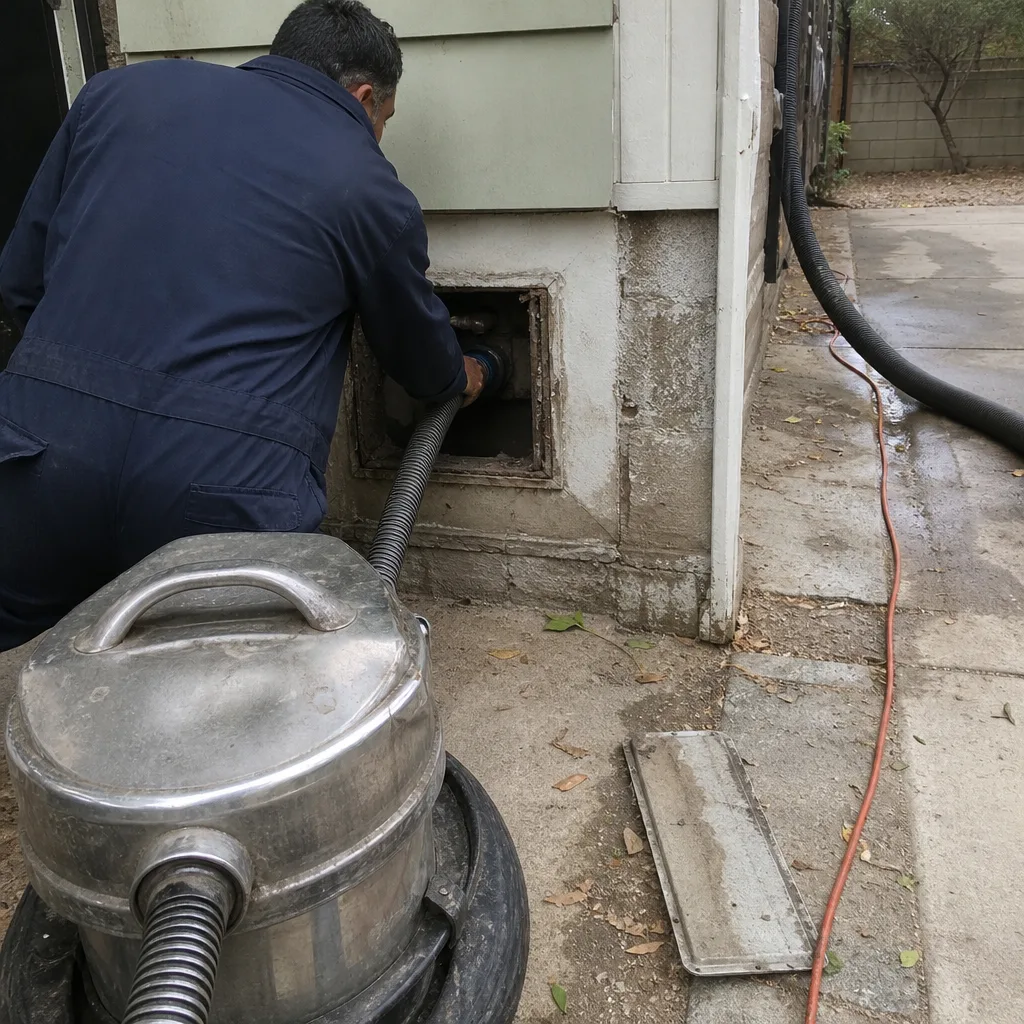 Before
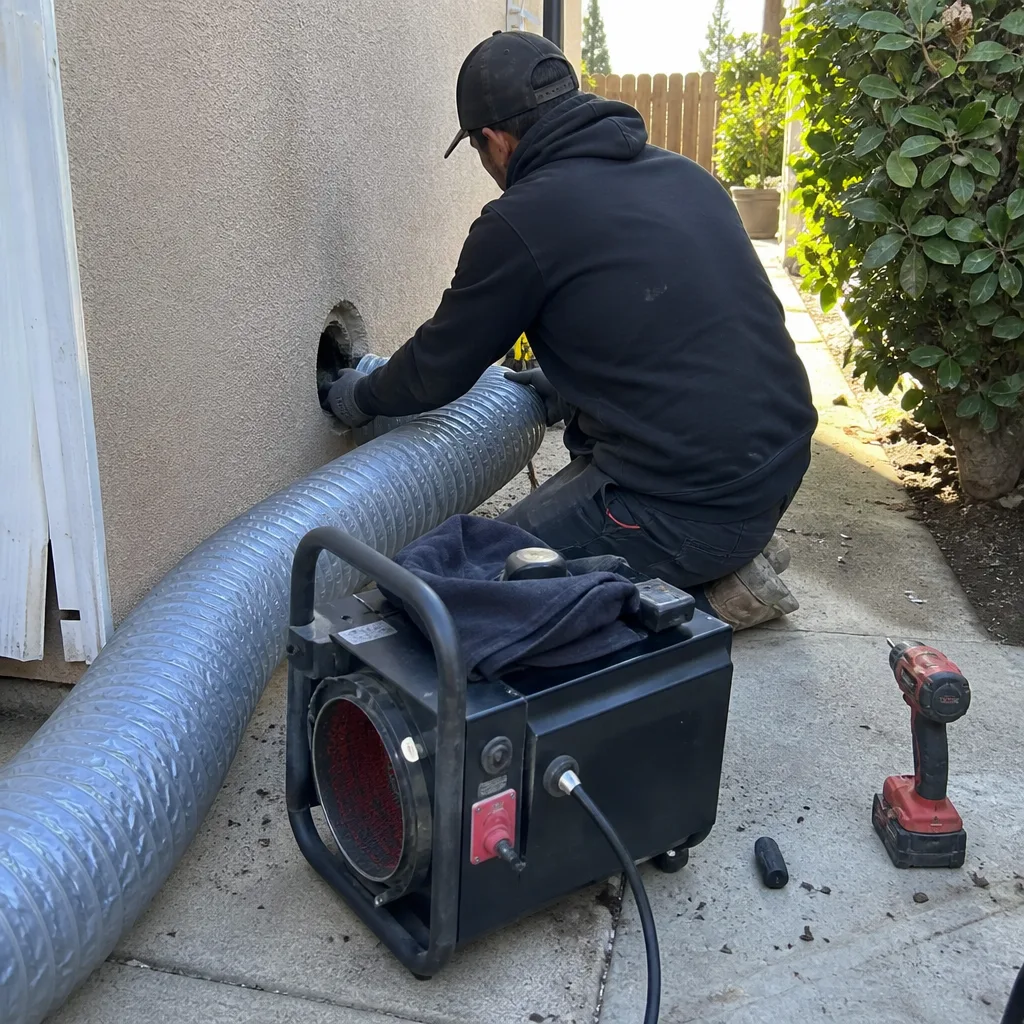 After
After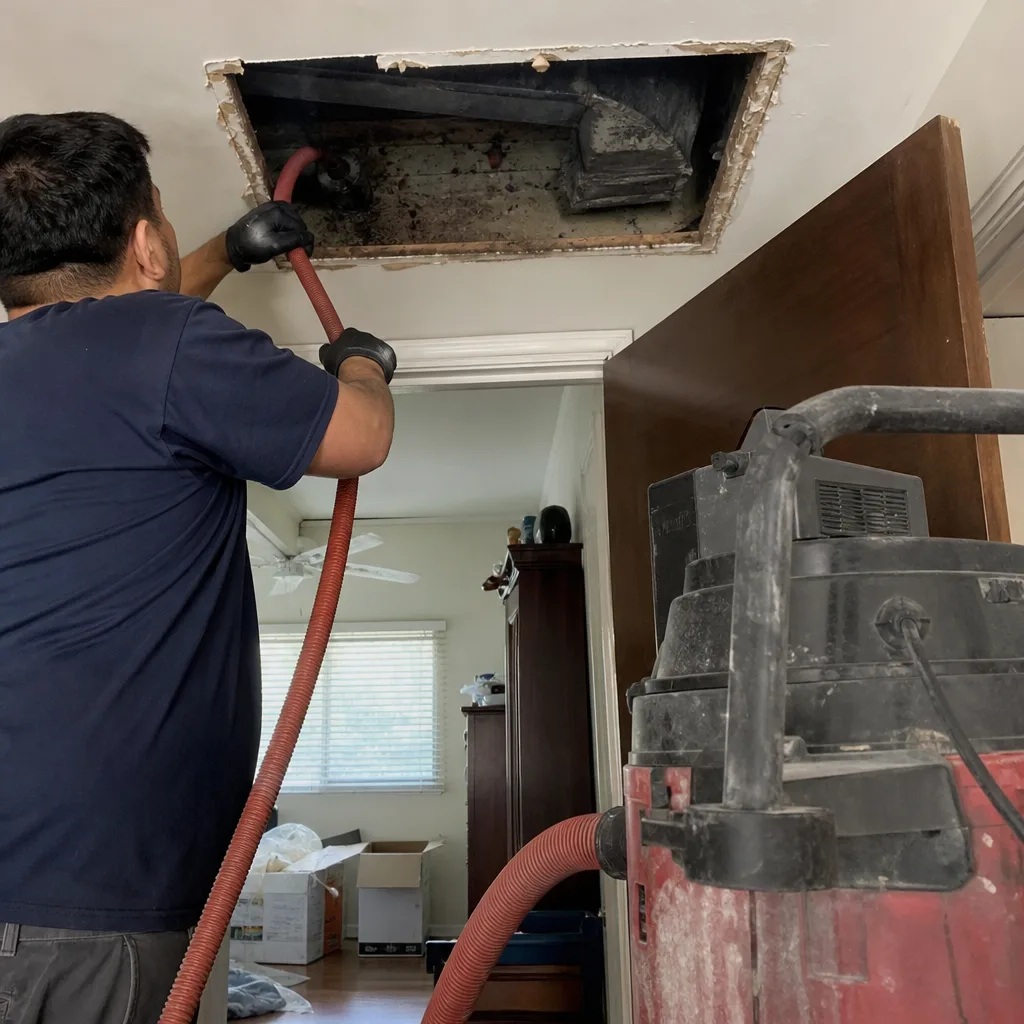 Before
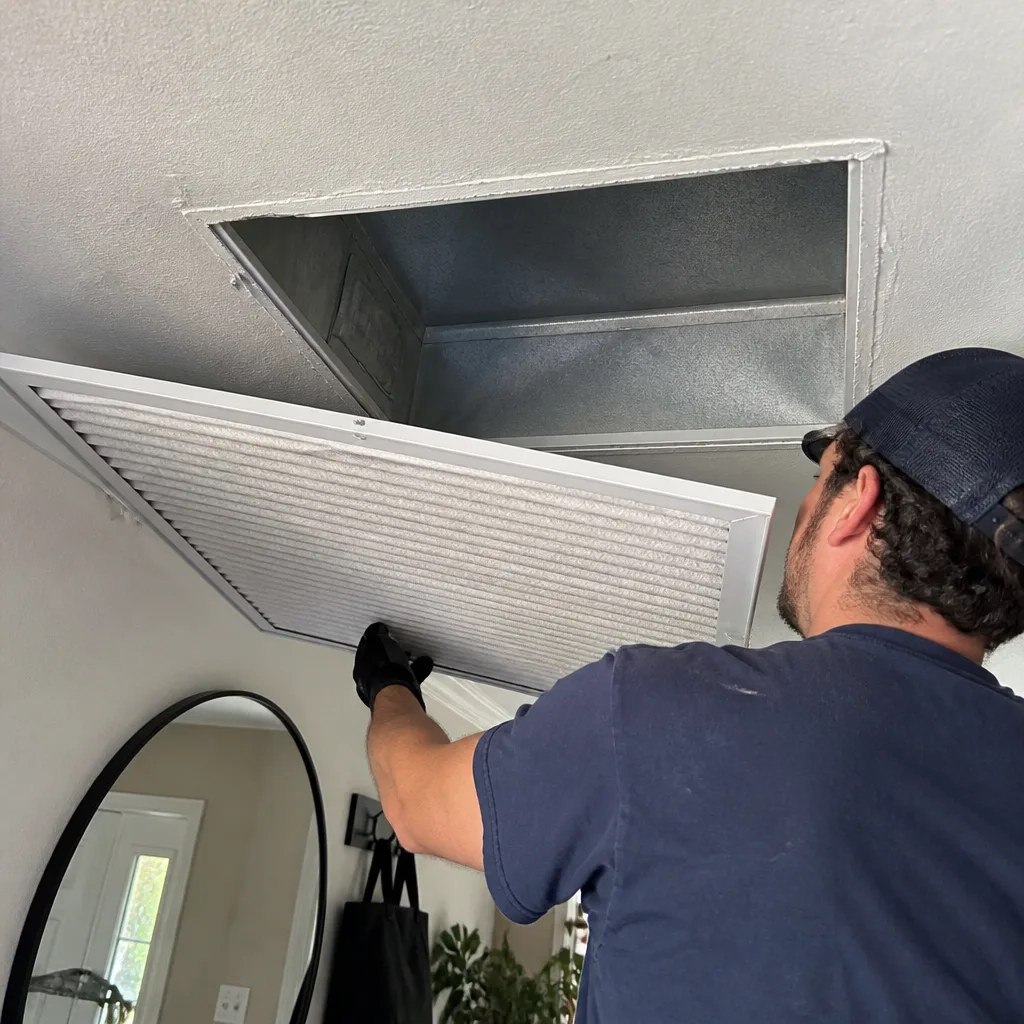 After
After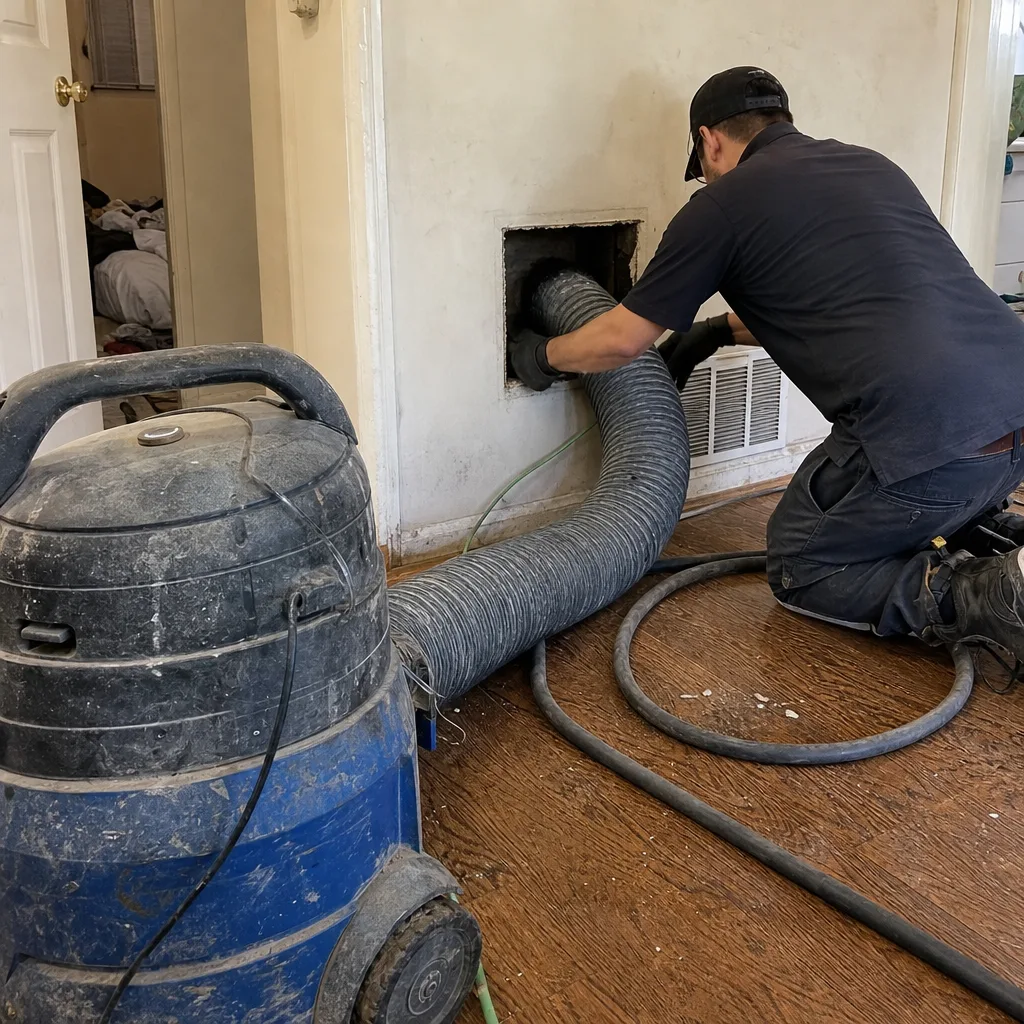 Before
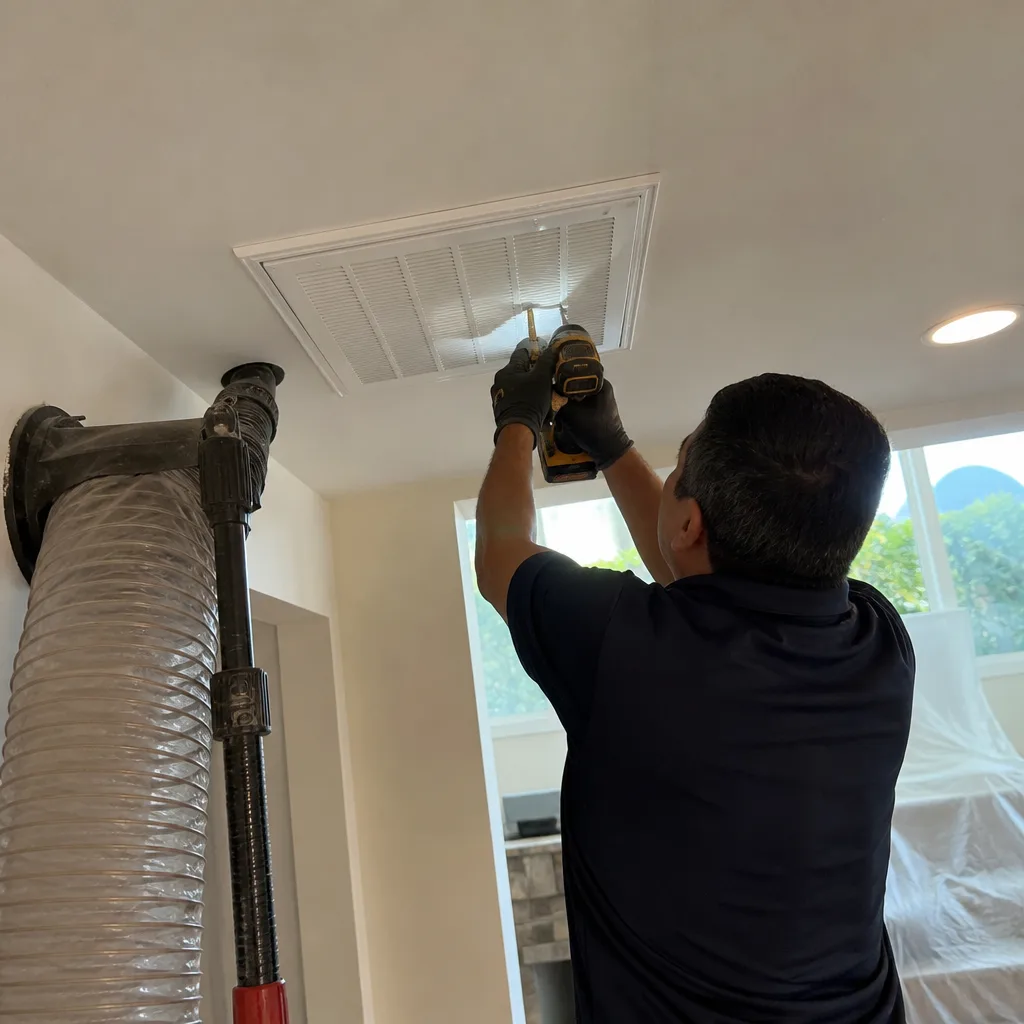 After
AfterAir Duct Cleaning Permits, Codes & Inspections in CA: What You Need to Know
Here’s something most Los Angeles homeowners don’t realize until it’s too late: the contractor standing in your attic with a drill may be one hole away from turning a routine $400 duct cleaning into a code compliance issue that follows your property for years. The line between “cleaning” and “modification” is thinner than most people think, and it’s a line that gets crossed in attics and crawl spaces across Los Angeles every single week. This guide walks you through where that line sits under California law, which building codes actually apply to the work, when a permit genuinely becomes necessary, and what to demand in writing before anyone touches your ductwork. For related reading, see our Air Duct Cleaning Warning Signs Every Homeowner Should Know.
Quick Answer
Standard air duct cleaning does not require a state permit in California, and most cities including Los Angeles don’t require one for cleaning-only work. However, permits and additional code requirements kick in the moment a technician cuts new access panels, modifies or replaces duct sections, relocates registers, or encounters suspect materials like asbestos or lead paint in homes built before 1981. The safest approach is to get a written scope-of-work statement from your contractor that explicitly states whether the job is cleaning-only, and to verify that any proposed modifications trigger code review before work begins. If you’re unsure whether your issues require professional Air Duct Cleaning services or something more involved, start with a scope assessment.
Table of Contents
- Where the Permit Threshold Actually Sits in California
- Title 24 and How It Intersects with Duct Cleaning
- Los Angeles County and City of LA Building Department Rules
- Asbestos and Lead Paint Disclosure: Pre-1981 Homes
- What to Demand in Writing When a Contractor Says “No Permit Needed”
- Inspection Realities: What Actually Gets Checked After Duct Work
- Common Mistakes to Avoid
- When to Call a Professional
- Frequently Asked Questions
- The Bottom Line
Where the Permit Threshold Actually Sits in California
California’s building permit framework treats air duct work on a spectrum: cleaning on one end, full system replacement on the other. The California Building Code (CBC), specifically the California Mechanical Code within it, draws the line at alteration versus maintenance. Routine cleaning, sanitizing, and the replacement of filters or registers fall under maintenance. No permit. Cutting a new access hole into a plenum, replacing a damaged duct run, or reconfiguring airflow paths falls under alteration. That may require a permit depending on scope and location.
Here’s how it breaks down in practice:
- Cleaning-only work: Negative-pressure extraction, brush cleaning, and sanitizing existing duct interiors. No permit required anywhere in California, including Los Angeles. This is the Linden Air Duct Cleaning home standard for most service calls.
- Access panel installation: Drilling or cutting a new access point into existing sheet metal or flex duct to enable cleaning. This is a modification. Some jurisdictions treat it as exempt if minor; others want a permit. In Los Angeles, a new access panel in a hard duct typically does not need a permit, but it must be properly sealed and insulated to meet Title 24 energy standards.
- Duct section replacement: If cleaning reveals a crushed or disconnected duct run and the technician cuts out the damaged section to splice in new material, that’s alteration. In most California cities, replacing less than 10 linear feet of existing duct with like material is considered a repair and is exempt from permits. Larger replacements generally require a mechanical permit.
- Register relocation or new register addition: Moving a supply register or adding a new one changes the system’s design. This requires a permit in Los Angeles, full stop.
- Full duct system replacement: A mechanical permit is required, plans are usually necessary, and the work must be inspected. No gray area here.
We’ve walked into homes in Silver Lake where a previous contractor cut a new return-air opening into a hallway ceiling without pulling a permit. Five years later, the homeowner is selling, the Title 24 energy inspection catches the unpermited modification, and the sale stalls while the seller pays to retrofit and legalize the work. That’s a $1,200 problem born from a $75 shortcut.
Title 24 and How It Intersects with Duct Cleaning
California’s Title 24 energy efficiency standards are the sleeping giant in this conversation. Most homeowners associate Title 24 with solar panels and window glazing, but it has direct teeth when it comes to HVAC ducts. Here’s the key point: Title 24 mandates specific insulation, sealing, and leakage performance standards for duct systems. And the moment duct work is modified during what started as a cleaning visit, those standards attach to the new work.
Under Title 24, Part 6, any new or modified duct system in climate zones 6 through 16 – which includes all of Los Angeles County – must meet these requirements:
- Duct leakage testing: New or replaced duct sections must pass a duct leakage test, typically with a maximum leakage threshold based on the system type. HERS testers or certified technicians perform this test.
- Insulation requirements: Supply ducts in unconditioned attics in Los Angeles need R-8 minimum insulation. Return ducts need R-6. Flex duct used for repairs must meet these R-values or the repair technically fails code.
- Sealing standards: Joints and seams must be sealed with mastic or approved tape. Foil tape alone is no longer acceptable for many applications under current enforcement standards.
- Access requirements: Each accessible duct run should have an access point for inspection and service. Work done during cleaning may need to preserve or add these access points to remain compliant.
What does this mean in the real world? If a technician in North Hollywood replaces 8 feet of crushed flex duct during your cleaning, that new 8 feet must meet R-8 if it’s in an unconditioned attic. If the technician splices in uninsulated or R-4.2 flex because it’s what’s on the truck, you now have noncompliant duct work tucked behind drywall or above insulation. You won’t know until an energy audit or a home sale reveals it. A proper contractor documents what was replaced and confirms insulation values in writing.
Los Angeles County and City of LA Building Department Rules
Los Angeles operates under the Los Angeles City Building Code, which amends and enforces the California codes. The Los Angeles Department of Building and Safety (LADBS) handles mechanical permits for duct work. Within city limits, here’s what applies specifically to duct cleaning and the work it sometimes reveals:
- Attic access requirements: LA requires attics with mechanical equipment to have an access opening of at least 22 inches by 30 inches. If a duct cleaning technician cannot reach duct runs because the access is too small, enlarging that access may require building department review. It’s structural work, not mechanical work.
- Crawl space work: Ducts running through crawl spaces in homes from the 1920s through 1960s – common in neighborhoods like Echo Park, Eagle Rock, and West Adams – often have limited clearance. Repairing a disconnected duct in a tight crawl space is straightforward. Rerouting a duct to improve access is a modification that requires paperwork.
- Limited-density owner-built owner-occupied housing: Many hillside and canyon homes in Los Angeles fall under special classifications that restrict non-owner work. Technicians working in areas like Laurel Canyon or Mount Washington need to know if the property falls under these rules before modifying structural components.
- Fire-rated assemblies: When ducts penetrate walls or floors in multi-unit buildings or between a garage and living space, they must maintain fire ratings. Cutting a new duct opening through a fire-rated assembly without a permit is a serious code violation. This comes up frequently in duplexes and fourplexes throughout Mid-Wilshire and Koreatown.
For Air Duct Cleaning in Los Angeles, the cleaning itself sits outside permit requirements. But the technician’s judgment about what they find matters. A service that flags a disconnected duct and recommends repair without explaining that the repair itself may carry code obligations is not doing its job.
Asbestos and Lead Paint Disclosure: Pre-1981 Homes
Los Angeles has roughly 1.2 million housing units built before 1981, and those homes carry two specific obligations that intersect with duct work: asbestos and lead paint disclosure. This is not a recommendation. It’s California Health and Safety Code.
Asbestos: Homes built before 1981 may contain asbestos in insulation, including vermiculite attic insulation, asbestos-containing duct wrap, or asbestos paper on old duct connections. The California Health and Safety Code requires that contractors disturbing more than 100 square feet of asbestos-containing material be certified and follow specific containment protocols. But here’s the nuance that matters most: if a technician cuts into a duct run wrapped in suspected asbestos insulation without proper testing and containment, the homeowner is left with a contamination problem. The contractor’s liability insurance may not cover the remediation, and the homeowner’s homeowner’s insurance often excludes gradual or non-permitted work contamination.
Specific to Los Angeles: many homes in the San Fernando Valley built between 1950 and 1978 used transite or cementitious duct materials in slab foundations. Cutting into transite duct work releases asbestos fibers. A cleaning-only job that involves drilling into transite to install an access fitting crosses directly into regulated territory. We’ve seen homeowners in Van Nuys and Reseda forced to abandon in-slab duct systems entirely and install new overhead duct work at a cost of $8,000 to $15,000 because a previous service cut into transite without addressing it.
Lead paint: The EPA’s Renovation, Repair and Painting (RRP) rule applies to pre-1978 homes. If a duct repair involves disturbing painted surfaces – removing a painted register boot, cutting through a painted wall to access a duct chase – the contractor must be RRP-certified and follow containment procedures. California enforces this through the Contractors State License Board and the California Department of Public Health. When we perform Air Duct Repair in Los Angeles on older homes, pre-work documentation always includes a material assessment for these hazards.
What to Demand in Writing When a Contractor Says “No Permit Needed”
The phrase “no permit needed” is usually correct for standard duct cleaning. It becomes a problem when it’s said casually and relies on memory. If a contractor tells you the work is permit-exempt, ask them to put it in writing. A one-paragraph scope document is enough, and any legitimate contractor will provide it without hesitation.
Here’s what that written statement should confirm:
- Scope of work: A sentence-by-sentence description of exactly what will be done. “Negative-pressure extraction cleaning of existing duct system,” for example, not “duct work.”
- Permit determination: A statement that the described scope does not require a mechanical permit under the applicable California and Los Angeles codes, with a brief citation if possible.
- Material handling: For pre-1981 homes, a statement confirming whether the work will disturb any material that may contain asbestos or lead, and the protocol if it does.
- Title 24 compliance: If any duct sections will be replaced or modified, a statement that the new material meets current Title 24 insulation and sealing standards.
- After-work documentation: Confirmation that you’ll receive photos or a written summary of the work performed. We use professional-grade equipment from brands like Rotobrush and Nikro, and we document every job with before-and-after photos as standard practice.
This is not paranoia. It’s the difference between a service call and a defensible service record. Homeowners in Los Angeles who later sell their property, file an insurance claim, or undergo an energy retrofit will need this documentation. Getting it on the front end costs nothing.
Inspection Realities: What Actually Gets Checked After Duct Work
If your duct work modification does require a permit, expect an LADBS inspector to visit. Here’s what they actually look at, based on what we see across Los Angeles:
- Sealing and mastic application: Joints must be sealed with approved materials. The inspector will run a hand along key connections.
- Insulation R-value: Supply ducts in unconditioned spaces must show R-8 or better. The inspector will ask what material was used.
- Support and strapping: Flex duct must be supported at intervals no greater than 4 feet, with no sagging creating airflow restriction.
- Access panel sealing: New access panels must be resealed and insulated to match the surrounding duct.
- Fire damper integrity: In multi-unit buildings, any duct penetration must maintain its fire-rating. The inspector checks for damaged dampers or unsealed annular spaces.
The inspection is not adversarial. It’s a check that the work meets the standard. Homeowners who get surprised are usually the ones whose contractor skipped the permit and did substandard work. The permit exists to protect you, not to punish you.
Common Mistakes to Avoid
- Assuming “no permit needed” means “no standards apply.” Title 24 compliance and material safety rules attach even to permit-exempt work. The permit is about prior approval; the code is about the work itself.
- Letting a technician cut a new access hole without asking what material is in the duct or attic. Pre-1981 homes in Los Angeles frequently contain asbestos wrap, transite duct, or vermiculite insulation. The question should be asked before the hole is cut, not after.
- Accepting foil tape as a permanent seal. Foil tape fails in attic heat within a few years. Mastic or approved aluminum tape with mastic is the standard that survives inspection and time.
- Not documenting the work for resale. Los Angeles real estate transactions increasingly include energy audits and duct inspection contingencies. A written service record from your duct cleaning is part of your paper trail.
- Choosing a contractor on price alone for repair work that follows cleaning. The cheapest quote often reflects the cheapest materials: R-4.2 flex instead of R-8, foil tape instead of mastic, no leakage testing. The price difference shows up in your energy bill and in a failed inspection.
- Forgetting that dryer vent cleaning has its own codes. For Dryer Vent Cleaning in Los Angeles, California Mechanical Code requires metal ducting in concealed spaces, no screws protruding into airflow, and termination outside the building. A cleaning visit that reveals vinyl or foil ducting in walls means the vent is already noncompliant and needs replacement, not just cleaning.
When to Call a Professional
Duct cleaning itself is a professional service, not a DIY project. The equipment required for proper negative-pressure extraction – commercial vacuums, rotary brushes, and access tools – is not something a homeowner rents on a Saturday. But beyond the cleaning, here are the situations where professional expertise prevents expensive mistakes. If your home was built before 1981 and your ducts have never been assessed for asbestos or lead, call a professional before any work begins. If your cleaning reveals crushed, disconnected, or improperly sized duct runs, don’t let the cleaning technician improvise a repair; get a written assessment and a code-compliant fix. If you’re selling a home in Los Angeles and the buyer’s inspection flags duct issues, address it with documented, professional service. Linden Air Duct Cleaning offers free estimates in Los Angeles – call (980) 447-2498.
Frequently Asked Questions
No permit is required in California or Los Angeles for standard air duct cleaning, which involves negative-pressure extraction, brushing, and sanitizing existing duct interiors without modifying the duct system. A permit becomes necessary only if the work includes cutting new access panels in structural surfaces, relocating or adding registers, or replacing entire duct sections beyond minor repair thresholds. Call (980) 447-2498 for a written scope assessment of any proposed work.
Cleaning removes debris from existing ducts using equipment inserted through existing access points, while modification changes the physical duct system itself – cutting new openings, replacing sections, moving registers, or changing airflow paths. Under Los Angeles building code, cleaning is maintenance and permit-exempt; modification may require a mechanical permit from LADBS depending on scope, and always must meet Title 24 material standards.
Title 24 energy standards apply to any duct work that is modified or replaced during or after a cleaning visit, not to the cleaning itself. If a technician replaces 8 feet of damaged flex duct in your attic, that new material must meet R-8 insulation requirements for supply ducts in Los Angeles climate zones, and the joints must be properly sealed. A properly documented repair includes confirmation of these standards.
Request a material assessment before any duct work begins on pre-1981 homes in Los Angeles, because asbestos in duct wrap, transite duct, and insulation, and lead paint on register boots and wall penetrations, are regulated under California Health and Safety Code. If a contractor will disturb more than minor amounts of suspected material, testing and containment protocols apply. The assessment should be documented in writing before work starts.
Ask for before-and-after photos of the cleaned ducts and any repair work, along with a written description of materials used and their R-values. A legitimate contractor provides this documentation as standard practice. At Linden Air Duct Cleaning, every job includes visual documentation and a written scope record, and every repair carries a written guarantee with a free second visit if the repair fails.
Standard duct cleaning is a maintenance service and is not typically covered by homeowner’s insurance. However, if duct damage occurs as part of a covered event – a plumbing leak that floods duct work, or a fire that damages the system – the repair and cleaning may be covered under the property damage portion of your policy. Document the condition with photos and keep service records for any insurance conversation. Call (980) 447-2498 for guidance on documenting your system’s condition.
The Bottom Line
Air duct cleaning in California sits in a regulatory gray zone that most homeowners never think about until a problem forces them to. The cleaning itself is straightforward and permit-exempt. The risk lives in what the technician does when they find something wrong – a crushed duct, an inaccessible run, a suspicious material. Los Angeles homeowners need written documentation of the scope, confirmations that any modifications meet Title 24, and assessments for asbestos and lead on older homes. The difference between a service that does this properly and one that doesn’t is not theoretical. It’s measurable in energy bills, resale delays, and contamination cleanup costs. Ask the questions before the work begins, and get the answers in writing. Explore more guides & resources on protecting your home and HVAC system.
Written by Marcus Veale, Owner at Linden Air Duct Cleaning, serving Los Angeles since 2004.