
Last updated October 8, 2026
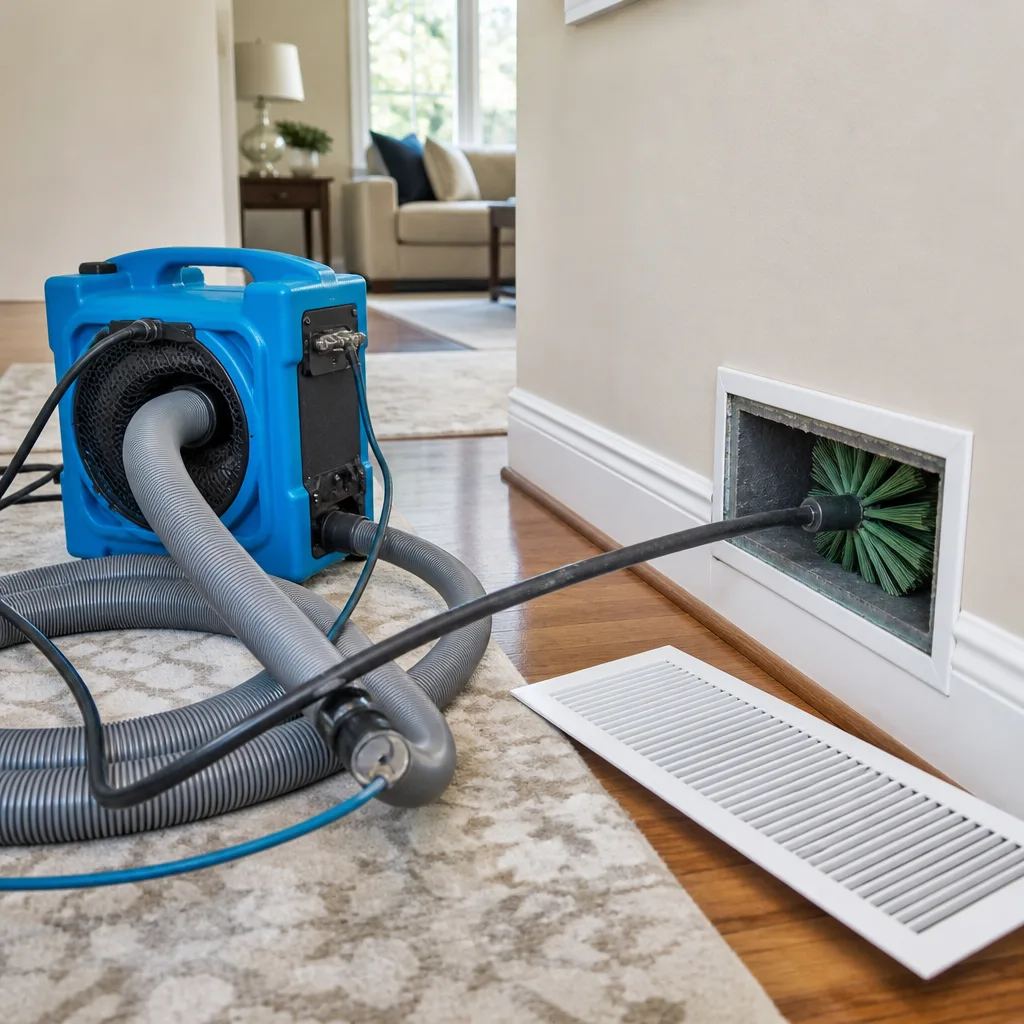
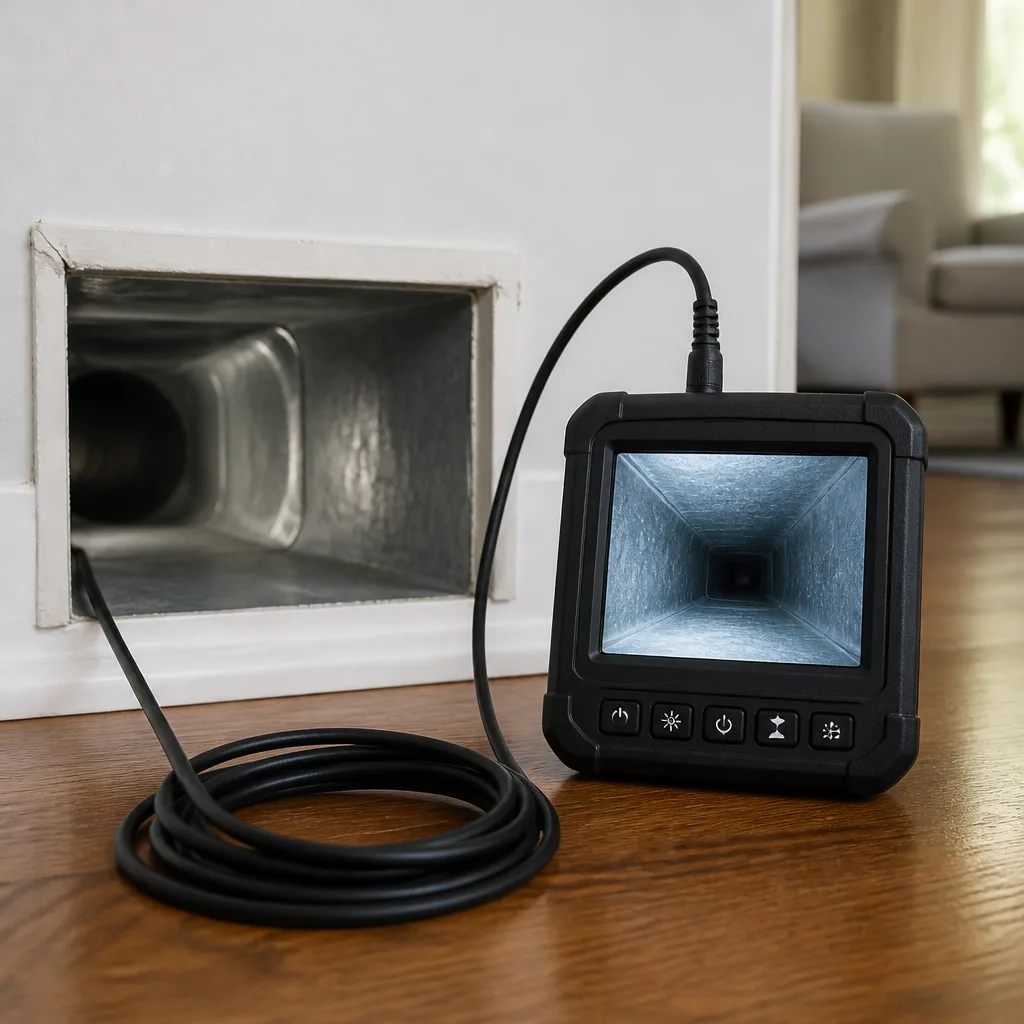
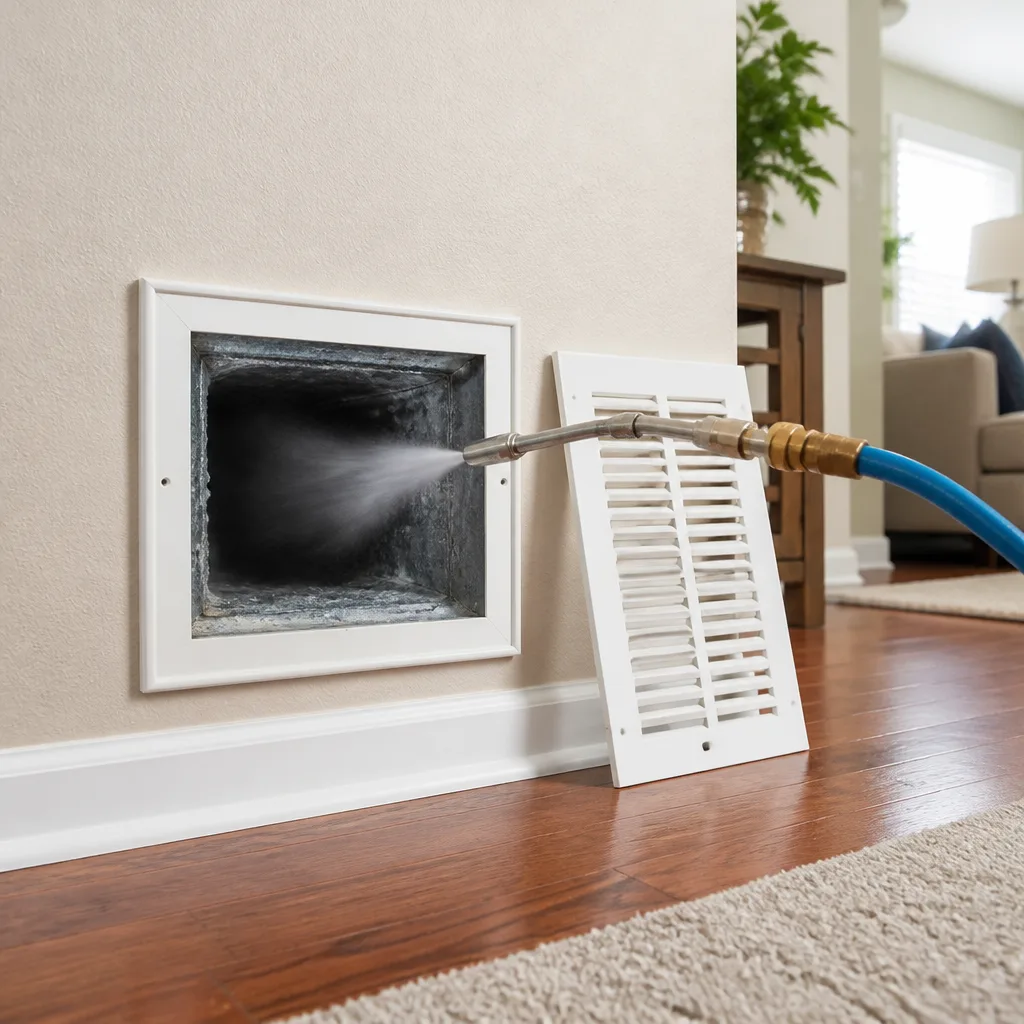
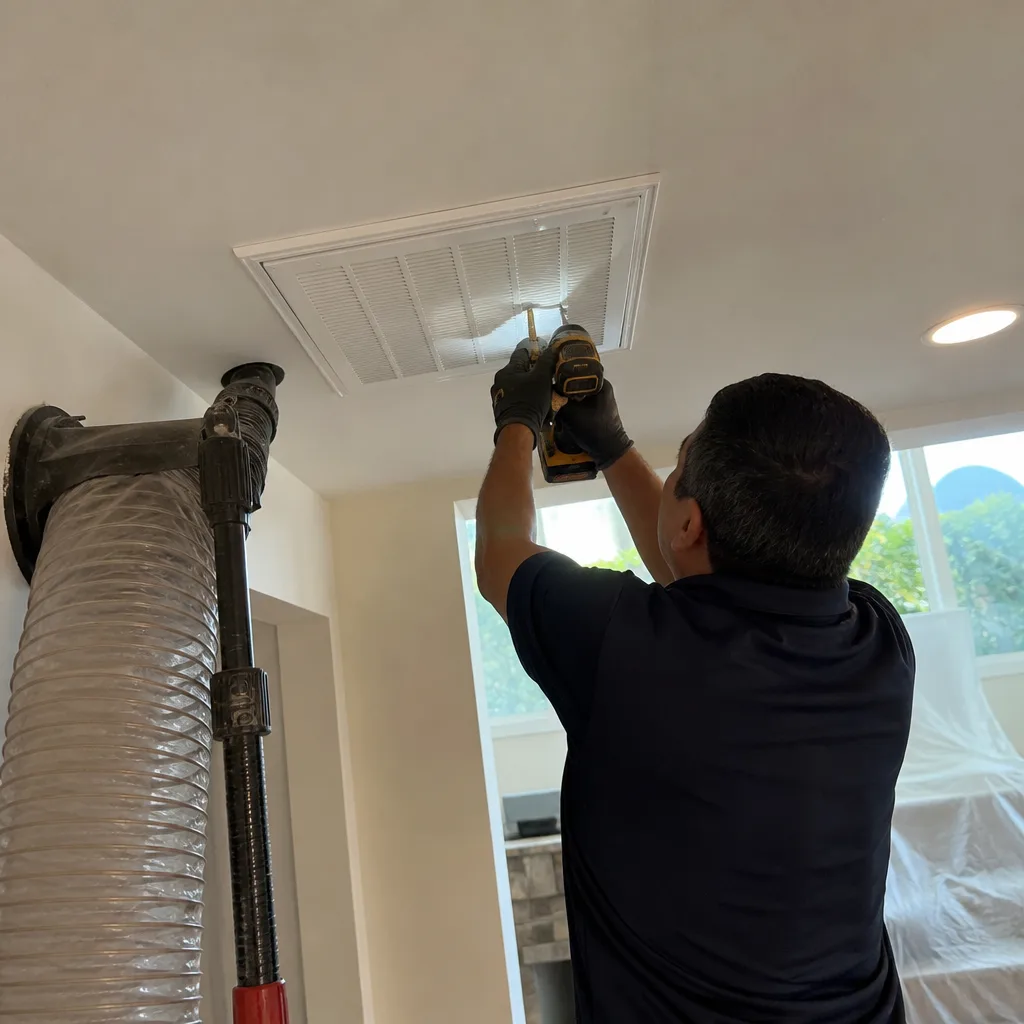
Whole-system duct and dryer vent check with before-and-after photos - you see exactly what came out of your vents
That "$99 whole-house special" is a bait ad - the real number appears once they are in your hallway, or the "clean" is a shop-vac at the register. We photograph the inside of your ducts before and after instead.
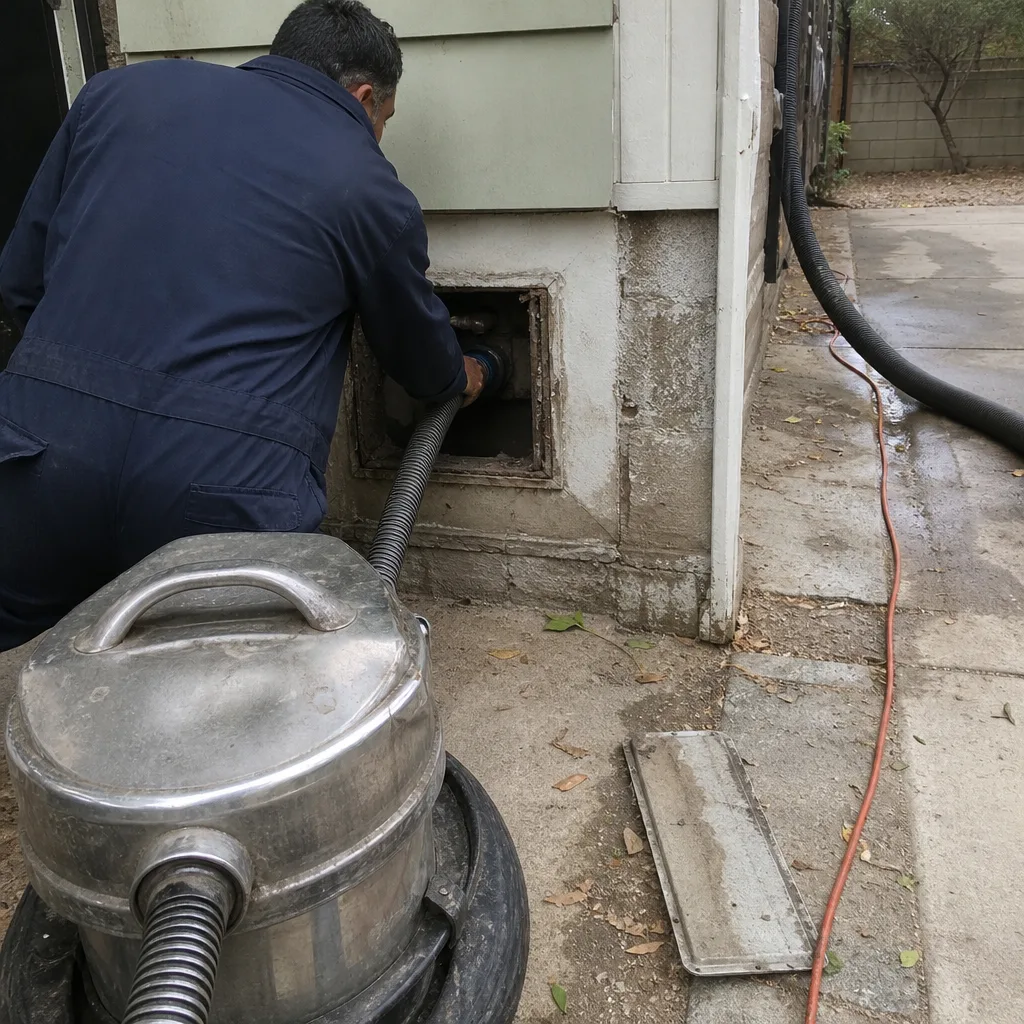 Before
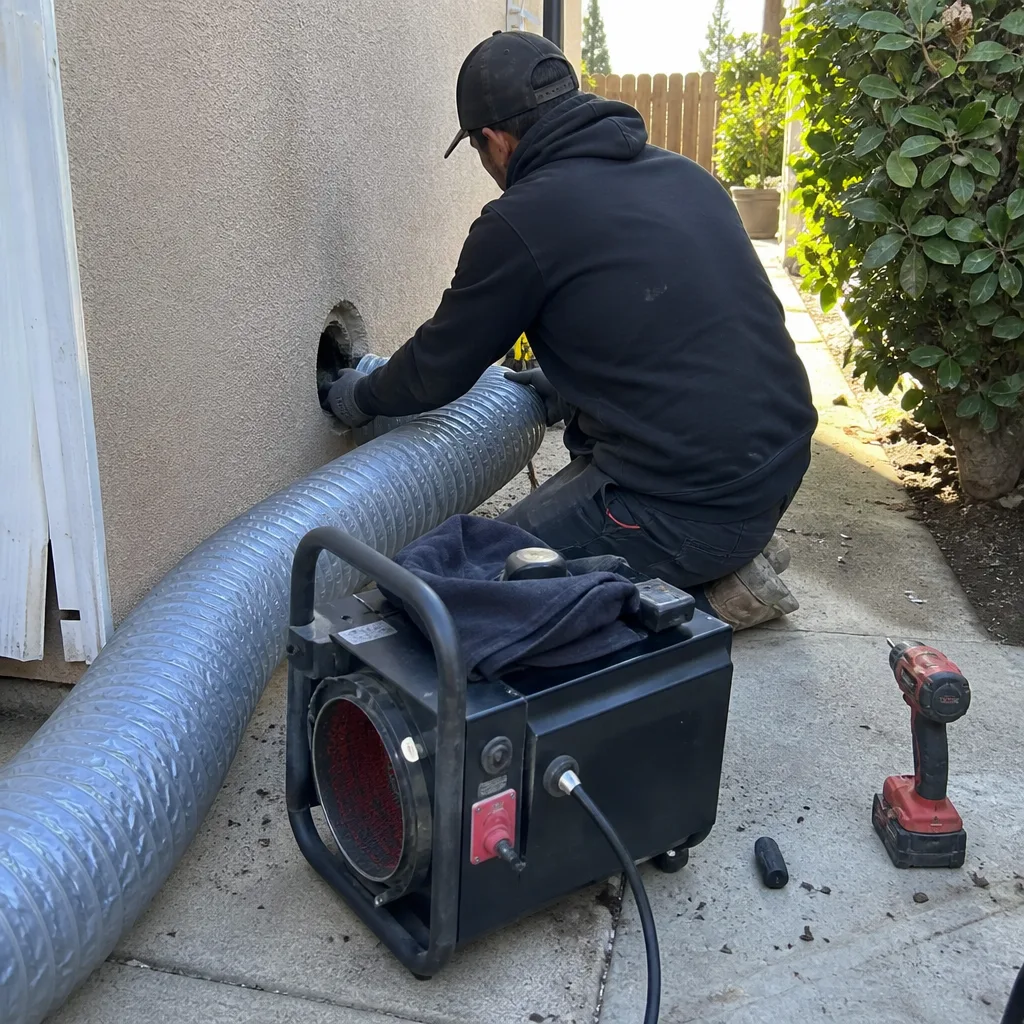 After
After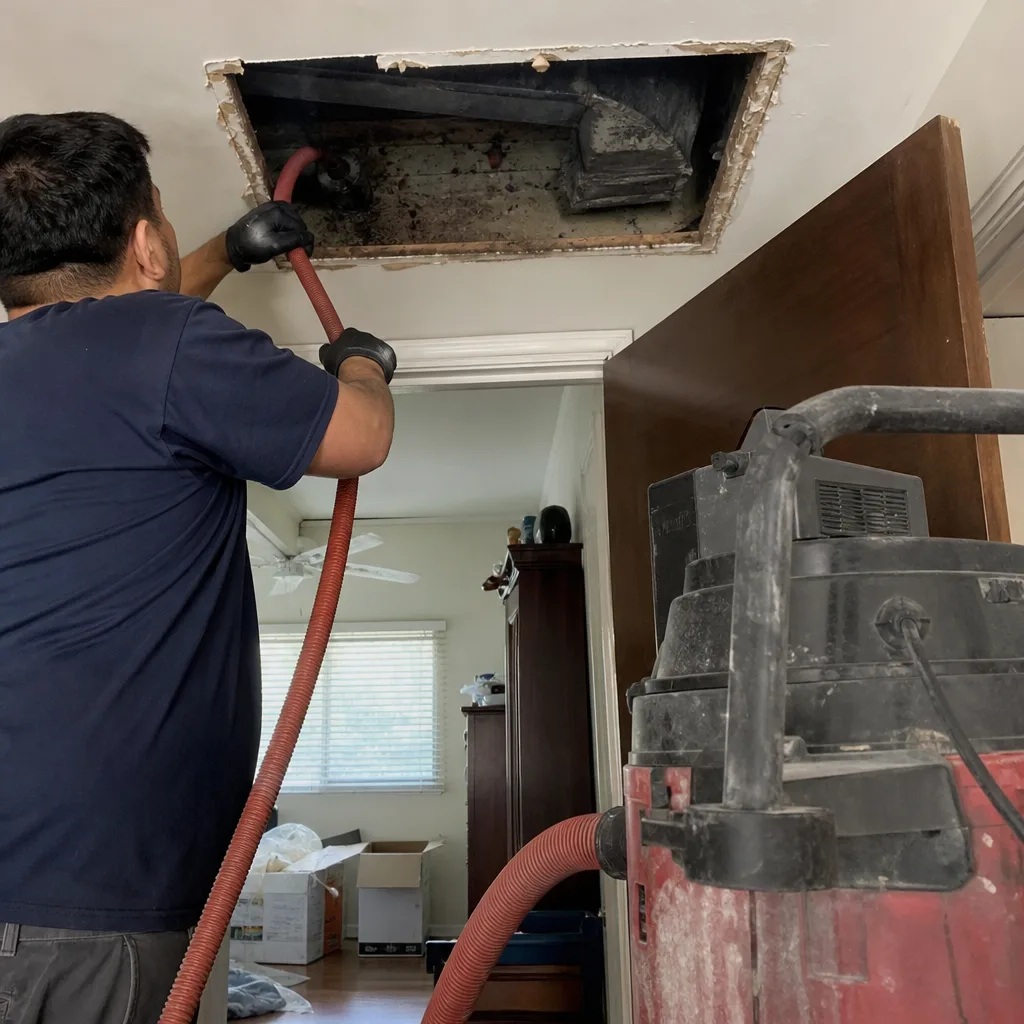 Before
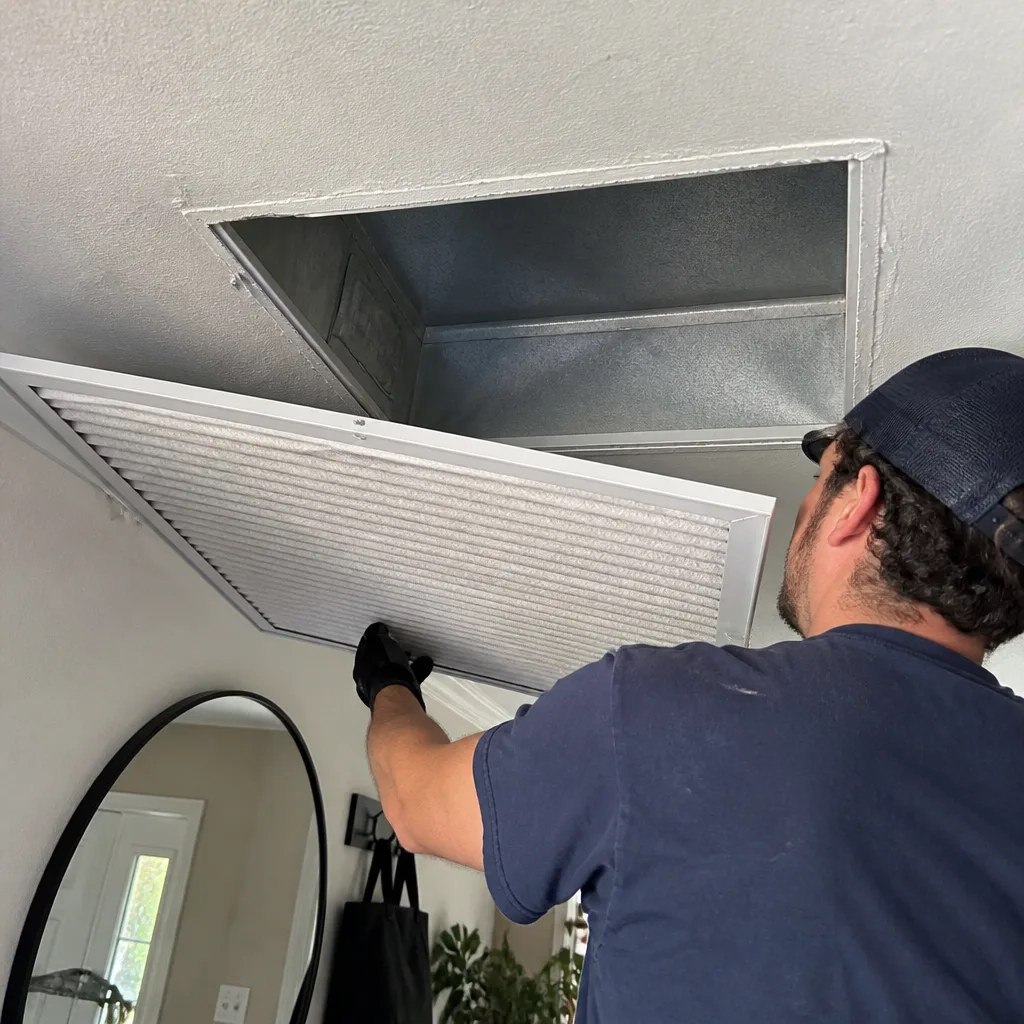 After
After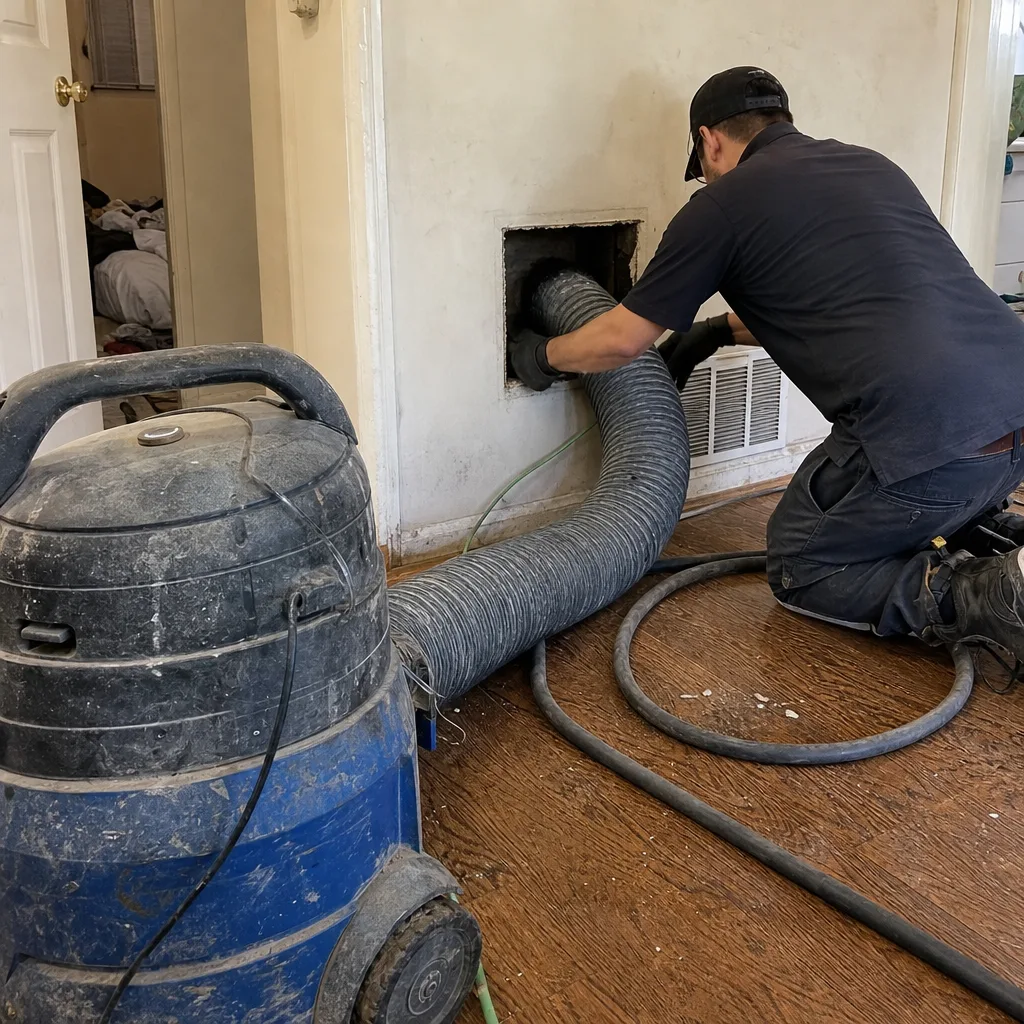 Before
 After
AfterDryer Vent Cleaning Warning Signs Every Homeowner Should Know
The CPSC links roughly 2,900 dryer fires a year to lint buildup, but here’s what rarely gets said: most of those homes had warnings for months before anything dramatic happened. The signs were there. They just didn’t look like warnings. A faint burning smell on the first cycle only. A laundry room that feels a little warmer than it used to. An exterior vent flap that doesn’t quite open all the way anymore. None of these feel urgent, and that’s exactly the problem. In Los Angeles, where dryers run year-round and outdoor vent caps bake in direct sun, these early signals show up sooner than most homeowners expect and get dismissed just as fast. This guide walks through every warning sign, starting with the subtle ones that appear before your dryer’s performance drops at all.
Quick Answer
The earliest our Dryer Vent Cleaning services warning signs are a faint burning smell when the dryer first starts, a laundry room that feels slightly humid or warm during a cycle, and an exterior vent flap that no longer fully opens while the dryer runs. Later signs include clothes taking more than one full cycle to dry, a dryer that’s hot to the touch, and visible lint accumulating around the vent opening. Any gas dryer showing these signs needs immediate attention because a blocked vent can force carbon monoxide back into your home.
Table of Contents
- The Early Warning Signs That Appear Before Performance Drops
- Schedule a Cleaning vs. Stop Using the Dryer Today
- Why Gas Dryers Have a Separate, More Urgent Warning Sign
- The Five-Minute Exterior Vent Inspection You Can Do Yourself
- Why a New Dryer in an Older Los Angeles Home Shows Warning Signs Faster
- What Actually Causes Lint Buildup in the First Place
- What Dryer Vent Cleaning Costs in Los Angeles
- Common Mistakes to Avoid
- When to Call a Professional
- Frequently Asked Questions
- The Bottom Line
The Early Warning Signs That Appear Before Performance Drops
Most homeowners learn to watch for a dryer that takes forever to dry clothes. That’s the obvious one. For more details, see How Long Does Air Duct Cleaning Take? Timelines and What to Expect. But by the time your dryer needs two full cycles for a load of towels, the vent restriction has been building for months. Catching the earlier signals means you fix the problem while it’s still a cleaning job, not a repair or a fire hazard.
Here are the signs that show up first, often six to twelve months before any noticeable drying slowdown:
- A faint burning smell only on the first cycle of the day. Lint that settled and cooled in the vent overnight heats up when airflow first pushes through it. The smell fades after five or ten minutes, which is why people dismiss it. That smell is lint smoldering at a low temperature. It shouldn’t ever be there.
- Humidity in the laundry room that wasn’t there before. A properly vented dryer pushes moisture outside. When the vent is partially blocked, that moisture backs up into the room. You might notice the walls feel slightly damp, a window fogs up during a cycle, or the room just feels muggy compared to the rest of the house.
- The exterior vent flap doesn’t fully open while the dryer runs. On a healthy vent, the flap opens wide and you can feel a strong, steady airflow pushing out. As lint builds, the flap opens less and less. At first it looks like it’s just fluttering. That’s a restricted vent.
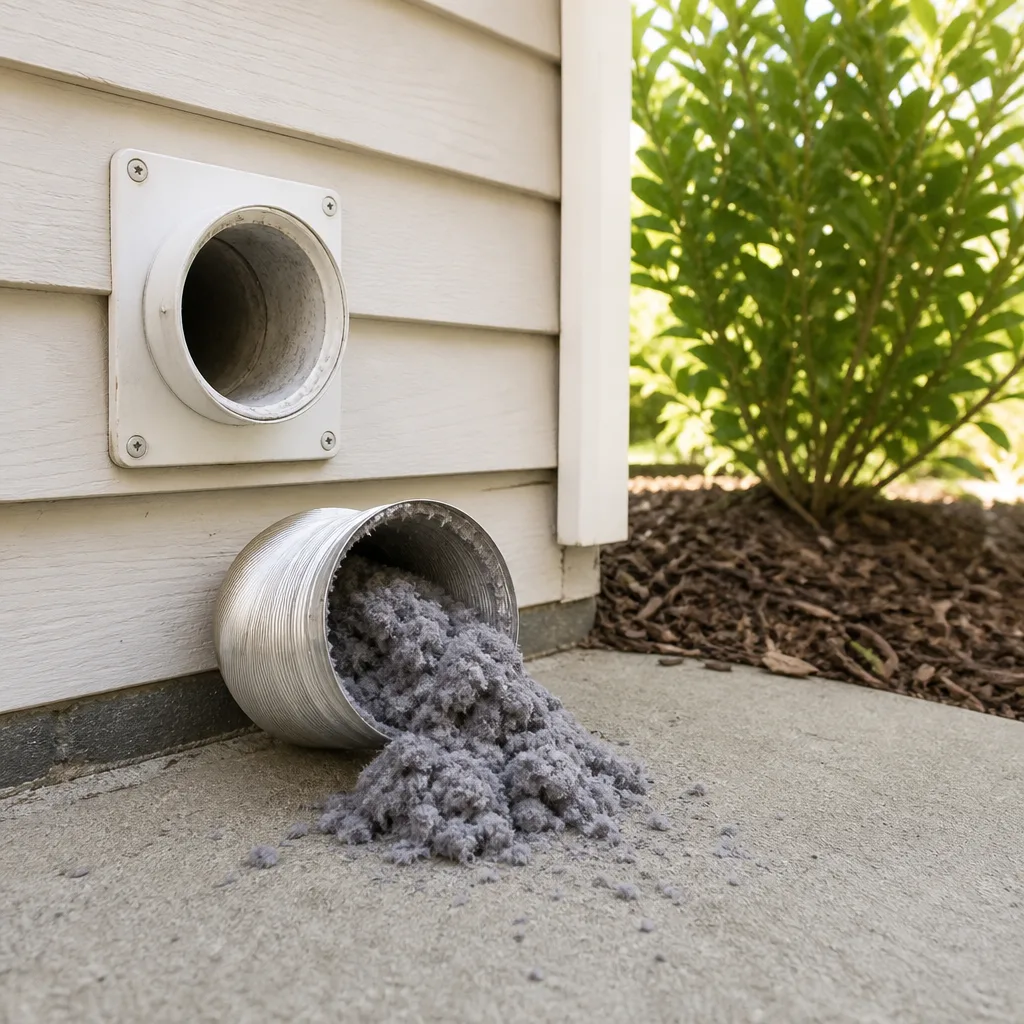
- Lint is visible around the exterior vent opening. Some lint outside is normal, but wet, clumped lint stuck to the flap edges or the wall around the vent means moisture and debris are not being carried away. In Los Angeles, where the air is dry much of the year, this is especially noticeable because lint should not be sticking around.
- Clothes come out with a slightly musty or stale odor. The moisture that stays in the drum and vent line between cycles creates the conditions for mildew and bacteria. If your clothes smell faintly off even after a full dry cycle, the vent isn’t clearing properly.
None of these signals will trigger an alarm on their own. That’s the point. Each one is easy to rationalize as a quirk of the machine, a change in detergent, a fluke. But when two or more show up together, the vent is telling you something specific: airflow is restricted, heat is building up, and lint is accumulating in a warm, dry, highly flammable environment.
Schedule a Cleaning vs. Stop Using the Dryer Today
Not every warning sign carries the same weight. Some mean “add dryer vent cleaning to your to-do list this month.” Others mean “unplug or shut off the gas to this dryer until a professional inspects it.” Knowing the difference can prevent a fire. Here’s how to sort them.
Signs that mean schedule a cleaning soon
- Drying times have increased noticeably, but clothes still get dry within one full cycle.
- The dryer feels warm to the touch on the top or sides during operation.
- You can smell a musty or stale odor in the drum when the dryer has been sitting unused.
- The exterior vent flap opens partially but you don’t feel a strong stream of air.
- You’ve lived in the home for over a year and don’t know when, or if, the dryer vent was ever cleaned.
These signs mean the vent is restricted and getting worse. The lint is building, but the system still functions. Getting it cleaned now prevents the problem from becoming a hazard and usually restores full drying performance.
Signs that mean stop using the dryer today
- You smell burning that does not go away after the first few minutes. If the smell persists through the cycle, or gets stronger, you likely have lint smoldering inside the vent line. Every cycle after that is rolling the dice.
- The dryer, its cord, or the wall around the vent outlet feels hot to the touch. A blocked vent traps heat inside the machine and pushes it back into the surrounding wall. This heat can ignite lint inside the wall cavity even if the dryer itself keeps working.
- The exterior vent flap doesn’t open at all while the dryer runs. Zero airflow through the vent means the dryer is expelling hot, moist air somewhere else. In gas dryers, that somewhere can be your laundry room.
- You smell gas anywhere near the dryer. This is not a vent cleaning issue. It’s a gas leak and an immediate emergency. Turn off the gas supply to the dryer if you can do so safely, leave the area, and call your utility provider or a licensed gas technician.
- You have a carbon monoxide detector that has gone off or is reading elevated levels. Treat this as an emergency. Ventilate the house, get everyone outside, and call for help. Do not run the dryer again until it’s inspected.
Here’s the honest distinction: a restricted vent is a maintenance issue. A blocked or burning vent is a safety emergency. If you’re in doubt, treating it as the second one costs you nothing but a phone call. You can also check How Long Does Air Duct Repair Take? Timelines and What to Expect for repair timelines.
Why Gas Dryers Have a Separate, More Urgent Warning Sign
Electric dryers create a fire risk when the vent is blocked. Gas dryers do that too, but they add something else: carbon monoxide. And because carbon monoxide is invisible, odorless, and tasteless, the warning signs are not in your dryer. They’re in your body.
Here’s how it works. A gas dryer burns natural gas to produce heat. The combustion process creates carbon monoxide as a byproduct. In a properly operating dryer, that carbon monoxide is carried out of the house through the same vent that removes the moist air. When that vent becomes restricted or blocked, two things happen. First, the dryer can’t vent properly, so heat and combustion gases build up inside. Second, some of those gases are pushed back into the laundry room instead of out through the exterior vent cap.
The physical warnings of carbon monoxide exposure include:
- Headaches that appear or get worse when the dryer runs
- Dizziness or lightheadedness in the laundry room or nearby areas
- Nausea that improves when you leave the house
- Fatigue or confusion that has no other obvious cause
- Family members or pets showing the same symptoms at the same time
These symptoms are easy to write off as a cold, allergies, or just being tired. That’s what makes carbon monoxide so dangerous. The gas doesn’t give you a clear signal that something is wrong until levels are high enough to be life-threatening.
In our experience cleaning dryer vents across Los Angeles, we’ve walked into laundry rooms with functioning gas dryers and immediately felt the air quality was off. Usually the homeowner has been living with a low-grade headache or that vague “something doesn’t feel right” sensation for weeks. They booked a cleaning for one reason and discovered a vent restriction that was quietly pushing combustion gases into their home the whole time.
If you have a gas dryer, the rule is simple: any dryer vent cleaning warning sign is more serious for you than for an electric dryer owner. A clogged vent on an electric dryer is a fire risk. A clogged vent on a gas dryer is a fire risk plus a carbon monoxide risk. Treat every warning sign accordingly. And if you don’t have a carbon monoxide detector in or near your laundry room, install one. It costs under $30 and it’s the only device in your house that will tell you something is wrong before your body does.
The Five-Minute Exterior Vent Inspection You Can Do Yourself
You don’t need any tools or technical knowledge to assess the outside end of your dryer vent. The exterior termination cap, the little flap where the vent exits your house, tells you more about the health of the system than almost anything else. Here’s a step-by-step method anyone can complete in under five minutes.
- Find the exterior vent cap. It’s typically on an outside wall near the laundry room, usually within a few feet of the dryer’s location. In many Los Angeles homes, especially older ones in neighborhoods like Echo Park or the Valley, the vent exits through a stucco wall or a foundation vent.
- Look at the flap or louvers. Most caps have flaps or slats that open when air pushes through. They should be fully open while the dryer runs and closed when it’s off. If the flaps hang partially open or stay open all the time, something is stuck. If the flaps stay closed while the dryer runs, airflow is severely restricted.
- Run the dryer and feel the airflow. Walk outside and hold your hand about six inches from the vent while the dryer runs. You should feel a strong, steady stream of warm air. No airflow, weak airflow, or airflow that pulses and stutters all indicate a restriction inside the vent line.
- Look at the wall and ground around the vent. Lint clinging to the stucco, siding, or plant leaves near the vent means moisture and debris are escaping improperly. In dry Los Angeles weather, any lint sticking to surfaces means it’s coming out wet, which points to a partial blockage trapping moisture inside.
- Listen while the dryer runs. A rattling sound from the vent cap when the dryer runs usually means the flap is partially open and chattering in the airflow. It’s not a major problem on its own, but combined with weak airflow it confirms a restriction.
This inspection takes five minutes and gives you real information. If the flap opens fully, the airflow is strong, and the area is clean, your vent is probably in reasonable shape, though it still needs periodic professional cleaning. If anything on this checklist looks off, you’ve caught a warning sign early, which is exactly when a cleaning is cheapest and easiest.
For homeowners considering professional Dryer Vent Cleaning in Los Angeles, these same checkpoints are what a technician evaluates on arrival, along with the interior duct run that isn’t visible from outside. If you can spot a problem from the exterior alone, it’s worth a call.
Why a New Dryer in an Older Los Angeles Home Shows Warning Signs Faster
A lot of homeowners are surprised when a brand new dryer starts showing vent problems within the first year. They assume a new machine means a clean system. In older Los Angeles homes, the opposite is often true.
The issue is the vent line itself, not the dryer. Many homes built before the 1990s in neighborhoods across Los Angeles, from West Adams to Van Nuys, have dryer vents made of flexible foil or vinyl tubing. These materials were common at the time and are no longer code compliant for good reason. They sag, they trap lint at every bend, they kink easily, and they can melt or collapse under heat. A new dryer pushes more air through the vent than the old machine did, which means it blows accumulated lint farther down the line where it packs against the existing buildup. The result: a dryer that shows restriction warning signs within months of installation even though the lint problem was building for years.
Another factor is the vent run itself. Older homes often have long, winding vent paths that run through interior walls, across crawl spaces, or up through the roof. The longer the run, the more surface area for lint to accumulate and the more likely the airflow is already compromised before the new dryer is even plugged in. A modern dryer with an airflow sensor will detect this resistance quickly. Some will shut down mid-cycle. Others will throw error codes that get blamed on the machine when the actual problem is the house’s vent line.
Then there’s the Los Angeles-specific issue: heat. Exterior vent caps on the south and west sides of homes sit in direct sun for hours a day. Metal caps get hot. Plastic caps warp. When a plastic or thin metal cap warps, the flap no longer seats properly. It sticks open, sticks closed, or lets outside air, dust, and even small pests into the vent line. That’s another restriction point that compounds whatever lint is already in the system.
If you’ve installed a new dryer in a home built before 1990 and you’re noticing any of the early warning signs listed above, the new machine is not defective. It’s telling you the vent line needs attention. This is one of the most common scenarios we see, and it’s usually straightforward to resolve with a professional vent cleaning and, in many cases, replacing old foil tubing with rigid metal duct.
What Actually Causes Lint Buildup in the First Place
Every load of laundry produces lint. It’s a byproduct of fabric fibers breaking loose during the tumbling and heating process. The dryer’s internal lint screen catches a portion of it, but it doesn’t catch everything. Some lint makes it past the screen and travels into the vent line, where it either exits the house or settles along the duct walls. That’s the simple version. Here’s what speeds up the accumulation beyond the normal rate.
- A clogged or dirty lint screen. The screen catches most lint. When it’s coated with dryer sheet residue, pet hair, or just a thick layer of lint, more debris passes through to the vent. A screen that looks clean can still be coated with invisible residue from dryer sheets, which reduces airflow. Wash your lint screen with warm soapy water once a month to remove that film.
- Long vent runs. The further lint has to travel to exit the house, the more likely it is to settle somewhere along the way. Vent runs over 25 feet, especially with multiple turns, create accumulation points at every bend.
- Flexible foil or vinyl ducting. The ribbed interior of flexible duct material catches lint at every ridge. Rigid metal duct has smooth walls that let lint slide through more easily. Many older Los Angeles homes still have the old flexible material.
- Washing pet bedding, blankets, and heavy fabrics. These items shed more fibers than average clothing. If you have dogs or cats and wash their bedding regularly, your vent accumulates lint faster than a pet-free household.
- Rodent or bird activity at the exterior vent. A damaged or missing vent flap is an invitation. Nesting material inside the vent creates an immediate, serious blockage. In some Los Angeles neighborhoods, birds nesting in exterior vents are common, particularly in spring.
- Dryer sheets and fabric softener use. These products deposit a waxy film on the lint screen and the inside of the vent line. Lint sticks to the film and builds up in layers that are harder to remove than dry lint alone.
Most of these factors combine. A pet owner using dryer sheets in a 1960s home with foil duct and a 30-foot vent run is going to accumulate lint at a dramatically faster rate than someone with a short, modern rigid metal vent. The variables matter. That’s why a fixed cleaning schedule for everyone is misleading. Some households genuinely need cleaning every year. Others can go two years or more. The warning signs, not the calendar, are the right trigger.
What Dryer Vent Cleaning Costs in Los Angeles
Most homeowners put off dryer vent cleaning because they’re not sure what it costs and they’re afraid of getting quoted one number on the phone and a different number at the door. That fear is legitimate. Here are honest price ranges for the Los Angeles market.
- Standard dryer vent cleaning (short, straight run, accessible vent): $120 to $180.
- Longer or more complex vent runs (25 feet or more, multiple turns, roof termination): $180 to $300.
- Vent cleaning plus replacement of old flexible foil or vinyl duct with rigid metal: $200 to $350 total depending on run length and access.
- Roof-terminated vent cleaning requiring ladder work: $200 to $350, sometimes more with steep roof access.
- Vent cleaning for multi-story homes or inaccessible vent locations: $250 to $400.
These ranges reflect what we charge and what comparable professional companies across Los Angeles charge for the same work. Be wary of anyone quoting under $80 for a vent cleaning. That number usually means a “get in the door” price that turns into a much larger invoice once the technician “discovers” additional problems. Ask for a written price before any work begins, and make sure that price covers the entire vent line from dryer connection to exterior cap, not just the first few feet.
Linden Air Duct Cleaning gives a written price before any work begins, every time. That’s a standing policy, not a promotional gimmick. You’ll know the full cost before a technician pulls a tool off the truck. If the job reveals something unexpected, you get a clear explanation and a new written price before anything additional happens.
Common Mistakes to Avoid
- Assuming the lint screen catches everything. The lint screen captures most lint, but the fine particles that slip past are exactly what builds up inside the vent. A clean screen is not proof of a clean vent.
- Ignoring a faint burning smell because it goes away. That smell means lint is heating to the point of smoldering. It may not ignite today or next week, but every cycle is a new chance for that cycle to be the one.
- Using a leaf blower or shop vac from the inside to “clean” the vent. This pushes debris further into the line or compresses it against the exterior flap. Lint is dense and packed. Residential equipment can’t move it effectively without risking damage to the duct or pushing the obstruction deeper.
- Waiting for dryer performance to drop before scheduling cleaning. By the time drying times increase noticeably, the vent has been restricted for months. The early signals described above appear long before performance suffers. Waiting means more lint has accumulated and the fire risk has compounded.
- Replacing the dryer without inspecting the vent. A new dryer doesn’t fix a blocked vent line. It pushes more air against the existing blockage and often triggers the problem faster. Clean the vent when you replace the machine, or before.
- Trusting a $49 vent cleaning coupon. The economics don’t work. A technician who comes to your home for $49 has to generate revenue somewhere else. Almost always, that means finding “additional problems” that inflate the final bill dramatically. Honest pricing for a full vent cleaning in Los Angeles starts around $120. If a price seems too good to be true, it is.
When to Call a Professional
If you’ve spotted any of the warning signs above, particularly the early-stage ones, you have time to act before the problem becomes dangerous. A professional dryer vent cleaning typically takes 45 to 90 minutes and uses negative-pressure extraction equipment from brands like Nikro to pull compacted lint out of the vent line from the dryer connection to the exterior cap, not just the accessible sections. The technician should also inspect the entire run for damage, sagging, or old flexible duct material that needs replacement. If you’ve noticed a burning smell, a vent flap that won’t open, a laundry room that feels humid, or you have a gas dryer and any of these signs at all, schedule an inspection. Linden Air Duct Cleaning offers free estimates in Los Angeles. Call (980) 447-2498 or visit our Linden Air Duct Cleaning home page to learn more about how we work.
Frequently Asked Questions
You need a cleaning if you notice any of the following: a faint burning smell on the first cycle, a humid or warm laundry room during operation, an exterior vent flap that doesn’t fully open while the dryer runs, drying times that have increased, or visible lint around the exterior vent opening. If two or more of these signs are present, the vent is restricted and getting worse. Call (980) 447-2498 to schedule an inspection in Los Angeles.
Most Los Angeles households should clean the dryer vent every 12 to 24 months. Homes with long vent runs, pets that shed heavily, multiple occupants doing daily laundry, or older flexible foil ductwork often need annual cleaning. The warning signs are a more reliable trigger than a set calendar schedule. If you don’t know when your vent was last cleaned, it’s time to have it checked.
You can clean the first few feet of the vent from inside and the exterior cap with a basic brush kit, but a full vent cleaning requires negative-pressure extraction equipment that pulls compacted lint from the entire run. Household vacuums and leaf blowers cannot move dense packed lint and often push debris deeper into the line. For a complete cleaning, call a professional at (980) 447-2498.
A burning smell on the first cycle means lint has accumulated in the vent line and is heating to the point of smoldering. The smell fades as airflow increases, but the lint is still there. This is an early warning sign that should not be ignored. Stop using the dryer until a professional has inspected and cleaned the vent, especially if the smell persists through the cycle or gets stronger.
A standard dryer vent cleaning in Los Angeles costs between $120 and $180 for a short, accessible run. Longer runs, roof terminations, and complex installations run $180 to $350. Beware of quotes under $80, which typically turn into much larger invoices once the technician is on site. Linden Air Duct Cleaning gives a written price before any work begins. Call (980) 447-2498 for a free estimate.
A new dryer with slower drying times is usually revealing a pre-existing vent restriction. The old machine may have been underperforming for years and masking the problem. A new dryer pushes more air against the blockage, which triggers airflow sensors and extends cycle times. The vent line, not the dryer, is the problem. A professional vent cleaning resolves the issue in most cases.
Air duct cleaning addresses the HVAC system that heats and cools your home, while dryer vent cleaning addresses the dedicated exhaust line from your dryer to the outside. They are separate systems with separate cleaning processes. We provide both services, along with Air Duct Repair in Los Angeles for HVAC duct work that needs fixes beyond cleaning. Homeowners who need the full-home treatment can learn more about Air Duct Cleaning in Los Angeles on our dedicated page.
The Bottom Line
Dryer vent warning signs follow a predictable progression. The early ones, like a faint first-cycle burning smell, laundry room humidity, and a vent flap that doesn’t fully open, are quiet and easy to dismiss. The later ones, like extended dry times and a hot exterior, mean the vent is badly restricted. The emergency ones, like persistent burning smells and no exterior airflow, mean stop the dryer and get help. Gas dryer owners face the added carbon monoxide risk and should treat every warning sign as urgent. In Los Angeles, where dryers run year-round and older homes often have outdated vent lines, these signs deserve closer attention than most people give them. If you’ve seen any of the warnings in this guide, call (980) 447-2498 for a free estimate from Linden Air Duct Cleaning. We’ll tell you exactly what’s going on and exactly what it costs before we do a thing. For more guides & resources, visit our blog.
Written by Marcus Veale, Owner at Linden Air Duct Cleaning, serving Los Angeles since 2004.