
Last updated October 8, 2026
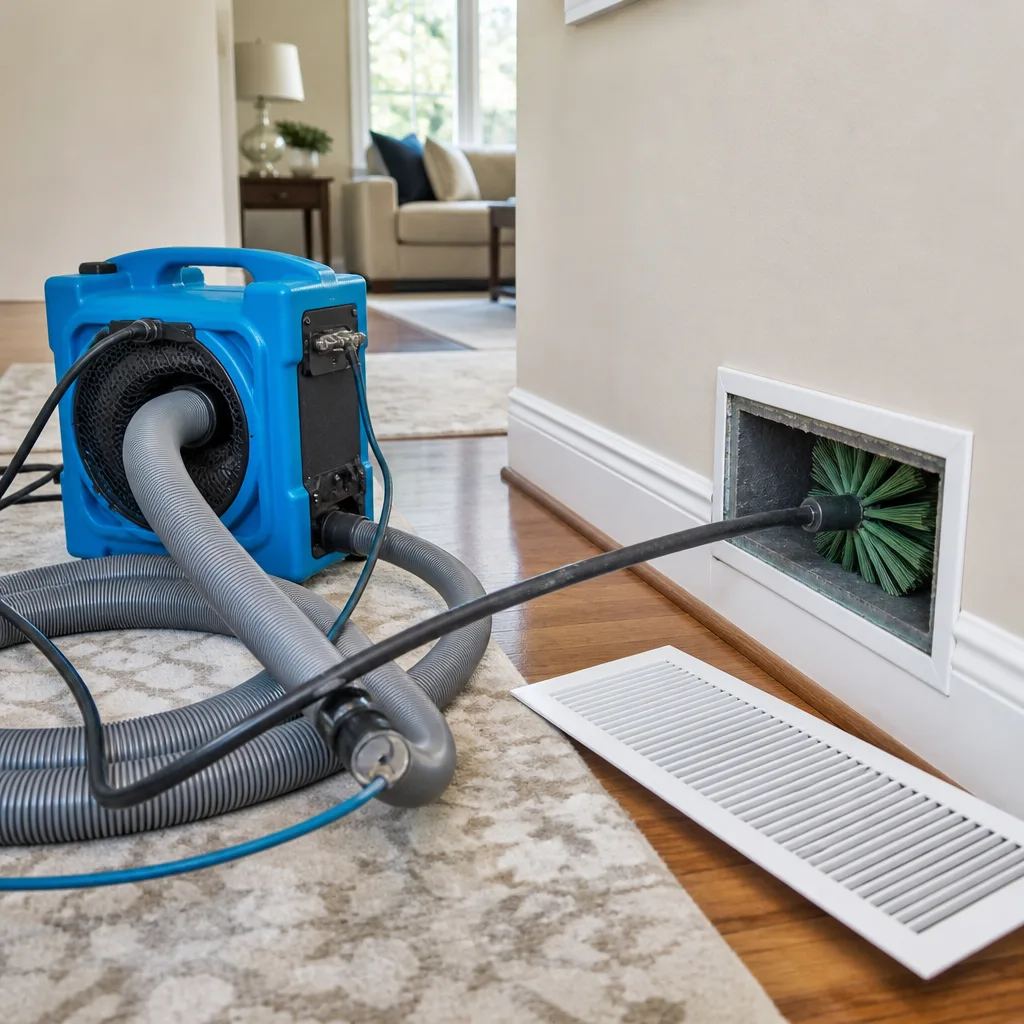
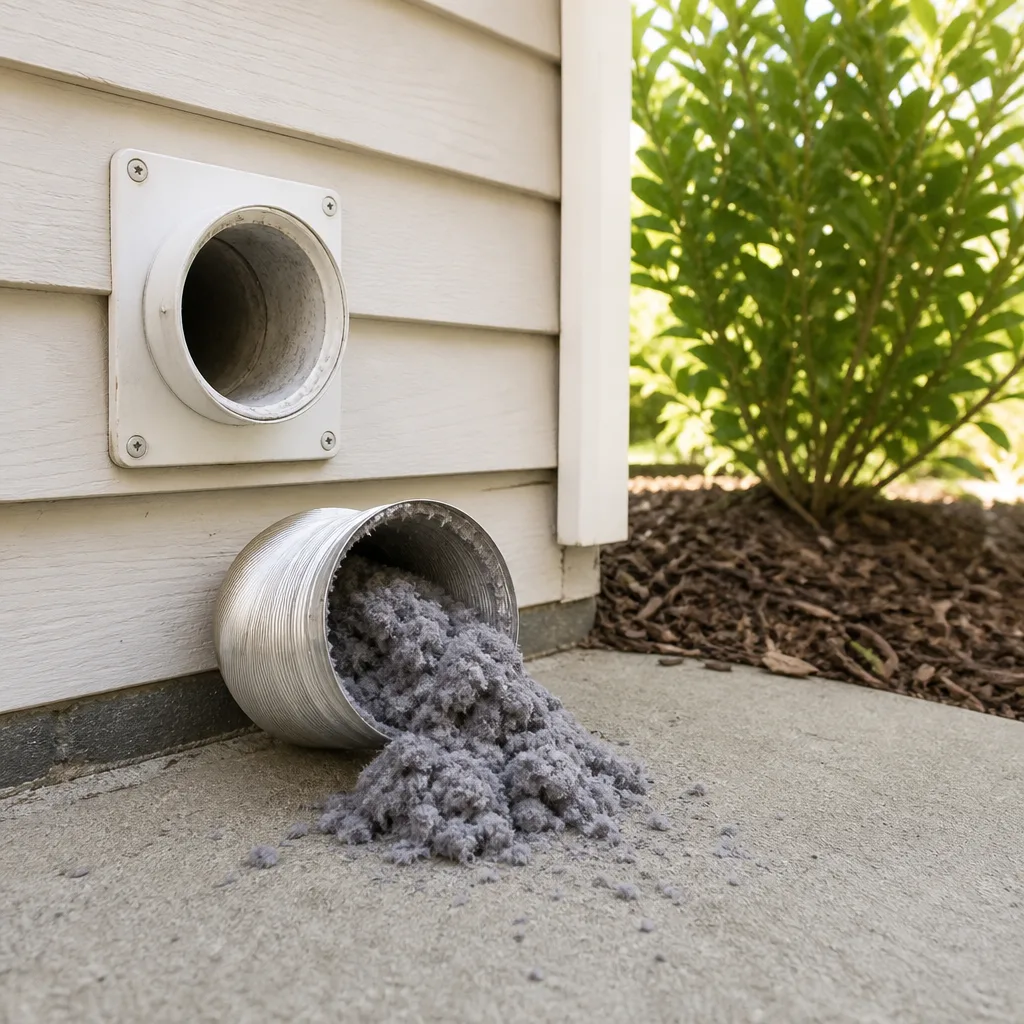
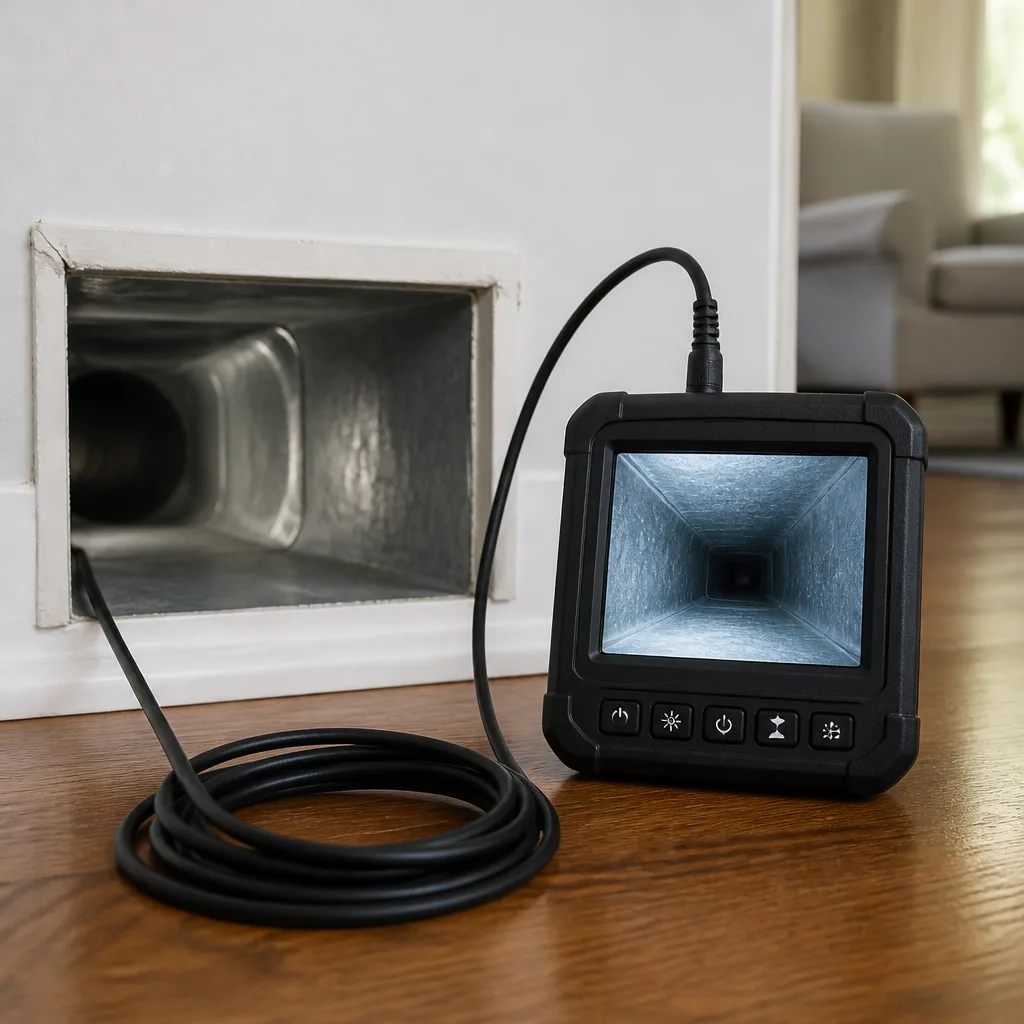
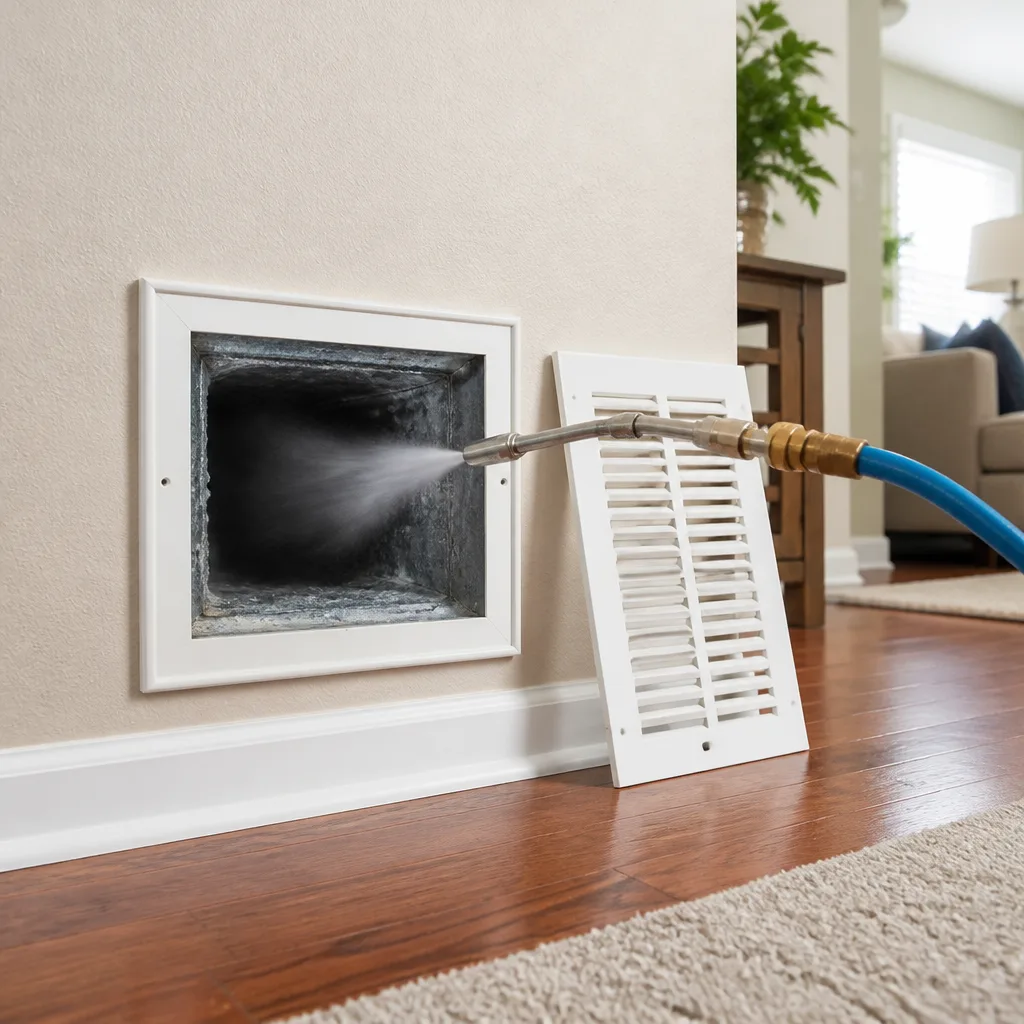
Whole-system duct and dryer vent check with before-and-after photos - you see exactly what came out of your vents
That "$99 whole-house special" is a bait ad - the real number appears once they are in your hallway, or the "clean" is a shop-vac at the register. We photograph the inside of your ducts before and after instead.
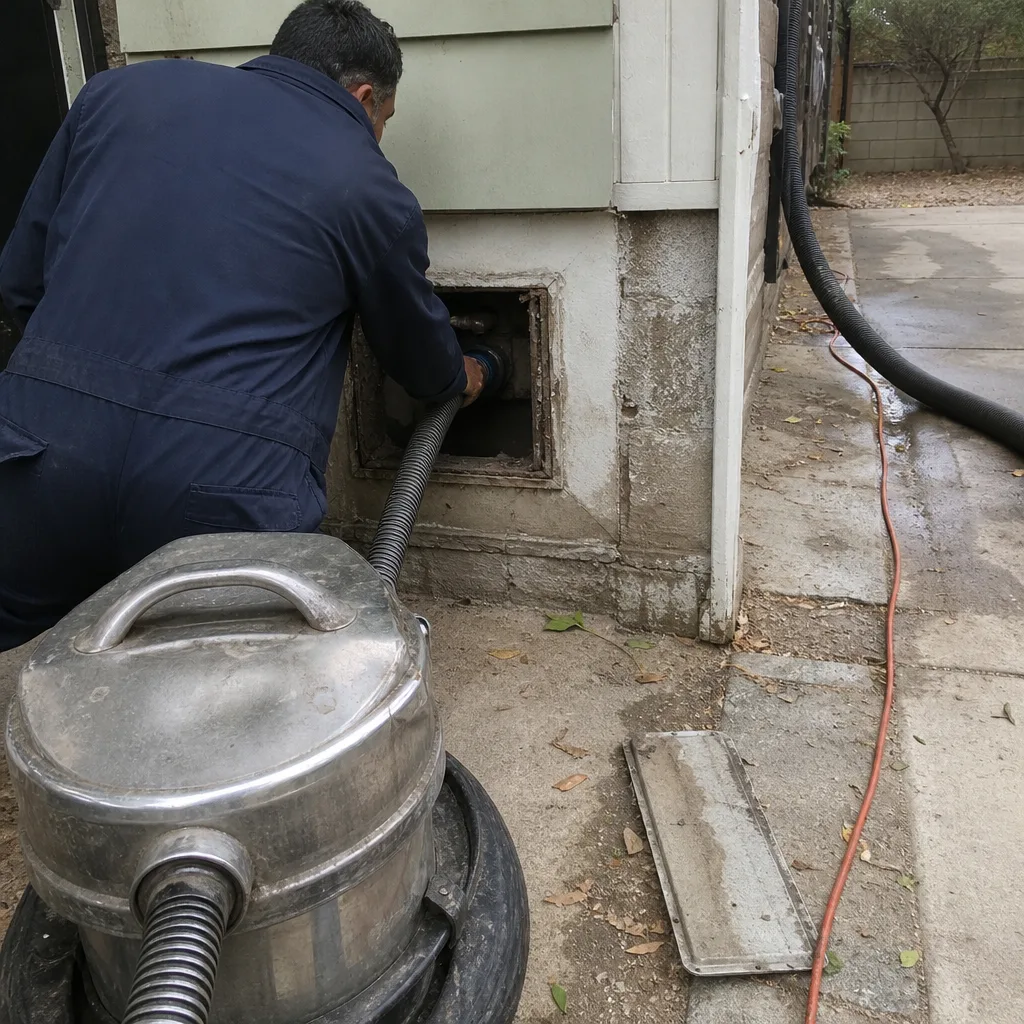 Before
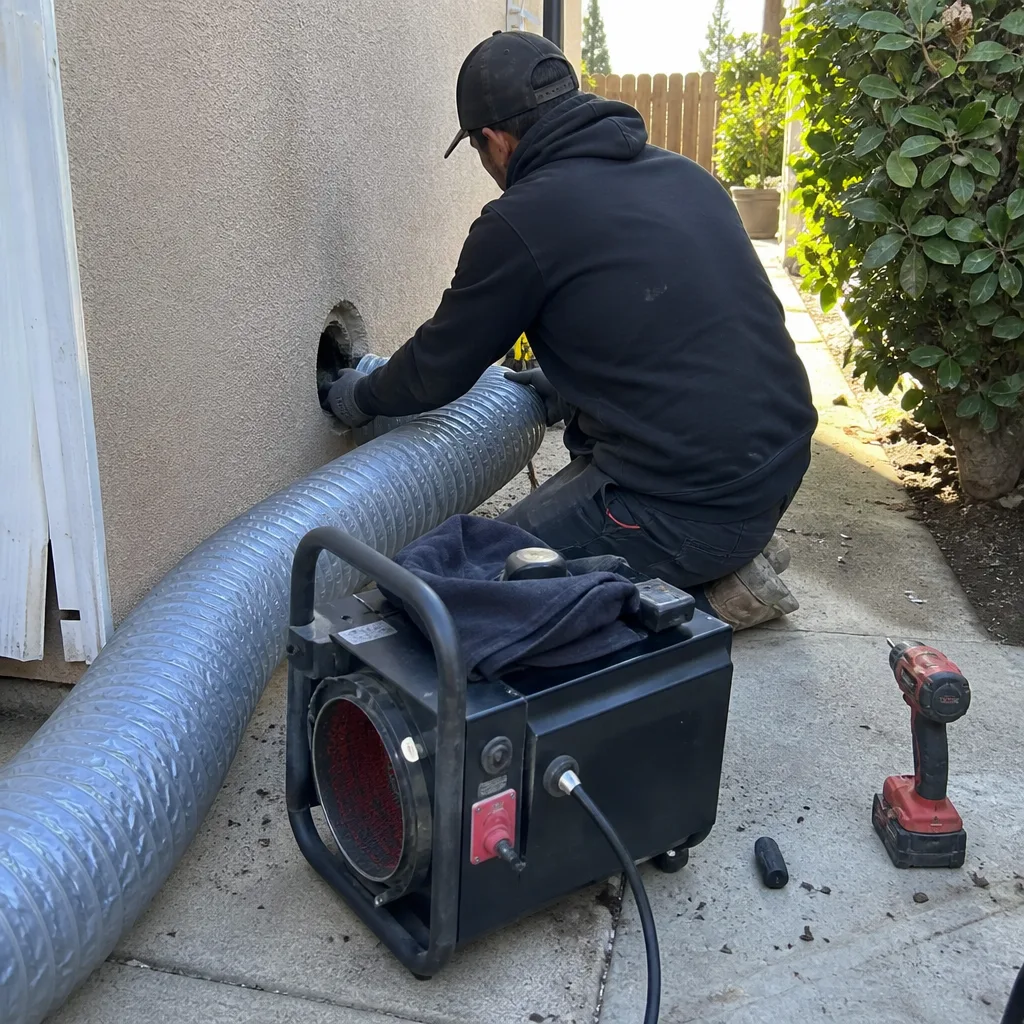 After
After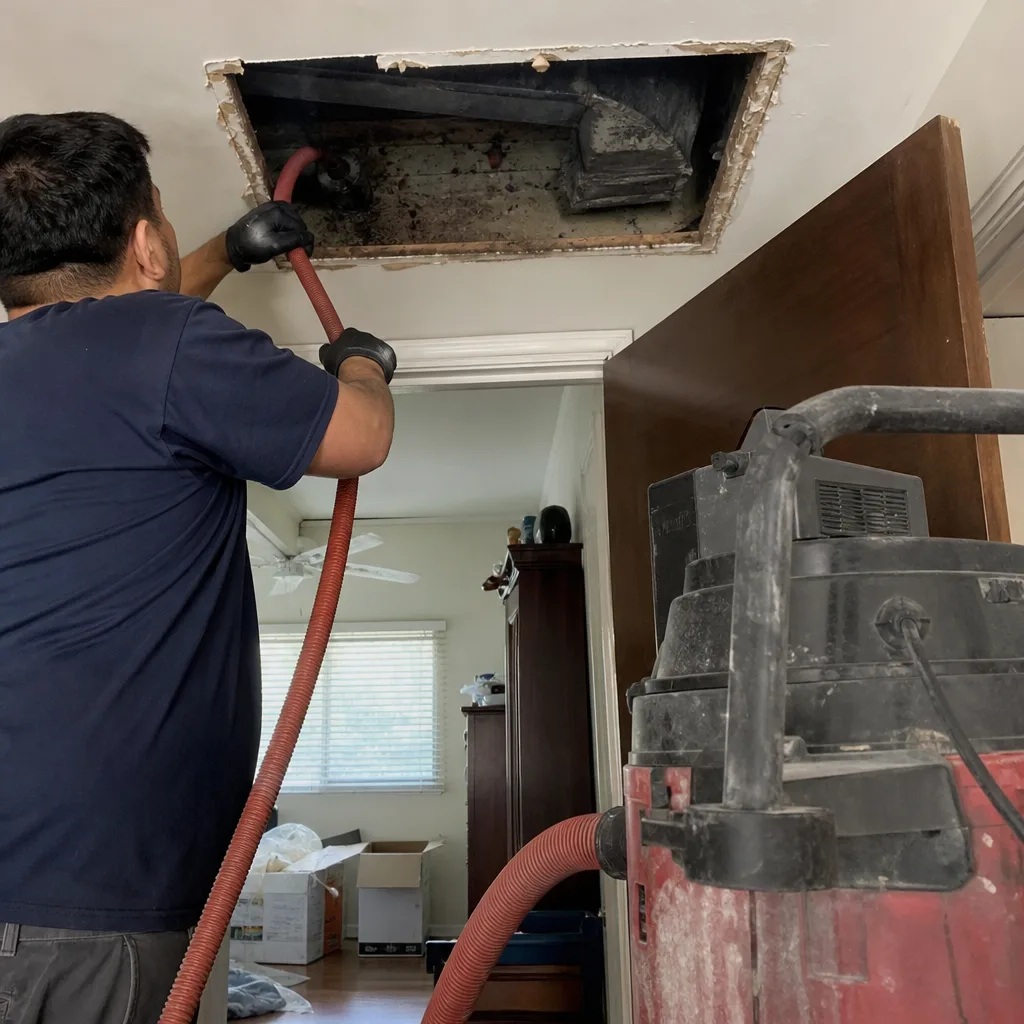 Before
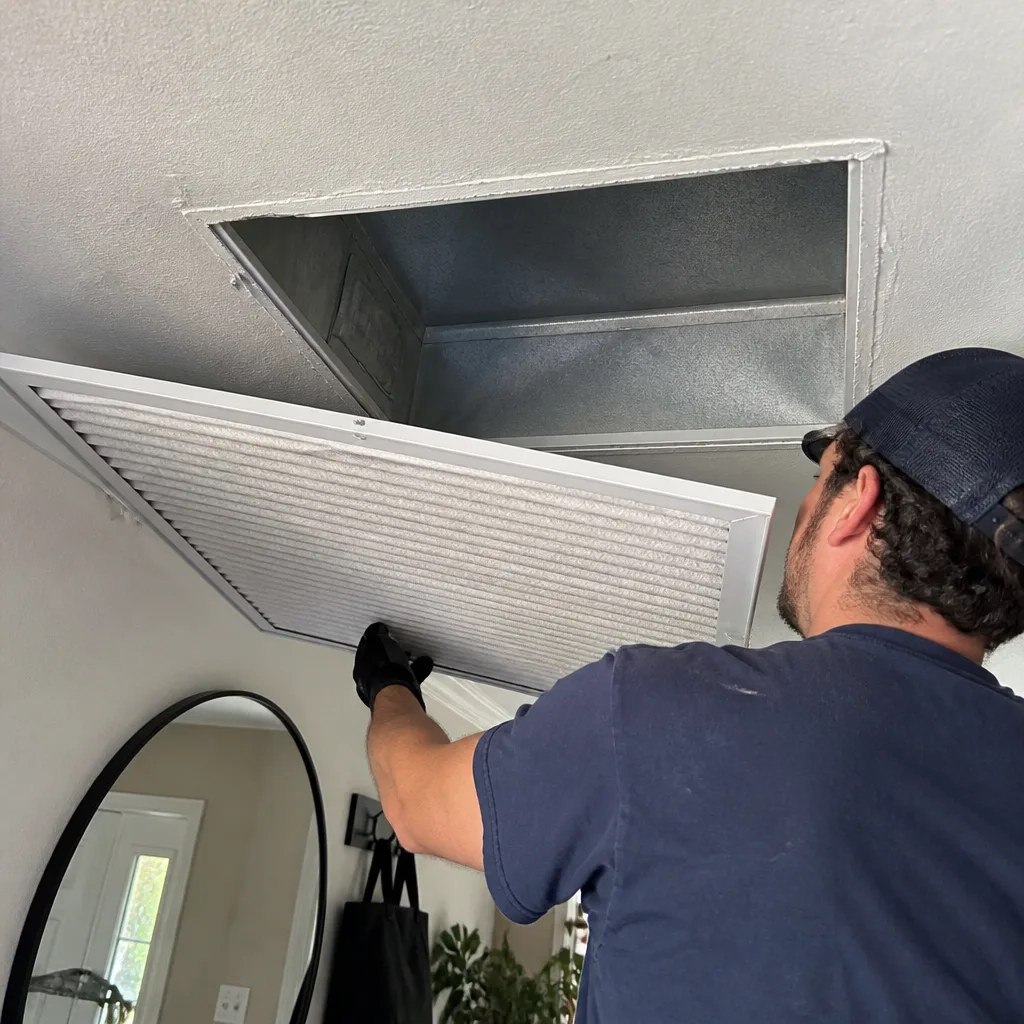 After
After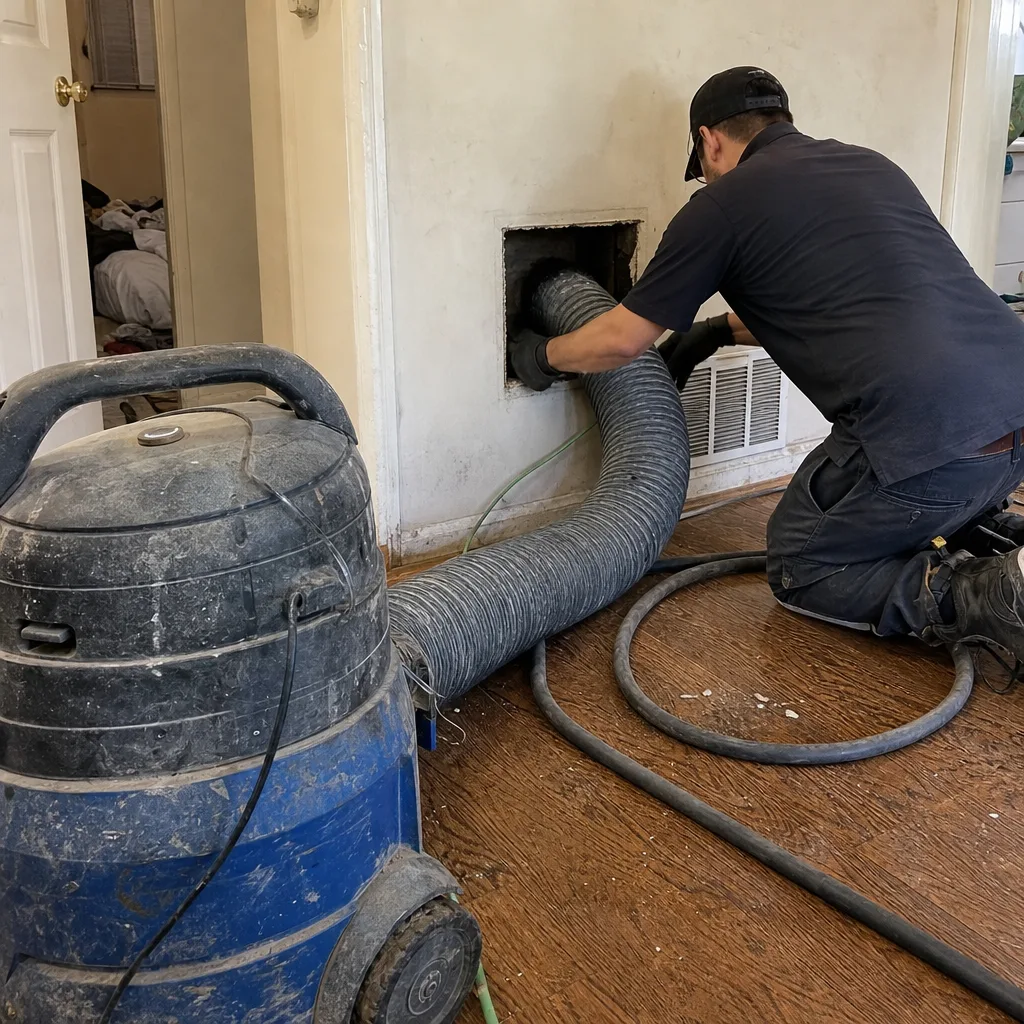 Before
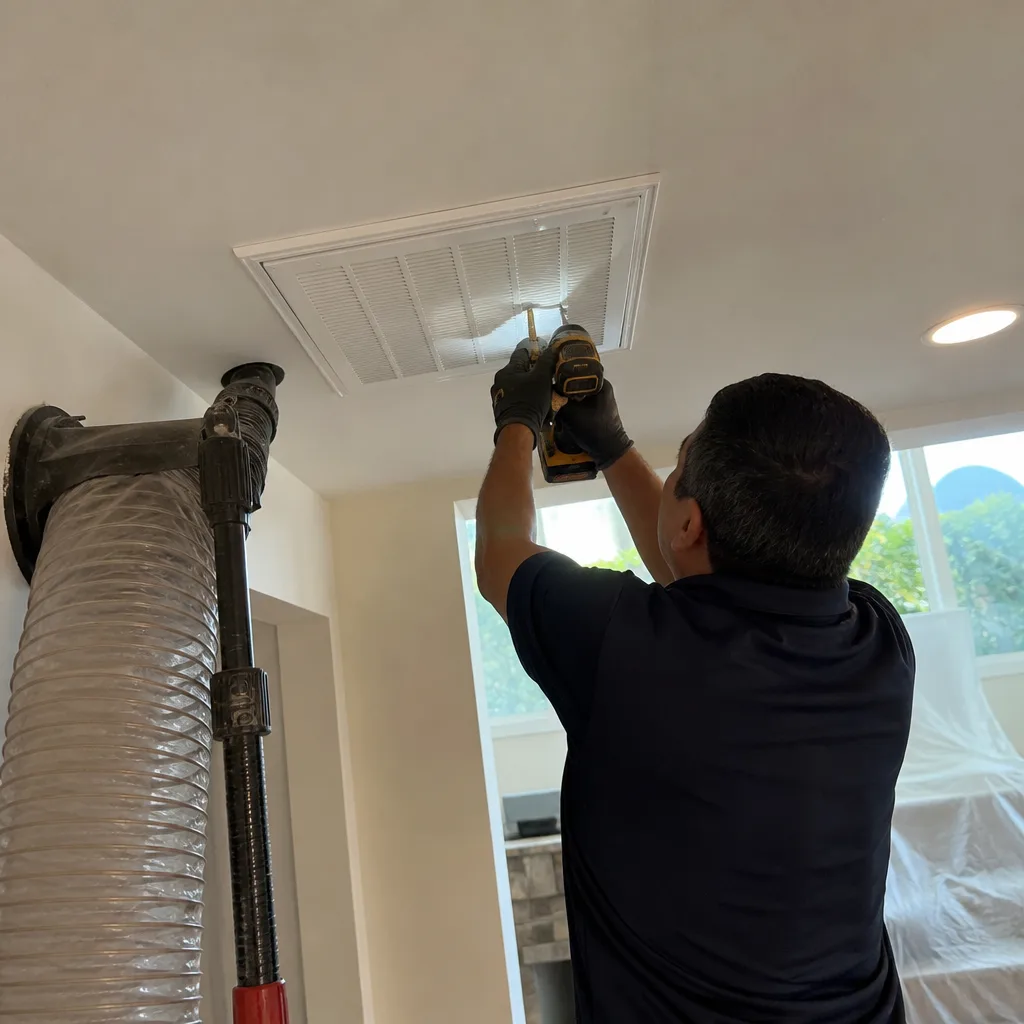 After
AfterAir Duct Cleaning Maintenance Schedule: What to Do and When
The “every 3 to 5 years” rule you see on nearly every duct cleaning website traces back to a 1990s Environmental Protection Agency advisory, and that advisory explicitly stated it was not a universal recommendation. Yet it’s been repeated so often that homeowners in Los Angeles now treat it like a law of physics. Here’s what this guide will actually do: give you a variable-based schedule built around how you live, where in LA you live, and what your HVAC system pulls through its returns every single day.
Quick Answer
Most Los Angeles homes need Air Duct Cleaning services every 3 to 5 years, but that interval shifts significantly based on pets, occupant count, proximity to freeways, recent wildfire seasons, and the filter grade you use. A two-dog household near the 405 should plan for cleaning every 2 to 3 years, while a single-occupant condo near the coast with a MERV 13 filter may comfortably stretch to 5 years. Use the framework below to calculate your actual interval instead of guessing.
Table of Contents
- Why the Interval Actually Matters
- The Variables That Shift Your Schedule
- Los Angeles Factors That Compress Cleaning Intervals
- What to Do Between Professional Cleanings
- The One DIY Check That Predicts When Cleaning Is Due
- How to Build a Written Maintenance Log
- Signs Your Current Interval Is Wrong in Either Direction
- Filter Replacement Cadence for Los Angeles Homes
Why the Interval Actually Matters
Air ducts move the air you breathe through every room, and over time they accumulate a layer of dust, pet dander, pollen, and in Los Angeles, a fine gray film of particulate matter from vehicle exhaust and seasonal wildfire smoke. That buildup doesn’t just sit there passively. Every time your furnace or AC cycles on, some of it recirculates through your living space, and a heavily loaded duct system forces your HVAC unit to work harder against reduced airflow.
We’ve pulled ducts in Sherman Oaks and Silver Lake that looked clean from the vent cover but carried an inch of compacted debris past the first bend. The duct interior is invisible real estate. Without a schedule, you’re deciding on maintenance based on a part of the house you literally cannot see, which is why so many homeowners default to either never cleaning or cleaning on a hunch. This matters financially too. A clogged duct system shortens equipment life, and in LA, replacing a central AC compressor is a five-figure job. The cleaning interval is essentially cheap insurance against a much more expensive repair.
The Variables That Shift Your Schedule
Your baseline interval is not universal. It’s a function of four variables, and each one either adds time or subtracts it. Here’s how to think about your own household.
- Pets: Dogs and cats shed dander continuously, and long-haired breeds add fur to the mix. A home with two dogs generates roughly two to three times the airborne particulate load of a pet-free home. Subtract one year from your baseline for one pet, two years for two or more.
- Occupant count: Each person sheds skin cells, tracks in outdoor dust, and generates laundry lint and cooking residue. A four-person household simply loads the air with more than a single occupant. Add one year if you live alone; subtract one if you have four or more people under one roof.
- Local air quality index history: Los Angeles regularly posts AQI readings above 100 during wildfire season and heat waves. If your neighborhood sits in a corridor that frequently hits orange or red AQI days, your ducts are capturing whatever the air holds, and you should not wait five years between cleanings.
- HVAC filter grade: A basic fiberglass filter catches large particles and lets fine dust pass through into the ducts. A MERV 11 or MERV 13 filter captures far more, which keeps ducts cleaner for longer. If you run a premium filter and change it diligently, you may be able to extend your interval by a year or more.
The starting point for a typical Los Angeles household with no pets, two to three occupants, moderate local air quality, and a mid-grade filter is 4 years. Adjust from there using the factors above. Our team at Linden Air Duct Cleaning home has seen every combination across LA, and the homes that stay cleanest are almost always the ones running better filters on a strict replacement schedule.
Los Angeles Factors That Compress Cleaning Intervals
Los Angeles is not one air quality zone. It’s a patchwork of microclimates and pollution corridors, and two neighborhoods ten miles apart can need wildly different maintenance schedules.
Homes within half a mile of the 405, the 10, the 110, or the 101 pull measurable diesel particulate and brake dust through their returns. Westwood, Culver City, and parts of the Valley near the 405 corridor regularly show heavier duct contamination than comparable homes in quieter parts of Pasadena or the Palisades. If you can hear freeway traffic from your yard, your baseline interval should be 3 years, not 5.
Post-wildfire seasons are a second compression factor. After the Bobcat, Woolsey, and more recent LA-area fires, we saw a surge in calls from homeowners whose ducts had absorbed smoke residue even when their windows stayed closed. For details on regulatory requirements, see our guide on Air Duct Cleaning Permits, Codes & Inspections in CA: What You Need to Know. Smoke particles are small enough to pass through most filters and settle in ductwork, where they linger and recirculate for months. If you live in a foothill community like La Cañada Flintridge, Altadena, or Tujunga, plan on a post-wildfire inspection even if your calendar says you’re not due.
Older return-air systems present a third factor. Many LA homes built before the 1980s have undersized or poorly sealed return ducts that pull air from crawl spaces, attics, and wall cavities. These systems introduce dust and insulation fibers independent of outdoor air quality, and they benefit from shorter cleaning intervals of 2 to 3 years.
What to Do Between Professional Cleanings
Professional air duct cleaning is a point-in-time service. What happens between cleanings determines how long your results last and whether your interval needs adjusting. Here’s the maintenance routine we recommend to every homeowner in Los Angeles.
- Replace your filter on a written schedule. Not “when I remember.” A 1-inch filter should be swapped every 60 to 90 days, a 4-inch media filter every 6 months. Homes with pets or high AQI exposure should move to the shorter end of that range.
- Vacuum vent covers monthly. The visible grille is the first place dust accumulates, and a quick vacuum pass prevents that material from getting pulled deeper into the system when air reverses.
- Keep supply registers open. Closing vents in unused rooms seems like it saves energy, but it creates static pressure imbalances that pull unfiltered air through gaps in the return path. Every register should stay at least partially open.
- Check the return-air grille every two months. If the return is pulling from a hallway near a door to the garage or outside, that’s dust inflow. A clean return grille means your filter is doing its job; a visibly dirty one between filter changes means your filter is undersized or overdue.
- Run the fan on “on” for one hour after dust-producing work. Drywall sanding, floor refinishing, or major cleaning sends a lot of particulate into the air. Running the fan with a clean filter captures it before it settles in the ducts.
This is the kind of detail we walk through when we’re out for Air Duct Cleaning in Los Angeles, because a homeowner who understands the between-visit routine gets far better results from the cleaning itself.
The One DIY Check That Predicts When Cleaning Is Due
There’s a simple test that gives you a reliable read on duct condition without calling anyone, and it takes under two minutes.
Remove a supply vent cover in a room you use daily, the one farthest from the HVAC unit. Take a damp white paper towel or white cloth, reach into the duct boot (the metal collar behind the vent opening), and wipe the interior surface. Pull it out and look at it.
- Light gray or nothing much: Your ducts are fine. Keep your current schedule.
- Dark gray or clearly dirty: Buildup is happening. You have a year or less before a professional cleaning should happen.
- Black, oily, or you feel debris caked on: The duct is past due. Call a professional now.
In our experience across Los Angeles, this one check gives homeowners a more accurate interval than any calendar rule. A home in Brentwood that passes the white-cloth test at year four doesn’t need cleaning yet. A house in Van Nuys that fails it at year two does. The duct tells the truth; the calendar just guesses.
For homes with gas appliances, we also suggest checking whether the return air pulls from a garage or any area that shares air with combustion sources. That’s a separate safety issue, but it’s worth knowing, because any gaps there should be sealed by a professional before they load your ducts with contaminants.
How to Build a Written Maintenance Log
Most homeowners cannot tell you when their ducts were last cleaned, because no one keeps a record. A written maintenance log solves two problems at once: it tells you exactly where you are in your interval, and it becomes part of the home’s documented history if you ever sell.
Here’s a simple structure that works, kept in a notebook, a spreadsheet, or the notes app on your phone:
- Record the date and type of every service: air duct cleaning, dryer vent cleaning, filter replacement, HVAC tune-up.
- Note the filter grade installed. “MERV 11, 1-inch” written down beats trying to remember what you bought six months ago.
- Log the white-cloth check results. Date, which register you tested, what you saw.
- Record pre and post cleaning photos. We provide before-and-after documentation on every job, and you should keep those images in your file.
- Attach invoices. A cleaning invoice is proof of maintenance, which matters during a home inspection.
When the time comes to sell, this log answers the buyer’s inevitable “when were the ducts last done?” question with a document instead of a shrug. And for your own decision-making, it removes the guesswork entirely. We see this pattern repeated all over LA: the homeowners who keep logs tend to have cleaner houses and cheaper total HVAC costs over a decade, simply because they act on data instead of forgetting.
Signs Your Current Interval Is Wrong in Either Direction
Getting the interval right matters in both directions. Clean too rarely and you’re breathing what accumulates. Clean too often and you’re spending money for no measurable benefit. Here’s how to know which side you’re on.
You’re cleaning too rarely if: the white-cloth test comes back dark or oily, family members with allergies or asthma notice worse symptoms at home than elsewhere, you can see dust puffing from supply registers when the system cycles on, or you run a basic fiberglass filter and haven’t cleaned in over five years while living near a freeway.
You’re cleaning too often if: the invoice says “cleaned,” but the before-and-after photos show minimal visible difference, the white-cloth test comes back nearly clean at year three and you clean anyway, or you’ve been cleaning annually based on a maintenance plan sold by a company without any explanation of why your home specifically needs that cadence. For help diagnosing issues, check our Air Duct Cleaning Troubleshooting: Common Problems and How to Fix Them.
There’s one more category worth flagging: homes where the issue isn’t the ducts at all. A persistent musty smell that returns weeks after cleaning often points to a moisture source in the duct run or the HVAC cabinet. Cleaning removes the symptom but not the cause. We encounter this regularly in older Los Angeles homes with uninsulated duct runs in crawl spaces. If that describes your house, Air Duct Repair in Los Angeles is the right next step, not another cleaning.
Filter Replacement Cadence for Los Angeles Homes
Filter replacement is the highest-leverage maintenance task you control, and in LA it’s got a sharper edge than in most markets because wildfire season and inversion-layer pollution throw the normal schedule out the window.
The baseline cadence:
- 1-inch fiberglass filters: every 30 to 60 days
- 1-inch pleated MERV 8-11: every 60 to 90 days
- 4-inch media filters MERV 11-13: every 6 months, shortened to 4 months during fire season
Brand names matter less than grade and fit. We install and recommend products from manufacturers like Honeywell and Guardsman because their media filters hold up consistently in LA’s particulate-heavy air, but any well-made filter at the right MERV rating and the right size will do the job. The most common mistake we see is a MERV 13 filter in a system not designed for that pressure drop, which reduces airflow through the whole house and makes the AC work harder in Los Angeles summers.
During an active wildfire event, check your filter every two weeks. Smoke clogs filters fast, and a loaded filter sends smoke particles past the media and into your ducts, which undoes years of careful maintenance in a single season.
Common Mistakes to Avoid
- Treating “3 to 5 years” as a fact instead of a starting point. Your pets, location, and filter grade move that number by years in either direction. The white-cloth test tells the truth.
- Using the cheapest filter available. A low-cost fiberglass filter passes fine dust into the ductwork, which is the dust that builds up fastest and is hardest on the system.
- Closing supply registers in unused LA rooms. With our hot summers and variable occupancy, closed registers create pressure problems that pull dust from wall cavities into the return path.
- Cleaning the ducts but ignoring the dryer vent. In Los Angeles, we run dryers year-round, and a loaded Dryer Vent Cleaning in Los Angeles is needed every 12 to 18 months. The systems are separate but their neglect compounds the same way.
- Relying on scented filters or vent sprays. These mask odors but do nothing for duct contamination. You’re not cleaning; you’re perfuming the problem.
- Not documenting the cleaning. If you can’t produce a date or photos, you may as well have never done it, both for your own planning and for resale.
- Waiting for visible dust before acting. By the time you see buildup on vent covers, the duct interior has been accumulating for a long while. The interval should be proactive, not reactive.
When to Call a Professional
Call a professional when the white-cloth test comes back dark or oily, when you smell mustiness that returns after cleaning, when occupants have unexplained allergy symptoms at home, when you’re in a post-wildfire zone regardless of your calendar, or when your filter clogs faster than the cadence above suggests. Also call if you’ve moved into an older LA home and have no service history. A new-to-you house should get a duct inspection as part of move-in, because you don’t know what the previous owners did, and ducts carry whatever history they left behind.
Linden Air Duct Cleaning offers free estimates in Los Angeles. Call (980) 447-2498 and ask for Marcus or any member of the team, and we’ll walk you through what your specific home needs, on your schedule, with the price in writing before any work begins.
Frequently Asked Questions
Most Los Angeles homes need air duct cleaning every 3 to 5 years, with the specific interval set by pets, occupant count, filter grade, and proximity to freeways or wildfire zones. Homes within half a mile of a major freeway or with multiple pets should plan on every 2 to 3 years, while a pet-free coastal condo with a MERV 13 filter can usually stretch to 5 years. Call (980) 447-2498 for an assessment based on your specific home.
Yes, and the difference shows up in how much dust settles on surfaces, how the house smells, and whether allergy symptoms improve, not in what you can see from the vent cover. The duct interior is hidden, which is exactly why before-and-after photos of your own ducts are part of any legitimate cleaning job. If a company doesn’t document the work, you have no basis to judge it.
Ask for before-and-after photos of the inside of your ducts, taken with the professional’s inspection camera, and require them as part of the written agreement before work starts. At Linden Air Duct Cleaning, this is standard on every service, not an upsell. If a company refuses or offers only “after” images, treat that as a red flag.
Cheaper quotes usually reflect a lighter scope: shorter cleaning time, smaller equipment, no documentation, no guarantee, or all four. The actual work of negative-pressure extraction with professional equipment takes time, and a price that seems too low usually means the job will be cut short. Get the scope in writing before you compare prices, because two companies quoting the same task often aren’t quoting the same job.
Air duct cleaning addresses the HVAC distribution system that moves conditioned air through your home, while dryer vent cleaning addresses the exhaust line that carries lint and heat from your dryer to the outside. Both accumulate lint and particulate over time, but they’re separate systems, and Los Angeles homes need dryer vent cleaning every 12 to 18 months regardless of when the air ducts were last done.
If you were inside a smoke-affected zone or within a few miles of an active fire, yes, you should have your ducts inspected even if your windows stayed closed, because smoke particles pass through most residential filters and settle in the ductwork where they recirculate for months. The inspection tells you whether full cleaning is warranted. Call (980) 447-2498 to schedule a duct inspection after a Los Angeles-area wildfire event.
The Bottom Line
Your air duct cleaning schedule starts at 3 to 5 years and moves from there based on four variables: pets, occupant count, filter grade, and local air quality, with Los Angeles-specific factors like freeway proximity and wildfire seasons compressing the interval for many homes. Explore more guides & resources to keep your system running efficiently. The white-cloth test is the cheapest, fastest truth-teller between professional cleanings, and a written maintenance log turns guesswork into a documented record you can act on and show a buyer. Clean too rarely and you breathe the buildup. Clean too often and you spend without benefit. The data tells you which side you’re on, and a professional inspection gives you the starting number. We’re here to help you get it exactly right.
Written by Marcus Veale, Owner at Linden Air Duct Cleaning, serving Los Angeles since 2004.